


A lot of multiplayer games focus almost entirely on competition, progression, or retention loops. SAGE is trying to build something softer without becoming shallow.
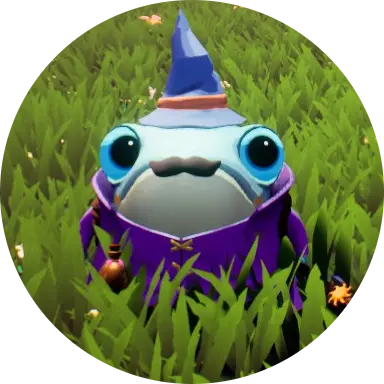
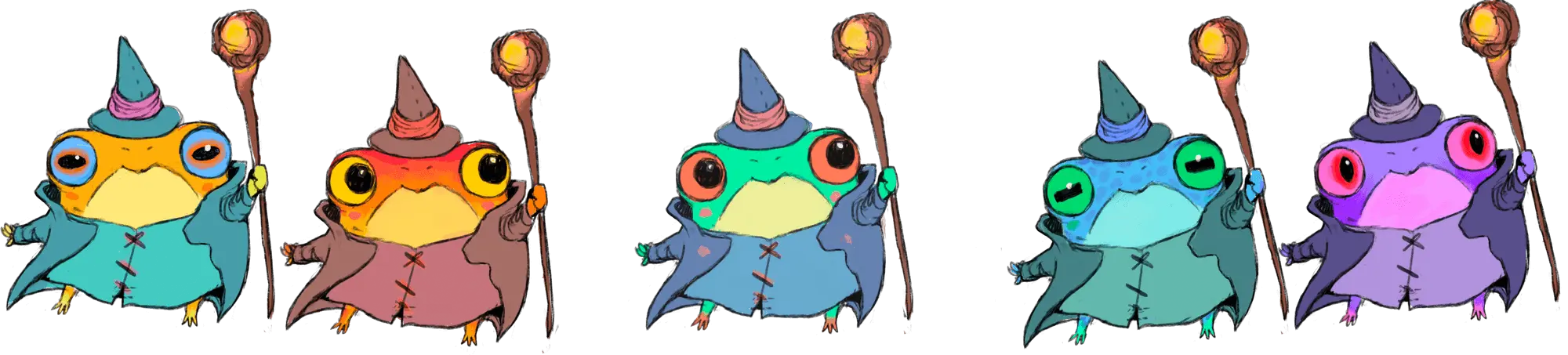
Developed by Bender Games, SAGE is a multiplayer fantasy game centered around frog wizards, social interaction, and cooperative exploration inside a whimsical storybook-inspired world. But underneath the cozy presentation is a systems-heavy multiplayer project shaped through constant iteration and community feedback.
In this interview, Bender Games founder Bryan Góngora Cooper talks about building a studio around shared social experiences, managing scope in multiplayer production, and why weekly Discord playtests became one of the team’s most important development tools.
Main topics:
– Cozy multiplayer game development
– Community-driven production
– Multiplayer systems
– Scope management
– Storybook fantasy design
– Discord playtesting
– Social multiplayer experiences
Starting Bender Games
Many independent studios begin with a very specific gap they feel is missing in games they personally want to play. For Bender Games, that gap was finding cozy multiplayer games that felt both welcoming and mechanically deep.
That philosophy eventually became the foundation for the SAGE game.
Q: What originally pushed you to start Bender Games instead of joining an existing studio long-term?
A: I had previous experience starting a studio focused on mobile games years ago, and after that I spent time learning from great leaders in gaming.
When we started Bender in 2023, my co-founder Austin and I already knew what kind of games we wanted to create. The timing also felt right from a market, talent, and capital perspective.
Q: Can you briefly describe SAGE for someone seeing it for the first time?
A: SAGE is the ultimate frog wizard game that combines exploration with multiplayer fantasy games mechanics. You can play solo or dive into fantasy co-op games sessions with up to 12 people as you progress through wizard ranks to become a friend of the forest and eventually befriend the villain.
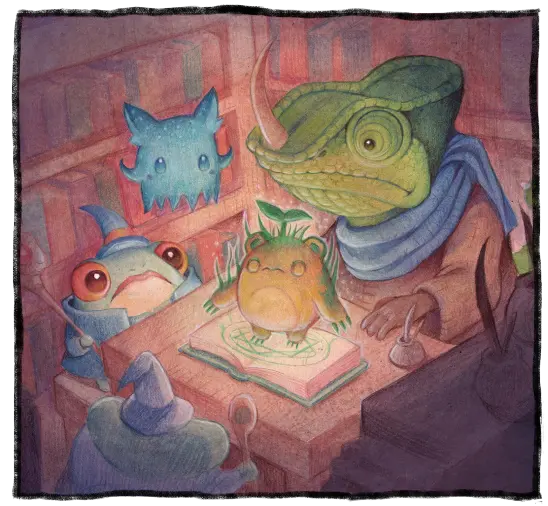
It features a storybook art style, wizard fantasy, and wholesome social systems to create a relaxing world with rich narrative depth.
Building a Cozy Multiplayer Game With Depth
Although SAGE immediately stands out because of its art style and tone, Bryan says the original idea was less about aesthetics and more about building the kind of wholesome multiplayer games the team personally struggled to find elsewhere.
The goal was to create something approachable and relaxing without sacrificing meaningful systems and long-term engagement.
Q: What was the first idea behind SAGE, and how much has it changed since then?
A: Austin and I were looking for cozy online games to play with our family members but were having a hard time finding titles that paired cute aesthetics with deep gameplay systems.
That was where we wanted the game to fit genre-wise, and the starting point for SAGE itself was actually the narrative. The lore centers around a classic power struggle between elemental forces, but you play as a derpy little forest creature who is blessed with growing magic abilities.
While the core loop has shifted considerably during development, we have stayed true to the original narrative.
Q: What’s been the hardest part of balancing creative ambition with realistic production scope?
A: It’s a tough balance to strike. Descoping is always important, especially with systems-heavy games like SAGE, but it’s equally important not to lose the soul of what you’re creating.
The longer you work on games, the better you need to become at judging what is feasible for a team within a specific timeline while still capturing the intended player fantasy.
It’s healthy to dream big at first based on the experience you’re imagining, and it feels natural for scope to grow and shrink in cycles as development continues.
Weekly Playtests and Community Feedback
One of the most important parts of the SAGE Bender Games development process has been maintaining a constant feedback loop with players.
Instead of treating testing as something occasional, Bender Games integrated weekly community playtests directly into production itself.
Q: What helps your team stay focused when development starts getting messy or overwhelming?
A: As a game studio, you have to build a tolerance for working through vagueness. All sorts of things can make development uncomfortable, so focusing on what you can control is key.
One helpful thing we’ve done recently is running weekly playtest builds with our Discord community. This creates a feedback loop of designing, implementing, testing, and releasing on a micro-scale, with the ultimate north star of satisfying players more than the previous week.
The moments where we grow individually in our craft, or when a player loves something we created, are fuel for the journey ahead.
Q: What did players notice or react to that your team didn’t expect?
A: Players tend to notice even the slightest changes when it comes to moment-to-moment gameplay. For us, that is spell casting.
Any changes to the way the staff works or the identity of the spells are immediately picked up on by players. When the hook of a game is being immersed as a particular character, changes that make the experience feel more real for the player will create more engaging gameplay.
Discovering Design Blindspots
Like many multiplayer projects, SAGE changed significantly once larger groups of players started interacting with the game in real conditions.
According to Bryan, some of the most valuable lessons came directly from realizing where the team’s own assumptions as designers did not match real player behavior.
Q: Was there any feature, system, or idea that looked good internally, but changed after real players tried it?
A: Haha, we could give a proper lecture on that topic.
Since starting larger closed playtests back in August 2025, we’ve had so many discussions with players that opened our eyes to blind spots we had as game designers.
We deeply appreciate the feedback we’ve received from our community, and we do our best to apply those learnings to ongoing iterations so players feel at home in the world of SAGE.
Q: Has anything about running a studio turned out very different from what you expected?
A: I’ve always been more engineering and design focused rather than marketing focused, but I’ve learned an unexpected amount about the power of social media for finding and maintaining a direct connection with players.
Building an audience from scratch is daunting, but learning how to hold people’s attention online and directing them to our SAGE Steam page is invaluable these days.
Magic in the Making
SAGE reflects a growing shift in multiplayer game development. Instead of focusing purely on competition or retention mechanics, Bender Games is trying to redefine cozy online games by creating a more social, welcoming experience without losing gameplay depth.
One of the most interesting parts of Bryan’s perspective is how heavily the studio relies on fast iteration and direct community feedback. Weekly Discord playtests are not just a marketing tool for the team – they have become part of the production pipeline itself.
For other developers, especially teams building online or systems-heavy games, the biggest lesson may be the importance of staying flexible. Features that look perfect internally often change dramatically once real players begin interacting with them.
Explore more behind-the-scenes stories in our exclusive interview series. We have many more conversations with industry visionaries coming soon, so be sure to visit us again.
Get in touch
Got a project in mind? We usually reply within a day.