

3D Character Modeling Services
Game-ready 3D character design, modeling, texturing, and production support for realistic and stylized characters across mobile, PC, and console projects.
3D Game Character Design Services
VSQUAD is a 3D character design studio for teams that need one production-ready character, a larger cast, or ongoing external art support. We can work from an approved concept, help refine an early direction, or take responsibility for the character from initial brief through engine-ready delivery.
Our 3D character design services are planned around the game’s art direction, camera, platform, animation requirements, and technical budget. The goal is not simply a strong render. The character must preserve its silhouette, materials, deformation, and visual quality when it enters the actual production pipeline.

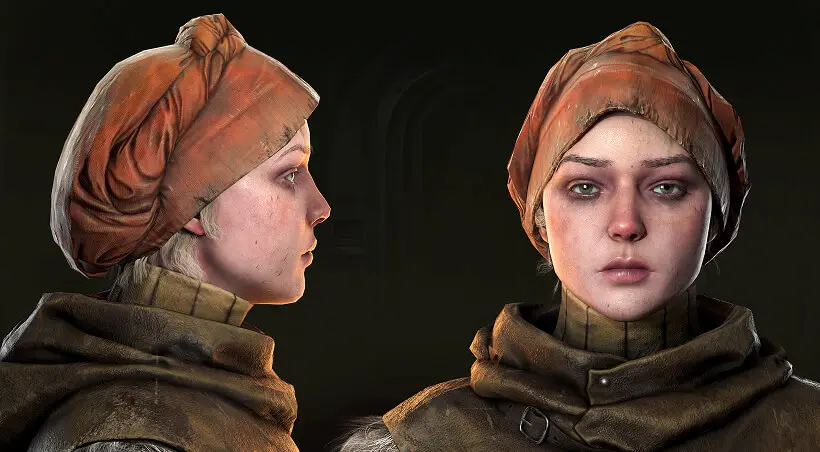
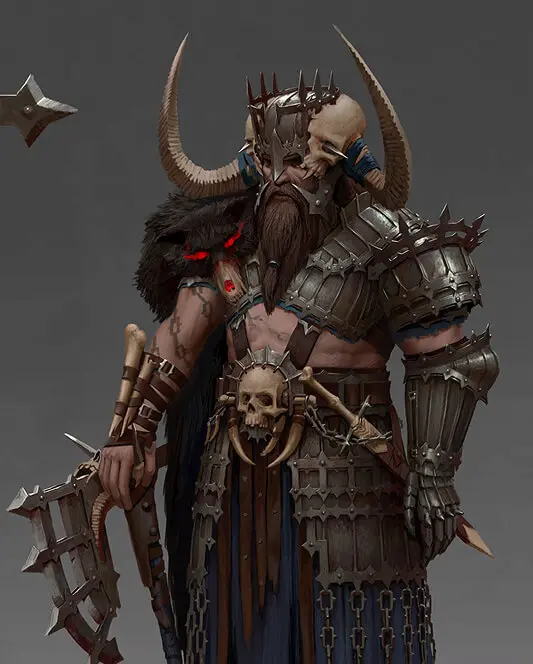
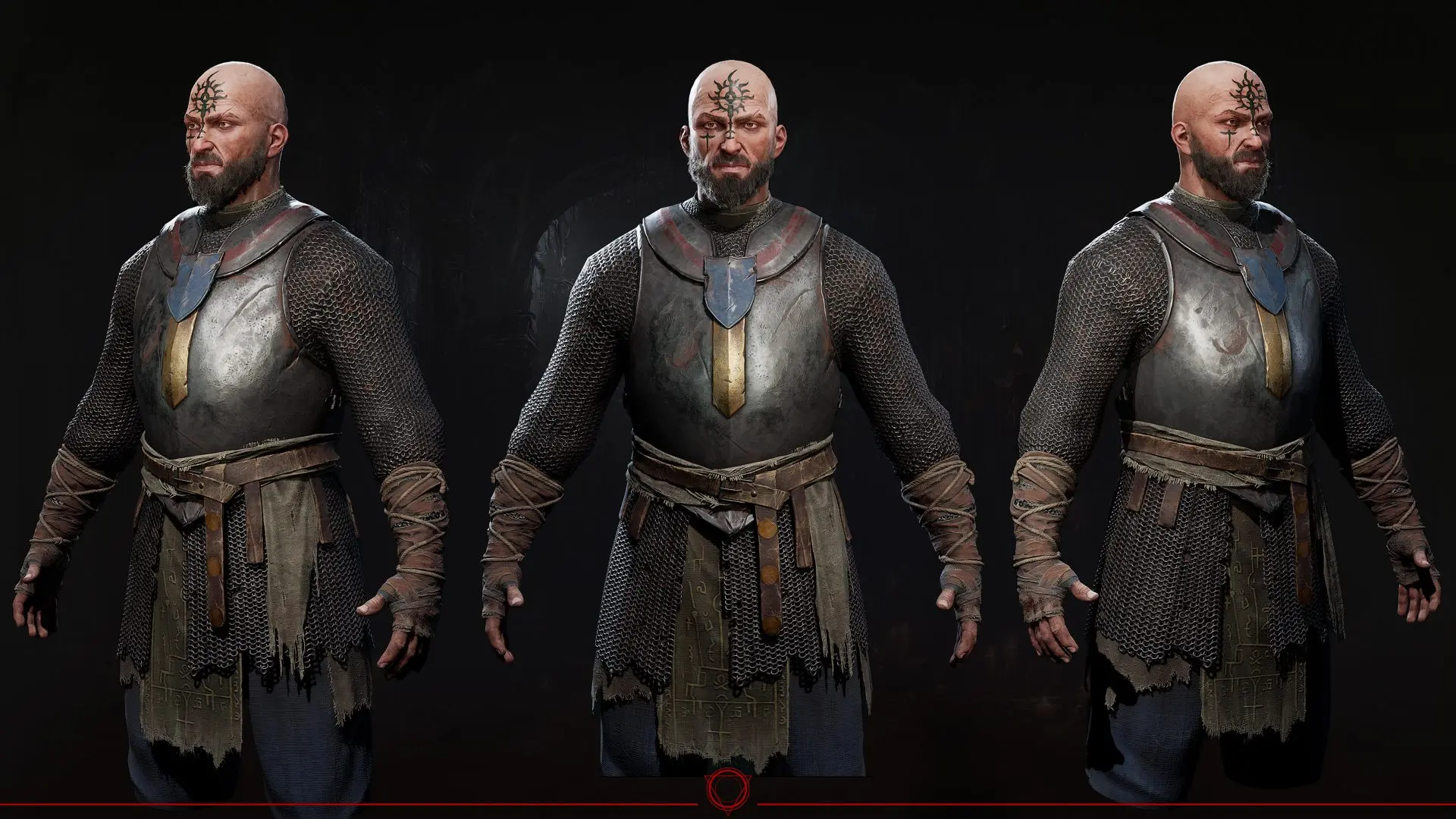
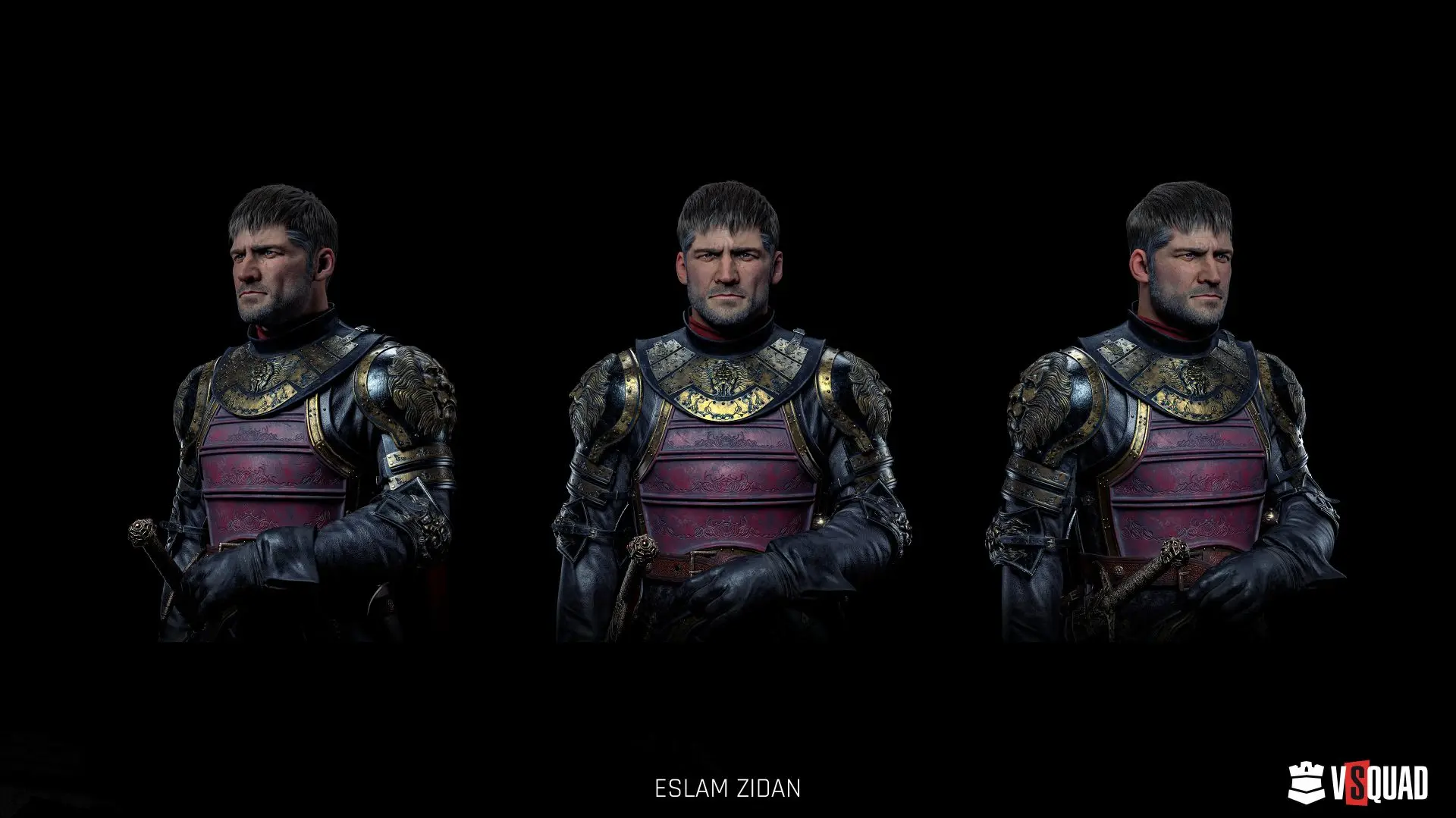
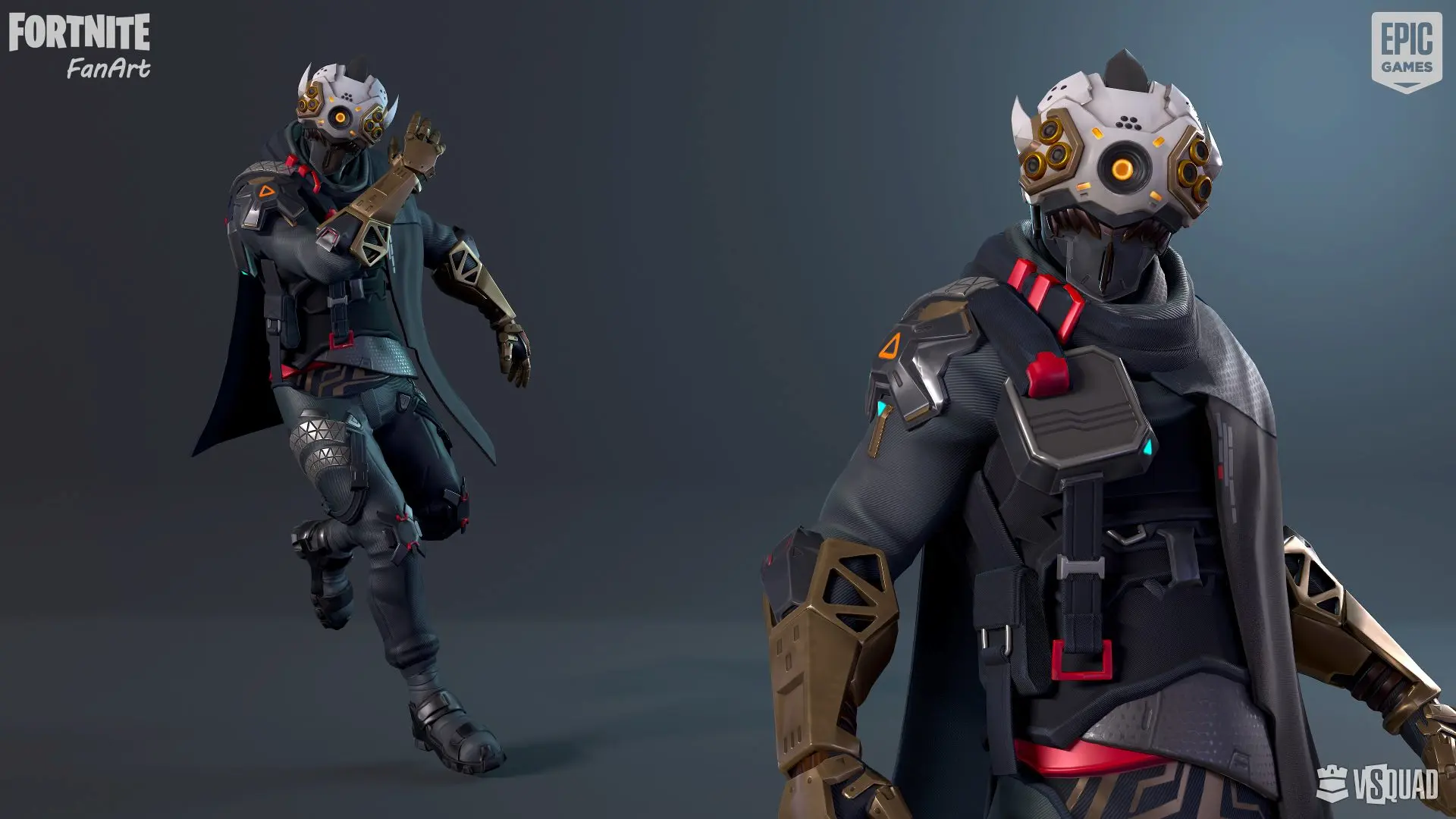
Realistic 3D Characters

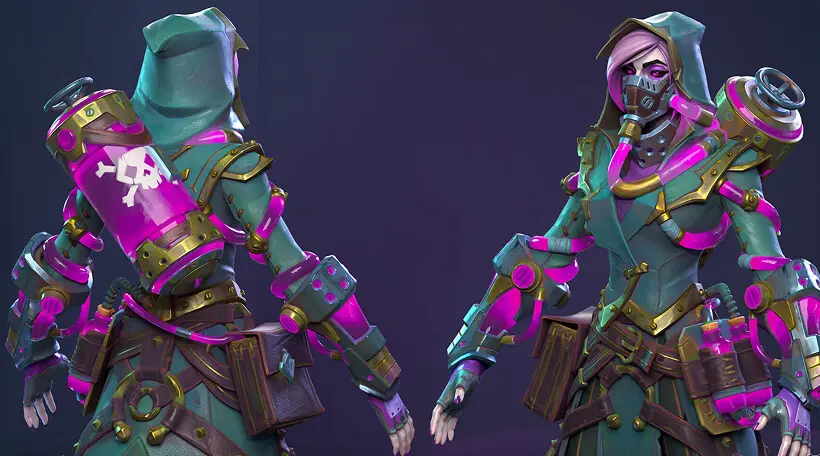
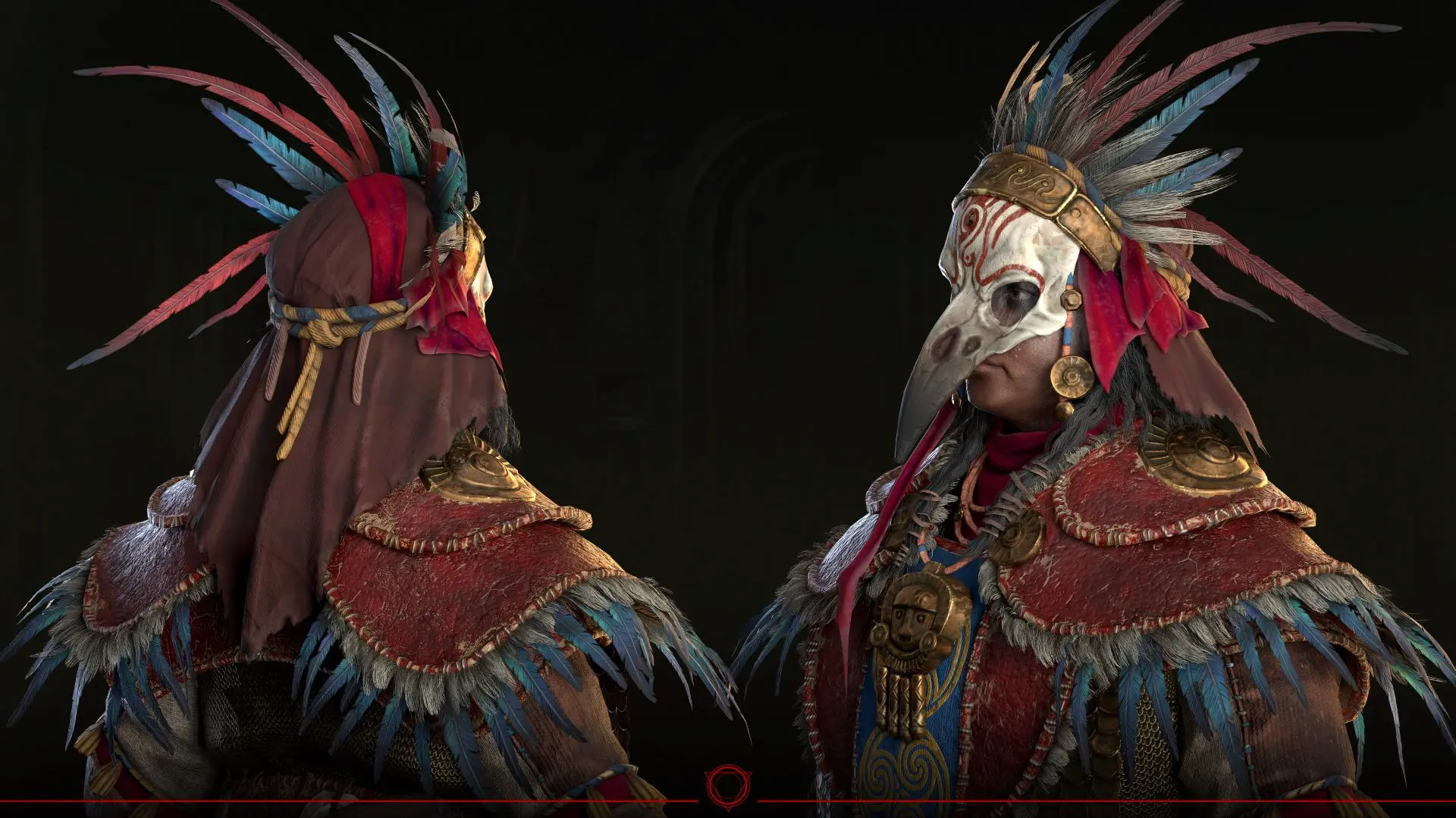
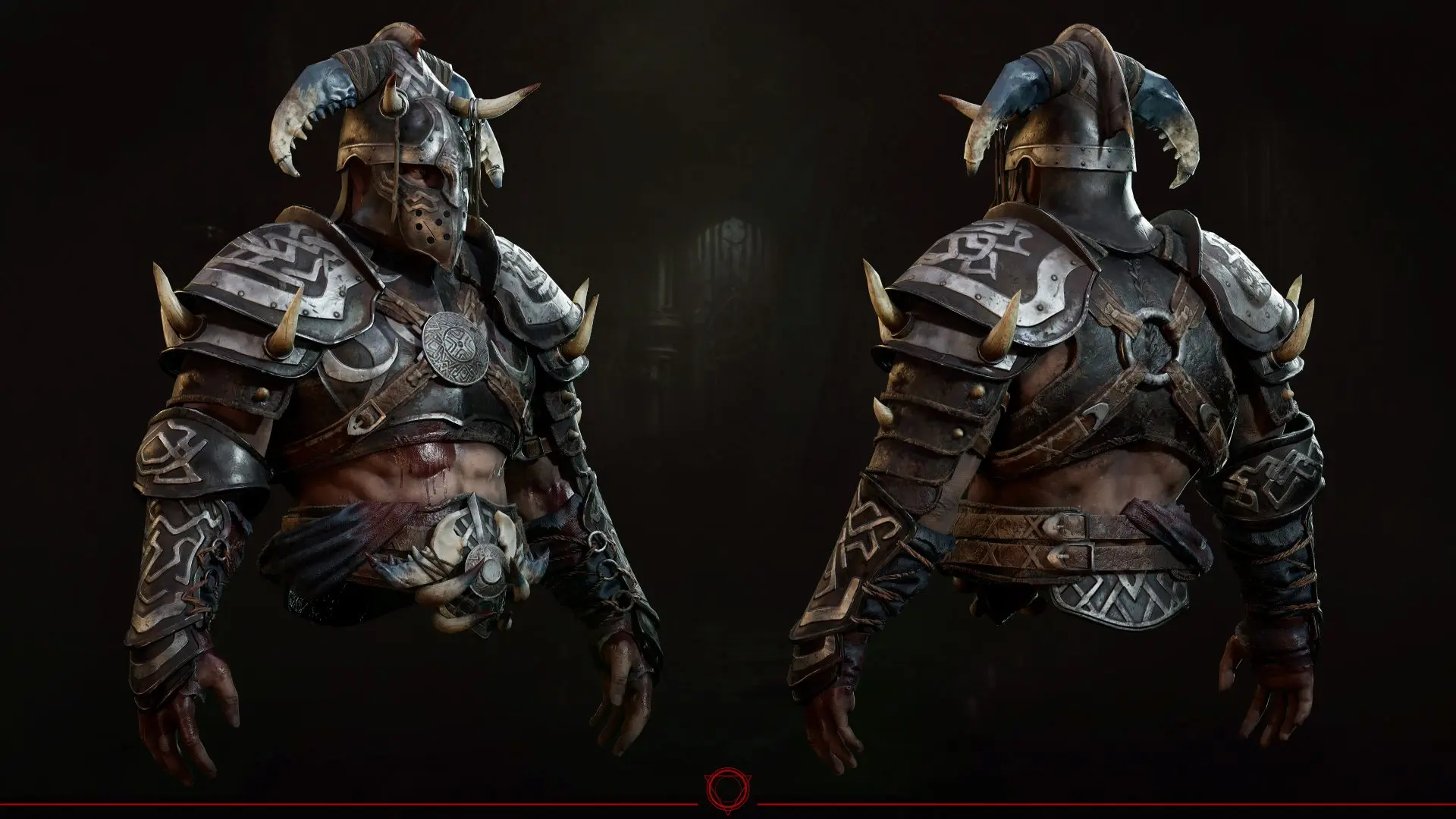
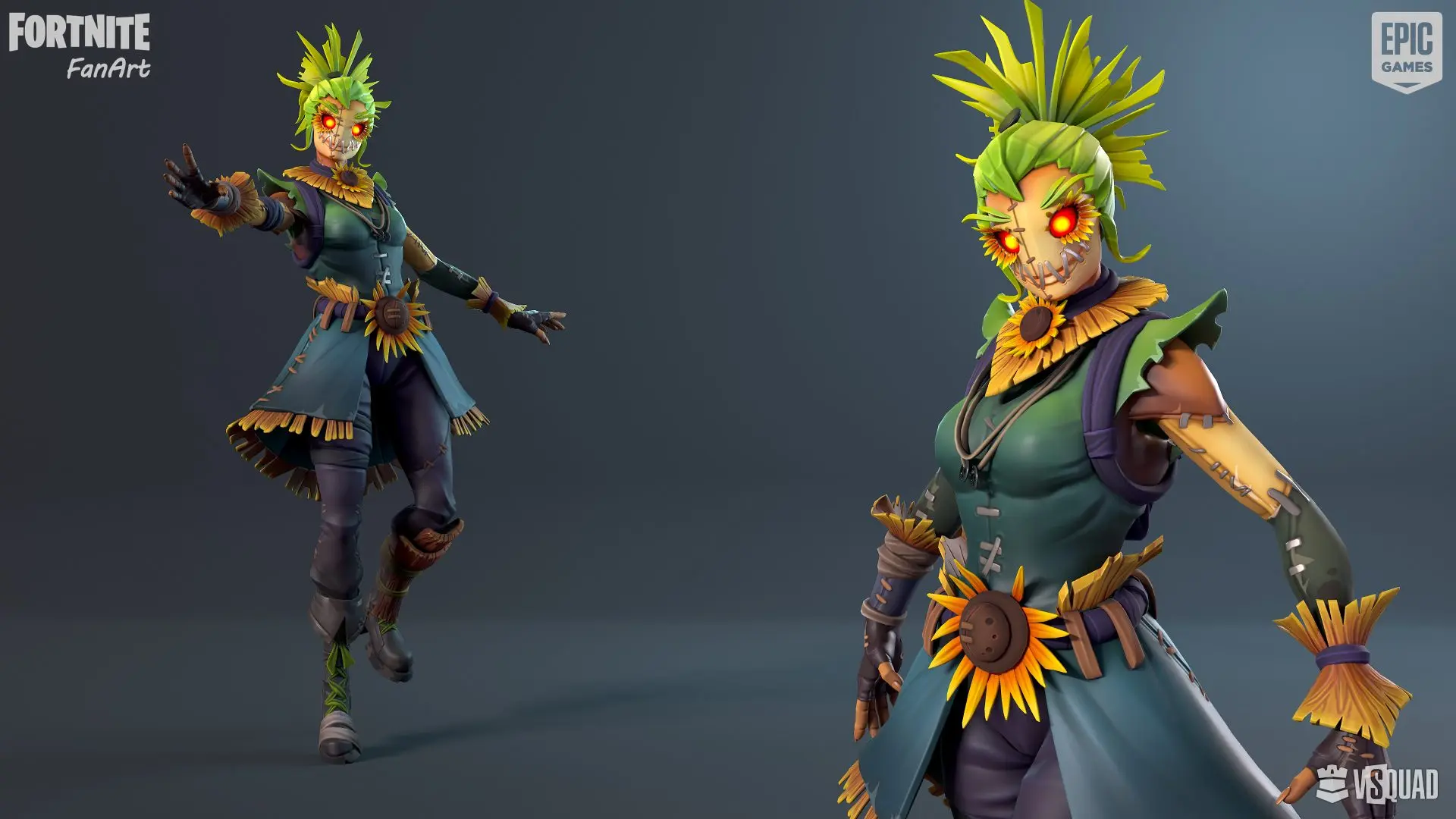
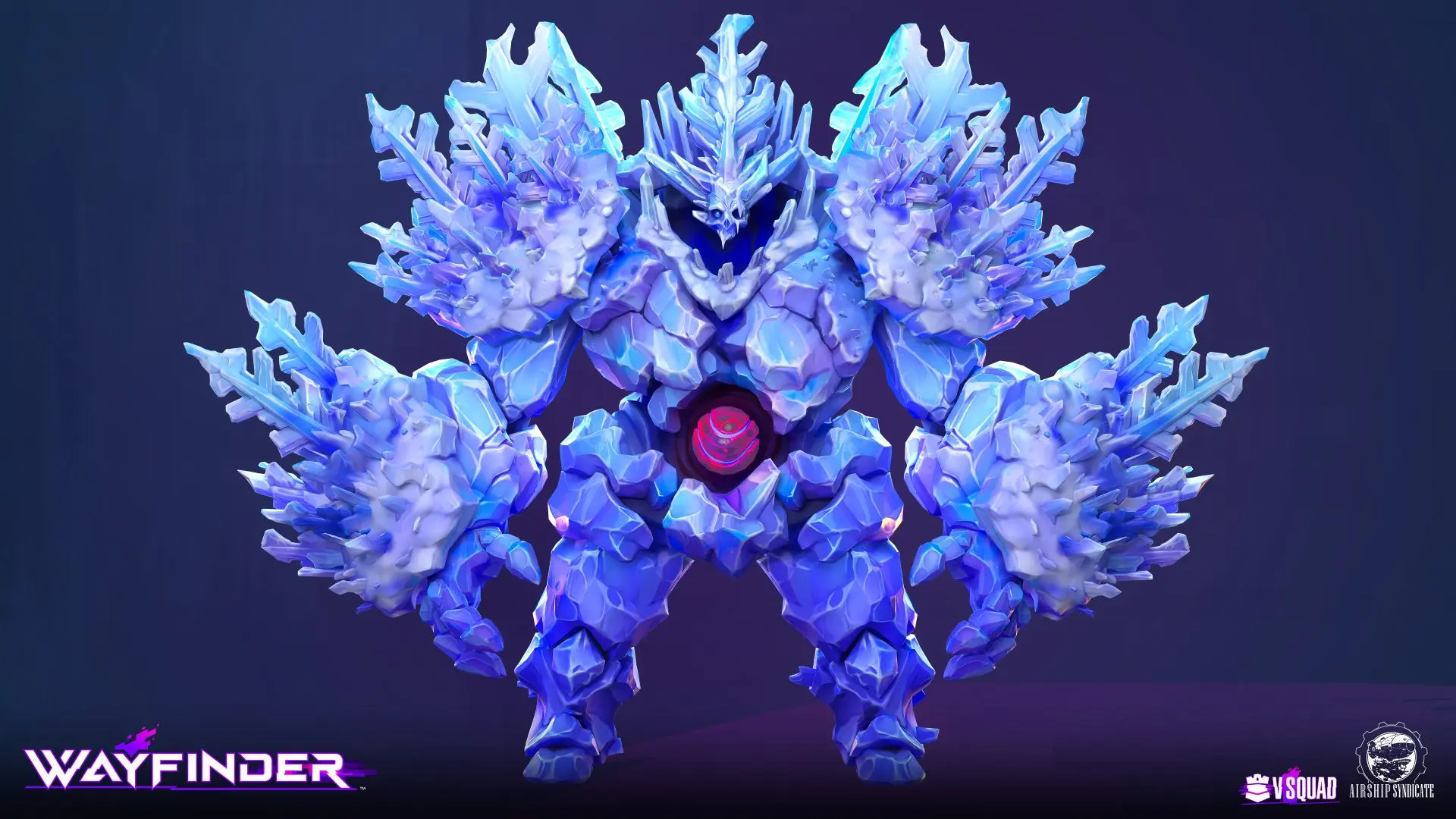
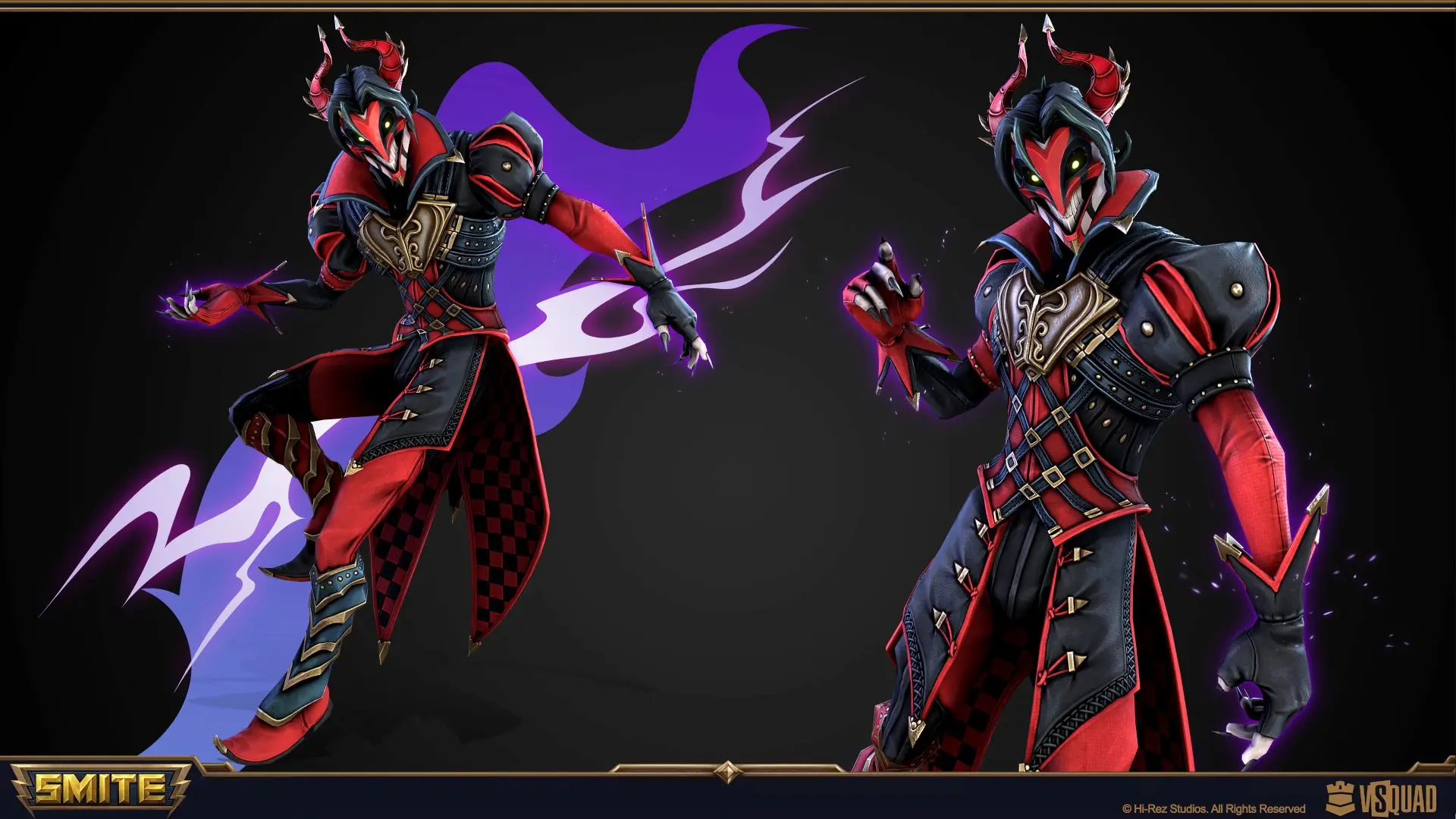
Stylized 3D Characters
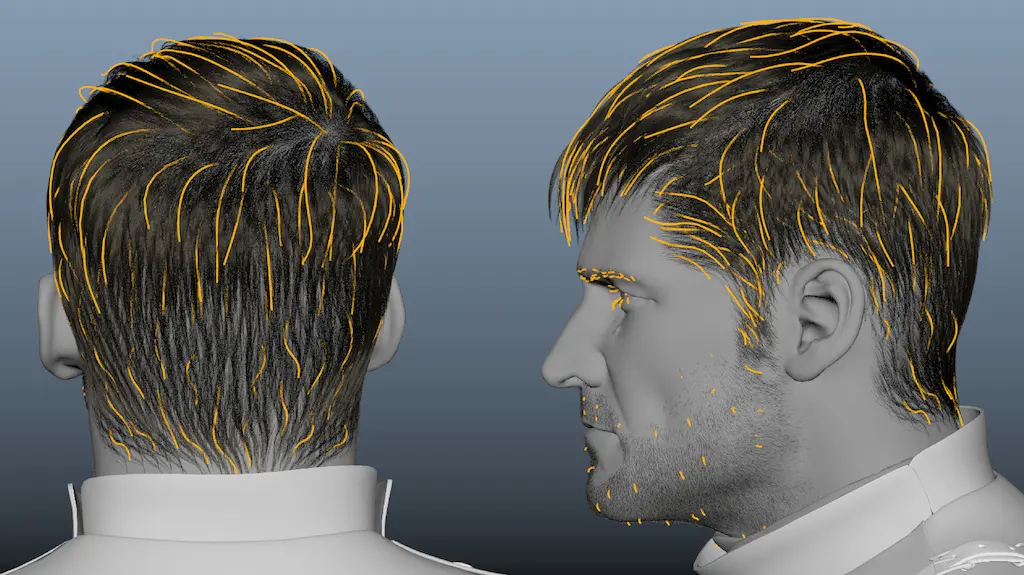
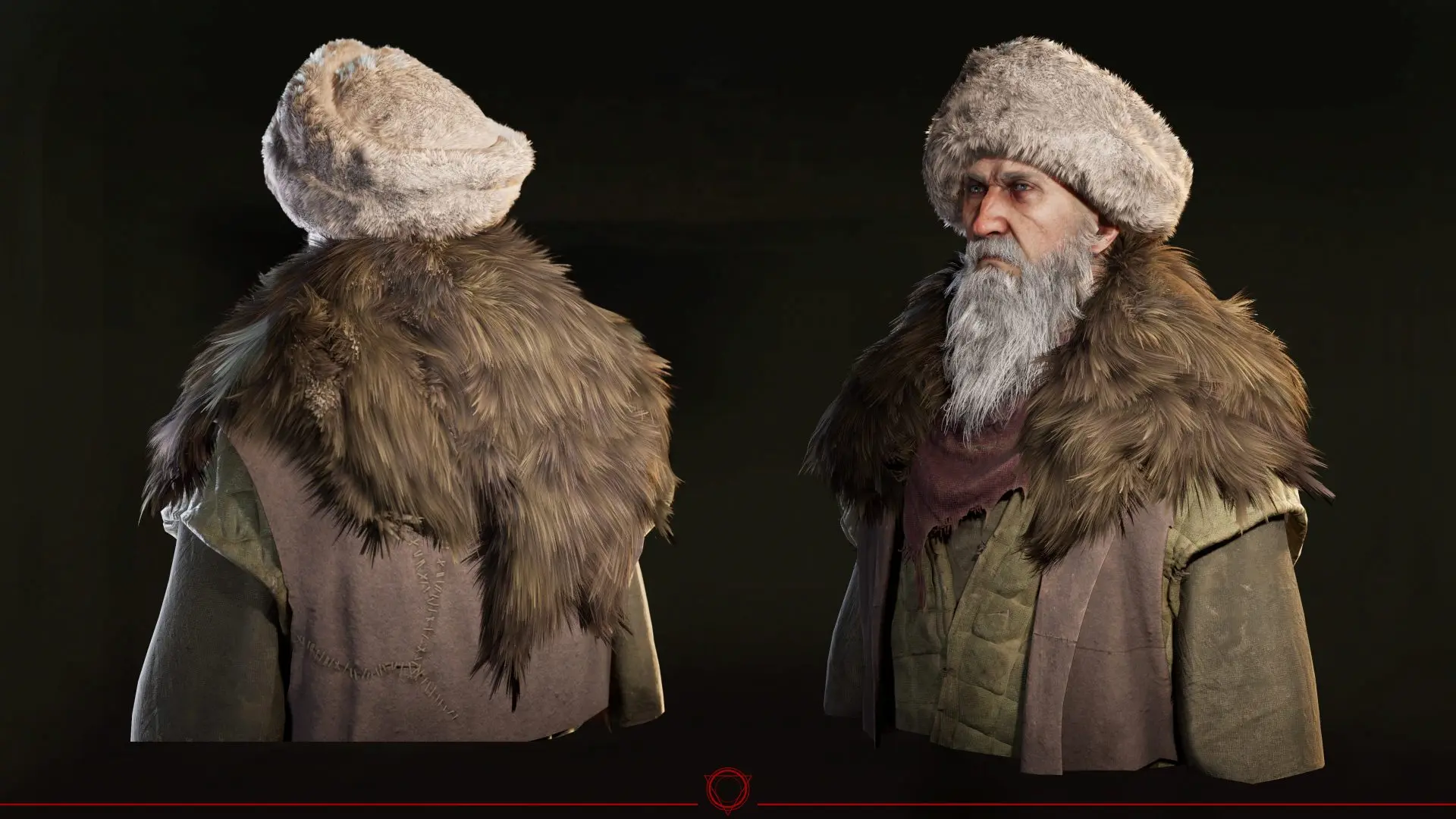
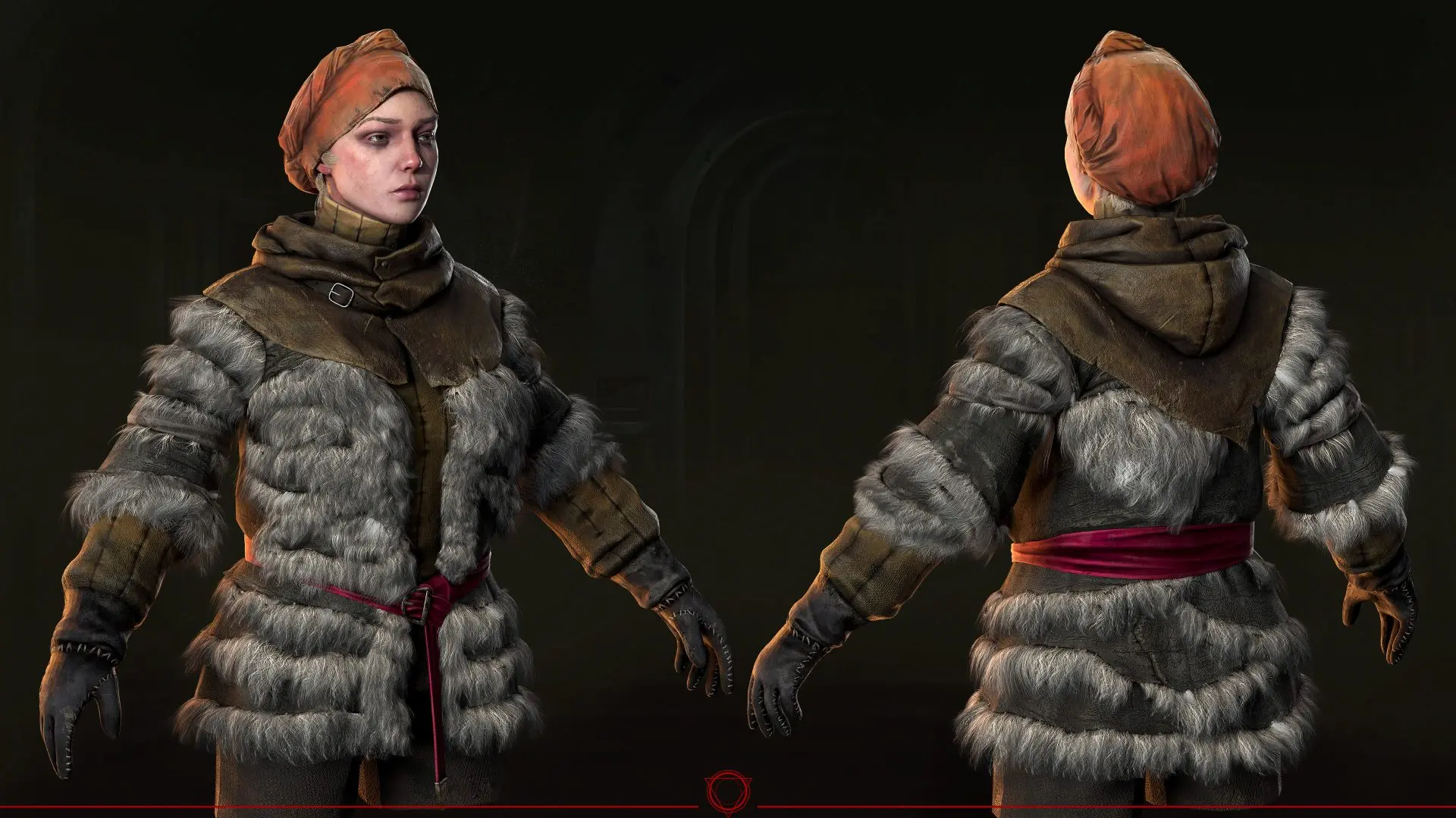
3D Character Hair & Fur
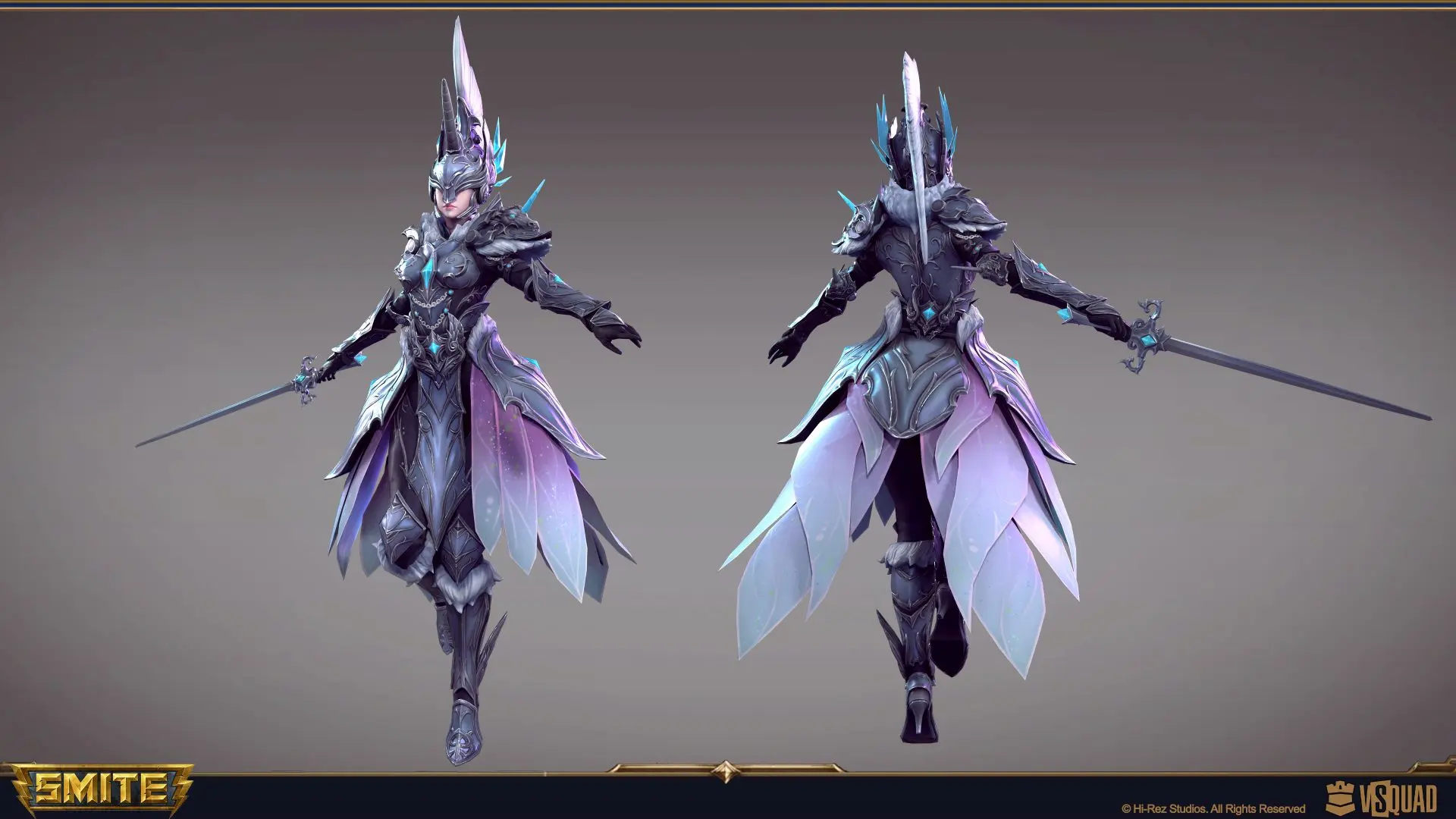
Believable anatomy, materials, clothing, and surface detail built for real-time production.
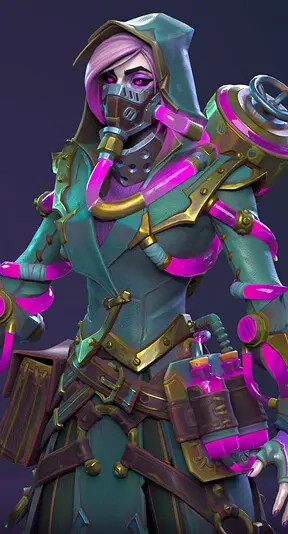
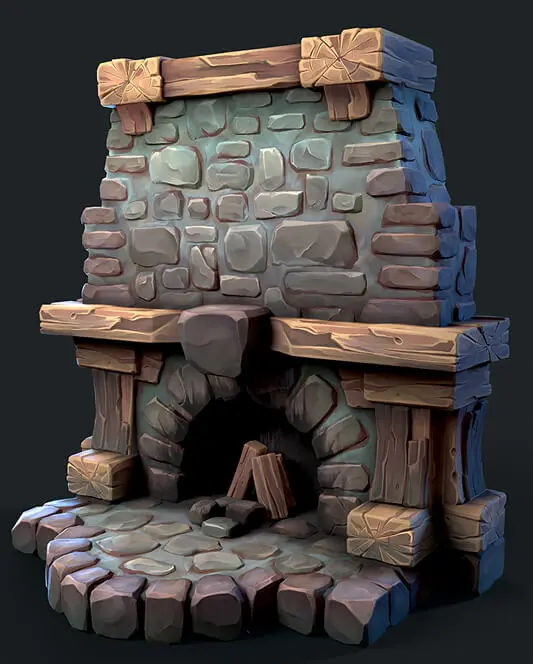
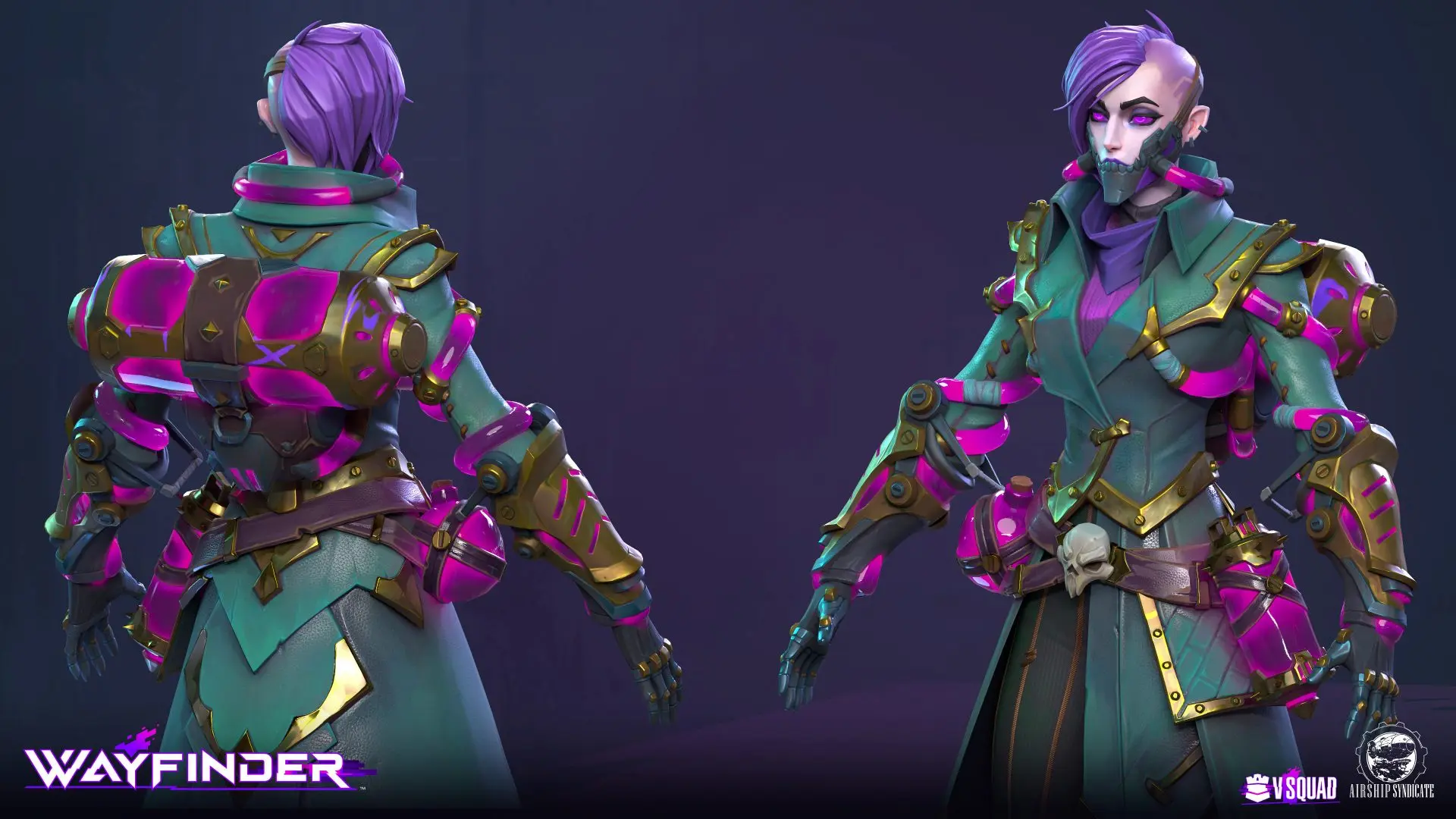
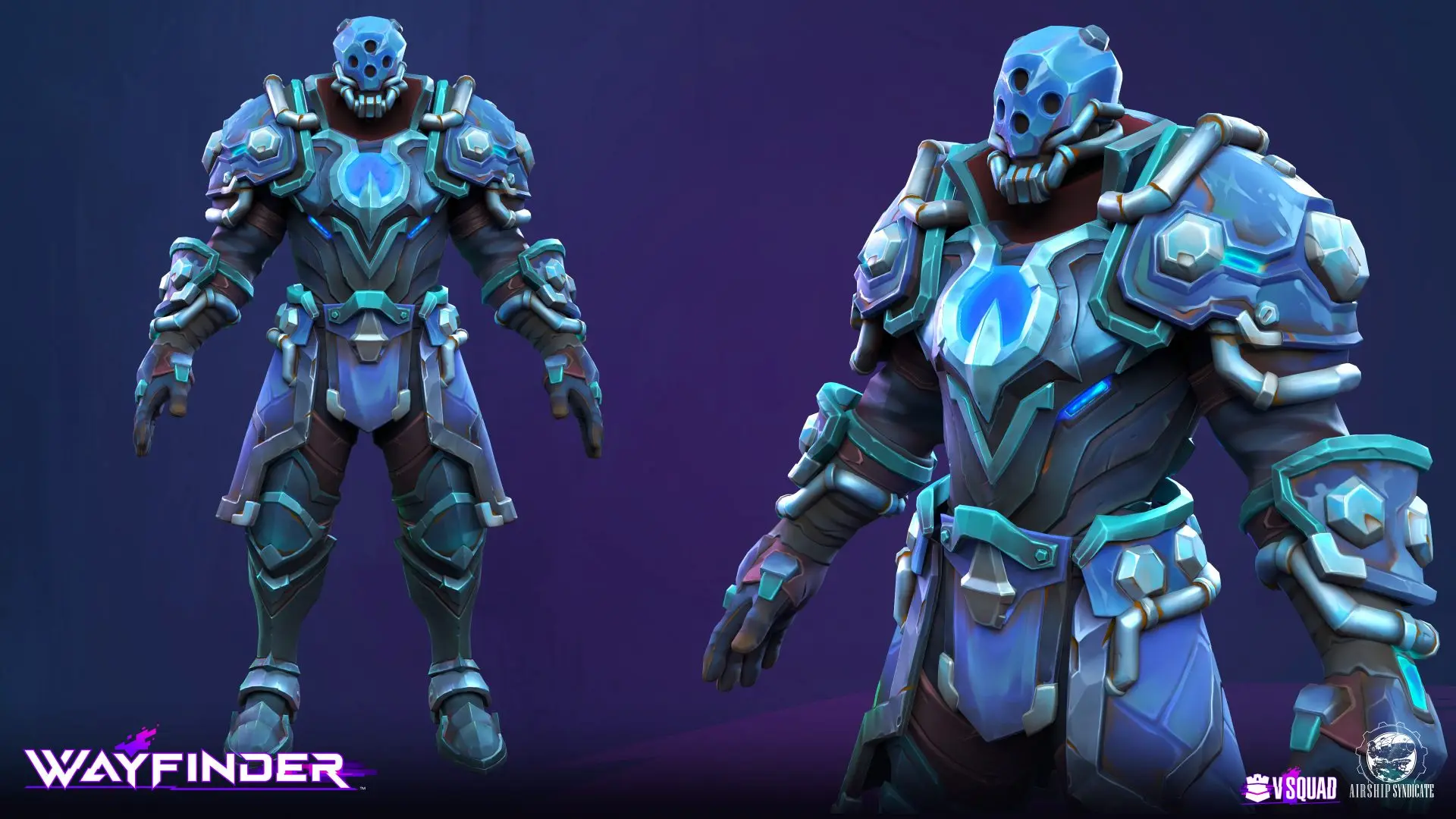
Clear silhouettes, controlled exaggeration, and consistent shape language matched to your game.
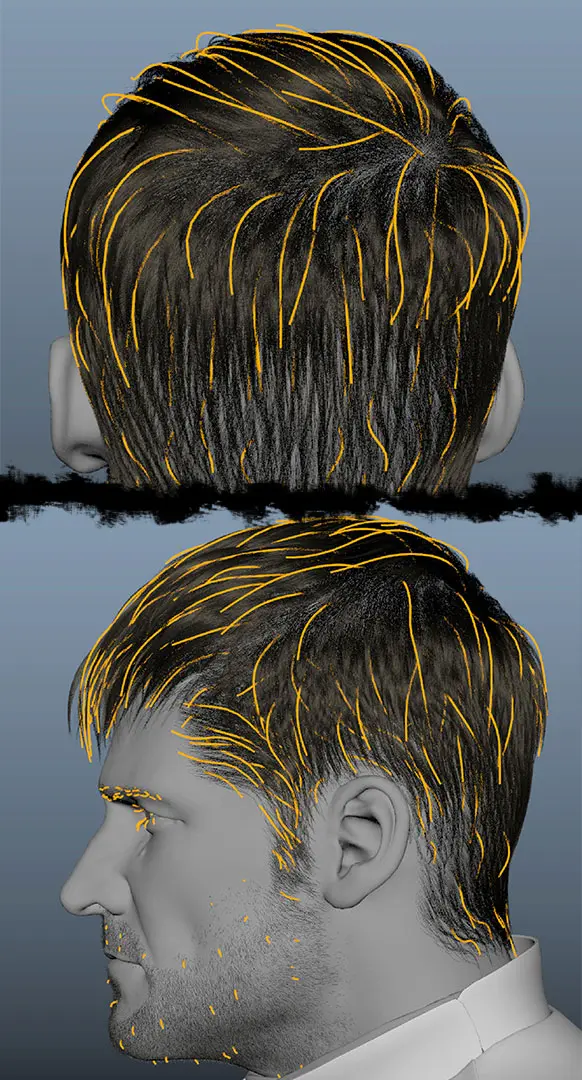
Hair cards, grooming, facial hair, and creature fur designed for style, motion, and performance.
YOUR 3D CHARACTER TEAM
Creative direction, production management, and hands-on 3D leadership for character work that must stay visually consistent and technically usable.
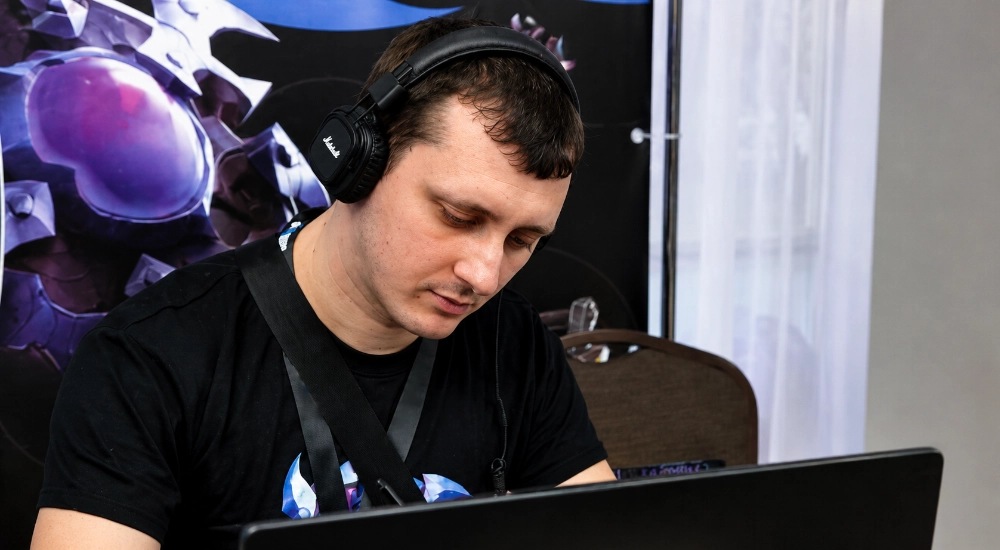
Volodymyr Liubchuk
Creative Director | External Game Art Production
Creative director with 10+ shipped projects across Wayfinder, Ruined King, Darksiders Genesis, Battle Chasers, SMITE, Allods Online, and other game productions.
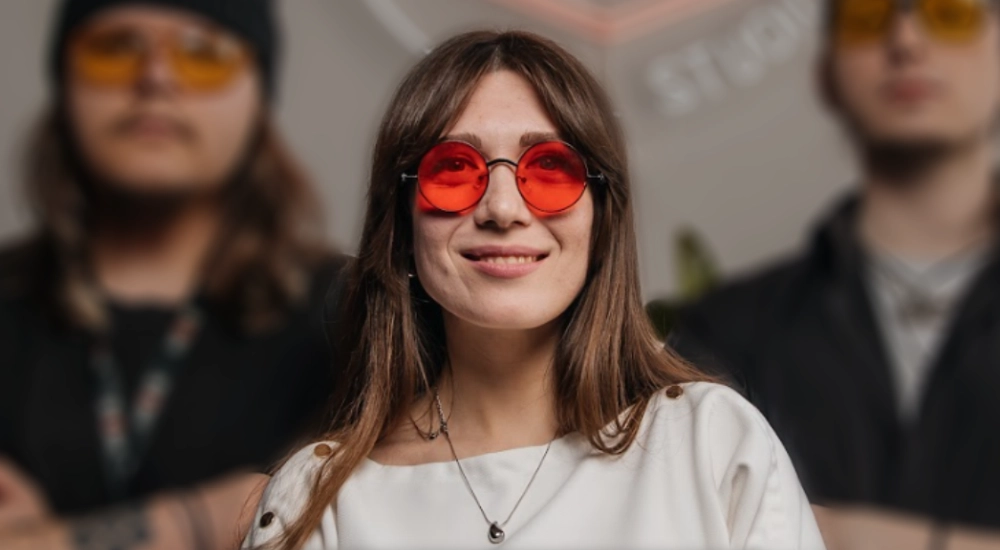
Hanna Nor
Lead Production Manager
Manages full-cycle production across art, animation, development support, partners, feedback, budgets, deadlines, and final delivery.
Vitalii Koziuk
Lead 3D Artist | Production Lead
Leads 3D production across Wayfinder, Darksiders Genesis, Ruined King, SMITE, Battle Chasers, and other VSQUAD game projects.
Why Game Studios Choose VSQUAD
A 3D character studio that can begin with one defined asset and scale into a managed production team when the workload grows.
Scope and Budget Control
We put the budget into the parts of the character that affect quality, production, and gameplay.
Character cost is shaped by more than visual detail. Concept maturity, anatomy, clothing, accessories, hair, texture resolution, facial requirements, topology, rig compatibility, LODs, and review depth all affect the scope. We identify the requirements that matter for the character's real use, then choose a production method that avoids paying for complexity the project does not need.
Feedback That Fits Production
We handle feedback at the stage where it appears and assess its impact on the remaining pipeline.
Silhouette, anatomy, materials, costume, topology, or technical requirements can change after a review or engine test. We do not treat a previous approval as a reason to ignore a real problem. We identify which downstream stages are affected, clarify the cost of the change, and revise the right source rather than hiding the issue inside later cleanup.
The Right Specialists
The team is built around the character's style, pipeline, technical needs, and approved scope.
Some characters depend on advanced anatomy and sculpting. Others require strong stylization, hand-painted textures, technical hair, facial preparation, or strict mobile optimization. We assign specialists around those needs and keep the work under lead review. This is more practical than putting the most senior person on every task or expecting one generalist to solve every production stage equally well.
Studio Continuity
Production does not depend on one person's availability, files, or undocumented decisions.
Character work often spans several disciplines and review rounds. VSQUAD provides production coordination, lead oversight, shared standards, and continuity around the asset. If the scope expands or a different specialist is needed, the work can continue inside the same production structure instead of restarting the brief and pipeline with a new independent contractor.
Game-Ready Experience
Characters are reviewed as game assets, not only as portfolio renders.
A character must survive the target camera, lighting, materials, animation, performance limits, and import process. We review silhouette, edge flow, deformations, UV use, baked maps, material response, hair, LOD requirements, scale, naming, and export conventions in relation to the final pipeline. Presentation quality matters, but it cannot replace a usable production asset.
Flexible Production Scale
One hero, a set of variants, or an ongoing roster can use the same review standards.
Some teams need one character or one production stage. Others need several characters, outfits, skins, creatures, or recurring content support. We can begin with a contained first asset, establish the style and technical benchmark, then scale the team only when the approved workload justifies it. This keeps early risk controlled and gives larger productions a repeatable foundation.
3D Character Outsourcing for Game Production
Outsourcing 3D character production can cover a complete asset or one specific gap in an internal pipeline. A studio may need concept-to-engine delivery for a new hero, high-poly sculpting for an approved design, low-poly production for an existing sculpt, texture support for a character roster, or additional capacity for skins and live content. The useful starting point is not the vendor label; it is a precise definition of ownership, inputs, approvals, and deliverables.
OUR PROCESS FOR 3D CHARACTER ART
Early decisions around proportions, topology, skeletons, materials, and reusable character systems can prevent expensive changes after the asset reaches rigging or engine integration.
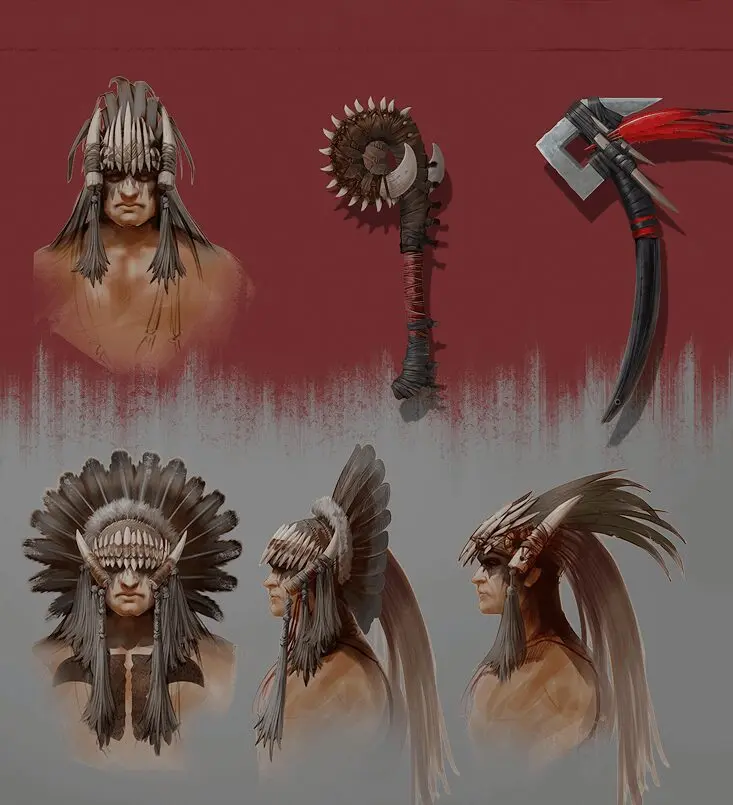
01. Character Brief & Concept Review
We review the character’s role, concept, references, style, camera use, target platform, engine, animation needs, and expected deliverables.
If the design is still open, we identify the decisions that must be resolved before modeling: silhouette, proportions, clothing construction, accessories, material groups, facial requirements, and the level of uniqueness the character needs.
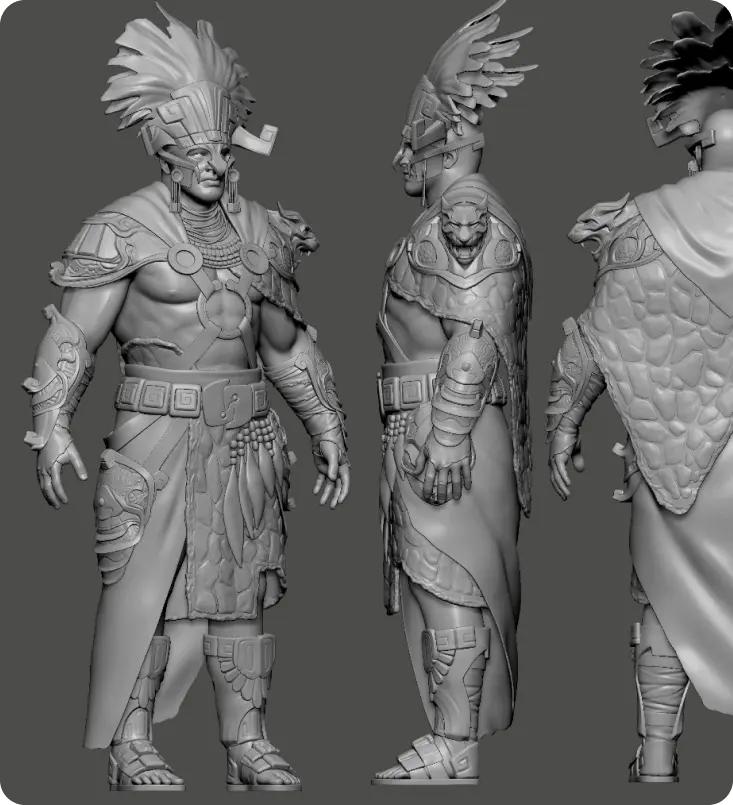
02. Blockout & High-Poly Sculpt
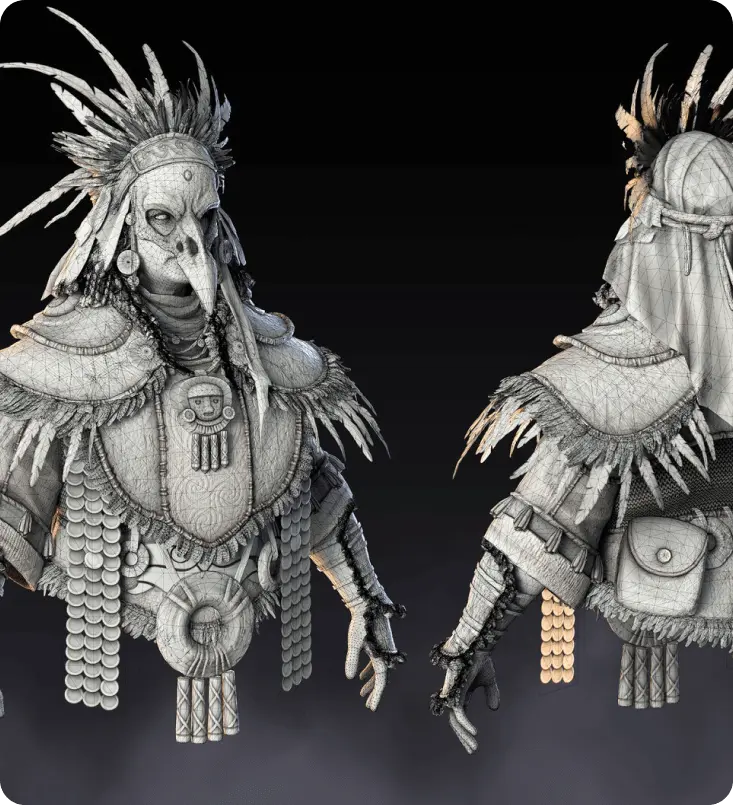
The blockout establishes proportions, silhouette, scale, and major shapes before detailed work begins. This is the efficient stage for correcting anatomy, costume volume, and the relationship between body, clothing, armor, and equipment.
After approval, the high-poly sculpt develops anatomy, construction, folds, surface detail, and the forms that will later be transferred through baking and texturing.
03. Game-Ready Modeling & Retopology
We create the production mesh around the target platform, camera, deformation needs, and agreed geometry budget.
Topology is planned for silhouette, clean shading, animation, facial movement where required, and efficient density. Clothing, accessories, and hard-surface elements are organized so the receiving team can work with the asset without reconstructing it.
04. UVs, Baking & Technical Preparation
UV layouts are organized around texture density, material sets, symmetry decisions, reusable areas, and the needs of the target shader pipeline.
We bake the required maps and check projection quality, normals, seams, hard edges, scale, naming, and file organization before the asset moves into final texturing.
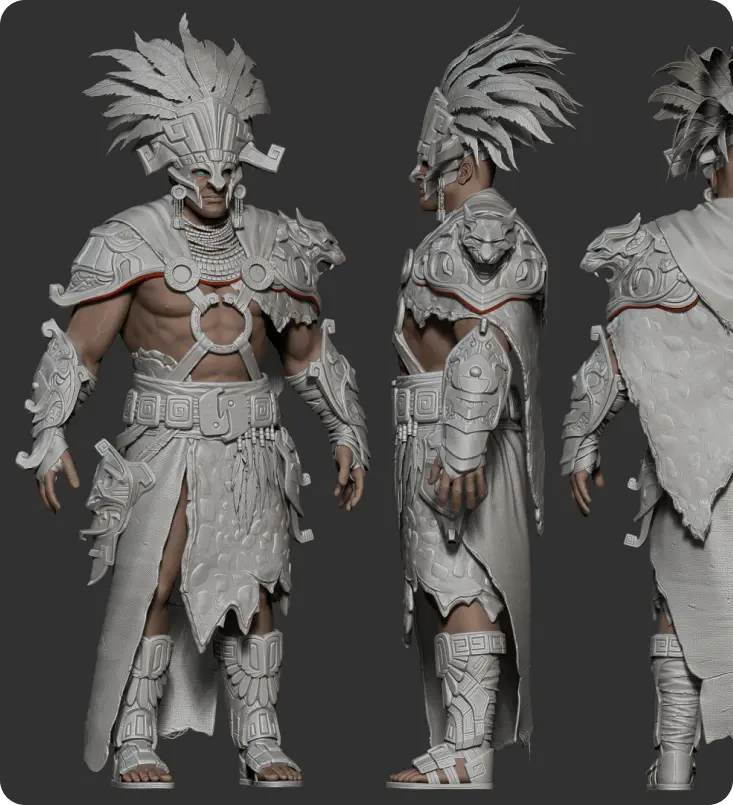
05. Textures, Materials, Hair & Fur
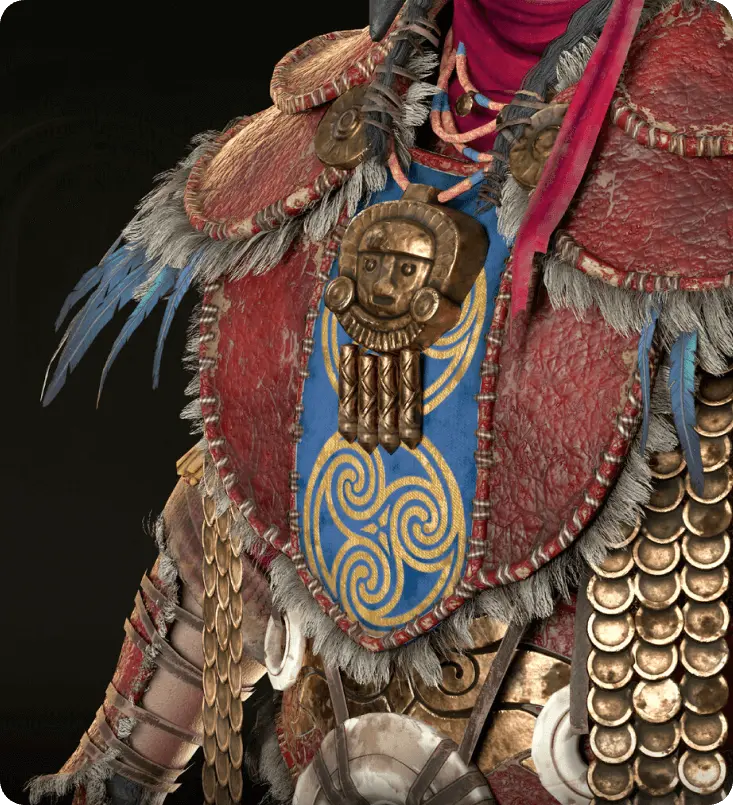
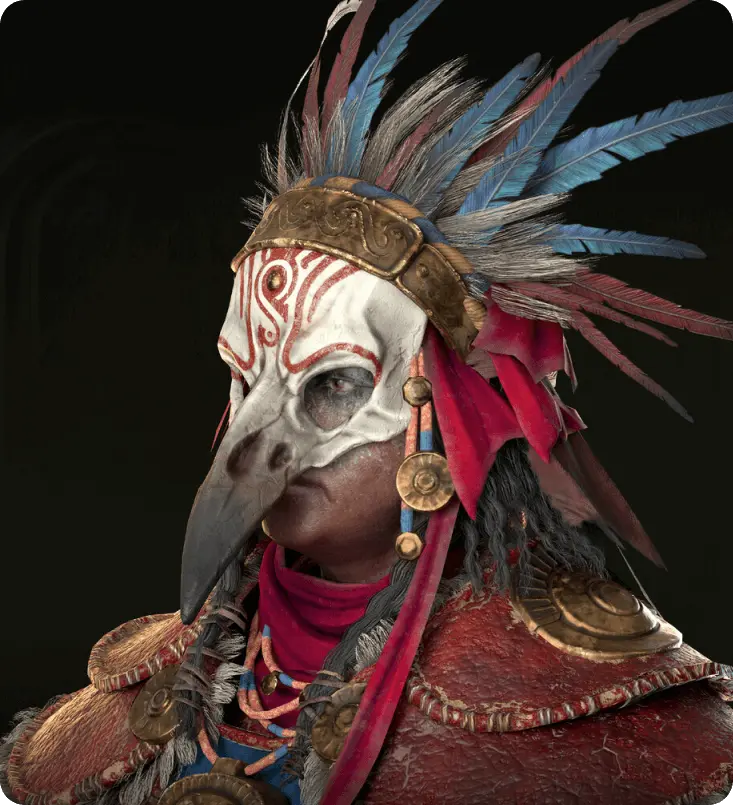
Textures and materials are developed in the project’s visual language, using PBR, hand-painted, stylized, or hybrid workflows as required.
Skin, fabric, armor, accessories, hair, and fur are reviewed together under representative lighting. Material response, texture resolution, card density, transparency, and shader cost are adjusted to the target platform and camera.
06. Validation, Optimization & Delivery
The completed character is reviewed against the approved concept and technical specification. We check silhouette, materials, topology, deformations where available, texture use, scale, orientation, LOD requirements, and the agreed engine or viewer setup.
Final source and export files are organized according to the delivery scope, with issues resolved before the asset moves into rigging, animation, implementation, or final production use.
OUR PROCESS FOR 3D CHARACTER ART
Early decisions around proportions, topology, skeletons, materials, and reusable character systems can prevent expensive changes after the asset reaches rigging or engine integration.
01. Character Brief & Concept Review
We review the character’s role, concept, references, style, camera use, target platform, engine, animation needs, and expected deliverables.
If the design is still open, we identify the decisions that must be resolved before modeling: silhouette, proportions, clothing construction, accessories, material groups, facial requirements, and the level of uniqueness the character needs.
02. Blockout & High-Poly Sculpt
The blockout establishes proportions, silhouette, scale, and major shapes before detailed work begins. This is the efficient stage for correcting anatomy, costume volume, and the relationship between body, clothing, armor, and equipment.
After approval, the high-poly sculpt develops anatomy, construction, folds, surface detail, and the forms that will later be transferred through baking and texturing.
03. Game-Ready Modeling & Retopology
We create the production mesh around the target platform, camera, deformation needs, and agreed geometry budget.
Topology is planned for silhouette, clean shading, animation, facial movement where required, and efficient density. Clothing, accessories, and hard-surface elements are organized so the receiving team can work with the asset without reconstructing it.
04. UVs, Baking & Technical Preparation
UV layouts are organized around texture density, material sets, symmetry decisions, reusable areas, and the needs of the target shader pipeline.
We bake the required maps and check projection quality, normals, seams, hard edges, scale, naming, and file organization before the asset moves into final texturing.
05. Textures, Materials, Hair & Fur
Textures and materials are developed in the project’s visual language, using PBR, hand-painted, stylized, or hybrid workflows as required.
Skin, fabric, armor, accessories, hair, and fur are reviewed together under representative lighting. Material response, texture resolution, card density, transparency, and shader cost are adjusted to the target platform and camera.
06. Validation, Optimization & Delivery
The completed character is reviewed against the approved concept and technical specification. We check silhouette, materials, topology, deformations where available, texture use, scale, orientation, LOD requirements, and the agreed engine or viewer setup.
Final source and export files are organized according to the delivery scope, with issues resolved before the asset moves into rigging, animation, implementation, or final production use.
Our clients
Trusted by leading game studios worldwide.


OTHER ART SERVICES
GET IN TOUCH
Got a project in mind? We usually reply within a day.

You can also reach us directly:
-
Our email:
 head@vsquad.art
-
Art Director:
Volodymyr Liubchuk
-
Assistant Producer:
Violetta Popova
-
Job opportunities:
Join our team


FAQ
Questions about 3D character production, budget, rigging, or how we work?
The key answers are below. If your case is different, just reach out.