

3D environment design services
Scalable 3D environments, modular kits, materials, props, and engine-ready locations for mobile, PC, and console production.
3D Game Environment Design Services
VSQUAD creates indoor and outdoor environments for games and real-time projects, from focused hero locations to reusable asset systems for larger worlds. Our 3D environment art services can begin with a concept, greybox, reference board, level-design plan, or an existing location that needs additional production support.
Our 3D environment services are planned around gameplay, camera distance, art direction, engine requirements, target hardware, and the amount of content the team needs to build. Modeling, materials, lighting, set dressing, and optimization are treated as parts of one environment pipeline rather than isolated visual tasks.

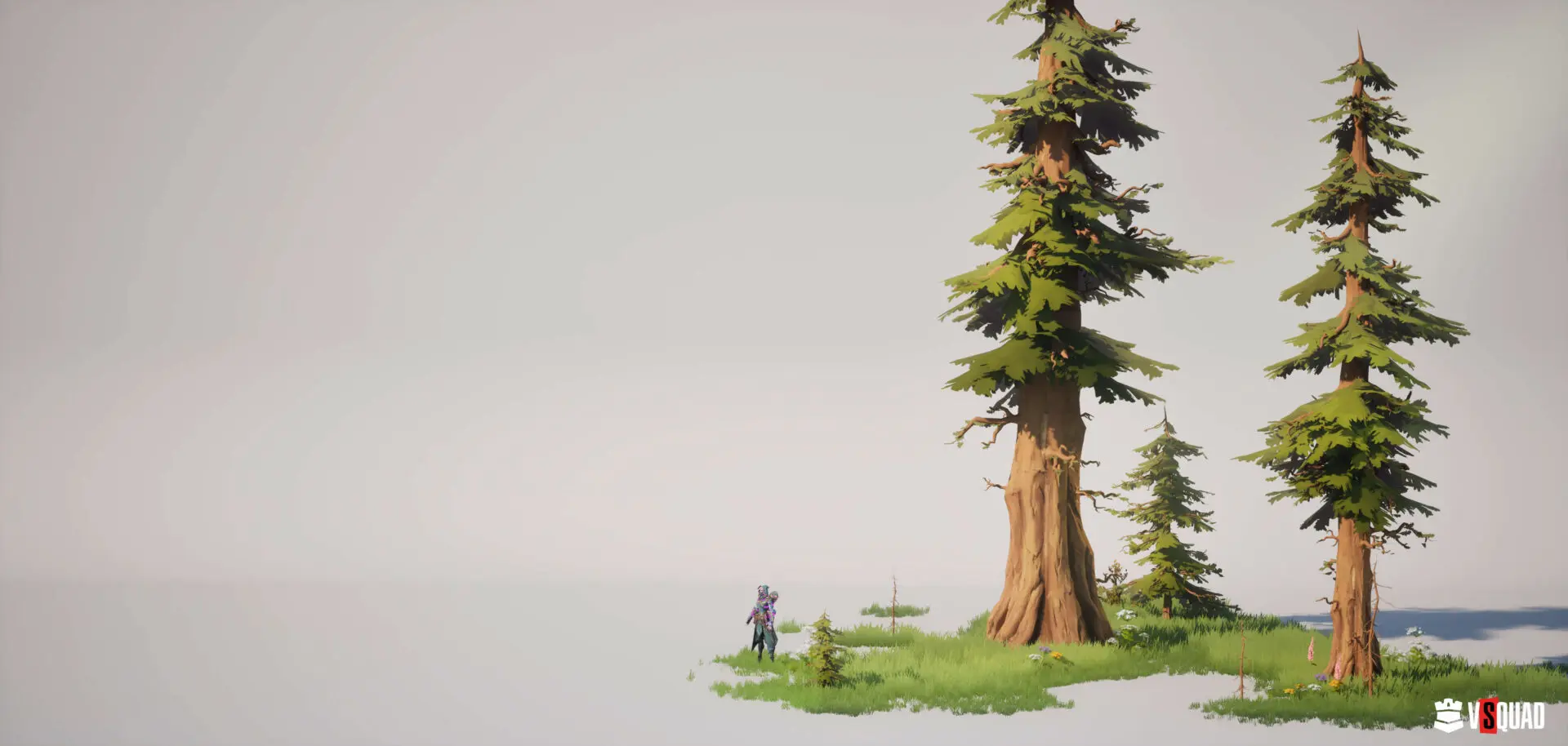
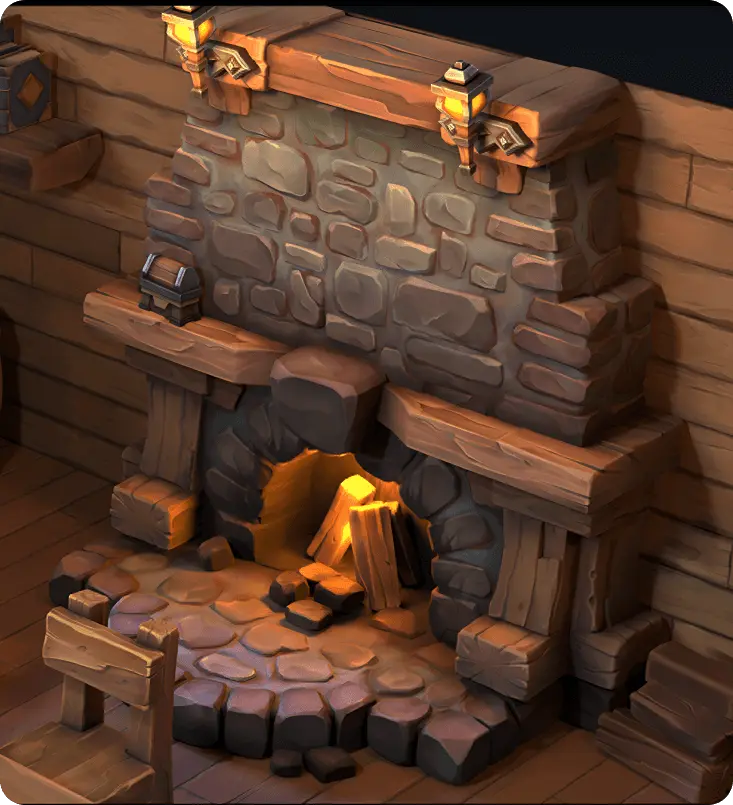
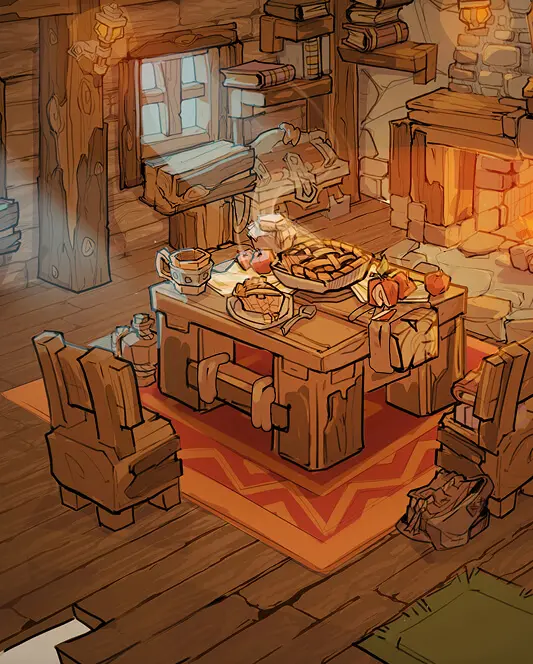
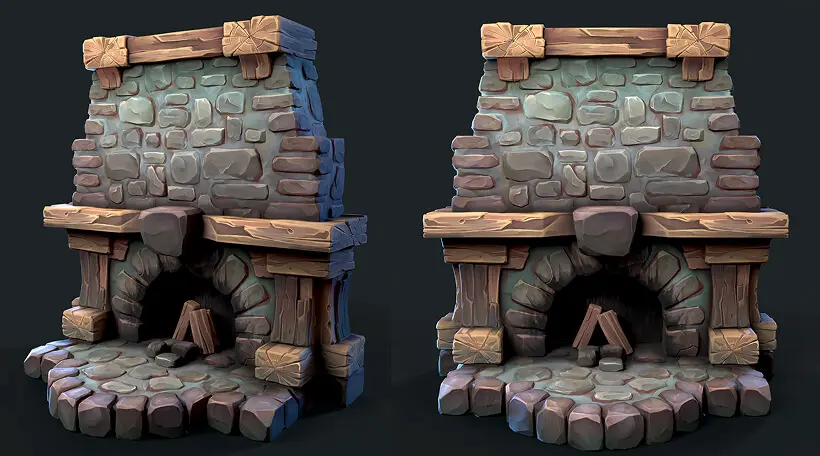
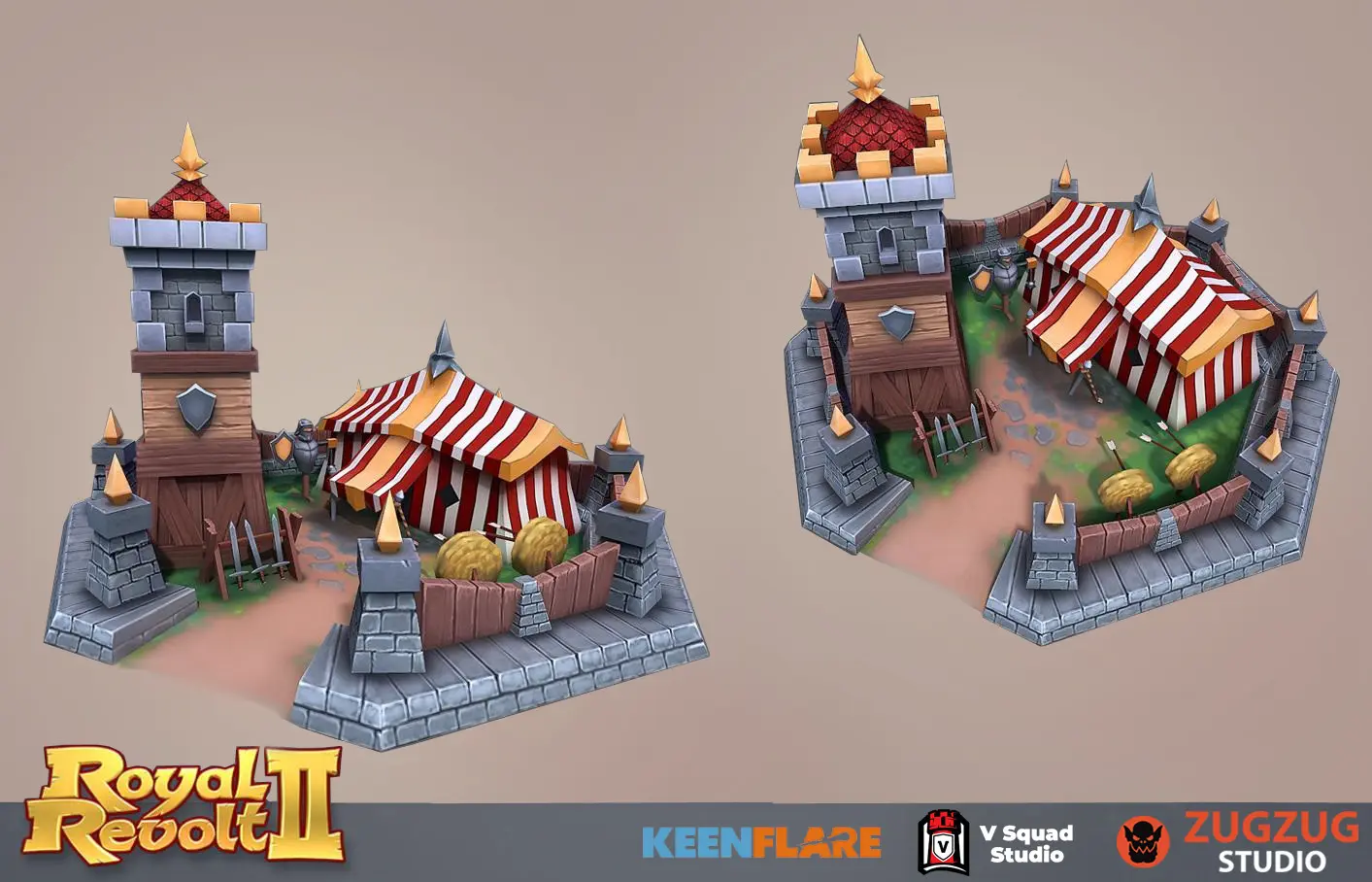
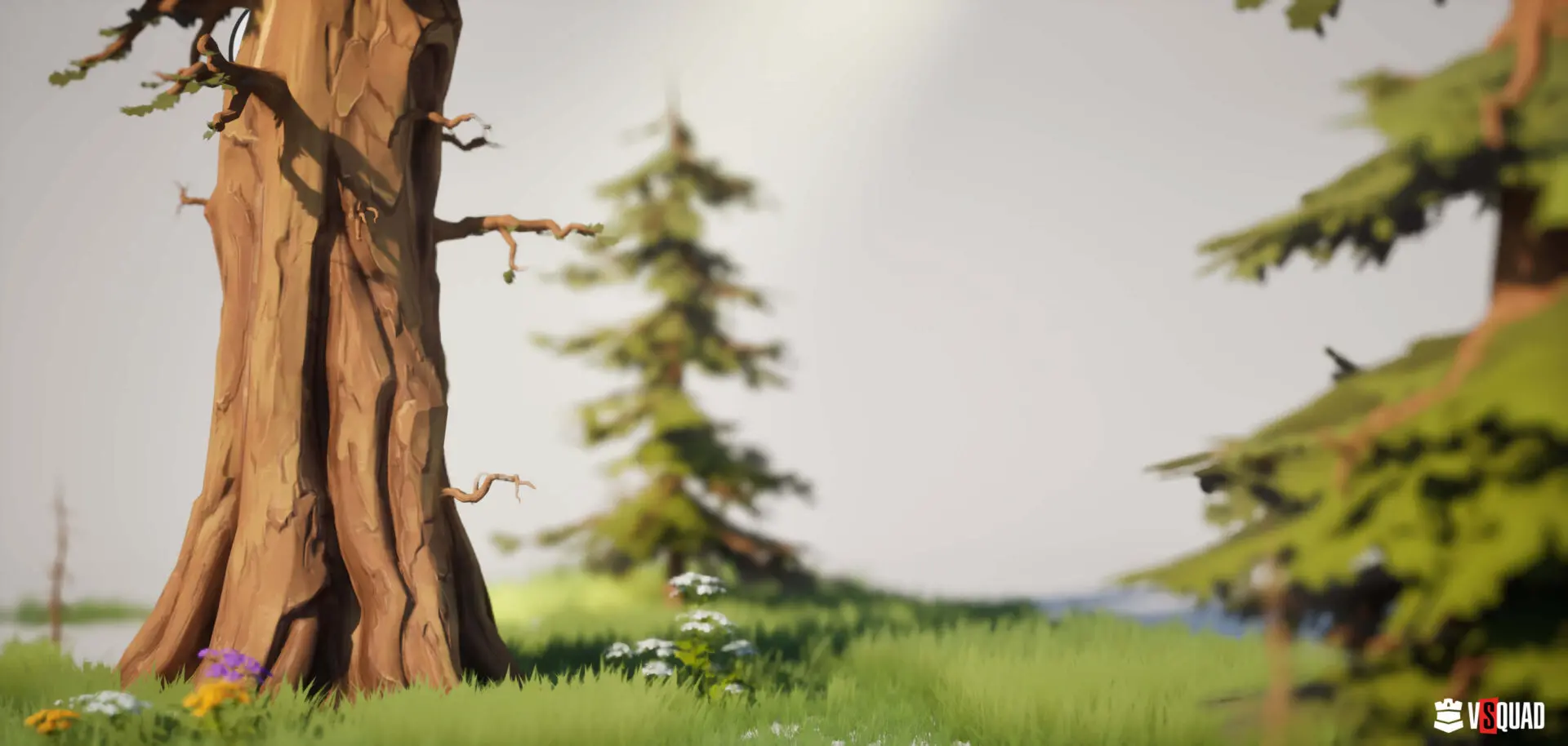
Stylized 3D Environment

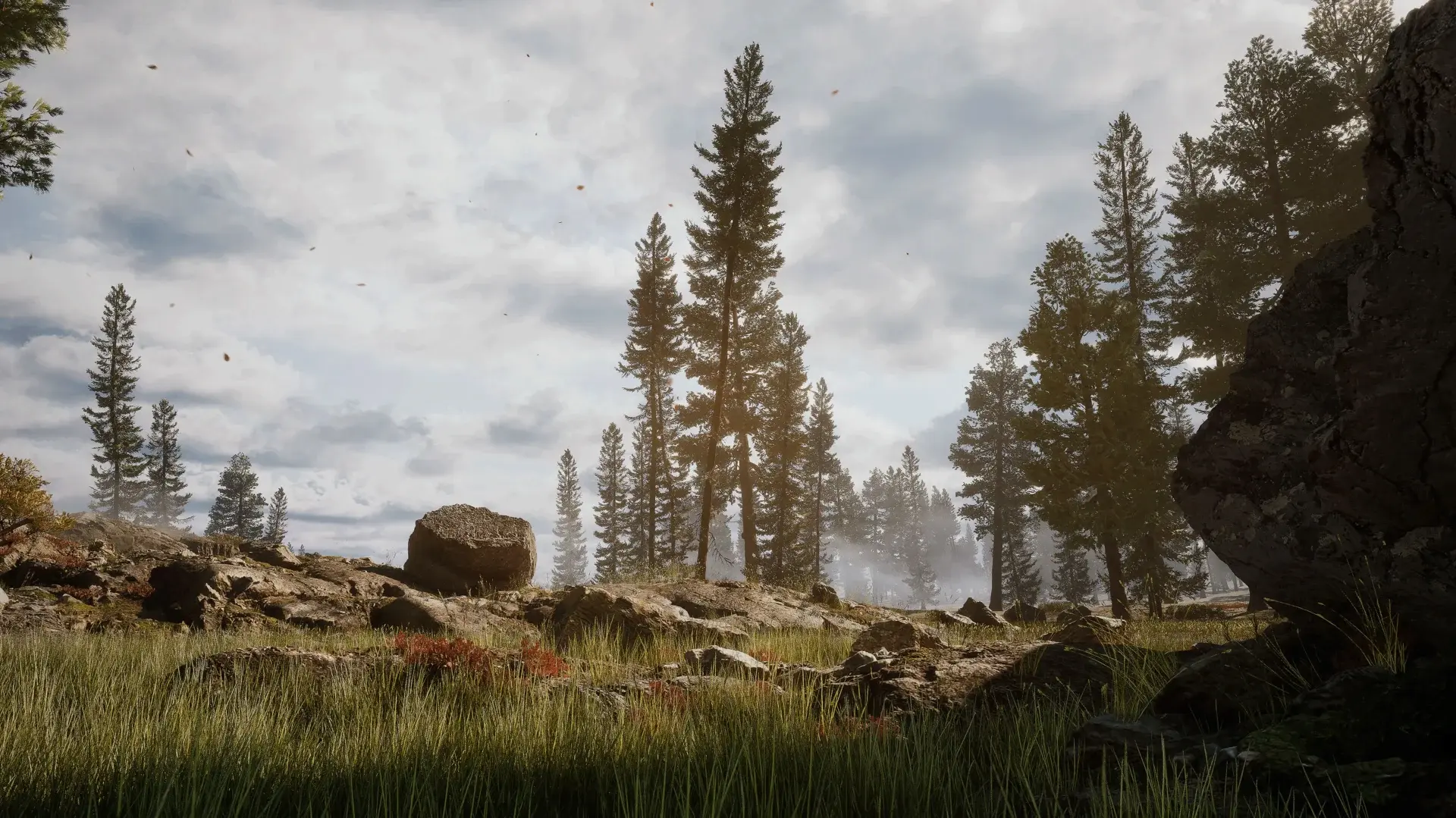
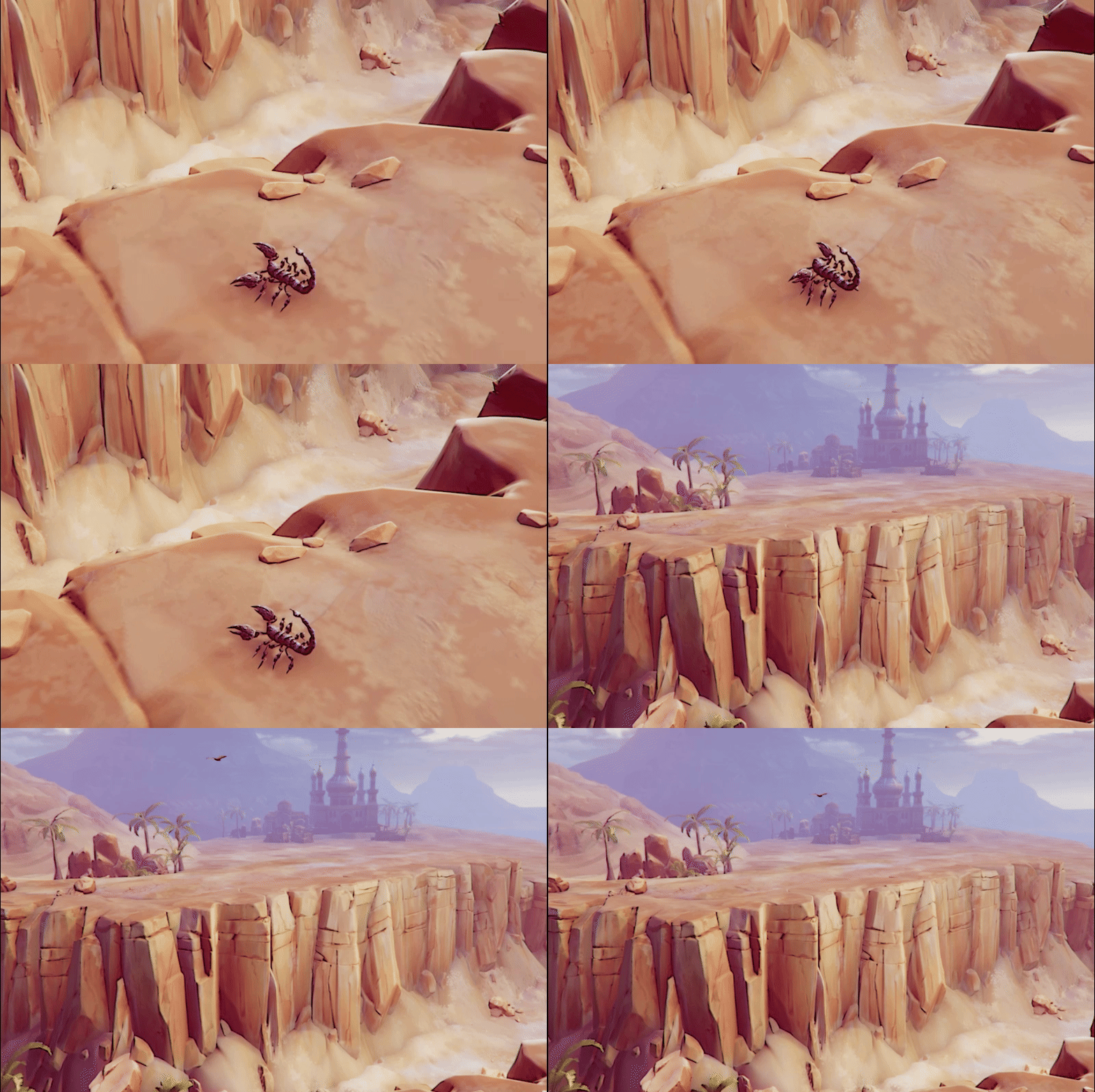
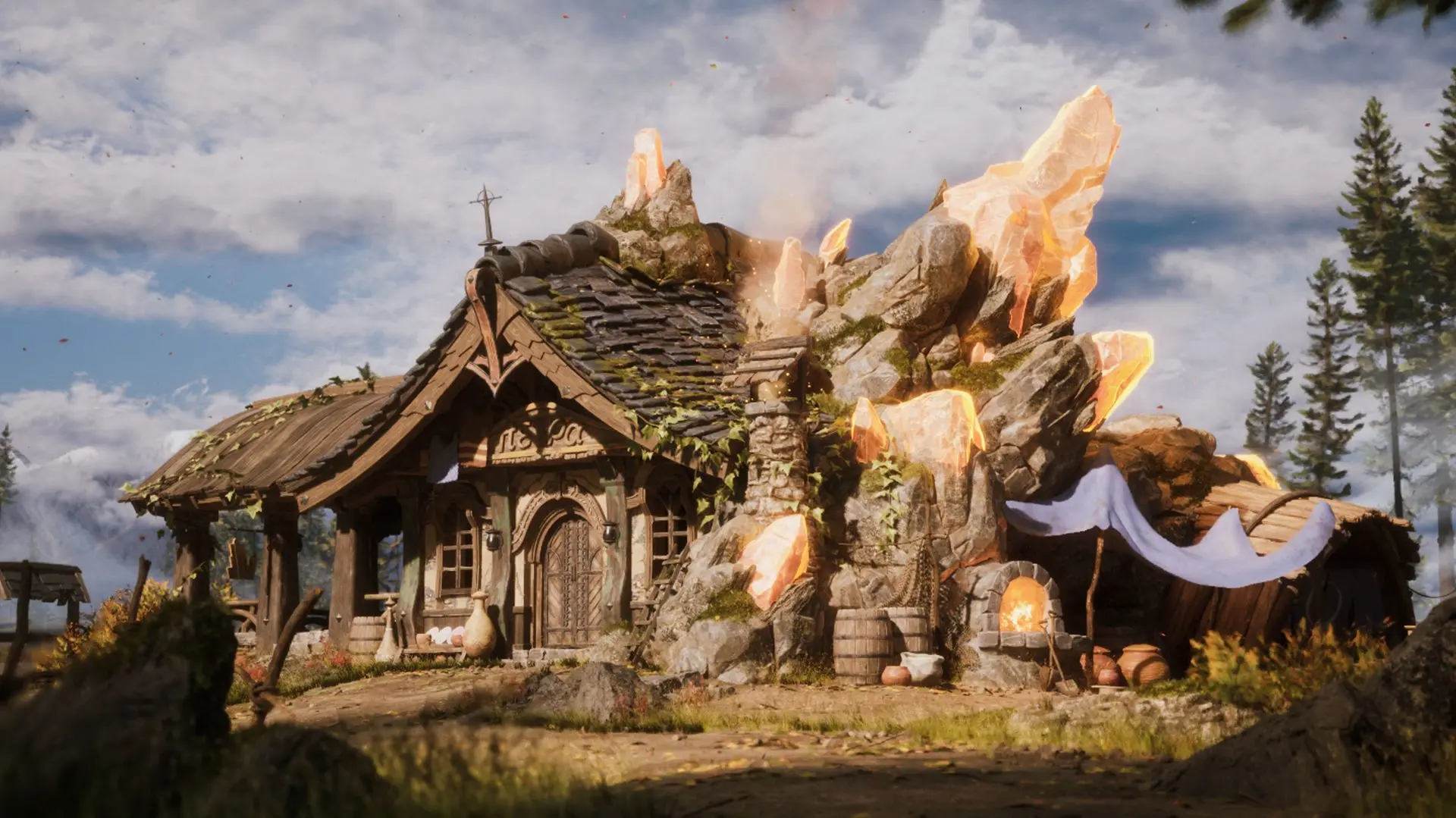
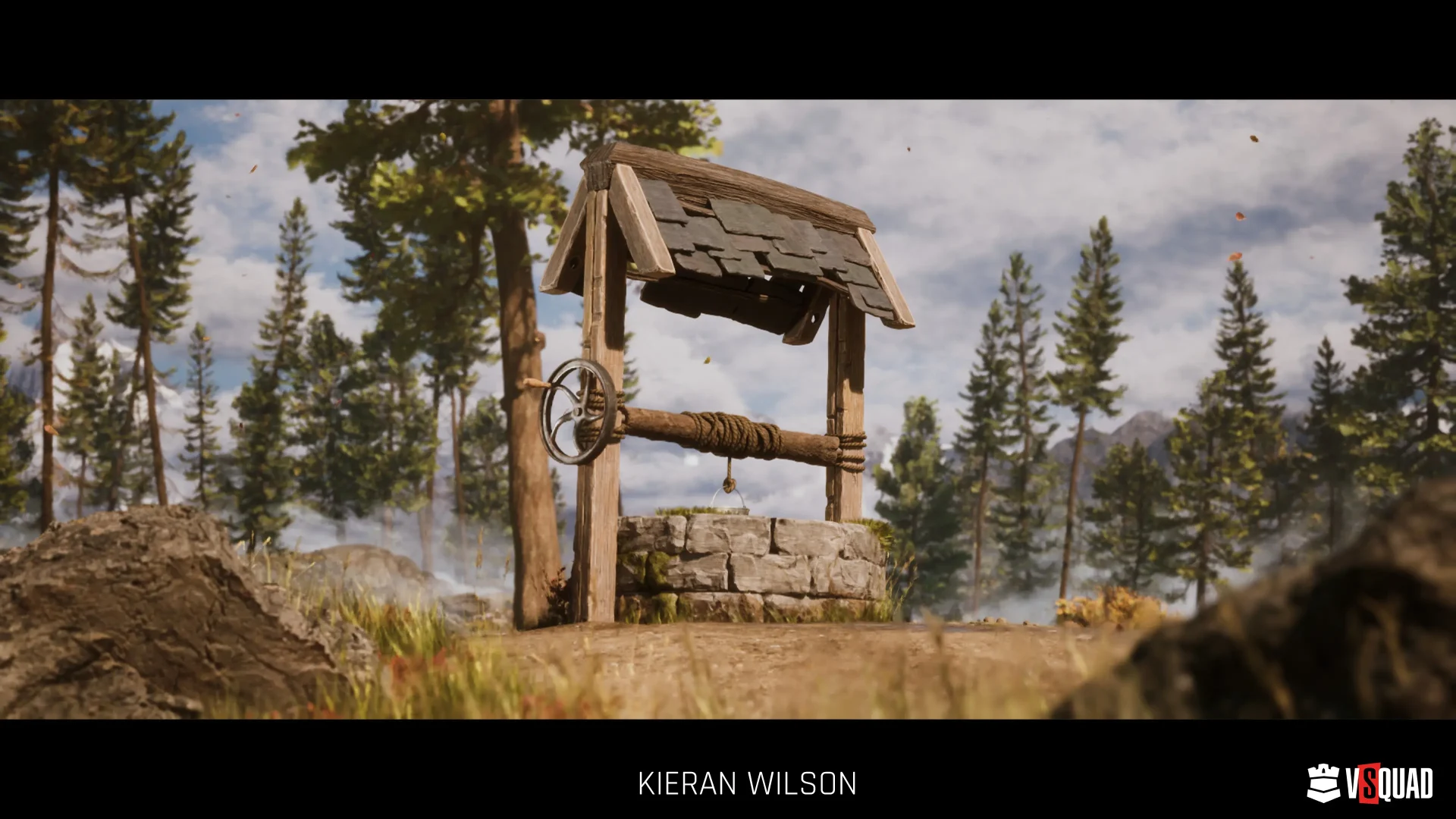
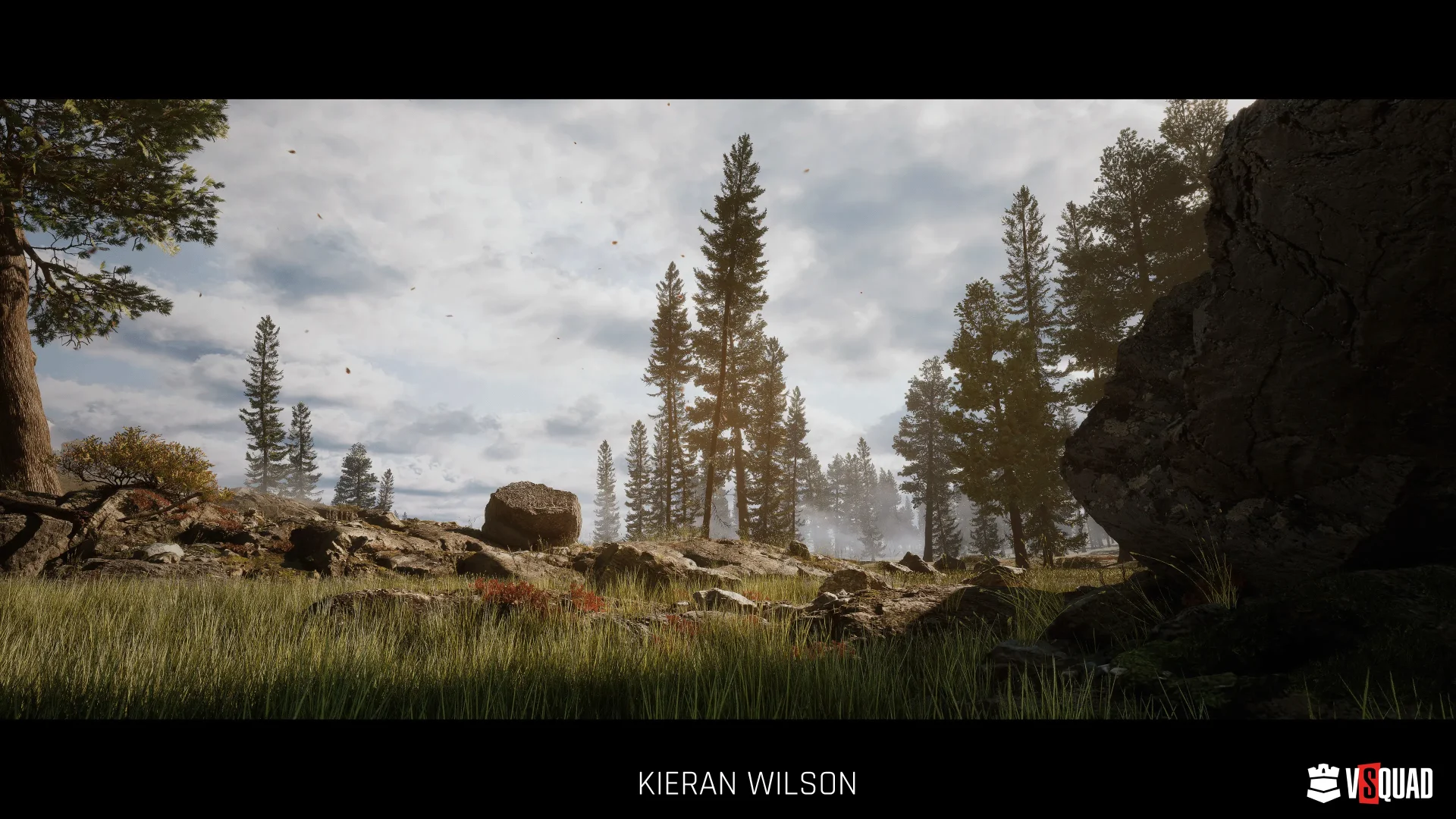
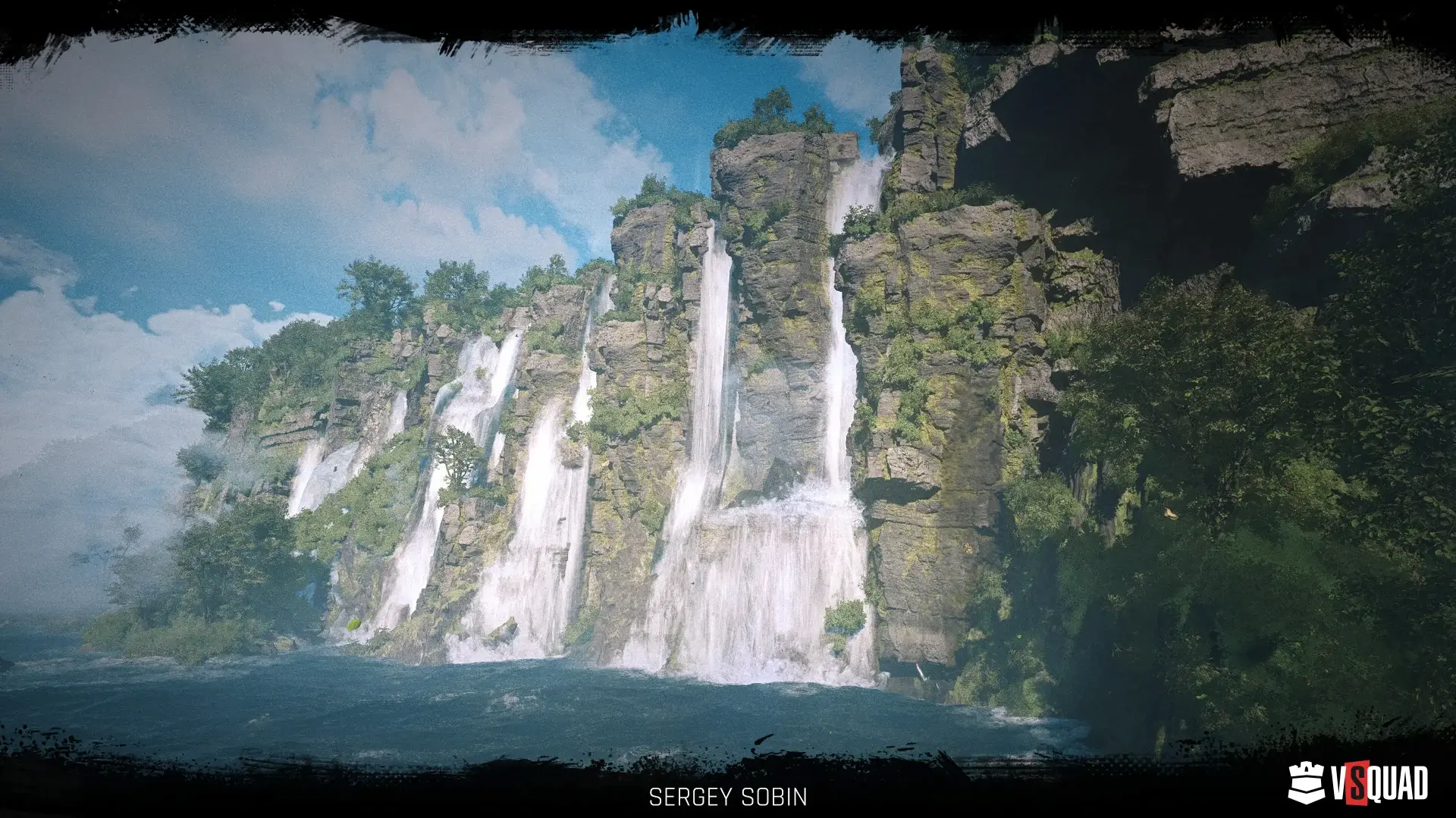
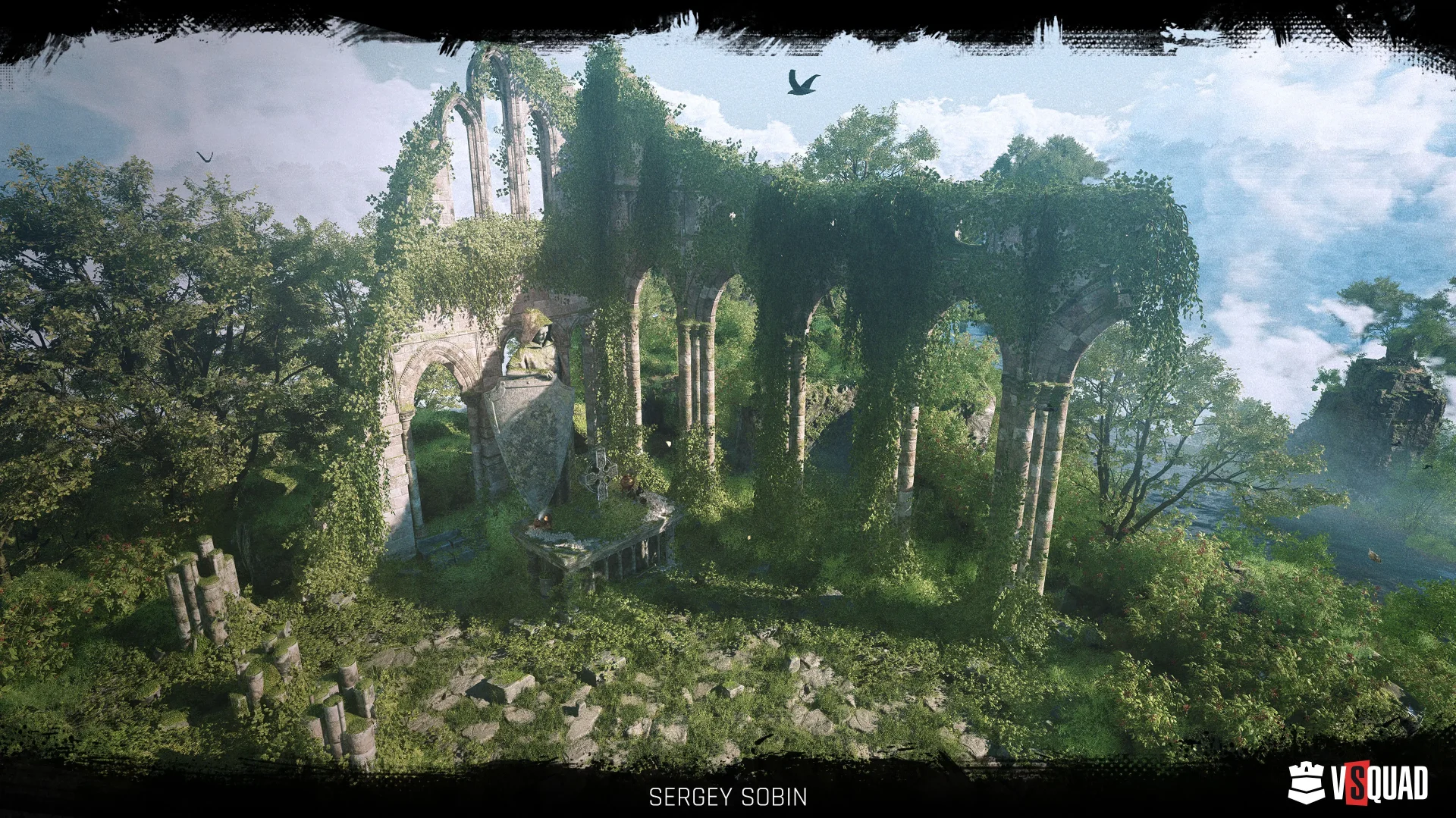
Realistic 3D Environments
Distinctive worlds built with clear shapes, controlled detail, and reusable environment systems.
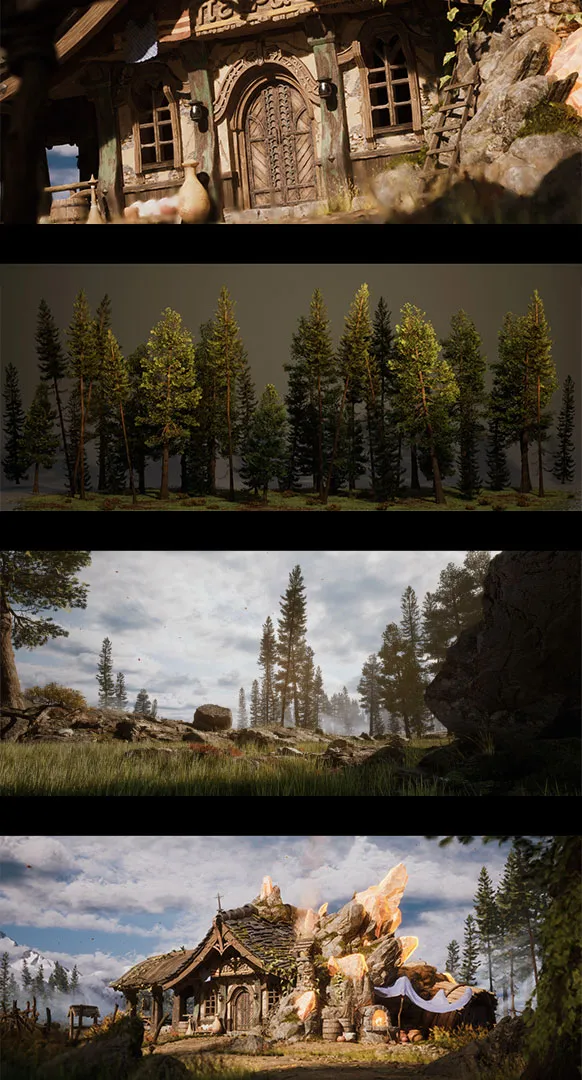
Believable locations shaped by reference, material accuracy, scale, lighting, and performance targets.
YOUR 3D ART PRODUCTION TEAM
You do not need the most senior person by default. You need the right specialist at the right stage, within the project’s budget.
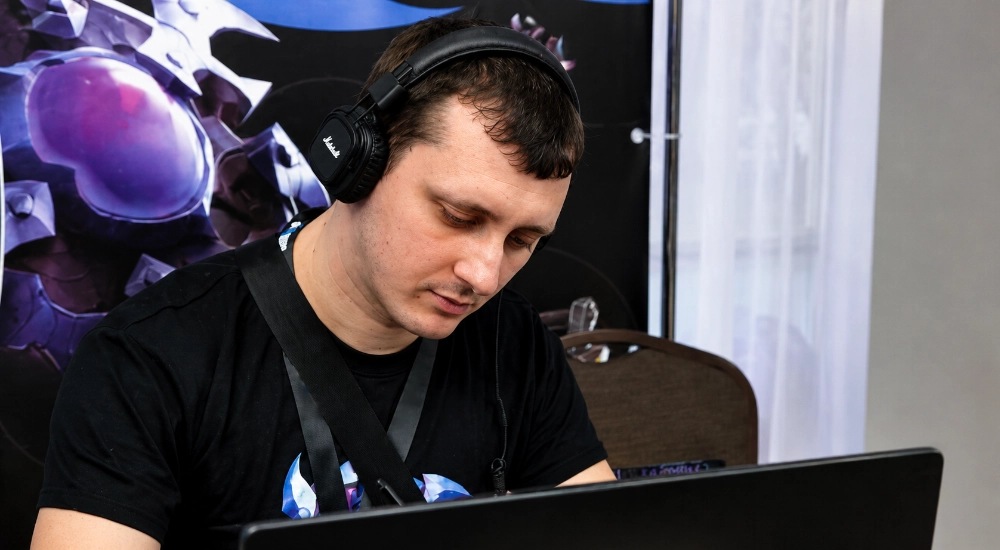
Volodymyr Liubchuk
Creative Director | External Game Art Production
Creative director with 10+ shipped projects across Wayfinder, Ruined King, Darksiders Genesis, Battle Chasers, SMITE, Allods Online, and other game productions.

Hanna Nor
Lead Production Manager
Manages full-cycle production across art, animation, development support, partners, feedback, budgets, deadlines, and final delivery.
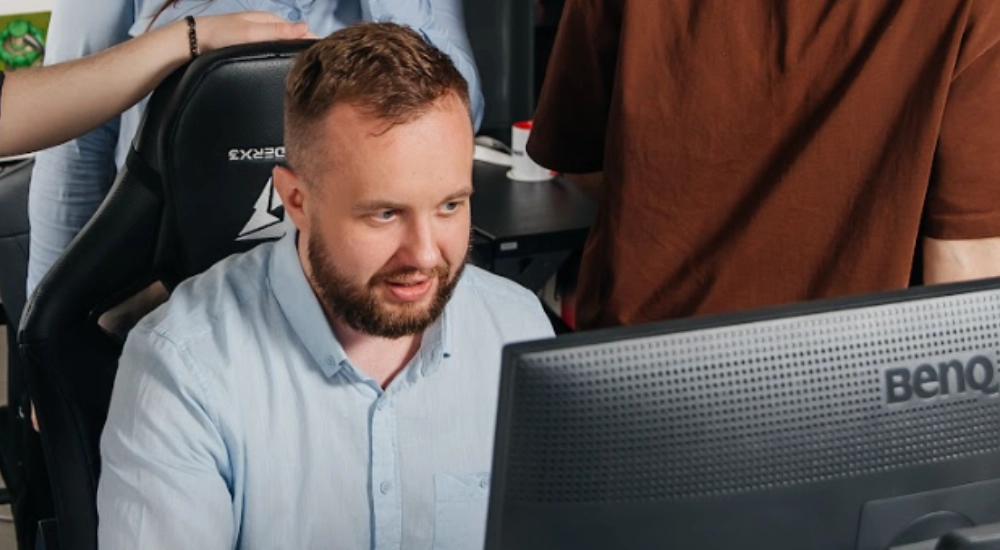
Vitalii Koziuk
Lead 3D Artist | Production Lead
Leads 3D production across Wayfinder, Darksiders Genesis, Ruined King, SMITE, Battle Chasers, and other VSQUAD game projects.
WHY STUDIOS WORK WITH VSQUAD
These are the things that matter when environment art has to work inside real production:
BUDGET CONTROL
The team and workflow are selected around the location, not the most expensive setup by default.
Some environments need senior direction, a technical artist, and a carefully planned modular system. Others need reliable production capacity inside an already defined pipeline. We separate those needs before staffing the work, so the budget goes toward decisions and assets that materially affect the location rather than placing the same level of seniority on every task.
FEEDBACK NEVER LATE
When gameplay or art direction changes, we assess the impact and make the next decision clear.
Composition, metrics, traversal, prop density, lighting, or material direction can change after an early review. We trace the effect of each change across modules, textures, collisions, and scene assembly before revising the work. This makes late feedback manageable and prevents a local edit from quietly breaking other parts of the environment system.
The Right Team
Environment artists, material specialists, technical artists, and leads are added when the scope requires them.
The correct production team depends on what already exists. A new world may need concept support and senior environment direction, while an established project may need artists who can follow its modular, material, and engine conventions. VSQUAD builds the team around those requirements and keeps one clear owner for quality and communication.
STUDIO, NOT A FREELANCER
Shared standards and production ownership keep the work moving beyond one individual contributor.
Environment scopes often expand from one location into modules, prop families, materials, set dressing, and technical follow-up. A studio structure provides shared context, lead review, and production continuity across that workload. It also makes it easier to add capacity without asking a new artist to rediscover the project’s rules from the beginning.
REAL PRODUCTION EXPERIENCE
Locations are reviewed for gameplay and engine use, not only for presentation quality.
A strong environment must hold up at the player camera, support traversal and sightlines, work with the level-design blockout, and remain within platform limits. We review scale, reuse, visual hierarchy, material consistency, collisions, LOD behavior, and implementation needs throughout production so the final work is usable in the game.
RIGHT SIZE
Start with one location or modular kit, then scale only when the next workload is clear.
VSQUAD can support a contained hero environment, an asset family, a conversion or optimization task, or ongoing world-art production. A representative first scope establishes the visual and technical benchmark. Once it is approved, the same standards can be applied to additional locations without forcing the project into a larger engagement too early.
3D Environment Design Outsourcing for Game Production
3D environment design outsourcing works best when the external team understands how the location will be built and used, not only how the final screenshot should look. Before production begins, both sides should align on the level-design blockout, scale and metrics, target platform, engine, camera, art direction, asset ownership, technical budgets, and the point at which the work returns to the internal team.
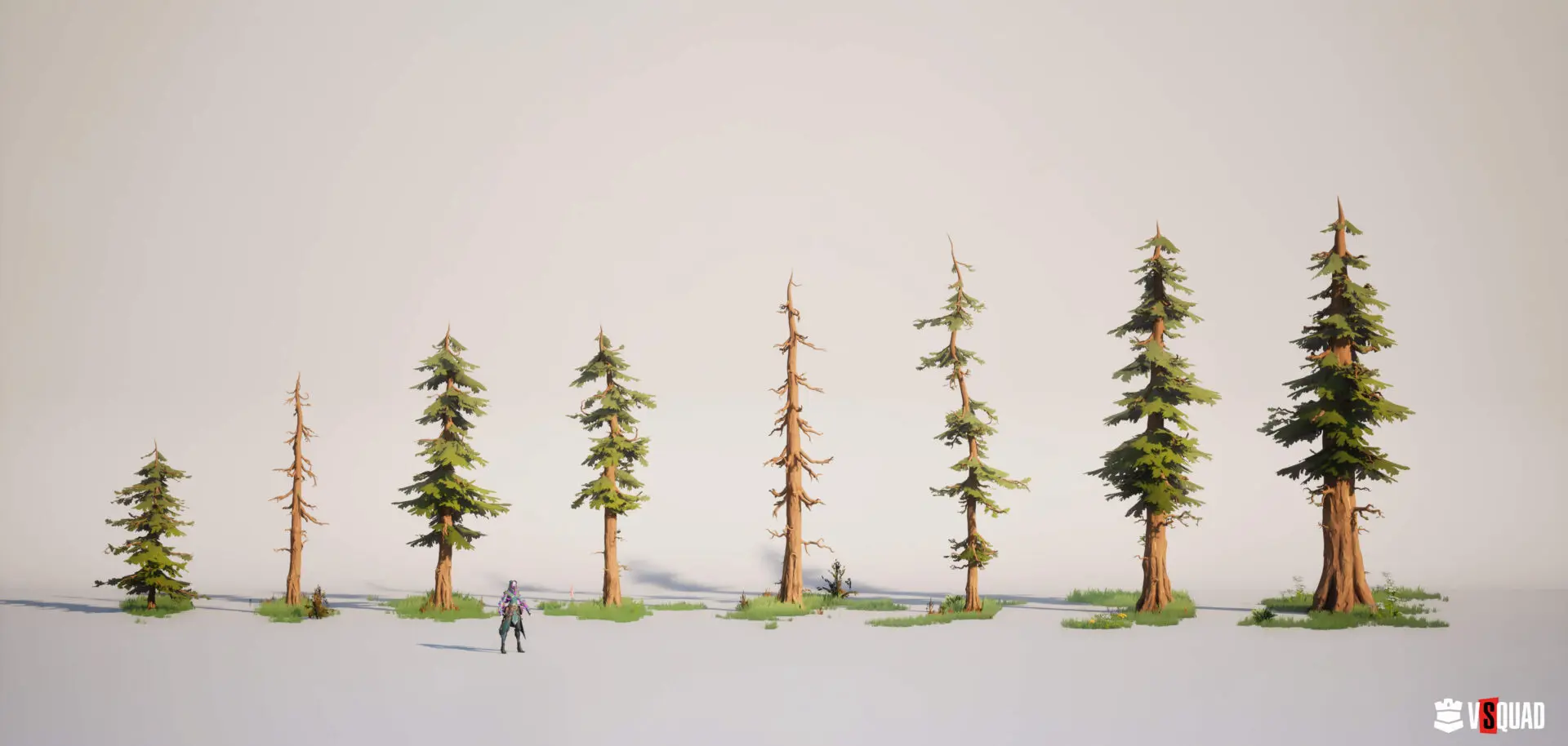
VSQUAD can take responsibility for a complete environment or support a specific part of an existing pipeline. The scope may include concept alignment, modular architecture, terrain, vegetation, props, materials, scene assembly, lighting support, optimization, or an additional production team working under the client’s established direction.
OUR PROCESS FOR 3D ENVIRONMENT ART
Early decisions around metrics, reuse, materials, and optimization can prevent expensive rebuilds across an entire level.
01. CONCEPT AND TASK
We review the location’s gameplay purpose, blockout, references, visual direction, camera, target platform, engine, and delivery requirements.
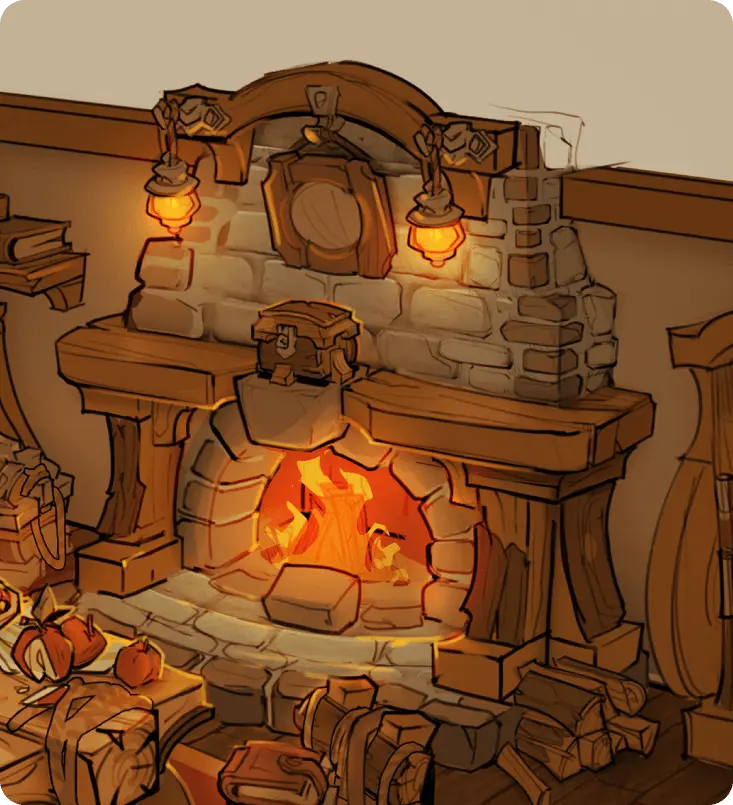
If the concept is still open, we identify the decisions that must be resolved before production: scale, composition, landmarks, traversal, asset families, mood, and the required balance between custom and reusable content.
02. RIGHT SETUP
We decide whether the environment should use a custom build, modular kit, reused prop library, tileable materials, trim sheets, decals, or a hybrid system.
For multiple locations, we also plan which architectural pieces, materials, vegetation, and prop families can be shared without making the world visibly repetitive.
03. RIGHT TEAM
The team is selected around the actual workload. Senior environment or technical direction is used where standards and difficult decisions must be established; production artists then build assets under those rules.
Before volume production, we align on scale, naming, topology, UVs, texel density, material slots, source files, review ownership, and acceptance criteria.
04. MODULARITY AND ENGINE SETUP
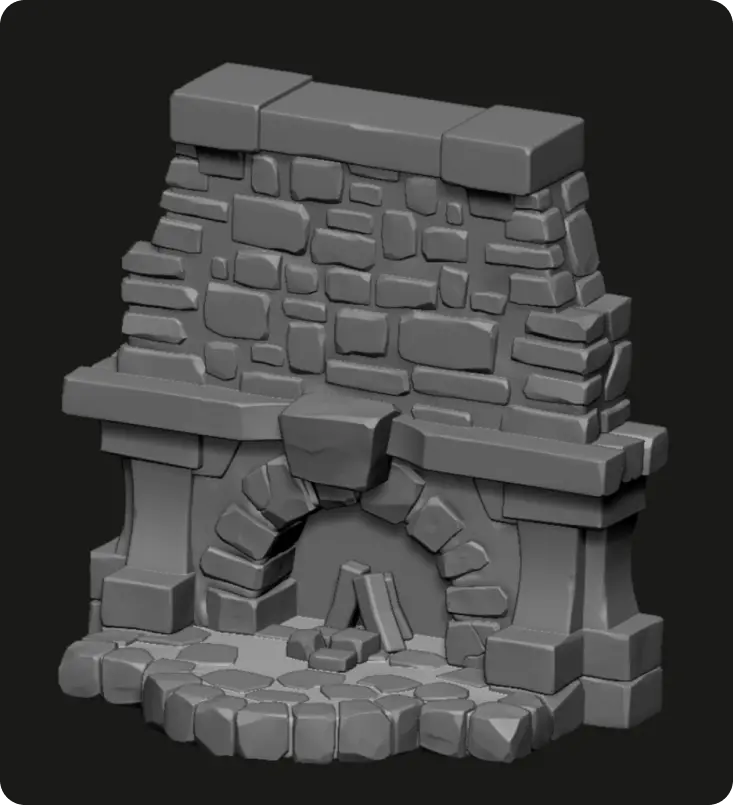
We validate metrics, pivots, snapping, modular connections, collisions, material logic, lighting needs, LODs, and engine constraints before the kit grows.
Representative pieces are tested together in context. This exposes gaps, repetition, seams, scale issues, or technical incompatibilities while the system can still be corrected efficiently.
05. MATERIALS AND TEXTURES
Materials are developed around the art direction and reuse strategy. The setup may include PBR textures, hand-painted surfaces, tileables, trim sheets, masks, decals, vertex painting, or project-specific shaders.
Texture resolution, channel packing, UV use, and material complexity follow the target platform and the importance of each asset in the scene.
06. FIRST PASS
The first assembled pass is reviewed in context for composition, scale, navigation, readability, prop density, material balance, lighting response, and performance risk.
Feedback at this stage establishes the benchmark for deeper polish and helps prevent detailed work from being applied to a scene that still needs structural changes.
07. FINAL TOUCHES AND HANDOFF
We resolve approved feedback, complete set dressing and material polish, check seams and repeated patterns, prepare LODs and collisions, validate naming and exports, and organize the agreed source files.
The final package is prepared for engine integration, level-art continuation, lighting, optimization, or direct production use according to the agreed handoff.
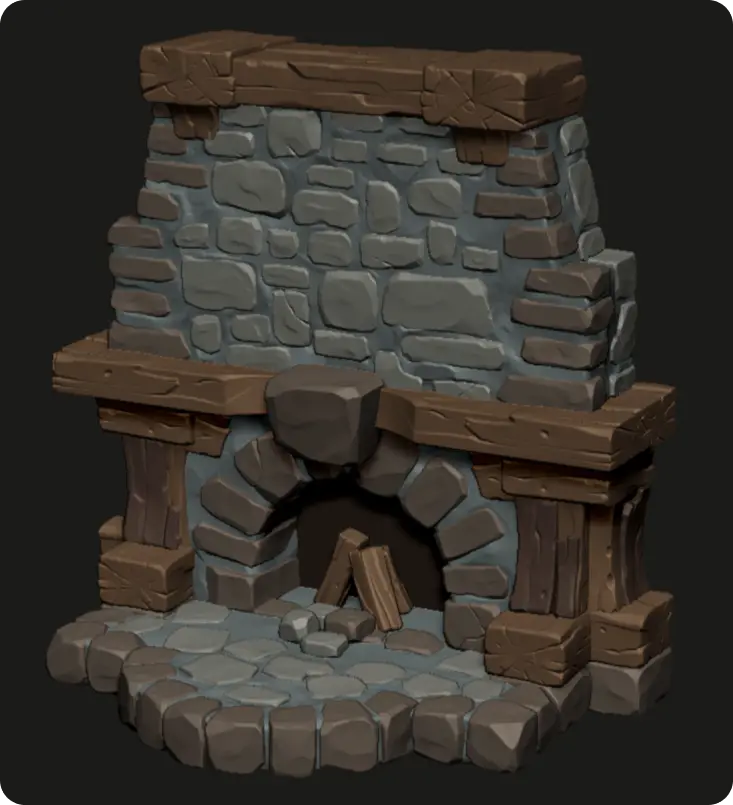
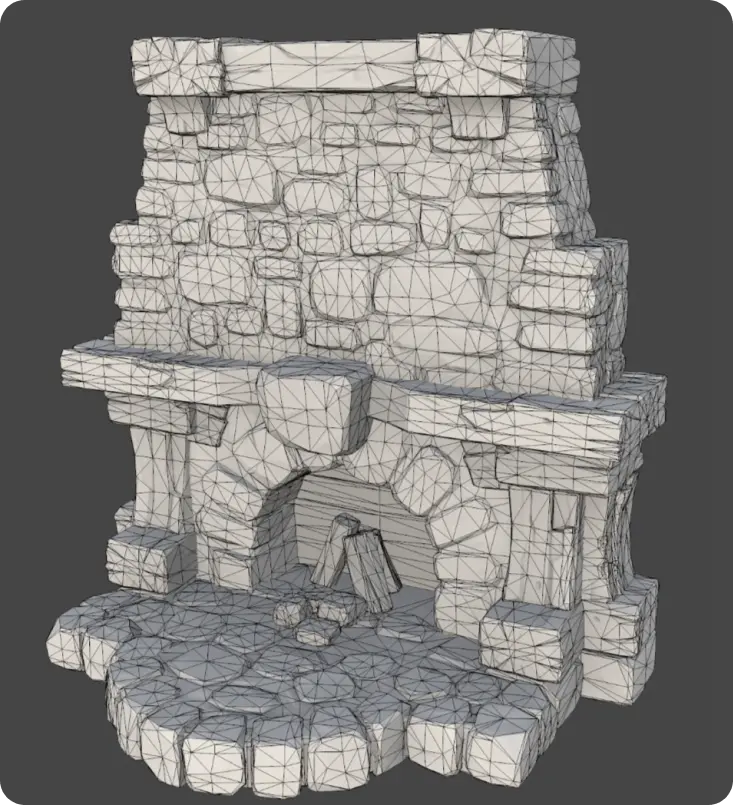
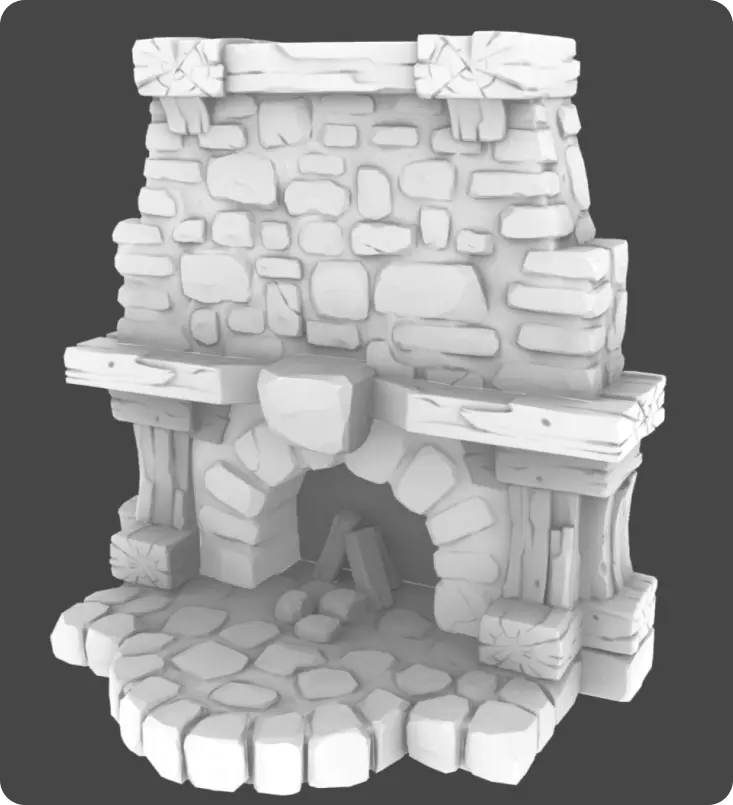
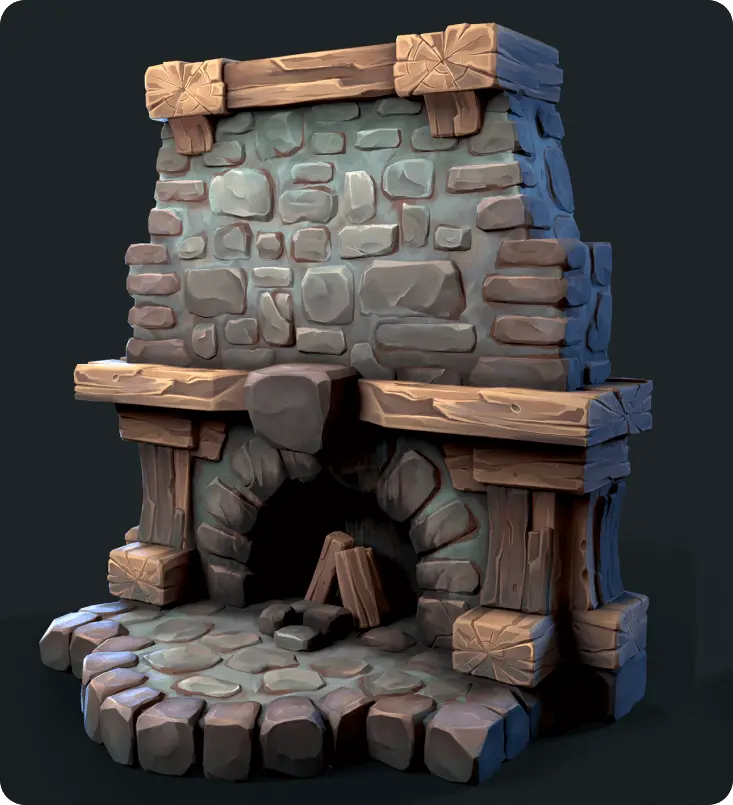
OUR PROCESS FOR 3D ENVIRONMENT ART
Early decisions around metrics, reuse, materials, and optimization can prevent expensive rebuilds across an entire level.
01. CONCEPT AND TASK
We review the location’s gameplay purpose, blockout, references, visual direction, camera, target platform, engine, and delivery requirements.
If the concept is still open, we identify the decisions that must be resolved before production: scale, composition, landmarks, traversal, asset families, mood, and the required balance between custom and reusable content.
02. RIGHT SETUP
We decide whether the environment should use a custom build, modular kit, reused prop library, tileable materials, trim sheets, decals, or a hybrid system.
For multiple locations, we also plan which architectural pieces, materials, vegetation, and prop families can be shared without making the world visibly repetitive.
03. RIGHT TEAM
The team is selected around the actual workload. Senior environment or technical direction is used where standards and difficult decisions must be established; production artists then build assets under those rules.
Before volume production, we align on scale, naming, topology, UVs, texel density, material slots, source files, review ownership, and acceptance criteria.
04. MODULARITY AND ENGINE SETUP
We validate metrics, pivots, snapping, modular connections, collisions, material logic, lighting needs, LODs, and engine constraints before the kit grows.
Representative pieces are tested together in context. This exposes gaps, repetition, seams, scale issues, or technical incompatibilities while the system can still be corrected efficiently.
05. MATERIALS AND TEXTURES
Materials are developed around the art direction and reuse strategy. The setup may include PBR textures, hand-painted surfaces, tileables, trim sheets, masks, decals, vertex painting, or project-specific shaders.
Texture resolution, channel packing, UV use, and material complexity follow the target platform and the importance of each asset in the scene.
06. FIRST PASS
The first assembled pass is reviewed in context for composition, scale, navigation, readability, prop density, material balance, lighting response, and performance risk.
Feedback at this stage establishes the benchmark for deeper polish and helps prevent detailed work from being applied to a scene that still needs structural changes.
07. FINAL TOUCHES AND HANDOFF
We resolve approved feedback, complete set dressing and material polish, check seams and repeated patterns, prepare LODs and collisions, validate naming and exports, and organize the agreed source files.
The final package is prepared for engine integration, level-art continuation, lighting, optimization, or direct production use according to the agreed handoff.
Our clients
Trusted by leading game studios worldwide.


What Else Can We Do?
GET IN TOUCH
Got a project in mind? We usually reply within a day.

You can also reach us directly:
-
Our email:
 head@vsquad.art
-
Art Director:
Volodymyr Liubchuk
-
Assistant Producer:
Violetta Popova
-
Job opportunities:
Join our team


FAQ
Questions about our environment production process or collaboration format?
You may find the answers below.
If something is still unclear, feel free to reach out and our team will be happy to help.