


Forgemasters started as a small team of experienced developers who decided to build something of their own after years of working together. Over time, that journey became much bigger than simply making a game. It became a process of learning business, understanding the market, and constantly iterating.
Their current project, Blitz of Battle, is a fast-paced mobile MOBA focused on short PvP sessions and competitive gameplay designed specifically for mobile players.
In this interview, Levent, CEO and co-founder of Forgemasters, talks about mobile optimization, multiplayer development, player feedback, readability, and balancing vision with production reality.

Main topics:
– Mobile game development
– Multiplayer systems
– Unity optimization
– Player feedback
– Production scope
– Midcore game design
Q: Could you tell us a bit more about your studio and how the team originally came together?
A: Forgemasters started as a small startup, a group of passionate people coming together to create something unique.
Before this, I worked as a lead developer at another company, where I had the chance to build a team and strong chemistry over the years. When that company decided to relocate to Germany, we chose to stay and build something of our own.
At first, we thought having strong development experience would be enough, and that we could learn the business side along the way. In reality, it took far longer than we expected and taught us much more than we imagined.
Over time, we realized that building games and understanding the market are deeply connected, especially in mobile gaming. So we kept iterating and learning.
Q: Could you tell us more about Blitz of Battle and what kind of experience you wanted to create for players?
A: The current version of the game is the result of many iterations.
Originally, we tried combining squad-based RPG progression with MOBA gameplay, but eventually realized those ideas were competing with each other instead of supporting one another.
So we evolved the project into a fast-paced mobile multiplayer game, specifically a MOBA designed from the ground up for mobile platforms.
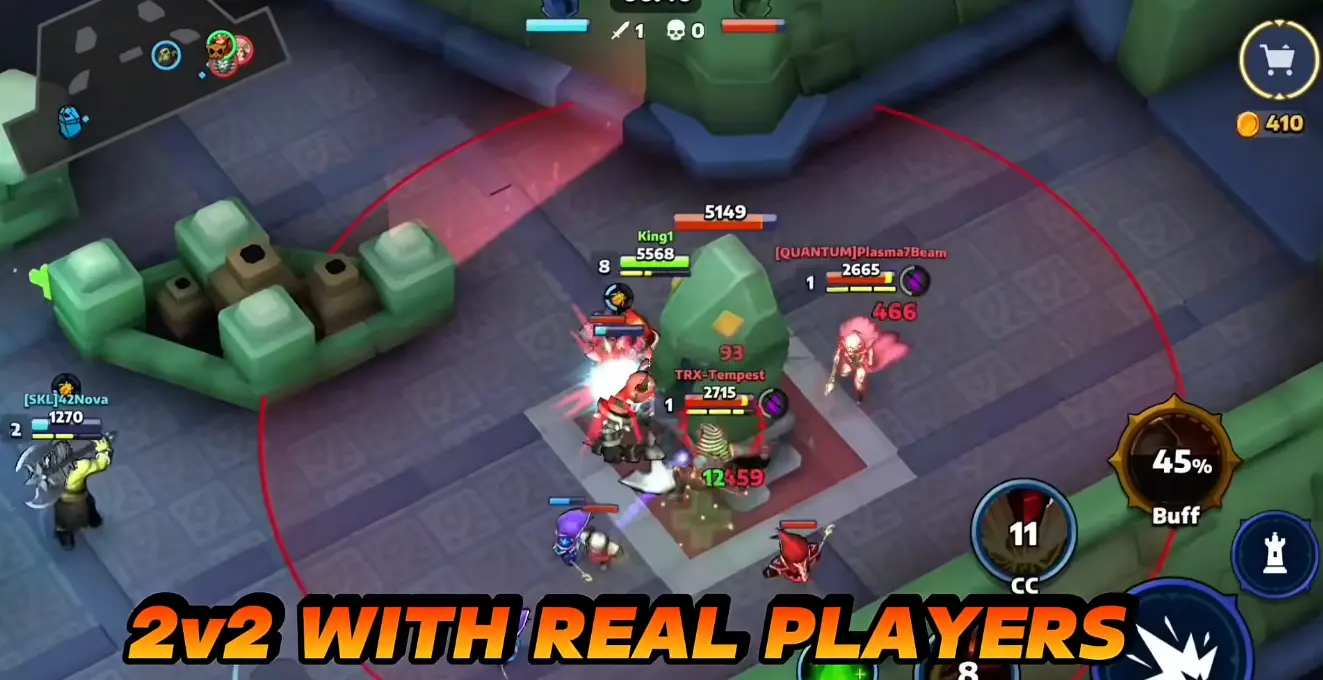
Our main goal became very clear: focus on the most exciting part of MOBAs – battling against other players – while removing long preparation phases and making sessions fit naturally into mobile gaming habits.
Q: Was there any mechanic or feature that looked good internally, but changed a lot after real players tested it?
A: One example was the auto-healing mechanic during battles. Initially, we thought it would make gameplay feel too casual, so we avoided it.
But once we gathered player feedback during testing, we realized they actually wanted it. We implemented the feature and surprisingly it worked extremely well.
That experience reminded us that assumptions inside the studio can be very different from real player behavior.
Q: Since the game is made for mobile players, what mobile performance or optimization issue surprised your team the most during development?
A: Optimization was something we already had experience with from the beginning. We always test on low-spec devices because our goal is stable 60 FPS gameplay.
Since we use Unity, mastering unity mobile optimization is extremely important. We rely heavily on engine-specific techniques like lazy loading and preloading battle assets in advance.
One moment that surprised us was when we first developed our non-authoritative game server in C++. The memory cost for a single match was only around 1 MB of RAM, which felt like a huge win for us.
Q: Blitz of Battle has a very stylized visual style. Was it difficult to keep combat readable during fast fights?
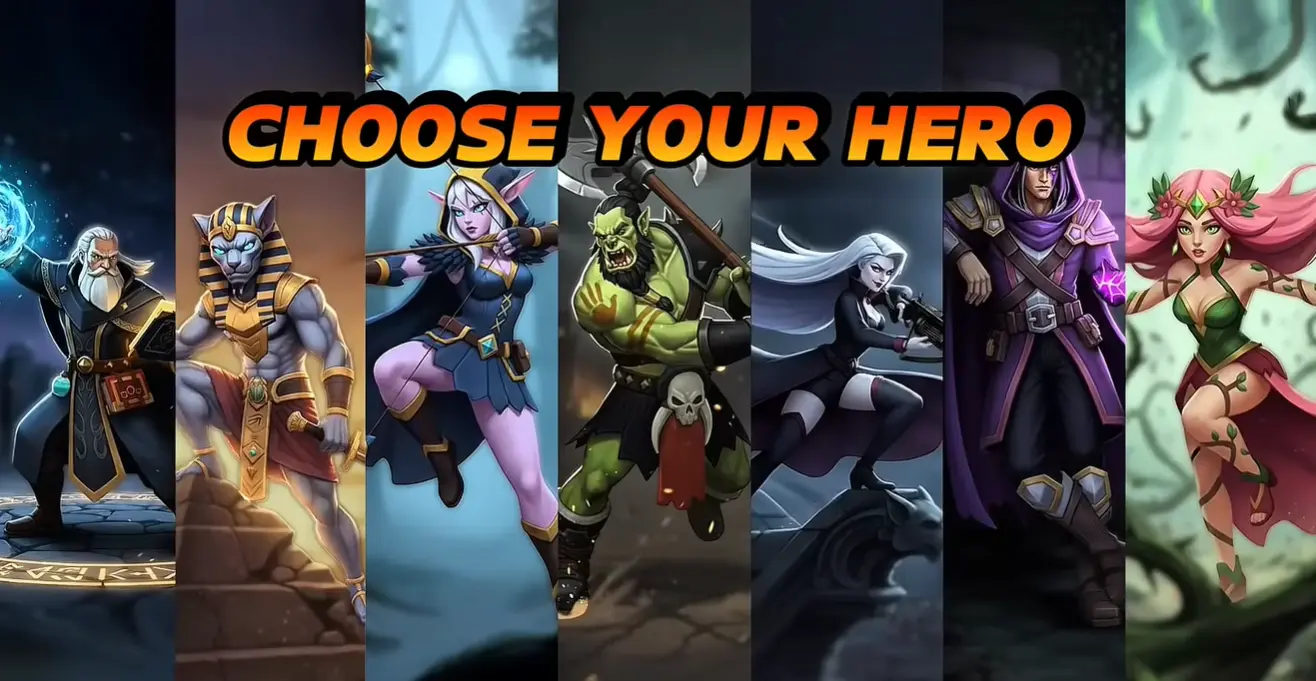
A: Yes, definitely. We put a lot of effort into readability because it directly improves the player experience.
Every hero silhouette, animation, and visual effect needs to support gameplay clarity instead of creating visual noise.
When I compare our game with similar titles in the genre, I believe our battles are in a very strong position from a readability perspective.
Q: What part of multiplayer development ended up being more difficult or stressful than expected?
A: Multiplayer development often feels like trying to synchronize multiple realities at the same time while fighting internet limitations, latency, packet loss, and synchronization issues.
To solve those problems, we built our own internal multiplayer networking technology called Turbo, based on Valve’s GameNetworkingSockets combined with ideas inspired by Doom’s networking architecture.
It took a massive amount of iteration and engineering effort, but it gave us the speed and responsiveness we wanted.
Q: Was there a moment where you had to adjust your production scope and cut or simplify a feature because it became too difficult or expensive to make properly?
A: Yes. One example was replacing traditional AI bots with machine learning systems similar to what companies like Tencent use.
Technically, it was very interesting, but also extremely expensive both financially and technically.
Eventually, we realized the improvement would not justify the cost at our current stage, so we decided to focus on features that would create a bigger impact for players.
Q: Which has been harder so far: making the game easy for new players or keeping enough depth for competitive players?
A: The real challenge is doing both well at the same time.
That is the curse of midcore game design. You want accessibility without sacrificing depth.
For us, having a very clear vision helps a lot:
“A fast-paced MOBA battler designed for mobile.”
That vision helps us decide what belongs in the game and what does not.
Q: Looking back now, what part of Blitz of Battle took the longest to finally feel “fun” or “right” during real matches?
A: One important moment was when we introduced the Acolyte mechanic.
Before that, winning fights did not create enough momentum. But once the Acolyte was added, successful battles started converting naturally into meaningful pushes toward enemy towers.
That single mechanic made matches feel far more exciting and purposeful.
Explore more behind-the-scenes stories in our exclusive interview series. We have many more conversations with industry visionaries coming soon, so be sure to visit us again.
Get in touch
Got a project in mind? We usually reply within a day.