

CASUAL GAME ART SERVICES
Game-ready art production for casual, puzzle, merge, match-3, idle, tycoon, hidden object, and mobile-friendly games. We support characters, environments, props, UI, icons, animation, VFX, and live content.
Types of Casual Game Art Production
Different types of casual art support for different game styles, screens, and content needs.
Casual game art is not only about bright colors and friendly characters. It has to be readable fast, feel pleasant, support the core loop, and work across many levels, items, events, UI screens, and updates.
As a casual game art studio, VSQUAD supports casual game art production for puzzle games, match-3, merge games, idle games, tycoon games, hidden object games, decoration games, mobile casual games, browser games, and other light-to-midcore projects.
We can help with characters, environments, props, UI, icons, animation, VFX, marketing creatives, and production-ready assets. The goal is to create art that feels clear, attractive, consistent, and practical for real game production.
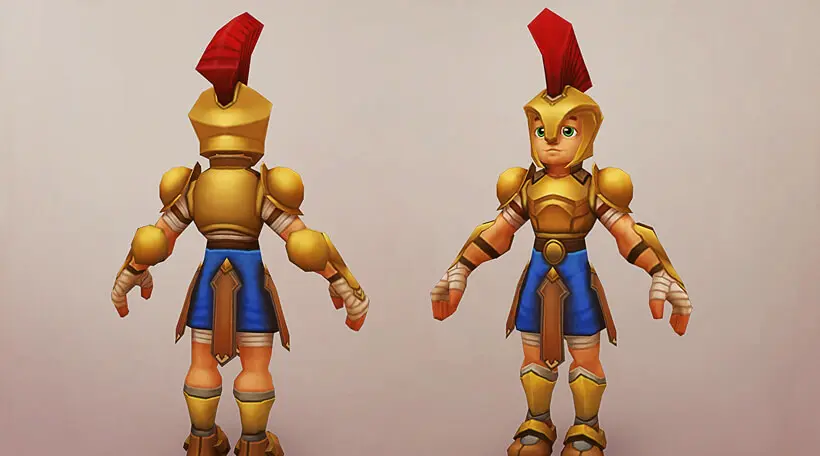
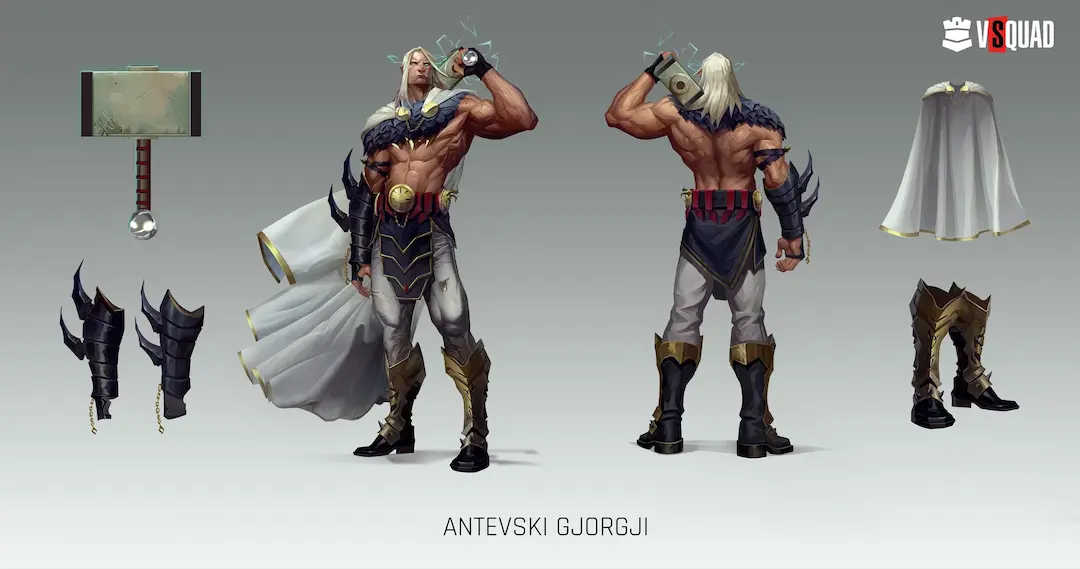
Casual Character Art
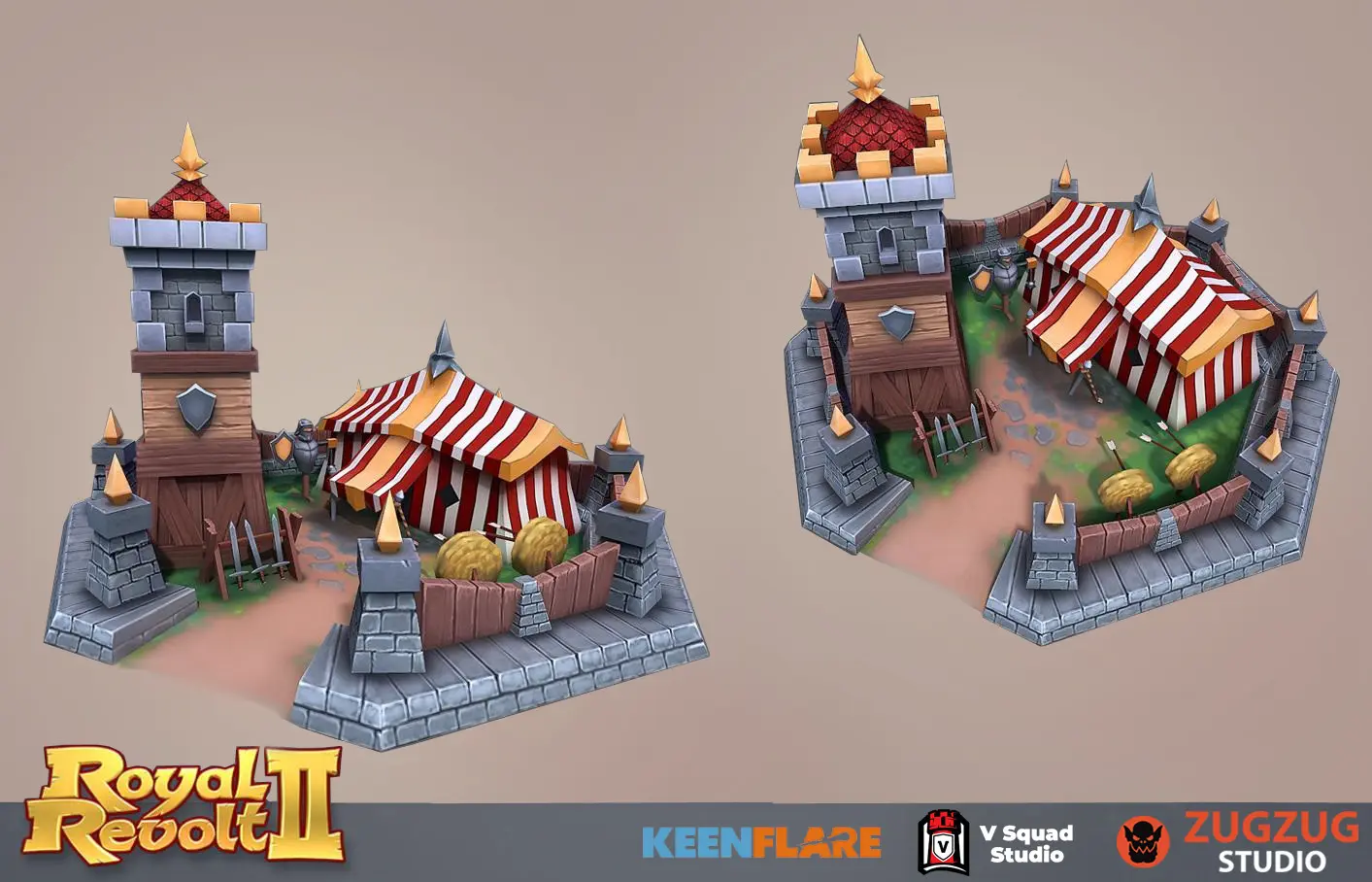
Casual Environment Art
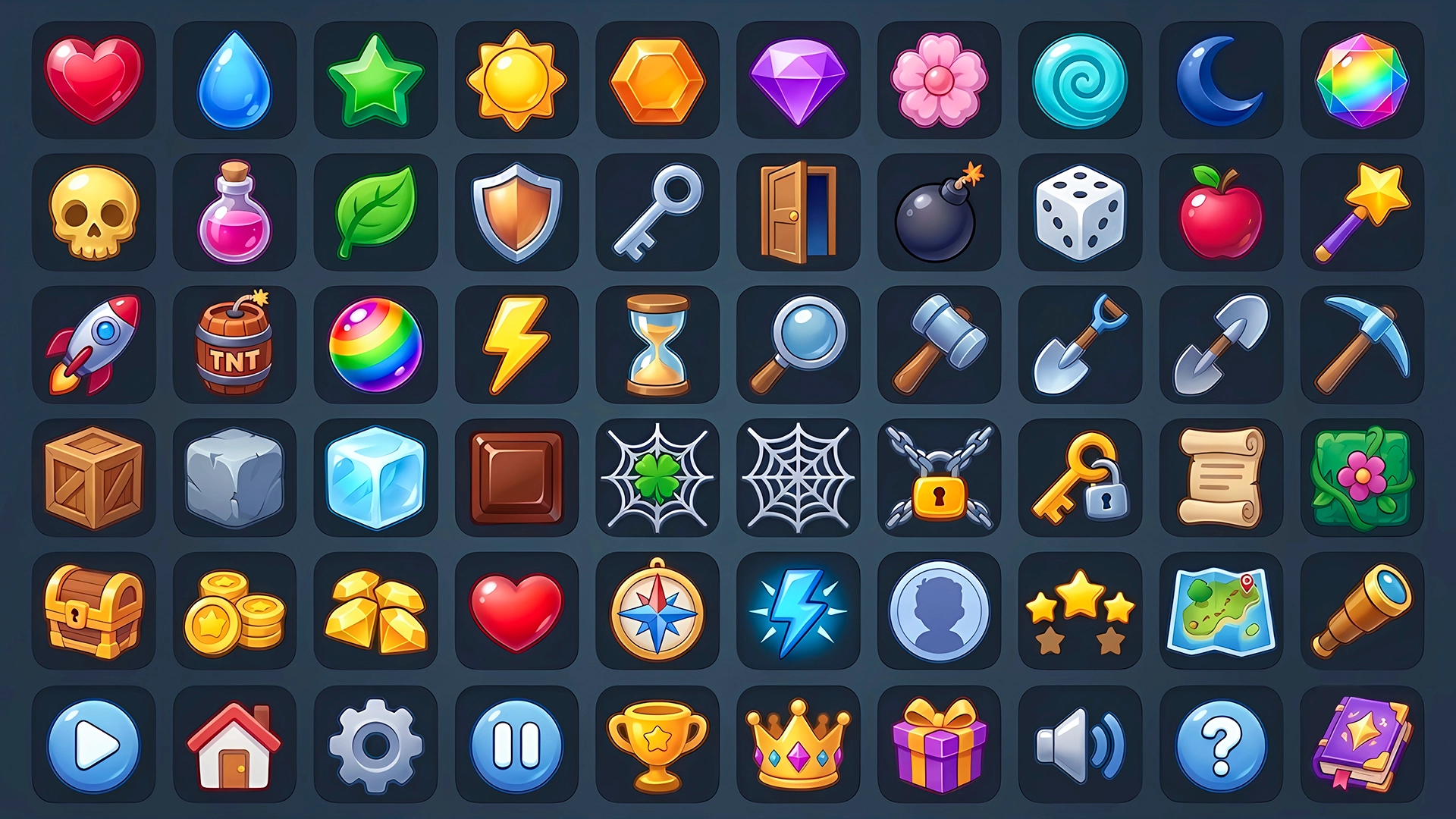
Casual UI, Icons & HUD
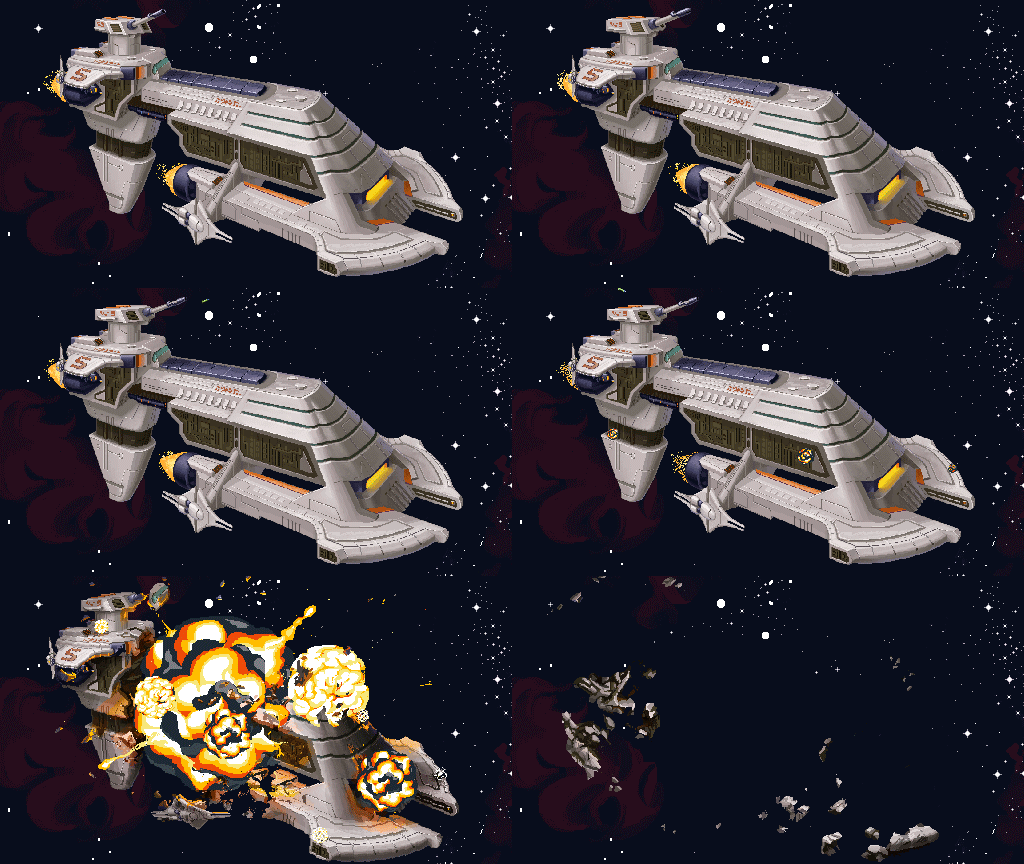
Casual Animation & VFX
Live Content Art
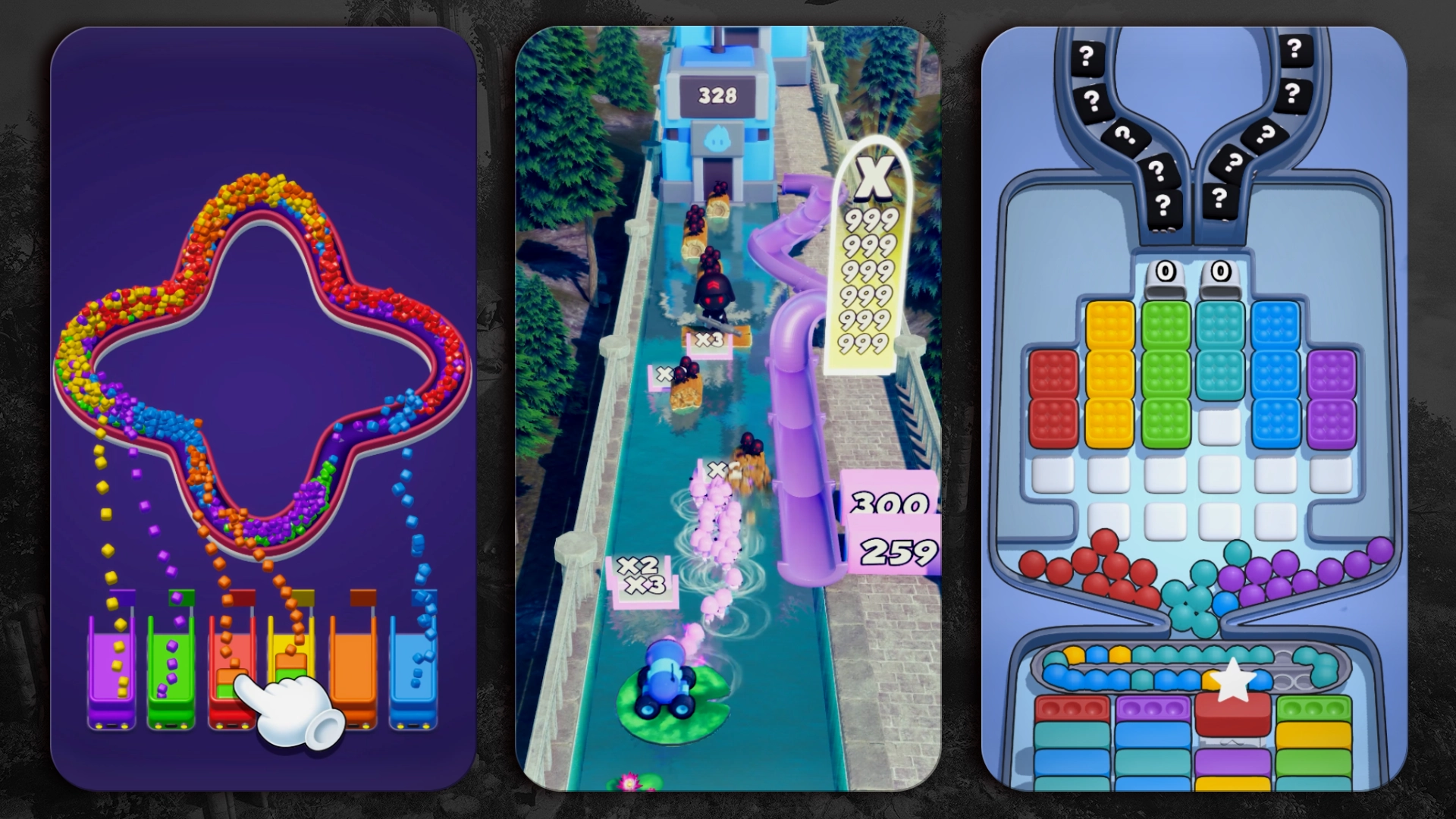
Marketing Creatives
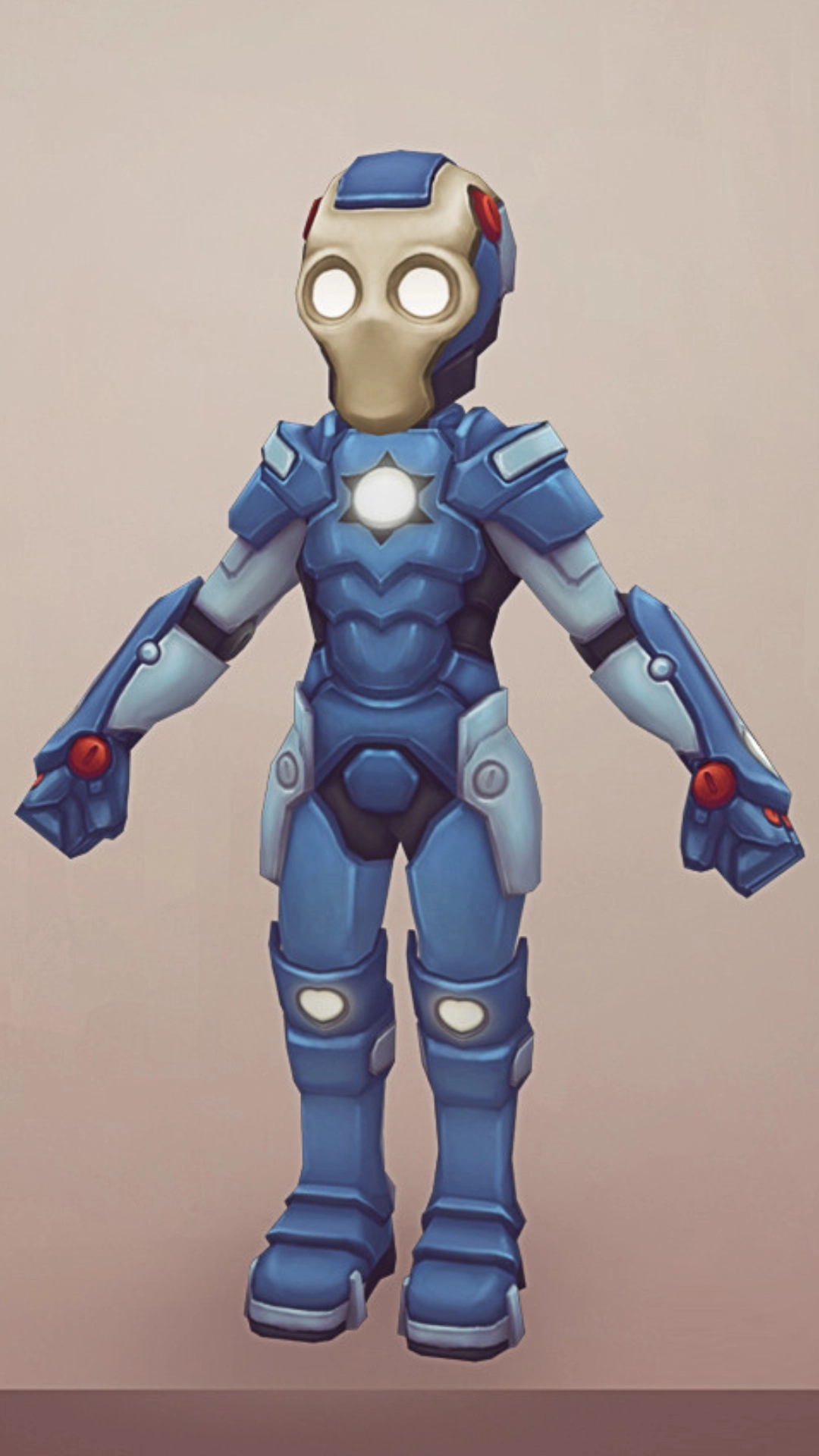
Friendly, readable characters, NPCs, creatures, mascots, and skins for casual games.

Locations, backgrounds, rooms, maps, props, and decorative assets for casual game worlds.
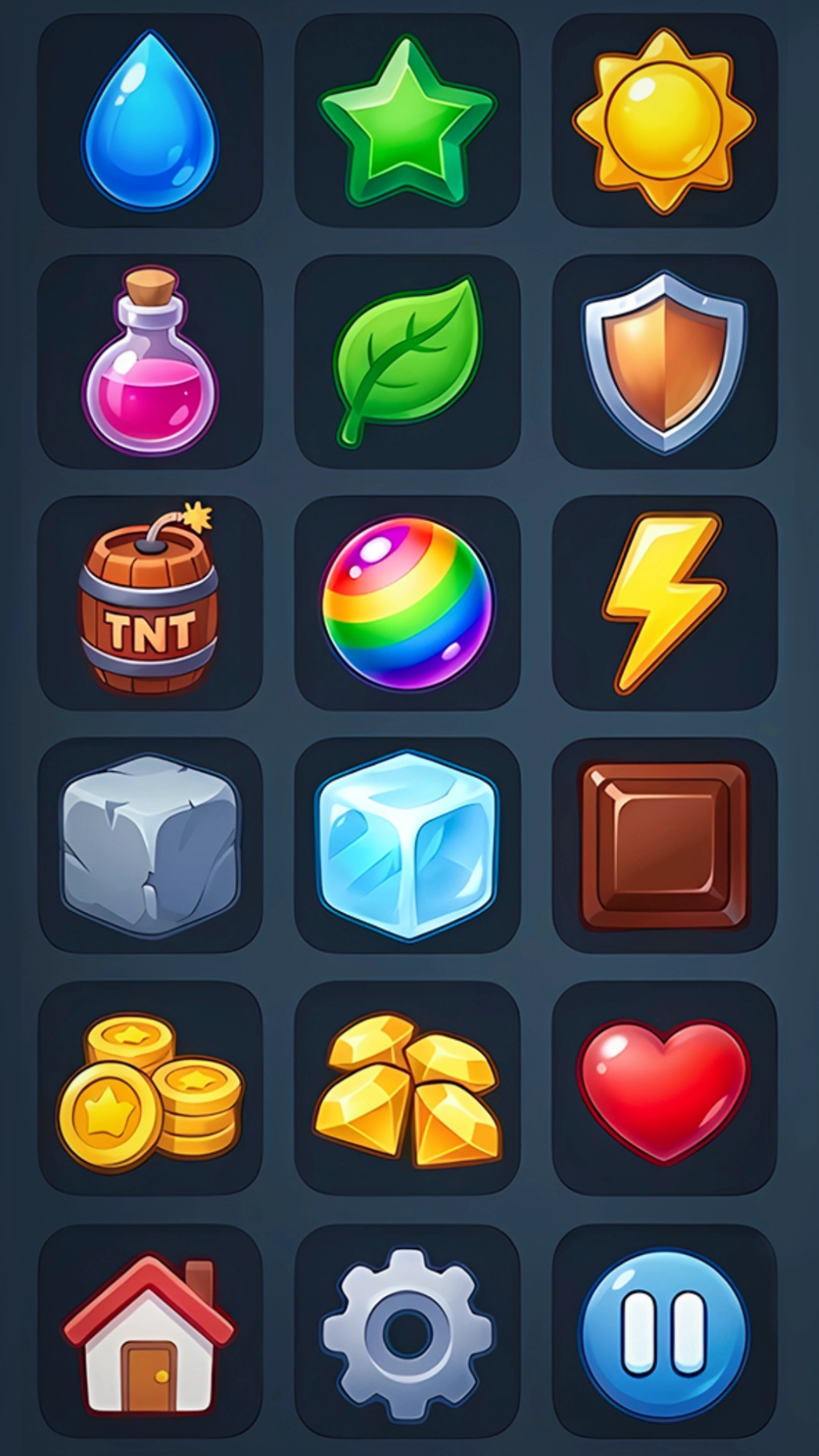
Clear UI, icons, buttons, popups, rewards, shops, and event screens.
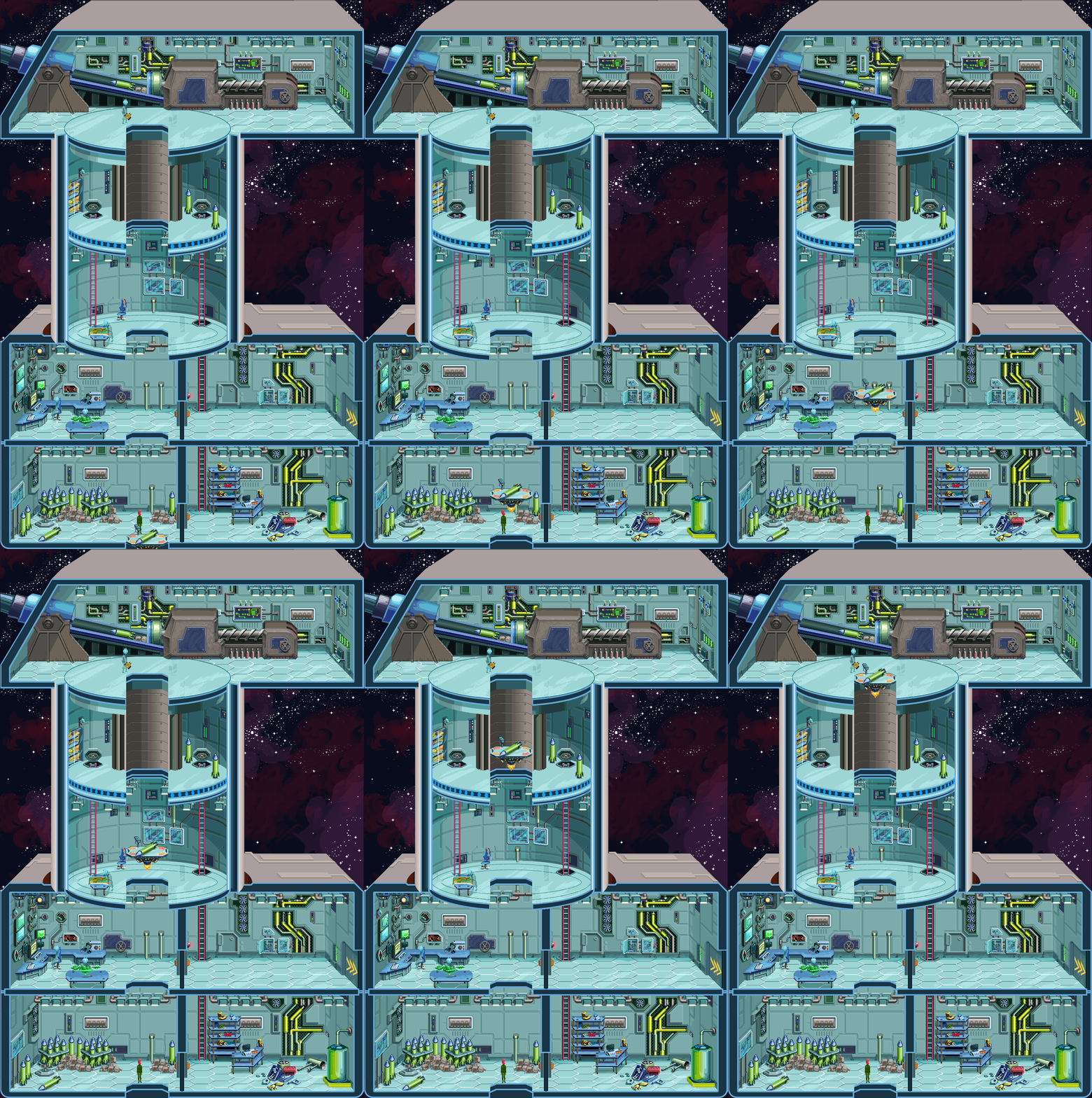
Light animation and VFX for rewards, UI, characters, actions, and gameplay feedback.
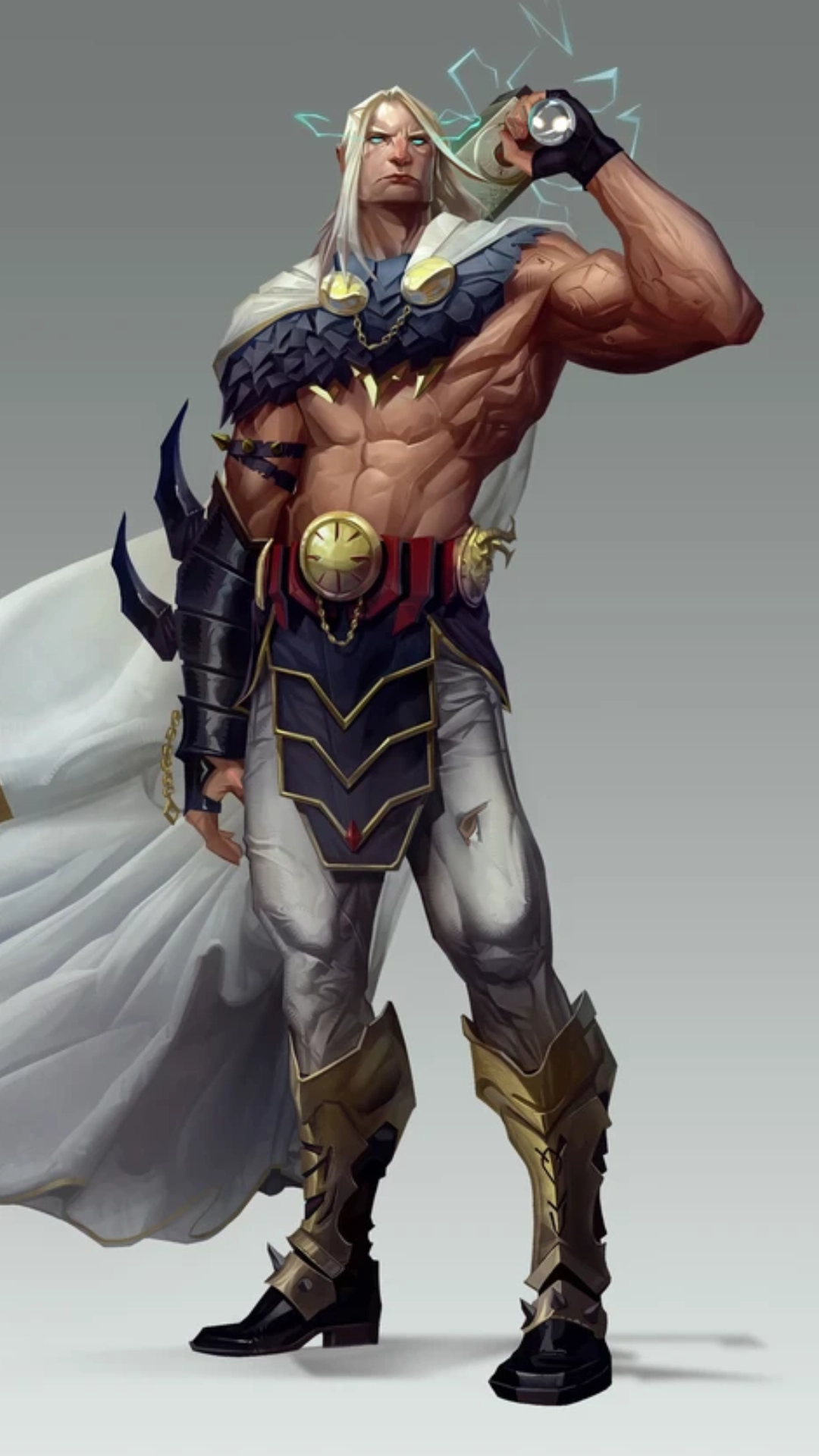
Art support for events, updates, skins, levels, seasonal content, and new item packs.
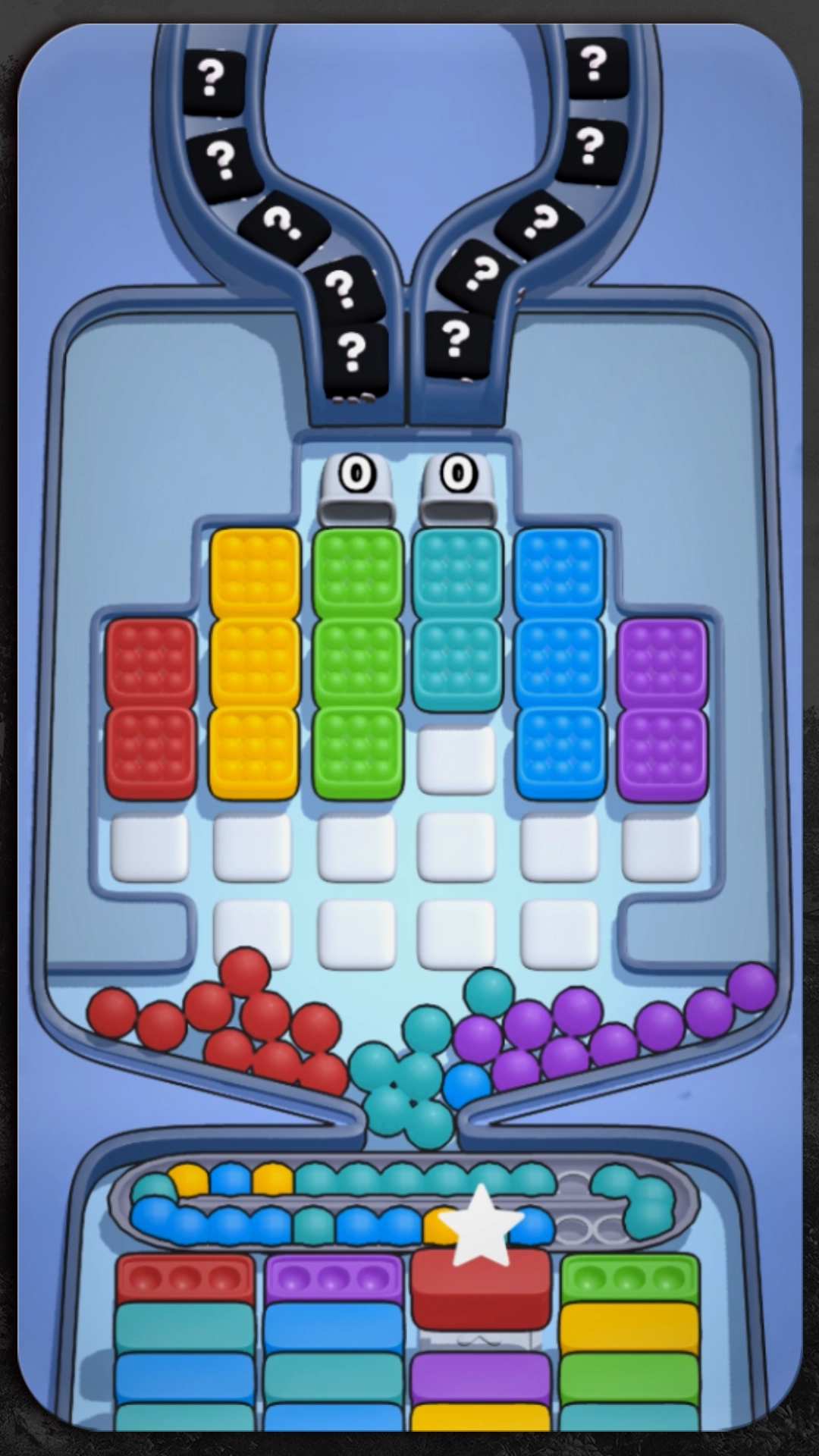
Visual assets for store pages, ads, screenshots, banners, and creative testing.
WHY STUDIOS WORK WITH VSQUAD
We help casual game art stay clear, friendly, consistent, and realistic for ongoing content production.
BUDGET CONTROL
Casual games often need a lot of content, so we help keep the art scope realistic.
Casual art can grow fast: characters, props, icons, UI screens, rewards, level objects, decorations, event assets, VFX, and marketing visuals. We help shape the scope around the real budget and production stage. Sometimes that means starting with the most visible assets first. Sometimes it means building a reusable style system, modular props, asset variations, or smaller content batches. The goal is to keep production useful, controlled, and not overloaded with unnecessary art work.
FEEDBACK NEVER LATE
If important feedback comes in late, we deal with it. We do not hide behind stages.
Casual game feedback often appears after gameplay tests, level reviews, UI checks, player flow tests, event planning, or ad creative tests. A character can look cute but not read clearly. A prop can look nice but distract from the puzzle. UI can feel pleasant but slow down the player. Reward effects can feel fun but make the screen too noisy. VSQUAD works with that reality and adjusts the art when the game needs it.
RIGHT TEAM
The best setup is the one that fits the art task, style, scope, and budget.
Casual projects do not always need a large team. One task may need a concept artist. Another may need a game artist who can handle props, icons, UI elements, or simple asset variations. Some projects need animation and VFX support. Others need ongoing content production for updates and events. We build the team around the actual task instead of forcing a heavy setup.
STUDIO, NOT A FREELANCER
The work does not stop because one person disappeared.
Casual game art often needs continuity: same style, same asset logic, same UI feeling, same delivery rhythm. VSQUAD works as a studio, with coordination and backup behind the task. That helps when the project needs regular updates, many small assets, fast revisions, or support across different art areas at once.
CASUAL PRODUCTION EXPERIENCE
We know how casual art behaves when gameplay, UI, rewards, and content volume start colliding.
Casual art is not just about making something cute or colorful. The asset has to support the core loop, stay readable, fit the UI, work with the camera, and remain consistent across many levels, rewards, events, and updates. We keep those production limits in mind whether the task is character art, environment art, props, icons, UI, animation, VFX, or store visuals.
RIGHT SIZE
One asset pack or ongoing casual art support, both are normal for us.
Some casual teams need a small batch of icons, props, characters, or UI elements. Others need ongoing support for events, updates, seasonal content, new levels, rewards, skins, store visuals, or ad creatives. We can start small and scale only when the project really needs more production support.
Our Process for Casual Game Art
We start by understanding the game type, visual style, core loop, content needs, and where the art will be used: gameplay, UI, levels, events, store visuals, or ads.
Casual art has to feel clear, friendly, and easy to read, but it also has to support fast production and future content updates.
01. TASK AND CONTEXT
We begin by understanding what needs to be created: characters, props, environments, UI, icons, rewards, animation assets, VFX, store visuals, or a full casual art pack.
At this stage, we review the game genre, references, visual style, target platform, gameplay context, asset list, production scope, and budget limits.
02. RIGHT ART SETUP
We shape the art setup around the real task.
Casual games often benefit from compact production: one strong game artist can cover related tasks like props, icons, simple characters, decorations, or asset variations. When the task needs deeper focus, we separate the work properly: concept, UI, animation, VFX, or 3D production.
03. FIRST PRODUCTION PASS
We prepare the first working pass and check whether the style, readability, and production approach are moving in the right direction.
For casual games, this means checking not only whether the asset looks nice, but whether it supports the core loop, UI, level readability, reward feeling, and future content needs.
04. FEEDBACK AND ITERATION
We refine the art based on real production feedback.
This can include adjusting colors, simplifying details, improving silhouette, making UI clearer, changing proportions, polishing icons, improving reward effects, or making assets fit better with the rest of the game.
05. PRODUCTION-READY DELIVERY
We prepare the final assets for real production use.
Depending on the task, this can include organized source files, exported assets, optimized textures, UI elements, icons, animation files, VFX elements, naming rules, and delivery prepared for Unity, Unreal, browser, or the client’s existing pipeline.
The goal is simple: casual game art that looks good, reads clearly, fits the style, and can keep supporting the game as content grows.
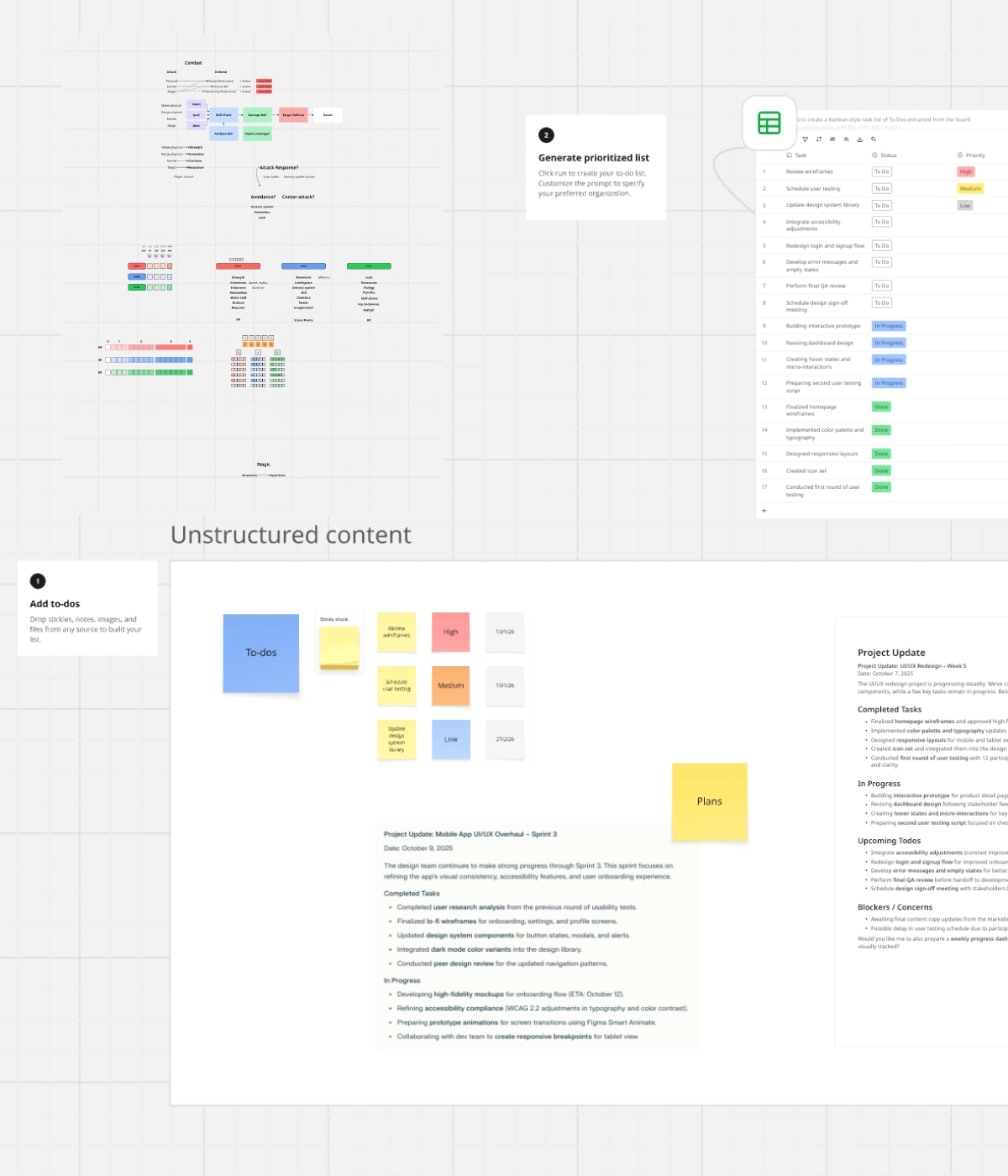
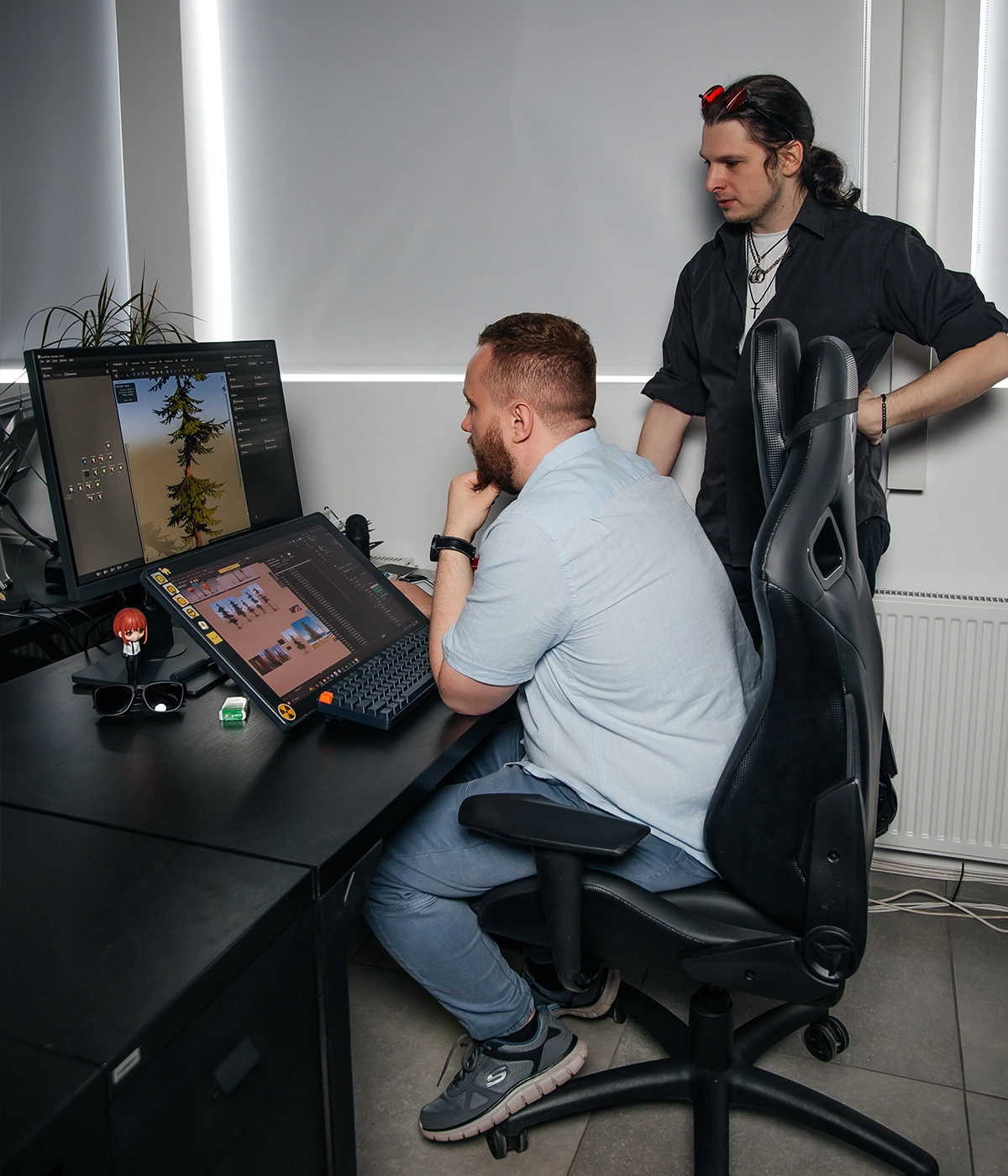
Our Process for Casual Game Art
We start by understanding the game type, visual style, core loop, content needs, and where the art will be used: gameplay, UI, levels, events, store visuals, or ads.
Casual art has to feel clear, friendly, and easy to read, but it also has to support fast production and future content updates.
01. TASK AND CONTEXT
We begin by understanding what needs to be created: characters, props, environments, UI, icons, rewards, animation assets, VFX, store visuals, or a full casual art pack.
At this stage, we review the game genre, references, visual style, target platform, gameplay context, asset list, production scope, and budget limits.
02. RIGHT ART SETUP
We shape the art setup around the real task.
Casual games often benefit from compact production: one strong game artist can cover related tasks like props, icons, simple characters, decorations, or asset variations. When the task needs deeper focus, we separate the work properly: concept, UI, animation, VFX, or 3D production.
03. FIRST PRODUCTION PASS
We prepare the first working pass and check whether the style, readability, and production approach are moving in the right direction.
For casual games, this means checking not only whether the asset looks nice, but whether it supports the core loop, UI, level readability, reward feeling, and future content needs.
04. FEEDBACK AND ITERATION
We refine the art based on real production feedback.
This can include adjusting colors, simplifying details, improving silhouette, making UI clearer, changing proportions, polishing icons, improving reward effects, or making assets fit better with the rest of the game.
05. PRODUCTION-READY DELIVERY
We prepare the final assets for real production use.
Depending on the task, this can include organized source files, exported assets, optimized textures, UI elements, icons, animation files, VFX elements, naming rules, and delivery prepared for Unity, Unreal, browser, or the client’s existing pipeline.
The goal is simple: casual game art that looks good, reads clearly, fits the style, and can keep supporting the game as content grows.
Your Casual Art Team
VSQUAD builds casual art support around the actual production task: characters, environments, UI, icons, props, animation, VFX, store visuals, or ongoing content.
The setup depends on the scope, but the goal stays the same: keep the art clear, friendly, consistent, and realistic for the budget.
01/ ART DIRECTOR
Keeps the visual direction clear, reviews key stages, and helps the casual art stay connected to the game’s style.
02/ PROJECT MANAGER
Coordinates communication, feedback, priorities, timing, and delivery across the casual art production process.
03/ CONCEPT ARTIST
Develops early ideas for characters, environments, props, skins, rewards, and visual style options.
04/ GAME ARTIST/GENERALIST
Creates production-ready casual assets such as props, icons, characters, decorations, UI elements, store visuals, and asset variations.
05/ UI/UX DESIGNER
Supports casual UI, HUD, icons, buttons, menus, reward screens, shop screens, onboarding, and player flow.
06/ ANIMATOR/ VFX ARTIST
Creates animation and VFX support for UI, rewards, character actions, gameplay feedback, win moments, events, and live content.
Our clients
Trusted by leading game studios worldwide.


OTHER SERVICES

GET IN TOUCH
Got a project in mind? We usually reply within a day.

You can also reach us directly:
-
Our email:
 head@vsquad.art
-
Art Director:
Volodymyr Liubchuk
-
Assistant Producer:
Violetta Popova
-
Job opportunities:
Join our team


FAQ
We can help with puzzle games, match-3, merge games, idle games, tycoon games, hidden object games, decoration games, mobile casual games, browser games, and other casual or light-to-midcore projects.
We can support both 2D and 3D casual art depending on the game style, platform, and production setup.
This can include 2D characters, stylized 3D characters, props, environments, icons, UI assets, simple animations, VFX, store visuals, and game-ready content for Unity, Unreal, browser, or mobile pipelines.
Casual games often need many small assets: icons, props, rewards, decorations, UI elements, characters, skins, event assets, and marketing visuals.
We can help reduce the starting scope, prioritize the most useful assets, reuse a visual system, create modular content, or split production into smaller batches.
The goal is to keep the art useful for the game and realistic for the budget.
We pay attention to silhouette, color, contrast, shape clarity, expression, scale, UI readability, and how the asset works inside the actual game screen.
A casual asset should look pleasant, but it also needs to support gameplay, rewards, progression, and player flow.
VSQUAD can support casual UI, HUD, icons, buttons, popups, reward screens, shop screens, progression screens, inventory elements, event UI, ability icons, and other interface assets.
For casual games, UI and rewards often carry a big part of the player experience, so we focus on clarity, hierarchy, emotion, and production usability.
We can support UI animation, reward effects, match effects, character actions, simple character animation, item movement, win moments, event effects, and gameplay feedback.
For casual games, animation and VFX should make the game feel alive without making the screen confusing or too noisy.
Casual games often need regular content for events, updates, seasonal themes, new levels, skins, rewards, UI changes, store visuals, and ads.
VSQUAD can support ongoing casual art production when the internal team is overloaded or when new content needs to ship without breaking the existing style.
We can help prepare store visuals, screenshots, ad assets, banners, gameplay-style scenes, character poses, UI mockups, and other creative materials for casual games.
The goal is to keep marketing visuals connected to the actual game style, while still making them clear and attractive for players.