

Survival & Sandbox Game Development
VSQUAD supports survival and sandbox game development with open world environments, level design, base building, crafting systems, resource systems, game-ready art, Unity and Unreal support, optimization, QA, and production help.
TYPES OF SURVIVAL & SANDBOX GAME DEVELOPMENT
Survival and sandbox production support for open worlds, level design, base building, crafting systems, resource systems, game-ready art, Unity, Unreal, optimization, QA, and multiplayer-ready projects.
Production of projects in the survival and sandbox genres requires a special approach to asset planning. In our experience, the main trap at the start is the lack of a unified technical specification, which causes performance to collapse during the location assembly stage.
We at VSQUAD Studio have been helping studios build a scalable pipeline since 2015. A professional approach to survival game development includes not just creating beautiful models, but a deep development of their logical structure for seamless integration.
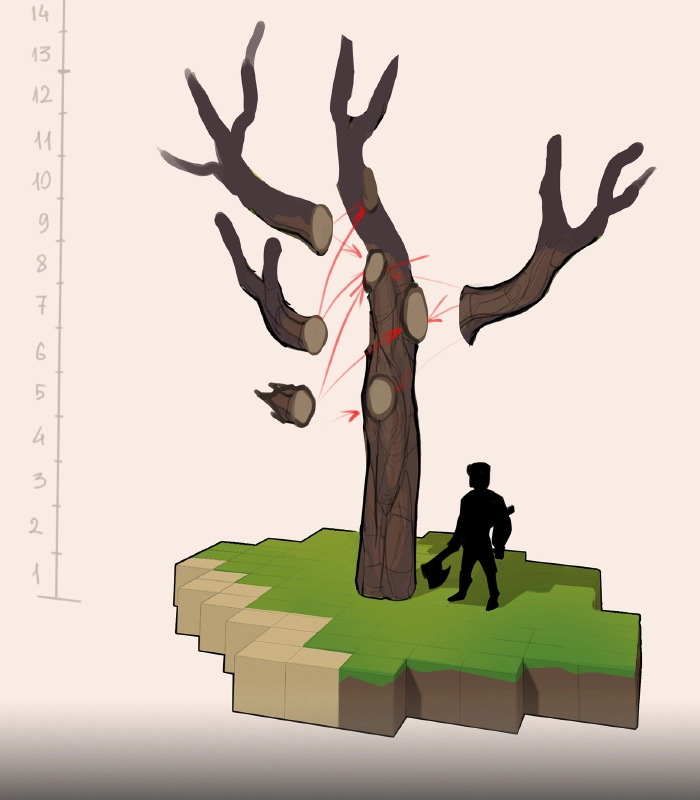
When it comes to sandbox game development, it is critically important to lay down the correct topology and grid density at the very earliest stages of prototyping. We create assets that take into account future mechanics of terraforming, destructibility, and dynamic environmental changes, saving producers from the need to conduct painful reworks during the alpha testing stage.
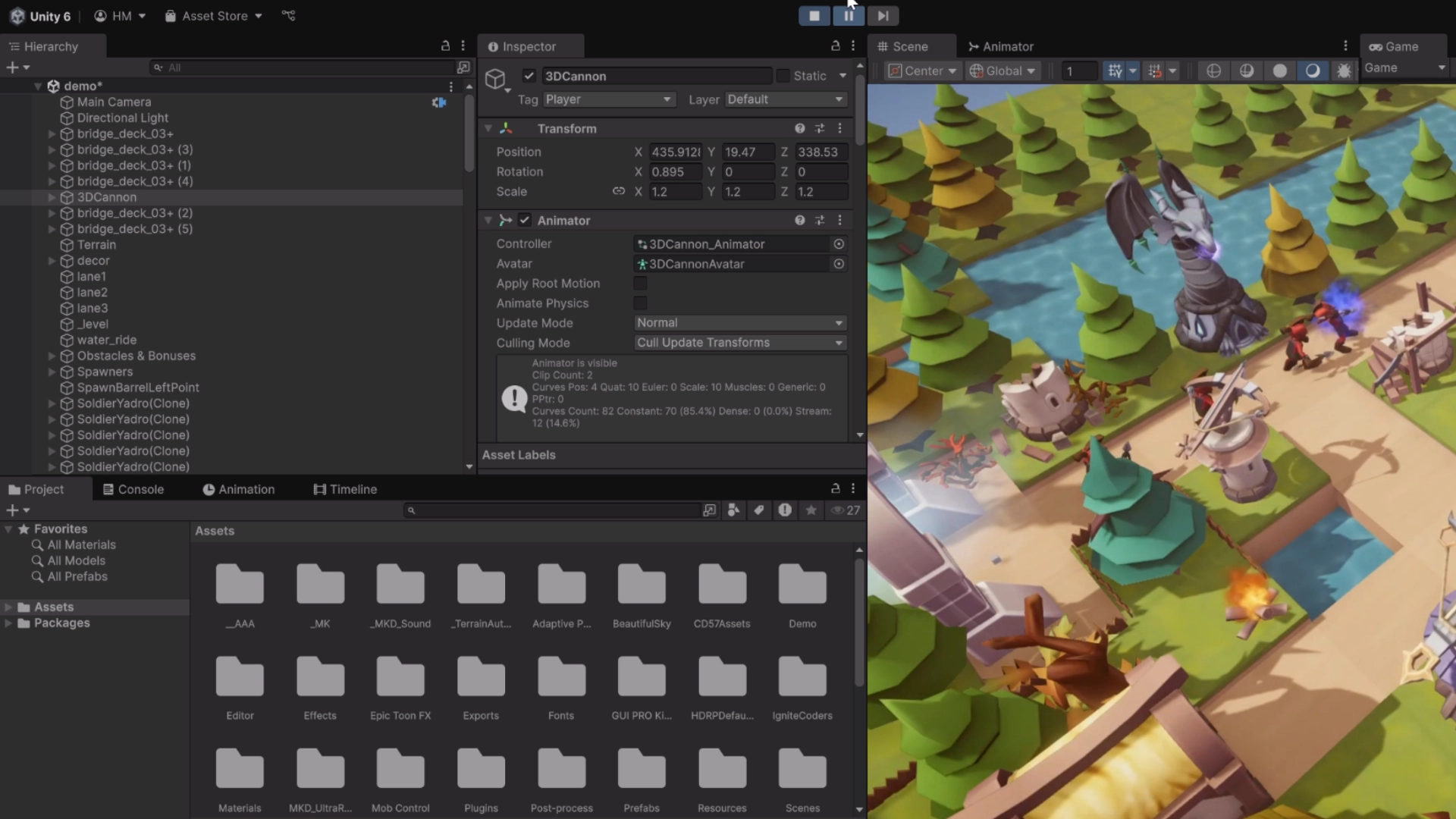
Open World & Level Design
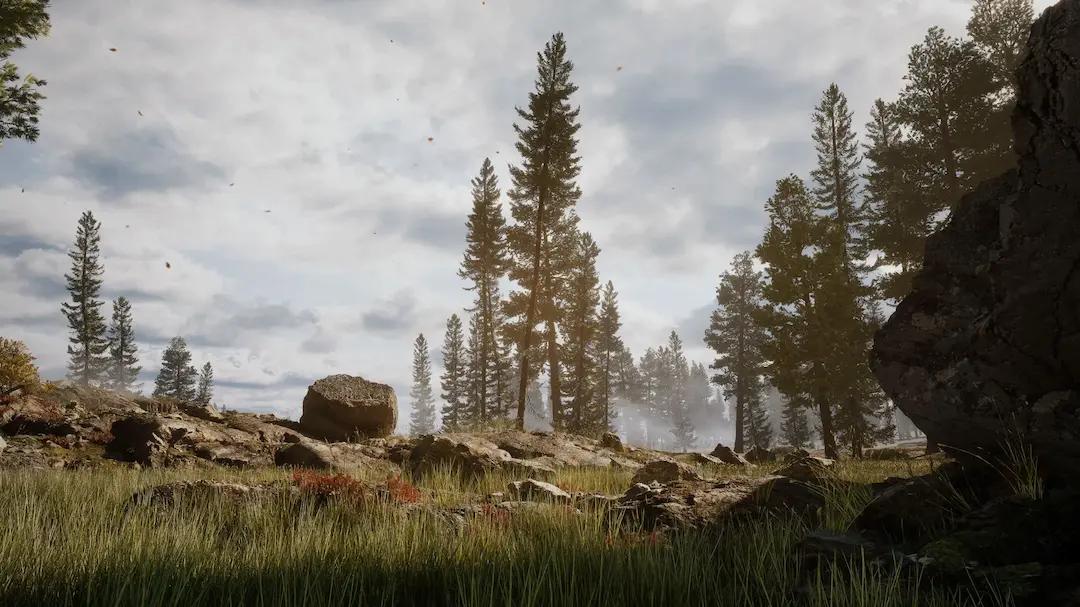
Survival & Sandbox Art Production
Crafting, Building & System Readability
Unity, Unreal & Production Support
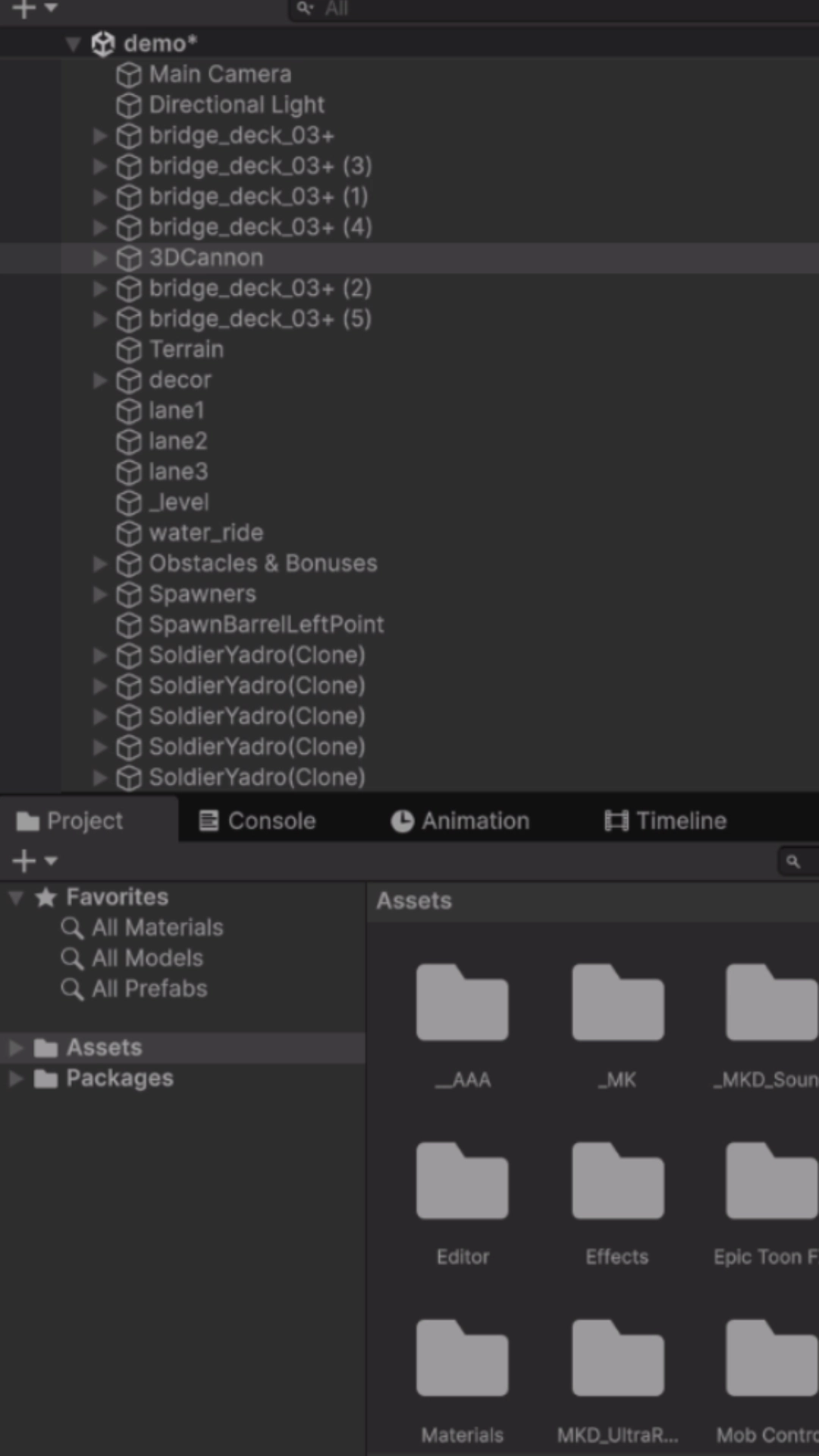
Open world layouts, survival spaces, sandbox areas, resource placement, base locations, exploration routes, and readable game spaces.
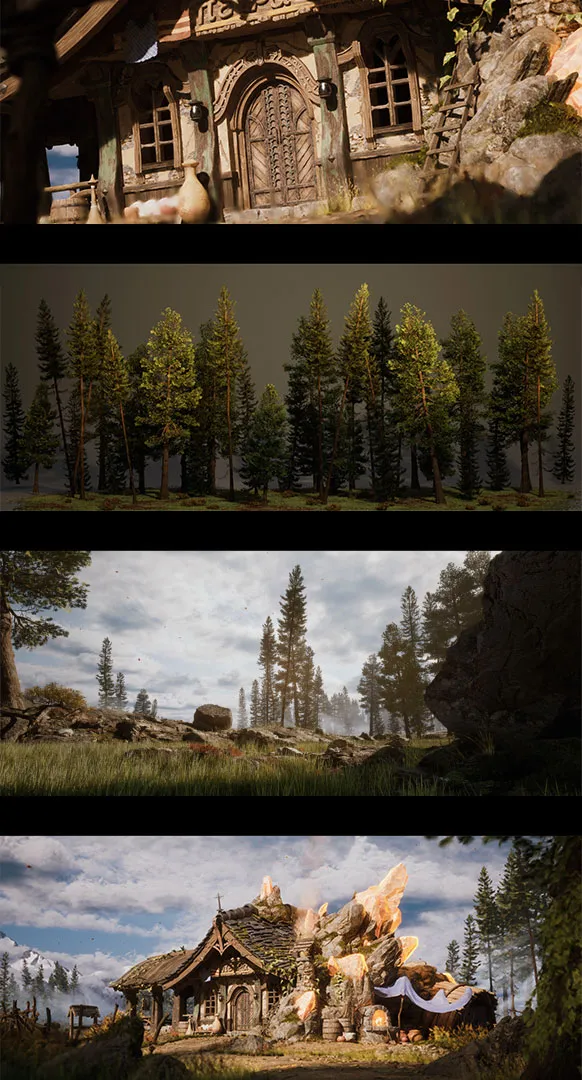
Environment art, props, shelters, tools, resources, characters, creatures, UI, animation, VFX, and game-ready assets.
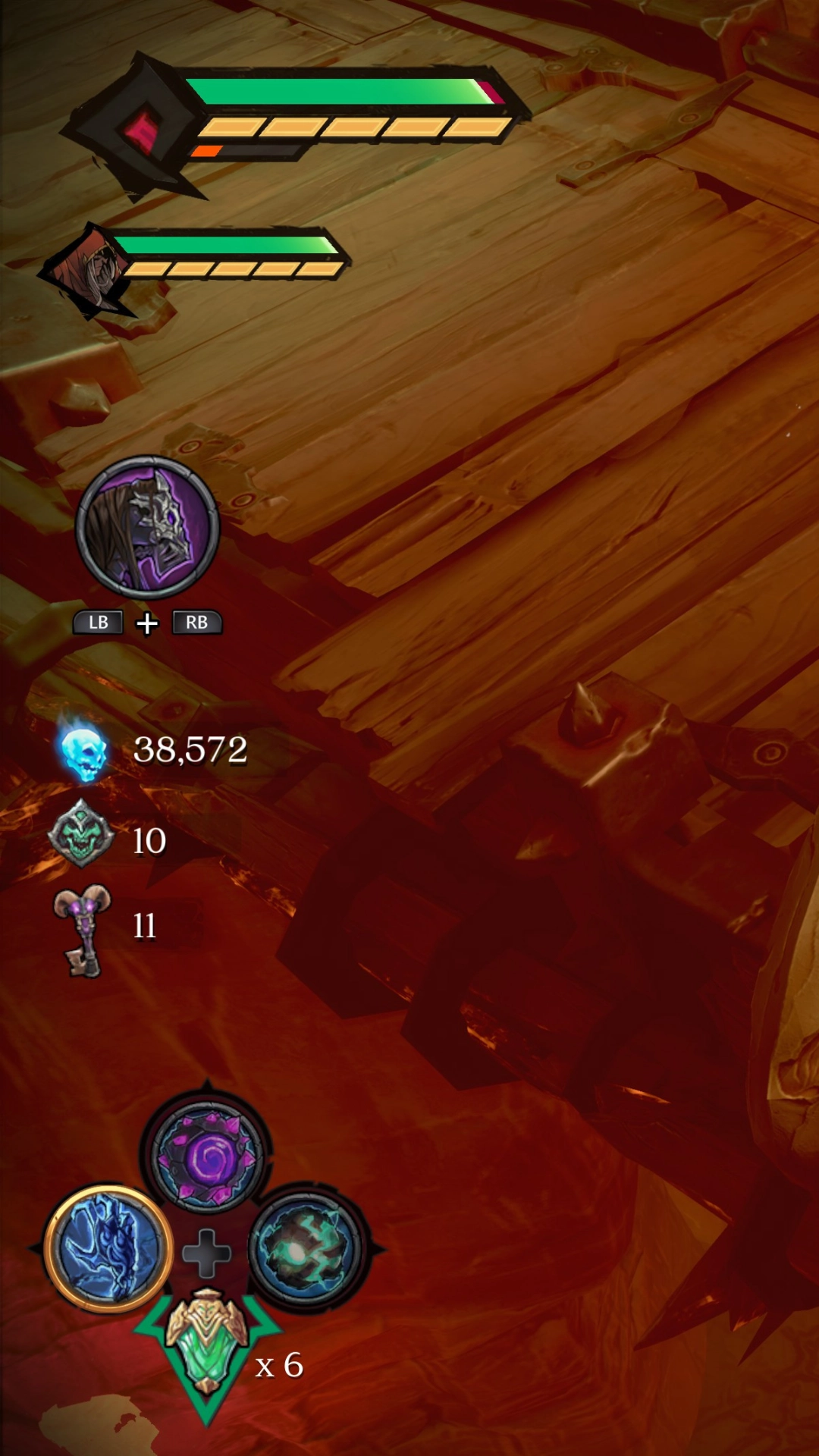
Crafting UI, base building, inventory, resource systems, progression, tooltips, icons, feedback states, and readable player actions.
Technical art, asset integration, gameplay systems, optimization, QA, multiplayer-related tasks, and production help for survival and sandbox games.
WHY STUDIOS WORK WITH VSQUAD
VSQUAD helps survival and sandbox teams build open worlds, systems, environments, assets, and playable content that stay readable and manageable.
BUDGET CONTROL
Survival and sandbox scope grows fast when worlds, systems, assets, and content are not planned together.
Survival and sandbox game development can become expensive when open world design, environments, crafting, base building, resource systems, multiplayer needs, art production, technical art, and engine work move separately. VSQUAD helps shape production around the real task, whether that means sandbox game art production, survival game UI design, open world environment art, technical art, Unity or Unreal support, optimization, QA, or broader production help. This keeps the budget tied to actual progress, not uncontrolled world and content growth.
FEEDBACK NEVER LATE
Survival and sandbox games change during production. Worlds, systems, crafting, combat, and readability need real iteration.
Important feedback does not always arrive at the “right” stage. In survival and sandbox production, world layouts can change after testing, crafting may need clearer feedback, resources can move, base building may evolve, and combat readability often becomes clearer only inside the build. VSQUAD works with that reality. We assess the impact, adjust the work, and keep production moving without unnecessary friction.
RIGHT TEAM
The right task needs the right mix of level design, art, systems, technical art, developers, QA, or production support.
Some survival and sandbox projects need stronger open world design, level design, environment art, modular asset production, props, characters, creatures, animation, or VFX. Others need technical art, asset integration, crafting systems, base building support, Unity or Unreal development, optimization, QA, or production coordination. VSQUAD builds the support around what the project actually needs instead of forcing one fixed model.
STUDIO, NOT A FREELANCER
Survival and sandbox production is too connected to depend on one person disappearing mid-project.
Survival and sandbox projects often require repeated iteration across worlds, systems, environments, props, resources, characters, UI, animation, VFX, technical art, engine integration, QA, and delivery. That is hard to manage when production depends on one disconnected freelancer or narrow specialist. VSQUAD works as a studio, with shared context, internal coordination, continuity, and a team that can support multiple survival and sandbox production needs.
REAL PRODUCTION EXPERIENCE
We understand how worlds, systems, art, optimization, multiplayer, and engine work affect each other.
Survival and sandbox game development is not only about making a large world. Teams also deal with resource gathering, crafting, base building, combat, multiplayer, progression, world readability, asset weight, procedural generation, engine integration, optimization, QA, and release preparation. VSQUAD works with those realities in mind. Our production background helps connect design, art production, technical execution, and playable content.
RIGHT SIZE
One environment pack, one crafting flow, one system, or broader sandbox support. The setup should fit the task.
Some teams need help with one specific survival or sandbox task: open world layout, environment art, modular assets, crafting UI, resource systems, base building assets, characters, creatures, technical art, Unity or Unreal support, optimization, or QA. Others need broader support across survival and sandbox art production, systems, worlds, UI, and engine integration. VSQUAD can plug in where the project actually needs help, without forcing a bigger setup too early.
OUR PROCESS FOR SURVIVAL & SANDBOX GAME DEVELOPMENT
We start by understanding what needs to be designed, built, improved, or moved forward inside the survival or sandbox project. The work may begin from open world design, level layouts, environment art, crafting systems, base building, UI, an existing Unity or Unreal build, or a defined production task. Then we shape the right setup, move through the first pass, review the result in context, and push the work toward production-ready content.
01. TASK AND CONTEXT
We begin by understanding the project, world structure, survival loop, sandbox systems, target platform, engine, current production stage, and exact task.
This can mean open world design, level design, environment art, modular assets, crafting UI, base building systems, resource systems, characters, creatures, technical art, Unity or Unreal support, optimization, QA, or broader production help.
02. RIGHT SETUP
Once the task is clear, we define the team setup that fits the production need.
Some tasks need a level designer, art lead, concept artists, 2D or 3D artists, animators, and VFX artists. Others need an engineering lead, Unity or Unreal developers, technical artists, QA specialists, or a project manager to keep the work moving.
The goal is to put the right people around the task, not to overload the project with a bigger team than it needs.
03. FIRST PASS
We create the first production pass: world layout, level structure, environment assets, modular props, crafting UI, base building assets, characters, creatures, VFX, technical art setup, integration work, or system support, depending on the task.
At this stage, the focus is to make the direction visible, testable, and practical for the survival or sandbox production pipeline.
04. REVIEW AND ITERATION
Survival and sandbox production often changes after worlds, systems, crafting, building, combat, multiplayer, or readability are reviewed in context.
We adjust the work based on feedback, technical impact, production priorities, and the real state of the project instead of treating feedback as a problem.
05. STABILITY AND DELIVERY
We prepare the work for real production use: cleaned assets, structured worlds, modular content, integrated UI, optimized files, QA-ready updates, or stable technical support.
The goal is to deliver survival and sandbox work that is easier to continue, test, expand, and move closer to release.
OUR PROCESS FOR SURVIVAL & SANDBOX GAME DEVELOPMENT
We start by understanding what needs to be designed, built, improved, or moved forward inside the survival or sandbox project. The work may begin from open world design, level layouts, environment art, crafting systems, base building, UI, an existing Unity or Unreal build, or a defined production task. Then we shape the right setup, move through the first pass, review the result in context, and push the work toward production-ready content.
01. TASK AND CONTEXT
We begin by understanding the project, world structure, survival loop, sandbox systems, target platform, engine, current production stage, and exact task.
This can mean open world design, level design, environment art, modular assets, crafting UI, base building systems, resource systems, characters, creatures, technical art, Unity or Unreal support, optimization, QA, or broader production help.
02. RIGHT SETUP
Once the task is clear, we define the team setup that fits the production need.
Some tasks need a level designer, art lead, concept artists, 2D or 3D artists, animators, and VFX artists. Others need an engineering lead, Unity or Unreal developers, technical artists, QA specialists, or a project manager to keep the work moving.
The goal is to put the right people around the task, not to overload the project with a bigger team than it needs.
03. FIRST PASS
We create the first production pass: world layout, level structure, environment assets, modular props, crafting UI, base building assets, characters, creatures, VFX, technical art setup, integration work, or system support, depending on the task.
At this stage, the focus is to make the direction visible, testable, and practical for the survival or sandbox production pipeline.
04. REVIEW AND ITERATION
Survival and sandbox production often changes after worlds, systems, crafting, building, combat, multiplayer, or readability are reviewed in context.
We adjust the work based on feedback, technical impact, production priorities, and the real state of the project instead of treating feedback as a problem.
05. STABILITY AND DELIVERY
We prepare the work for real production use: cleaned assets, structured worlds, modular content, integrated UI, optimized files, QA-ready updates, or stable technical support.
The goal is to deliver survival and sandbox work that is easier to continue, test, expand, and move closer to release.
YOUR SURVIVAL & SANDBOX PRODUCTION TEAM
VSQUAD builds survival and sandbox production support around the actual task, whether it is open world design, level design, environment art, modular assets, crafting systems, base building, technical art, Unity or Unreal support, QA, or production coordination.
01/ ART LEAD
Keeps the visual direction consistent across environments, modular assets, props, characters, creatures, UI, animation, VFX, and game-ready content.
02/ ENGINEERING LEAD & DEVELOPERS
Review the technical side of the task, shape the development setup, and support Unity, Unreal, crafting systems, base building, UI implementation, optimization, technical fixes, and engine integration.
03/ PROJECT MANAGER
Coordinates communication, feedback, priorities, delivery, and production flow across level design, art, development, QA, and technical support.
04/ LEVEL DESIGNER
Supports open world layouts, survival spaces, sandbox areas, resource placement, base locations, exploration routes, player flow, and readable game spaces.
05/ 2D & 3D ARTISTS
Create environments, props, tools, weapons, shelters, resources, characters, creatures, UI elements, animation-ready assets, VFX-ready content, and game-ready production materials.
06/ ANIMATION, VFX & QA SPECIALISTS
Support character animation, combat effects, survival feedback, environmental VFX, technical checks, build review, issue tracking, and release readiness.
Our clients
Trusted by leading game studios worldwide.


OTHER SERVICES

GET IN TOUCH
Got a project in mind? We usually reply within a day.

You can also reach us directly:
-
Our email:
 head@vsquad.art
-
Art Director:
Volodymyr Liubchuk
-
Assistant Producer:
Violetta Popova
-
Job opportunities:
Join our team


FAQ
This can include world layouts, environments, props, tools, weapons, shelters, resources, characters, creatures, UI, animation, VFX, crafting UI, base building assets, Unity and Unreal support, optimization, and game-ready assets.
We can support open world layouts, survival spaces, sandbox areas, resource placement, base locations, exploration routes, terrain planning, player flow, and readable game spaces.
This helps connect world structure, environment art, gameplay, and production before the team moves deeper into assets, systems, or engine integration.
VSQUAD can support survival and sandbox art production across environments, props, tools, weapons, shelters, resources, characters, creatures, UI, icons, animation, VFX, and game-ready assets.
This is useful when the project needs modular assets, readable resources, survival feedback, combat effects, environmental VFX, animation-ready characters, or production-ready content.
Survival and sandbox games often depend on repeated systems: crafting, inventory, resource gathering, base building, upgrades, tools, equipment, combat, progression, and multiplayer interactions.
VSQUAD can help with UI, icons, technical art, asset integration, Unity or Unreal support, gameplay systems, optimization, QA, and production cleanup around these systems.
If you already have a build, brief, backlog, references, world plan, asset list, system description, or production problem, VSQUAD can review it and help define a realistic starting scope.
We can usually give an initial direction before paid work. For a detailed estimate, timeline, or team setup, we may need more context, files, or a short technical review.