

Concept Art for Games
Game concept art for characters, environments, props, creatures, weapons, and visual development. We help shape ideas before they move into production.
Concept Art Capabilities
Concept art is not just about making a beautiful image. In game production, concept art helps the team define the visual direction before time and budget go into 2D production, 3D modeling, animation, VFX, UI, or engine work.
A strong concept art stage helps clarify character design, creature design, environment concept art, props, weapons, costume logic, color direction, mood, materials, silhouettes, and the overall visual language of the game.
VSQUAD supports concept art for stylized, realistic, semi-realistic, fantasy, sci-fi, horror, casual, and production-driven game projects. We can work from a rough idea, written brief, gameplay description, reference board, existing art direction, or a more developed production pipeline.
The goal is simple: help the client see what the game should look like before expensive production starts. Good concept art reduces wrong turns, clarifies feedback, and gives 2D artists, 3D artists, animators, VFX artists, and developers a clearer target.
When needed, concept work can also support key art, promotional illustrations, or pitch materials, but the main purpose is to define the visual direction for production.
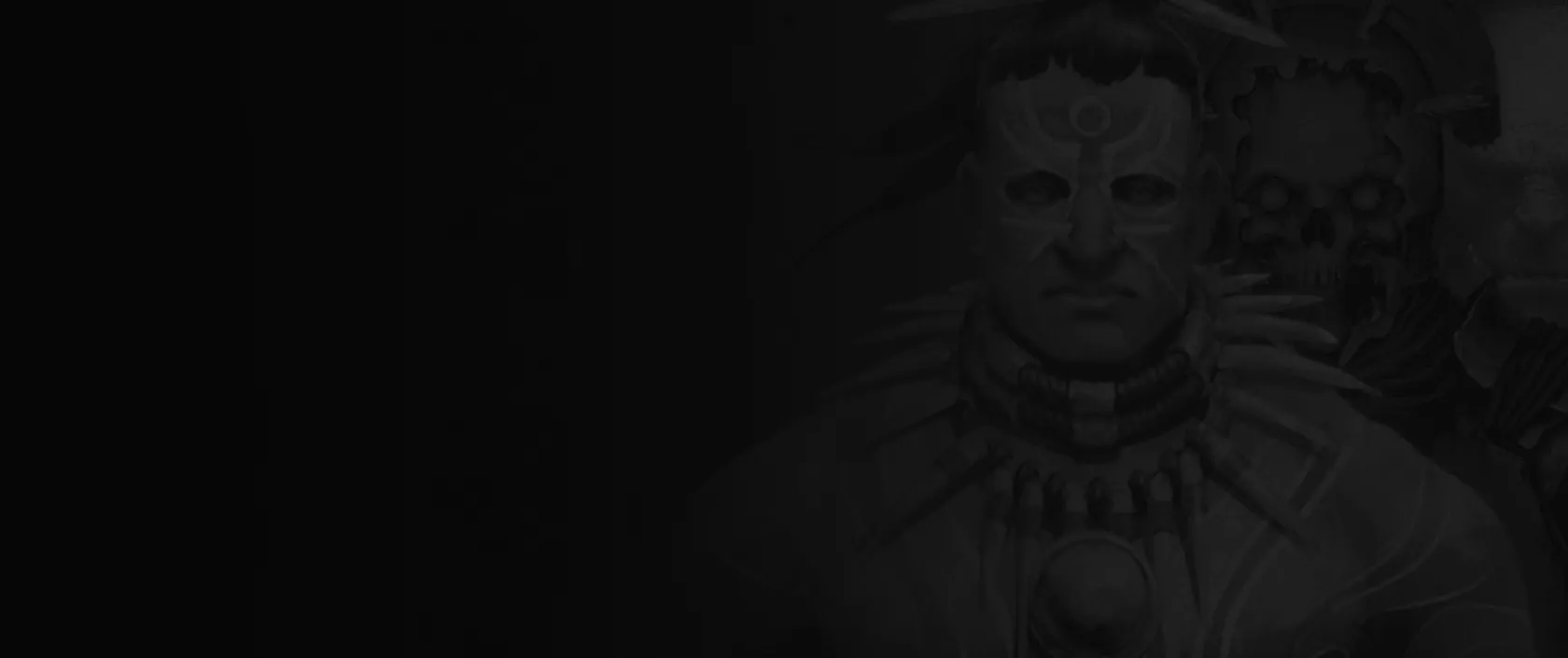
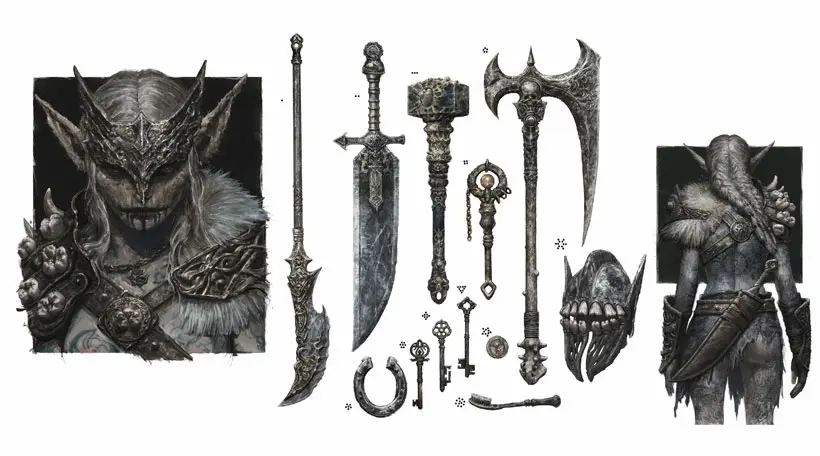
Character & Creature Concept Art
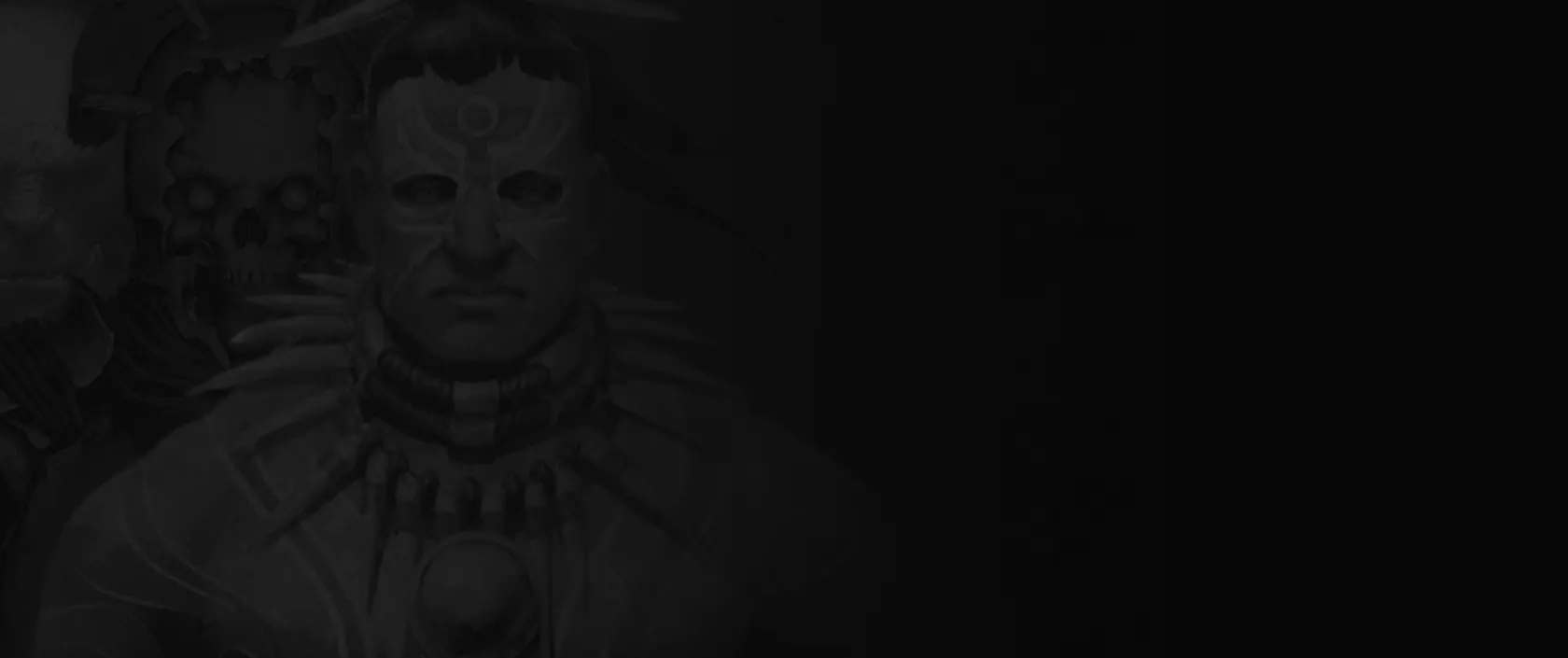
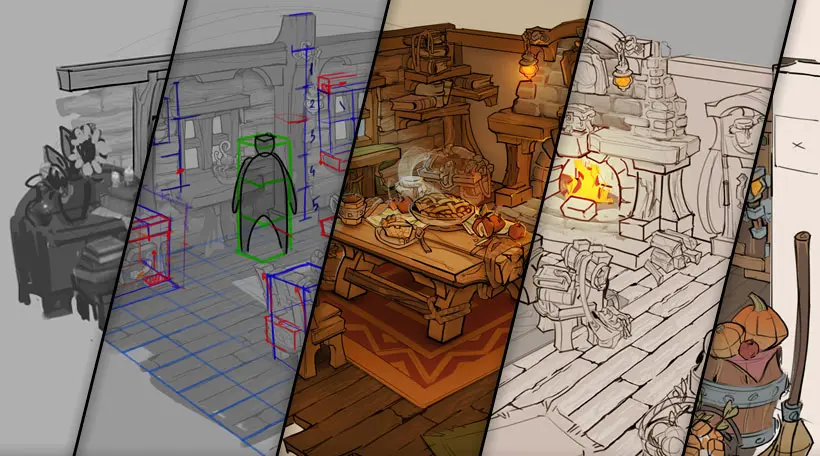
Environment Concept Art
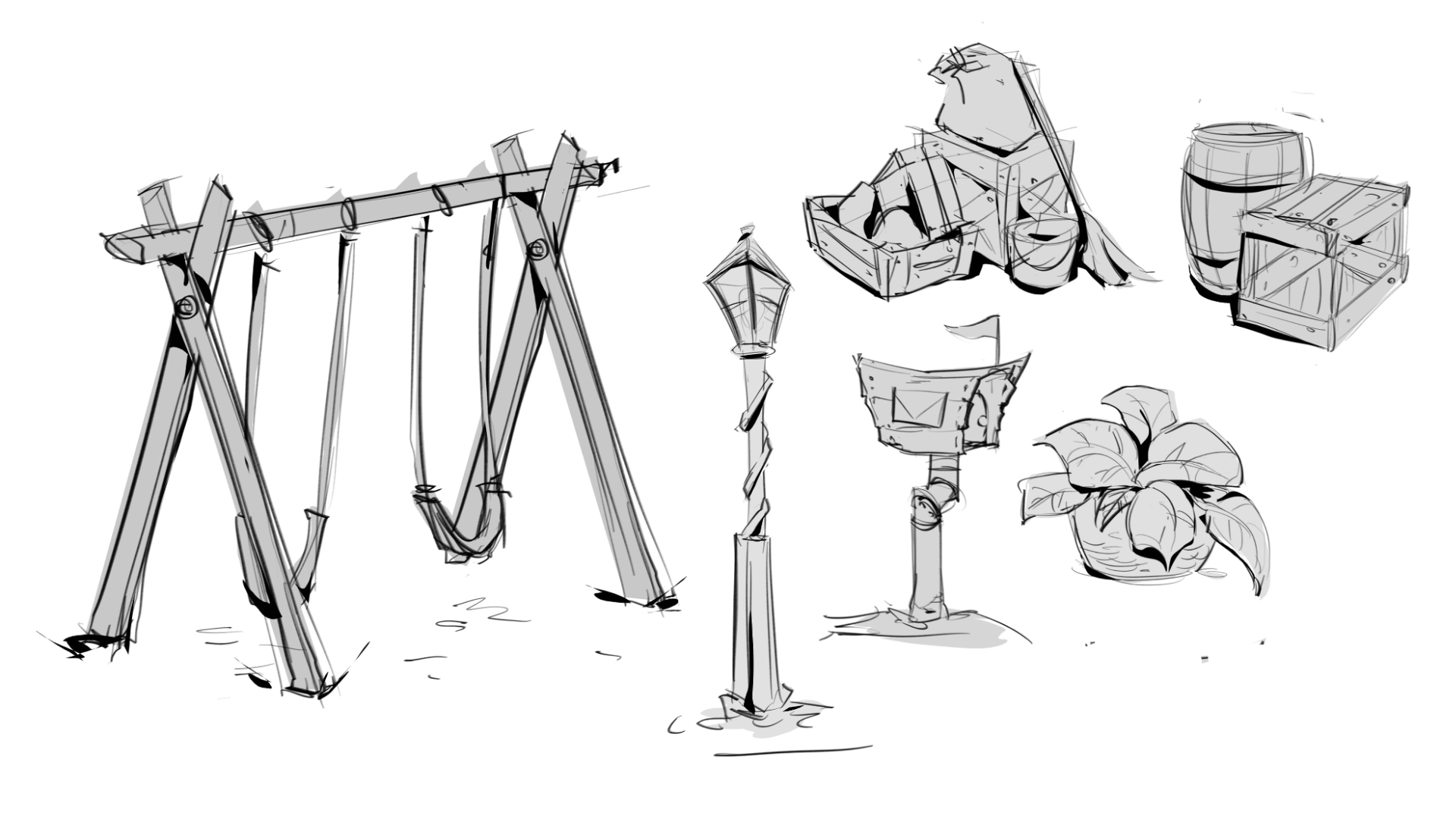
Props, Weapons & Object Concepts

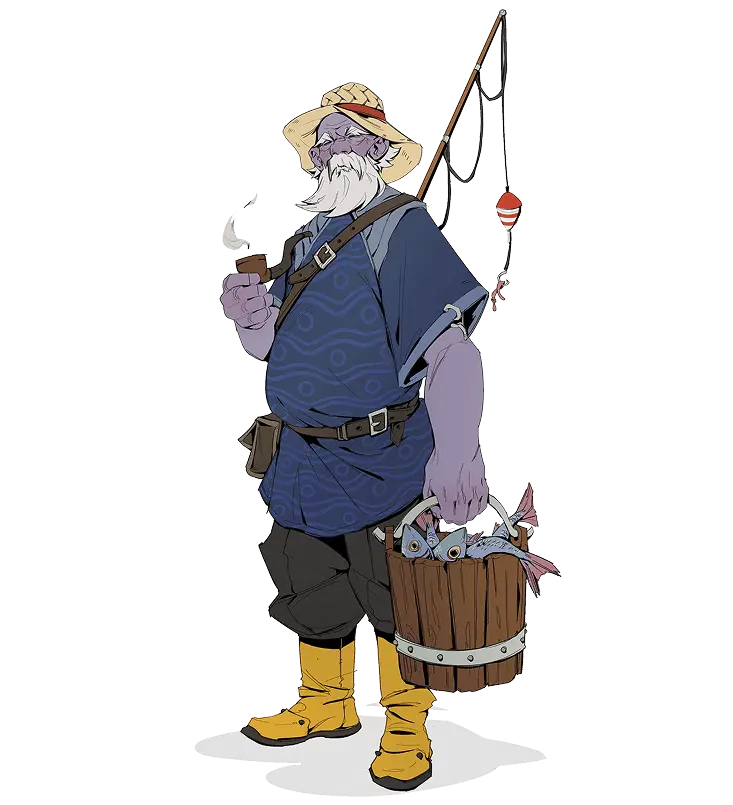
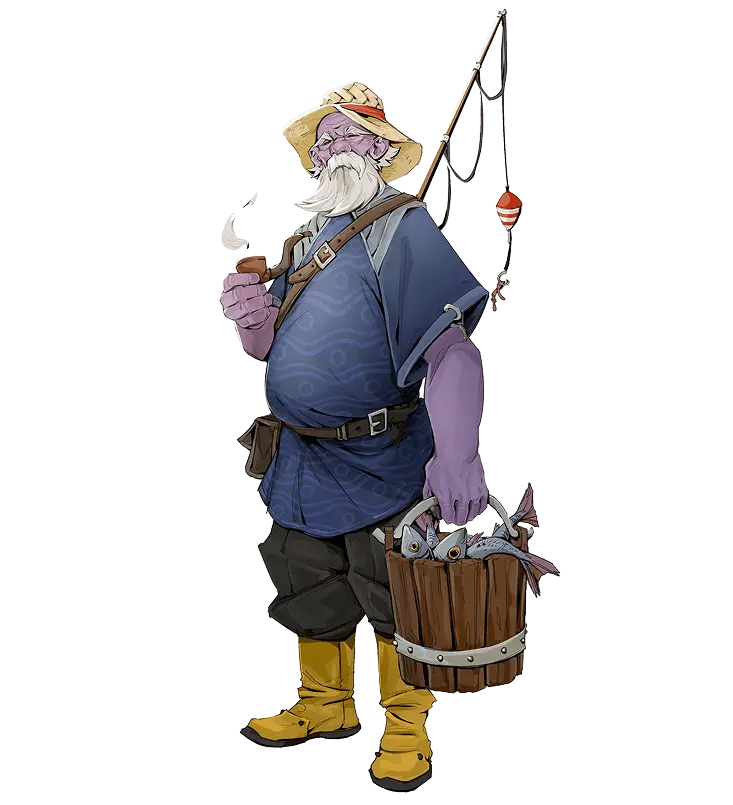
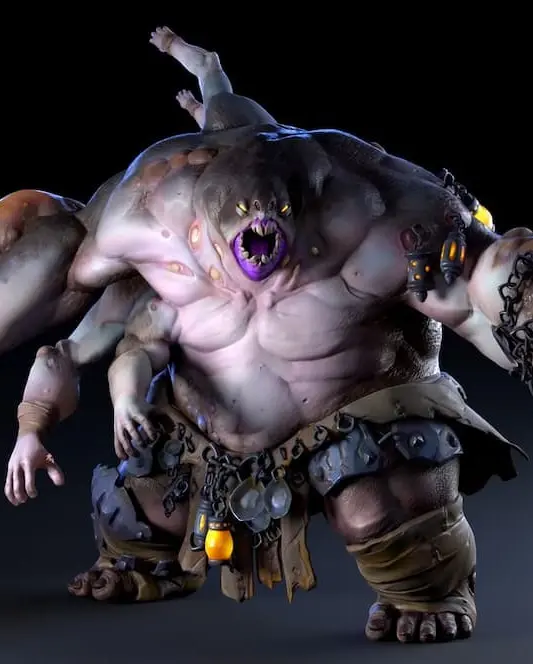
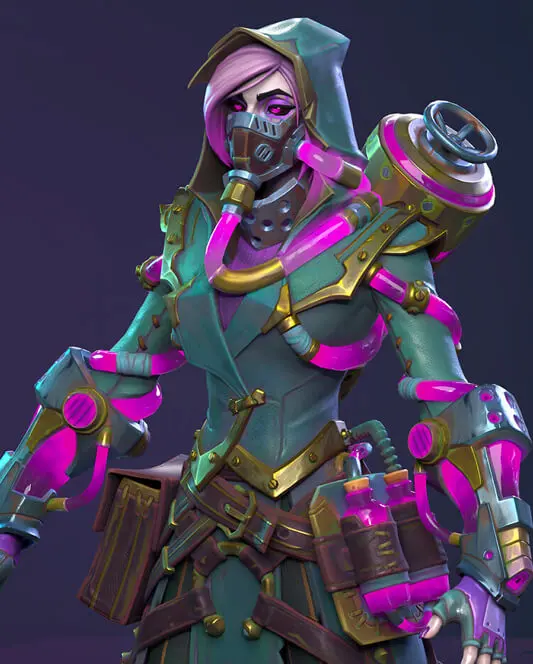
Heroes, NPCs, enemies, bosses, creatures, factions, skins, and gameplay character ideas.
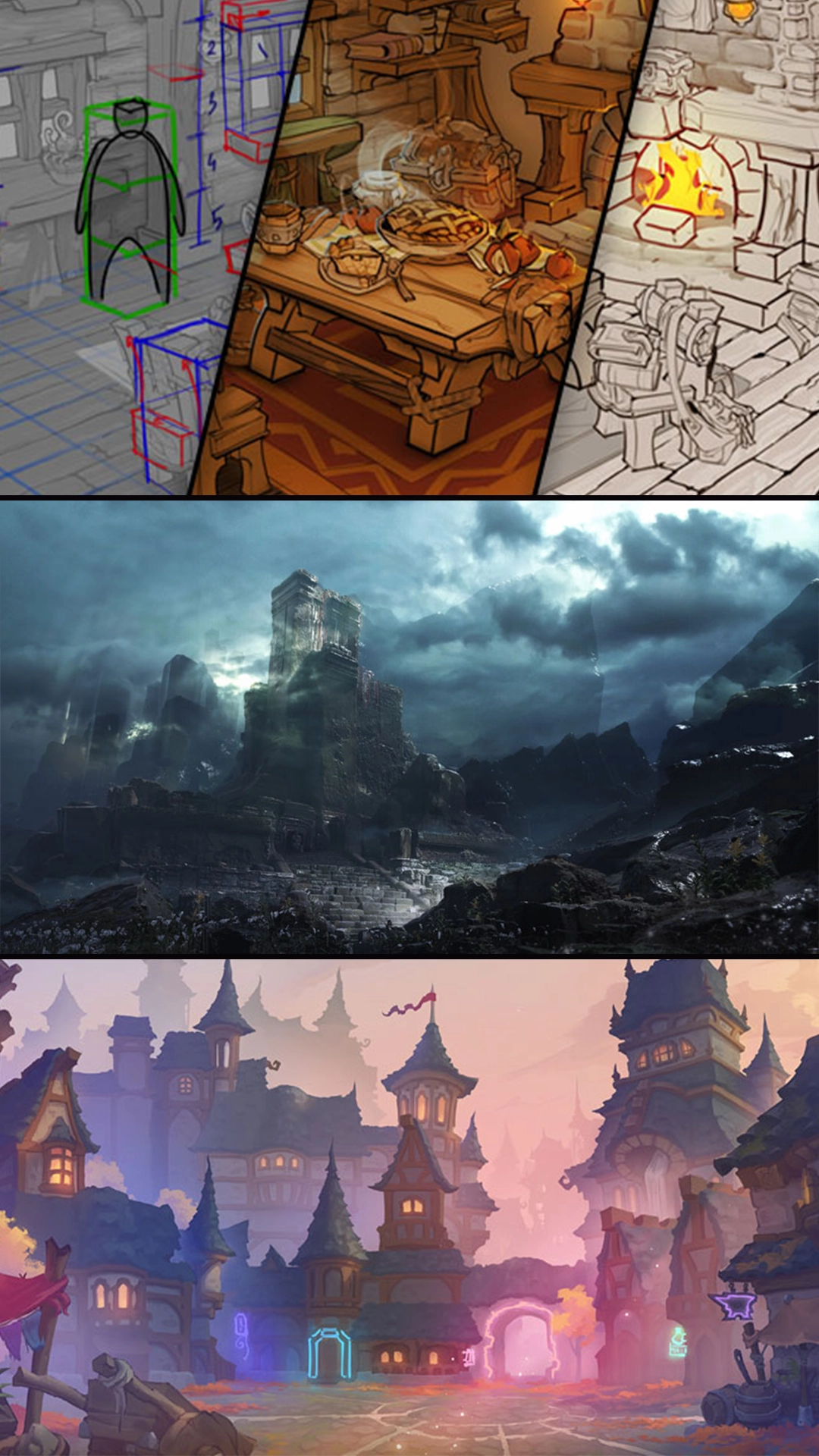
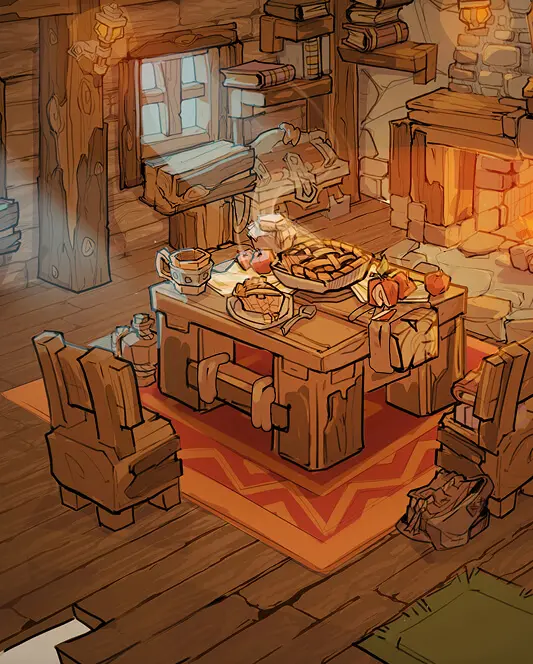
Locations, interiors, exteriors, mood, lighting, world-building, and visual direction.
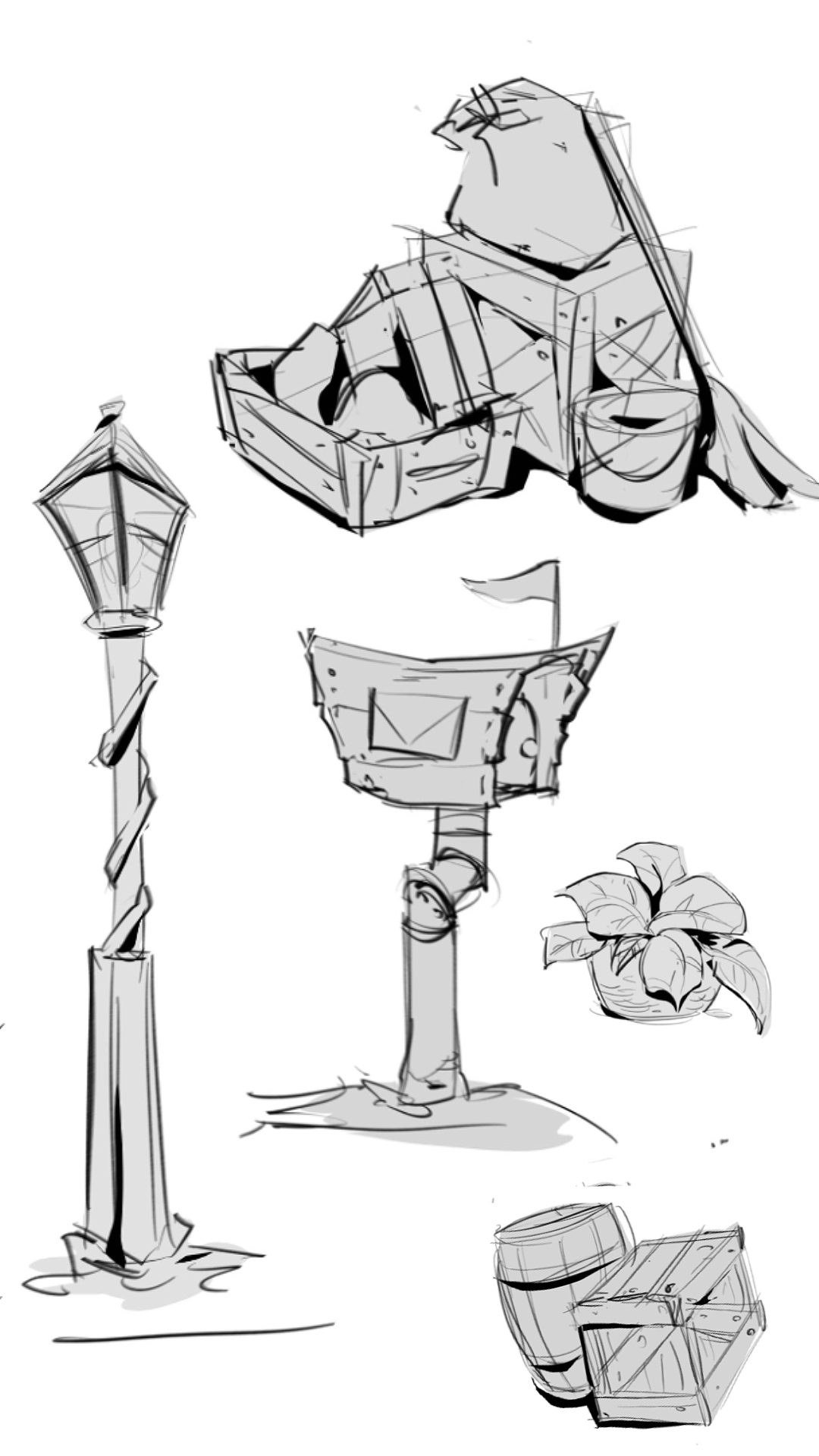
Weapons, gear, props, vehicles, equipment, interactive objects, and functional game assets.
YOUR 2D ART PRODUCTION TEAM
You do not need the most senior person by default. You need the right specialist at the right stage, within the project’s budget.
Elizaveta Sokolova
Creative Art Director | Illustration, 2D Art & Visual Storytelling
Award-winning artist and creative art director with 20+ years across Legends of Allods, Allods Online, Cossacks 3, Devoid of Shadows, and more.
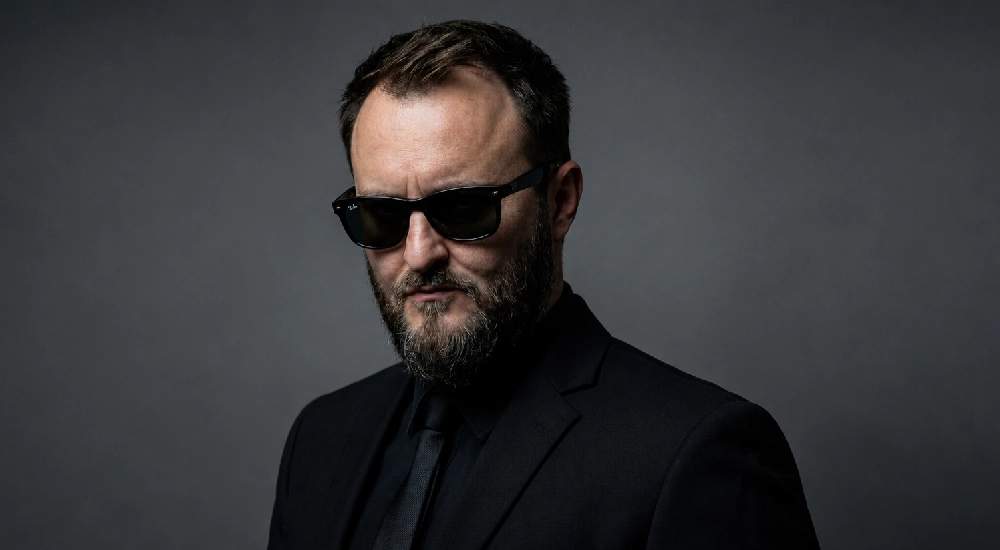
Danila Vlasov
Art Director | Visual Development & Concept Art
Leads art direction and visual development for games, combining 25+ years of experience in concept art, team leadership, and high-quality content production.

Hanna Nor
Lead Production Manager | Creative & Game Production
Manages full-cycle production across art, animation, development support, partners, feedback, budgets, deadlines, and final delivery.
Why Studios Work with VSQUAD
VSQUAD supports game studios with concept art shaped around the game’s actual vision.
We use fast drafts, clear feedback, and production-aware visual development to move art in the right direction early.
Budget Control
Good concept art helps avoid expensive wrong turns later in production.
Concept art is one of the safest places to test visual direction before the project moves into expensive production stages. It is much cheaper to adjust a character silhouette, creature shape, weapon idea, prop design, or environment mood during concept than after the asset is already modeled, textured, animated, or placed in the engine. We help define the visual target early, so the next production stages have fewer blind guesses and fewer costly revisions.
Feedback Can Change Things
If important feedback comes in late, we deal with it. We do not hide behind stages.
Important feedback does not always arrive at the “right” stage. In real production, art leads and producers are responsible for the whole game, not for protecting a perfectly clean review timeline. Sometimes a visual issue becomes clear later, after a new comparison, internal review, gameplay context, or art director note. VSQUAD works with that reality, adjusts the work, and keeps production moving without turning normal feedback into unnecessary friction.
Style Consistency
New concepts feel like part of the same game, not separate outsourced additions.
Concept art has to support the game’s existing visual language. We look at shape language, proportions, materials, color direction, mood, readability, genre, and existing references. This helps characters, creatures, environments, props, and weapons feel like they belong to the same world. That matters even more when several artists later work on 2D assets, 3D models, animation, VFX, or UI.
Game-Ready Direction
Concepts are created for production use, not just for nice presentation shots.
For game production, concept art has to be useful after approval. A good concept should help 2D artists, 3D artists, animators, technical artists, and developers understand what needs to be built. That means clear silhouettes, readable materials, functional design logic, useful views when needed, and enough information for the next production stage. We treat concept art as a production tool, not as decoration.
Flexible Scale
Start with one task and grow only if the project needs more.
Not every project needs a large concept team from day one. Some teams need one character direction, one creature design, one environment mood piece, or one prop set. Others need broader visual development across characters, environments, weapons, creatures, factions, and world-building. VSQUAD can start with a focused task and scale only if the project needs more concept support.
Clear Communication
You know what is moving, what is blocked, and what needs a decision.
Concept work can become messy when feedback, references, and decisions are scattered. We keep the process practical: collect references, clarify the task, show drafts, track feedback, and move toward an approved direction. For larger tasks, we can maintain visual documentation with requirements, notes, decisions, and approved examples. This helps the client and production team stay on the same page before the work moves into full asset production.
Our Concept Art Process
We start by understanding the game, the visual direction, and the production goal behind the concept.
The process can change depending on the task, but the idea stays the same: define the visual direction early, test ideas quickly, and prepare concepts that help the next production stage.
01 Brief
We start by understanding the task, references, target platform, genre, and visual goals.
At this stage, we define what matters most for the project: character readability, creature logic, environment mood, prop function, weapon silhouette, style direction, production scope, and technical needs.
02 References
We review references together and define the visual direction before deeper work begins.
This helps avoid mismatched expectations and gives the team a clear style target for character design, creature design, environment concept art, props, weapons, or visual development.
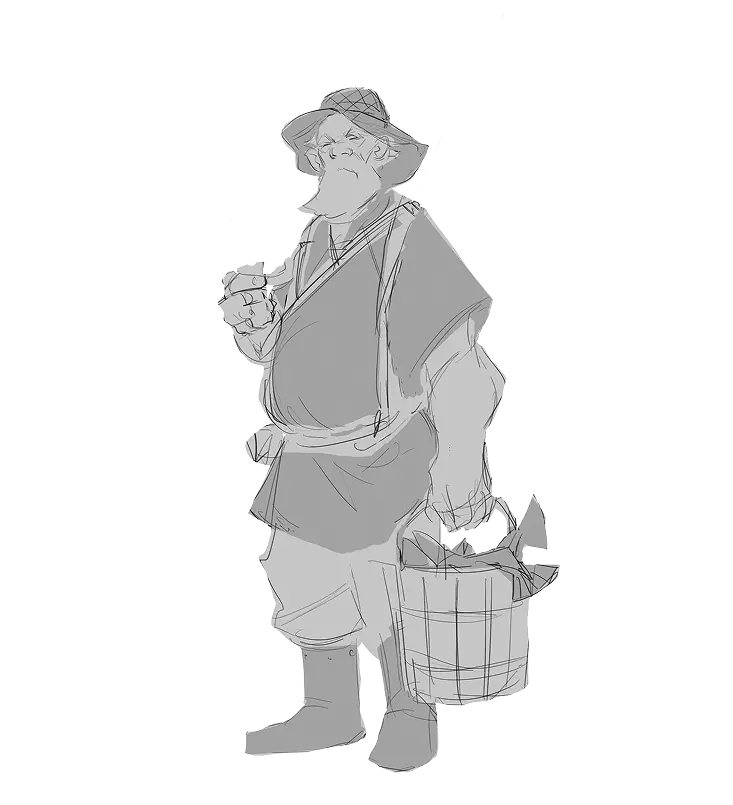
03 First Drafts
We create fast concept drafts to explore shape, mood, composition, color, and design direction.
For characters and creatures, this can include silhouettes, proportions, costume logic, anatomy, and visual personality.
For environments, props, and weapons, this can include mood sketches, layout ideas, object function, material logic, and style tests.
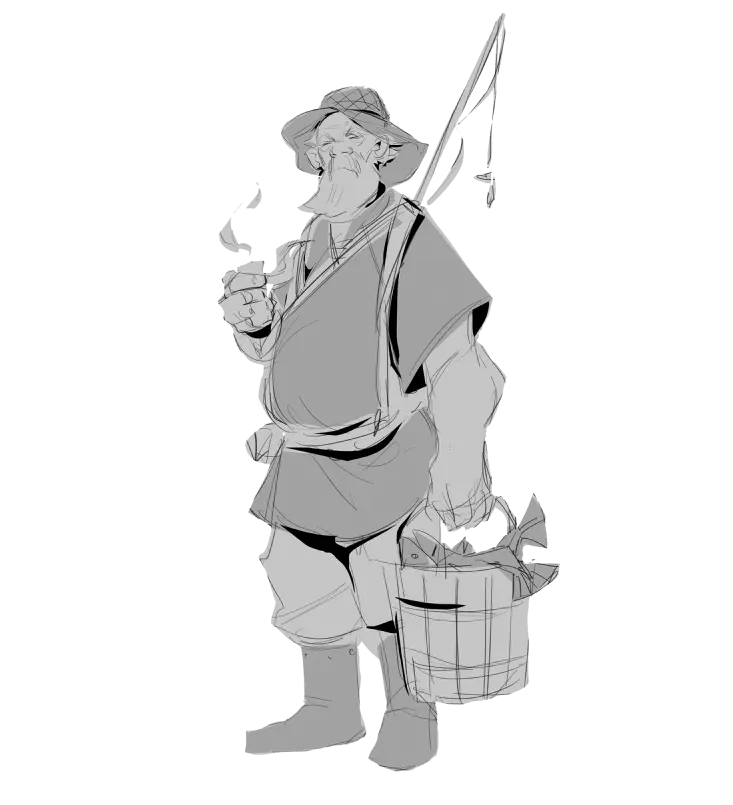
04 Concept Development
After the direction is approved, we develop the chosen idea into a clearer production concept.
This can include cleaner line work, color direction, material notes, extra views, callouts, variations, or details needed by 2D artists, 3D artists, animators, VFX artists, or developers.
The goal is not only to make the concept look good, but to make it useful for production.
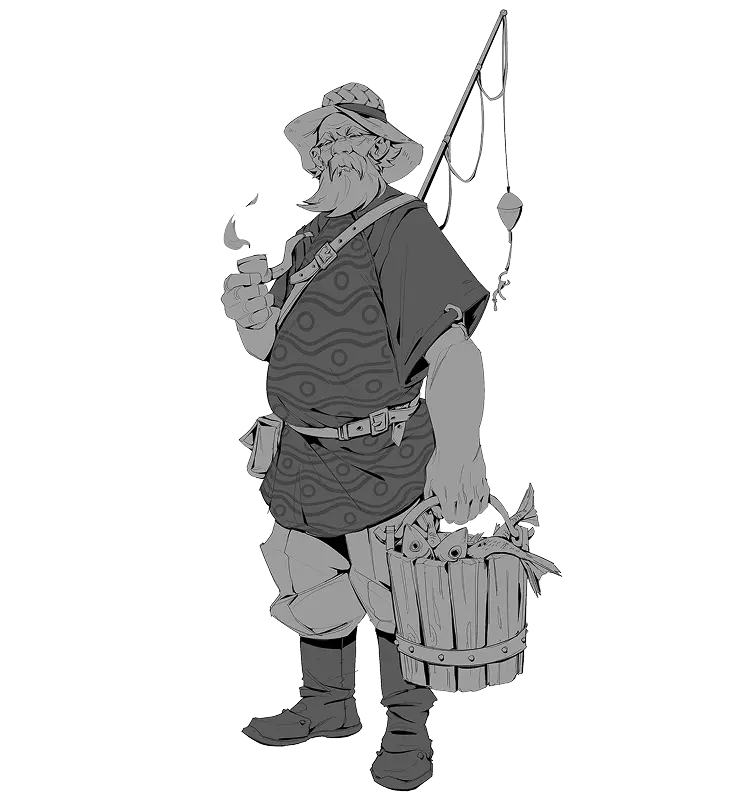
05 Delivery
We prepare the final concept materials for the next stage of production.
Depending on the task, delivery can include final concept art, design variations, color options, reference notes, callouts, layered files, or visual documentation.
The result should give the team a clear direction before the asset moves into 2D production, 3D modeling, animation, VFX, UI, or engine work.
Our Concept Art Process
We start by understanding the game, the visual direction, and the production goal behind the concept.
The process can change depending on the task, but the idea stays the same: define the visual direction early, test ideas quickly, and prepare concepts that help the next production stage.
01 Brief
We start by understanding the task, references, target platform, genre, and visual goals.
At this stage, we define what matters most for the project: character readability, creature logic, environment mood, prop function, weapon silhouette, style direction, production scope, and technical needs.
02 References
We review references together and define the visual direction before deeper work begins.
This helps avoid mismatched expectations and gives the team a clear style target for character design, creature design, environment concept art, props, weapons, or visual development.
03 First Drafts
We create fast concept drafts to explore shape, mood, composition, color, and design direction.
For characters and creatures, this can include silhouettes, proportions, costume logic, anatomy, and visual personality.
For environments, props, and weapons, this can include mood sketches, layout ideas, object function, material logic, and style tests.
04 Concept Development
After the direction is approved, we develop the chosen idea into a clearer production concept.
This can include cleaner line work, color direction, material notes, extra views, callouts, variations, or details needed by 2D artists, 3D artists, animators, VFX artists, or developers.
The goal is not only to make the concept look good, but to make it useful for production.
05 Delivery
We prepare the final concept materials for the next stage of production.
Depending on the task, delivery can include final concept art, design variations, color options, reference notes, callouts, layered files, or visual documentation.
The result should give the team a clear direction before the asset moves into 2D production, 3D modeling, animation, VFX, UI, or engine work.
Our clients
Trusted by leading game studios worldwide.


What Else Can We Do?
GET IN TOUCH
Got a project in mind? We usually reply within a day.

You can also reach us directly:
-
Our email:
 head@vsquad.art
-
Art Director:
Volodymyr Liubchuk
-
Assistant Producer:
Violetta Popova
-
Job opportunities:
Join our team


FAQ
Common questions about 2D character art production, workflow, feedback, and project scope.
If you do not see your case below, send us a message and we will suggest the best approach for your team.
VSQUAD supports 2D character art production for teams that need anything from one character task to a broader production workload. Some clients come with a small indie game, limited budget, and a need for flexible support. Others need help with character concepts, character sheets, sprite sheets, animation-ready assets, 2D animation, VFX, or production-ready files for Unity or Unreal Engine. We adjust the team setup around the real scope, pipeline, timeline, and budget.
This can include rough sketches, draft concepts for 3D production, final character concepts, costume variants, facial expressions, damaged states, sprite sheets, animation-ready rigs, 2D animation assets, sprite-based VFX, and export-ready files. Our 2D character art design services can support early visual development, full character production, or only one specific stage where your team needs help.
In real 2D character production, feedback does not always arrive at the perfect stage. A silhouette can change, costume details can shift, gameplay needs can affect readability, and animation or implementation requirements can become clearer after review. We assess the impact first, adjust the character work where needed, and keep production moving without turning normal feedback into unnecessary friction.
Not every 2D character starts from a clean final brief. Sometimes the input is an early idea, AI draft, gameplay role, mood reference, environment direction, or a few examples from similar games. We can help shape that into a clearer character direction before production goes too far. This helps define silhouette, costume logic, personality, style, readability, and production needs earlier.
Depending on the project, this can include layered character files, correct pivot points, sprite sheets, PNG sequences, animation-ready rigs, skeleton rig preparation, or assets prepared for further animation work. If needed, we can also support 2D animation and sprite-based VFX, so the character is not only drawn well, but also prepared for movement, gameplay use, and engine implementation.
Production-ready character art is not only about the final image. Assets may need clean layers, proper naming, sprite atlases, PNG sequences, JSON metadata for skeleton rigs, correct export formats, pivot points, and structure for implementation. We prepare files so they are easier to pass to animators, technical artists, Unity developers, Unreal Engine developers, or the next production team.
We use your existing assets, references, art bible, style guides, and visual benchmarks to keep new characters consistent with the project. This can apply to stylized 2D character art, painterly characters, mobile-friendly characters, pixel-inspired work, vector-based art, or more realistic 2D designs. The goal is not to force a new style, but to fit the character into the game’s existing visual language.
Some teams need one hero character, one NPC, one skin, one sprite sheet, or one urgent 2D character task. Others need support across a larger production workload: multiple characters, variants, costumes, facial expressions, animation-ready assets, 2D VFX, or ongoing character production over time. VSQUAD can plug in where the workload actually is, without forcing a bigger setup than the project needs.
Some 2D character tasks need stronger art direction, complex concept work, or advanced polish. Others are better handled by a production artist working under lead control. We define what actually matters for the character: style, readability, detail level, animation needs, variants, engine use, and delivery format. This helps keep the budget focused on the parts of 2D character production that matter most.
You can send a brief, art bible, references, existing assets, rough sketches, animation requirements, engine requirements, or just a description of the character task. We will help define the best next step: concept exploration, character sheet, production-ready 2D asset, sprite sheet, animation support, VFX support, or engine-ready handoff.