



Many mobile strategy games follow the same formula: aggressive monetization, endless timers, and progression tied closely to spending. Medieval Legends is trying to move in the opposite direction.
Created by the studio Believor, Medieval Legends is an upcoming free-to-play mobile base-building game inspired by Social Empires.
While nostalgia played a major role in the project’s origin, the goal was never to simply recreate an old dead Facebook game on mobile.
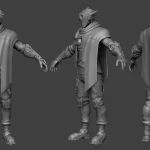
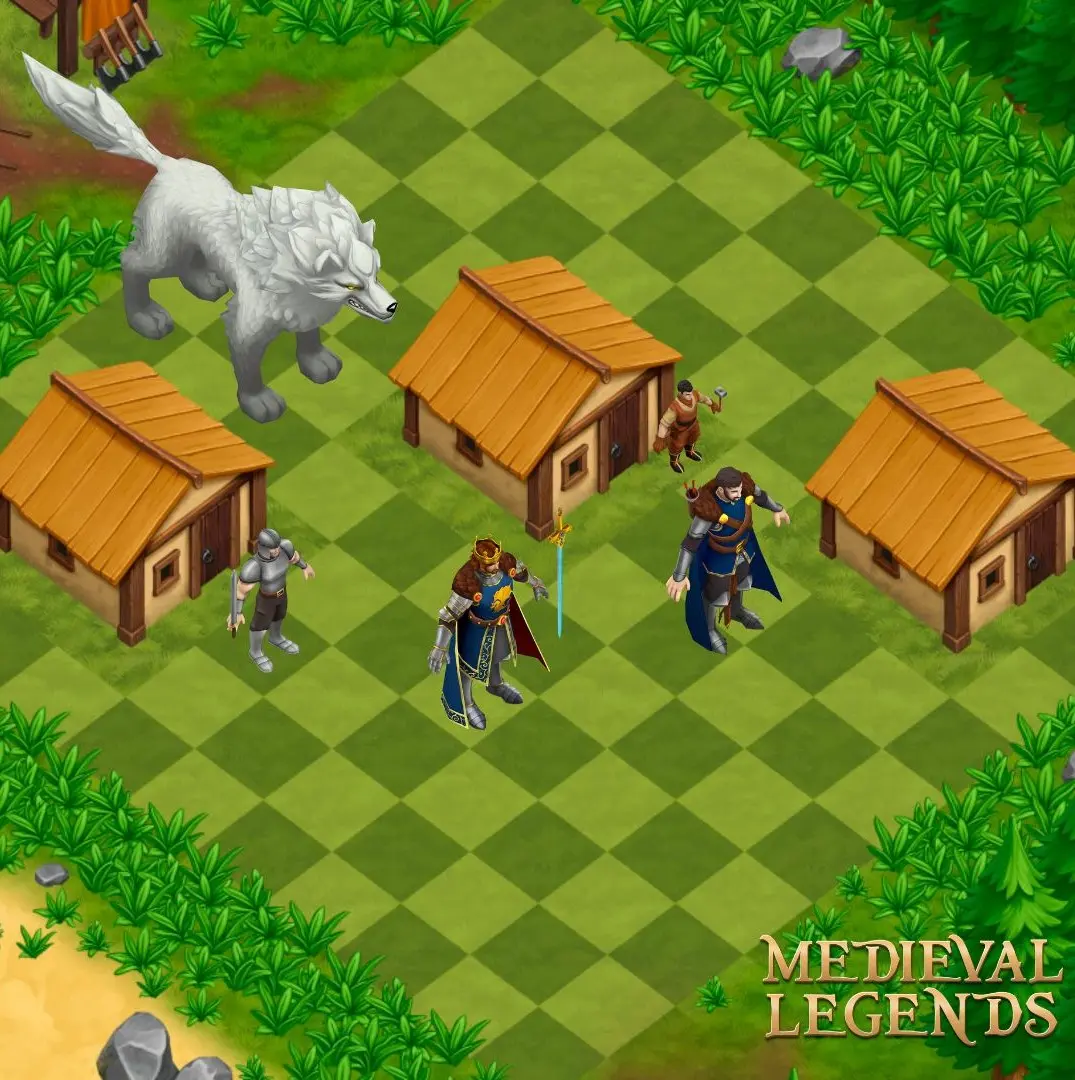
Inspired by medieval history, featuring both real and fantasy Heroes alongside Dragons and mystical creatures, the vision was to build a long-term base-building game with unique characters and buildings, a competitive multiplayer system and a cosmetic-only monetization that keep progression equal to all the players, while leaving pay-to-win mechanics completely out of the game.
Behind it is a first-time founder from outside the gaming industry, who started with Unity tutorials and a desire to go against the current state of heavily pay-to-win mobile games by trying to create something different and new within the strategy genre.

Main topics:
– Mobile Base Building development
– Multiplayer systems
– Fair monetization
– Indie production
– Unity development
– Live-service thinking
Idea Origins
For many developers, inspiration comes from childhood games. Rodrigo’s story is no different.
Q: Where did the idea for Medieval Legends come from?
A: It comes from Social Empires, which when I was younger was one of my favorite games.
The game was shut down by Social Point many years ago, but the nostalgia stayed with me.
Two years ago, while searching for a way to play it again, I found a preservation project of Social Empires and started playing it. It only had basic features and was full of bugs, so after spending many hours playing it, despite all the back and forth in progression, it became part of my daily routine, but it felt strange to play that kind of game on PC instead of on mobile, like we do nowadays with similar games.
Seeing so many people still wanting to play that game made me feel that maybe there was room for something bigger and better.
That was the moment I started thinking about building something new for mobile inspired by that game. I wanted to create something that respected the feeling and identity of Social Empires, while following the modern design principles that made games like Clash of Clans successful.
So I followed that path and tried to build something in between, inspired by those games, but still unique and not just another copy.
Rejecting Pay-to-Win Mobile Design
One of the clearest differences between Medieval Legends and other games in the genre is its monetization philosophy.
Instead of following the traditional pay-to-win model, where new players can surpass old players with thousands of hours by just spending money, Medieval Legends is designed around a fair progression system where only skill and dedication define progression, with cosmetic-only monetization that completely avoids pay-to-win mechanics.
Q: Why was avoiding pay-to-win mechanics so important for the project?
A: A lot of mobile strategy games create pressure to spend money constantly. My friends and I always disliked that feeling in games we played ourselves. It didn’t feel right that years of playing every single day could be matched in just a few days by someone simply spending money. Not only that, but also that once we reached a certain level of progression, it becomes impossible to continue progressing without paying.
I wanted Medieval Legends to feel competitive and fair. If players win, it should come from strategy, dedication, and learning the game – not from simply paying more.
That philosophy became one of the core pillars of the project very early on. The game will only sell cosmetic content like skins and decorations that don’t affect progression or player power.

New In Game Development
One of the more interesting parts of Rodrigo’s story is that he did not come from a traditional game industry background.
Q: How did you start learning game development?
A: I started by doing a lot of research and watching a lot of YouTube videos every day for a while. That led me to Unity, and then YouTube tutorials especially those focused on mobile and base-building games.
That helped me understand the engine, UX/UI design, and how features are implemented and tested.
At that point, with the programming knowledge I had, I started to realise that the scope of what I wanted to build was far beyond what I could handle.
I quickly understood that I wouldn’t be able to handle everything alone, and that it would be better and more efficient to focus my time on the things I’m good at while finding people to help with the rest. That is what eventually led me to VSQUAD.
Building a Mobile Base Building for the Long Term
While most indie developers choose Steam as their entry point, Rodrigo deliberately chose mobile, since it made more sense for creating a long-term live-service game that could grow and evolve over many years and build a community around it.
Q: What kind of experience are you trying to create for players long-term?
A: I want Medieval Legends to become part of players’ daily routine.
I want players to feel like the game is always with them, right in their pocket wherever they go, ready for a quick session on the metro or a long session on the sofa, always with something to do.
A place where players can always have fun while knowing that skill and dedication are what truly define progression. Everyone has the same opportunity to reach the top and no wallet can change that.
Q: What makes Medieval Legends different from other mobile strategy games?
A: The biggest difference between Medieval Legends and other mobile strategy games is its monetization philosophy.
Many players are frustrated with the aggressive monetization found in modern strategy games, especially mobile 4X titles. Medieval Legends is designed as an alternative to that approach, featuring a fair progression system with cosmetic-only monetization.
With a wide variety of characters, such as Dragons, mythical creatures, and legendary Heroes, fantasy and the medieval age go hand in hand in Medieval Legends. The game features multiple game modes, including a single-player History Mode focused on the world’s story, where players battle Demons while rescuing imprisoned Heroes, alongside with multiplayer village battles and real-time tournaments.

The Future of Fair Play in Mobile RTS
Medieval Legends is still early in its journey, but the project already reflects a growing trend in indie mobile game development, where newer independent studios are trying to rethink how long-term multiplayer games can work without relying heavily on pay-to-win systems.
What makes Rodrigo’s story interesting is not only the nostalgia behind the project, but also the production journey itself. Starting with YouTube tutorials, alongside extensive research and experimentation, what began as a solo project evolved into the development of a multiplayer base-building game filled with systems, and long-term design thinking behind it.
For other game developers, especially first-time founders, the biggest takeaway may be simple: sometimes the strongest motivation doesn’t come from market analysis focused on short-term revenue, but from trying to create a game you truly believe should exist, a game that is fair, equal for all players, and built around passion rather than monetization pressure, where skill and dedication genuinely matter and everyone has the opportunity to progress the same way.
Explore more behind-the-scenes stories in our exclusive interview series. We have many more conversations with industry visionaries coming soon, so be sure to visit us again.
Get in touch
Got a project in mind? We usually reply within a day.