

Game Art Direction
Art direction support for game teams that need visual consistency, clear feedback, production control, and stronger decisions across characters, environments, UI, animation, VFX, and game-ready assets.
Types of Art Direction Support
Different kinds of game art direction support for different production needs.
Art direction in game production is not only about “good taste” or making beautiful images. It is about keeping the whole visual side of the project under control: characters, environments, props, UI, animation, VFX, mood, readability, style, and production decisions.
Sometimes the team needs help at the very beginning: visual development, art bible, style exploration, character direction, environment direction, mood boards, or early production guidelines. Sometimes the game already has a visual style, but the team needs stronger review, clearer feedback, and better consistency across assets.
VSQUAD can support game teams with art direction for characters, creatures, environments, props, weapons, UI, animation, VFX, and game-ready assets. We can help define the visual target, review work in progress, guide internal or external artists, prepare feedback, and keep the production moving in one clear direction.
The goal is simple: fewer random decisions, fewer style breaks, fewer expensive reworks, and a clearer visual path for the team.
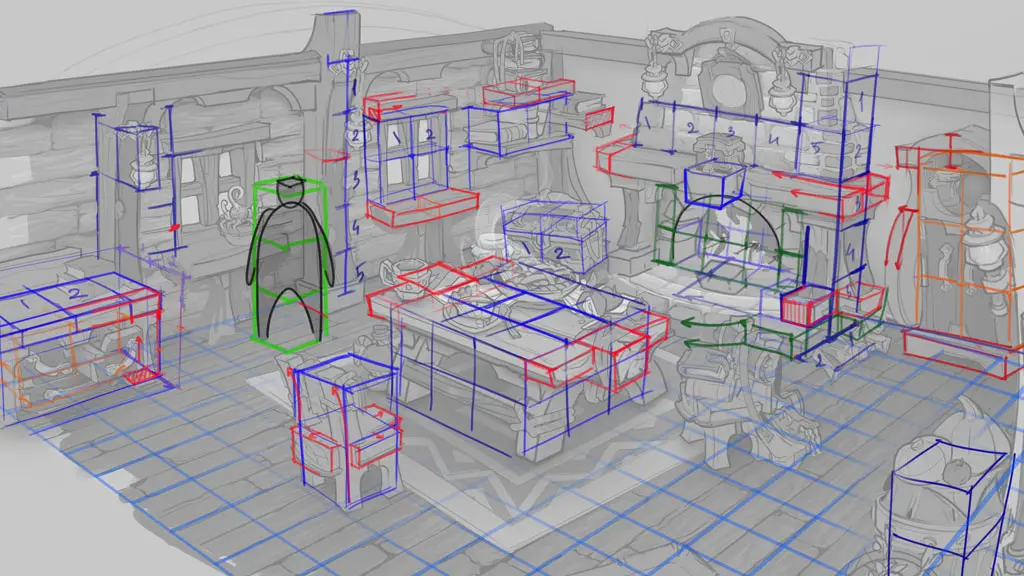
Visual Development
Art Bible & Style Guide
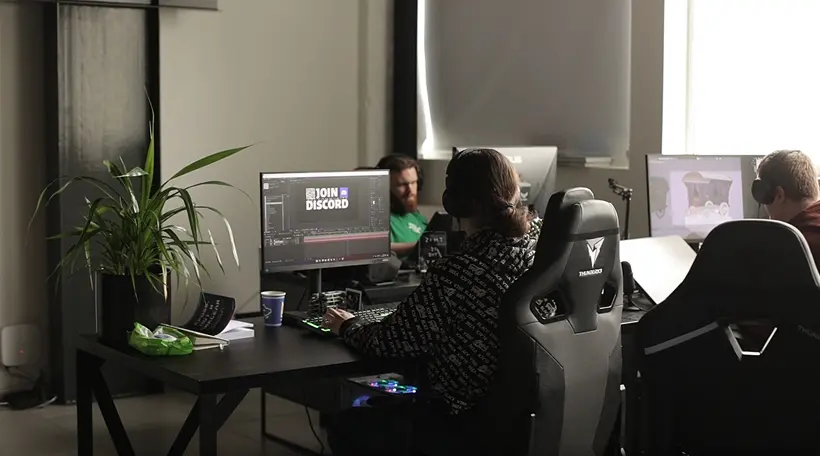
Team Review & Feedback
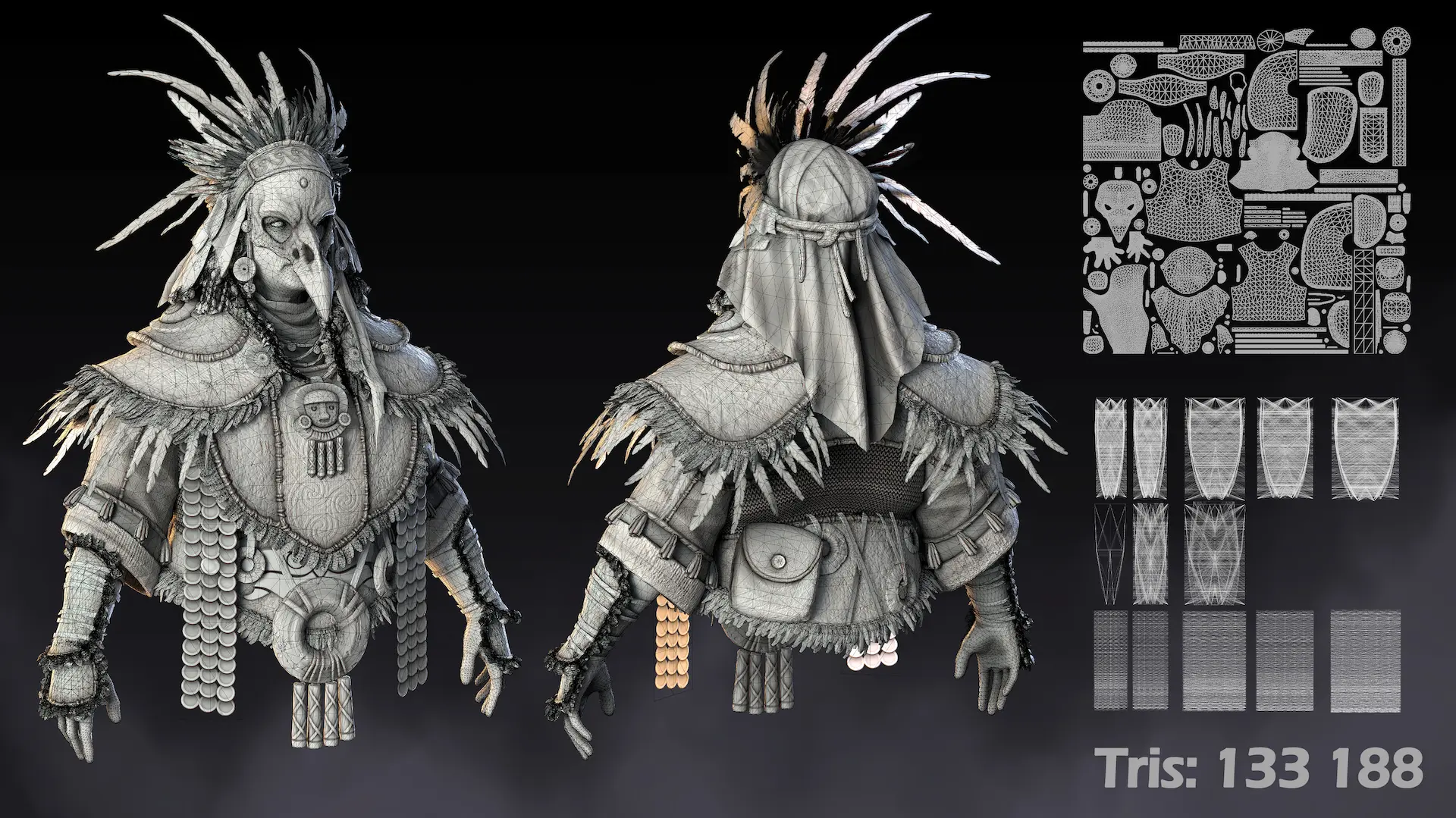
Character & Environment Direction
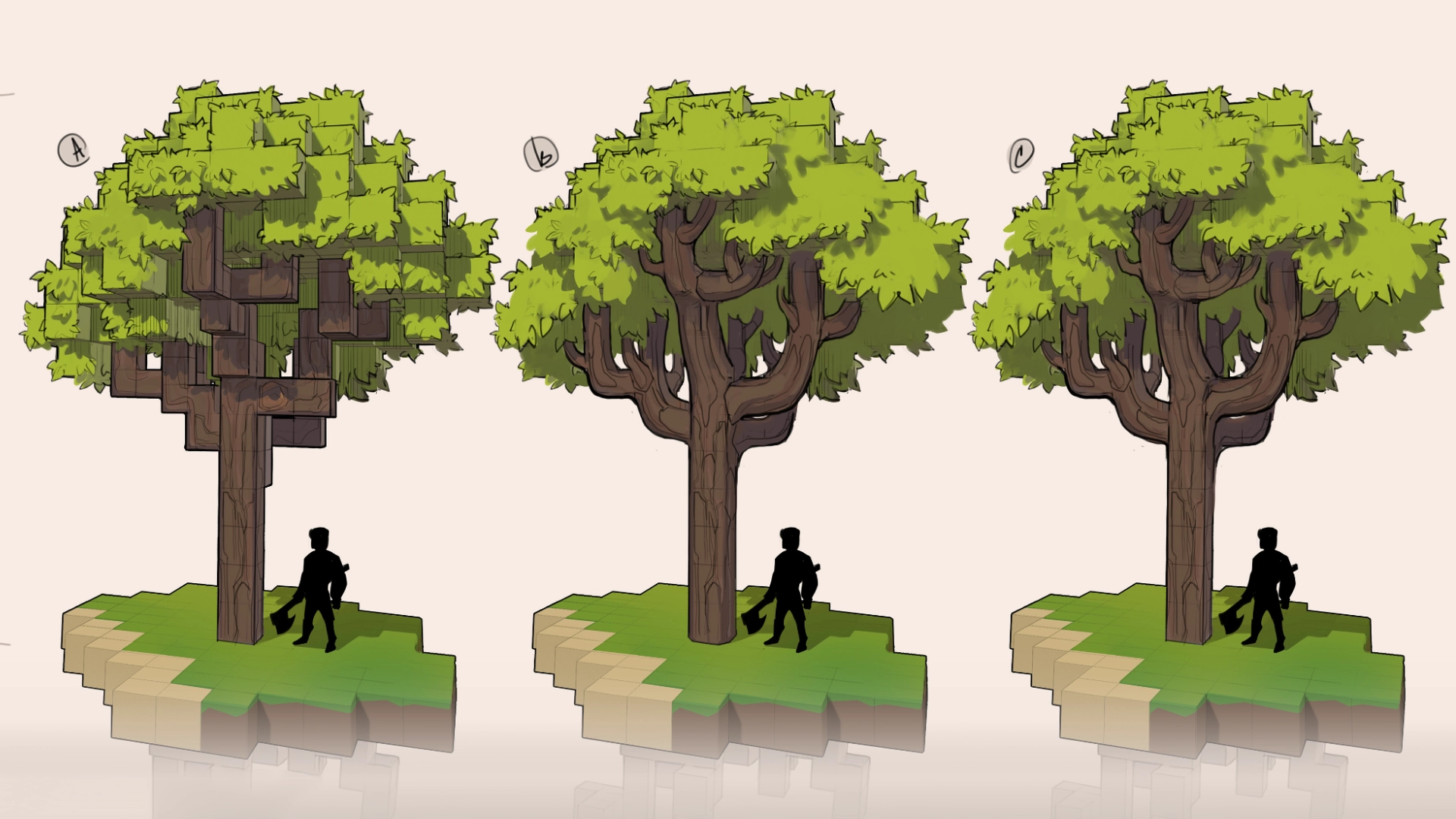
Production Art Control
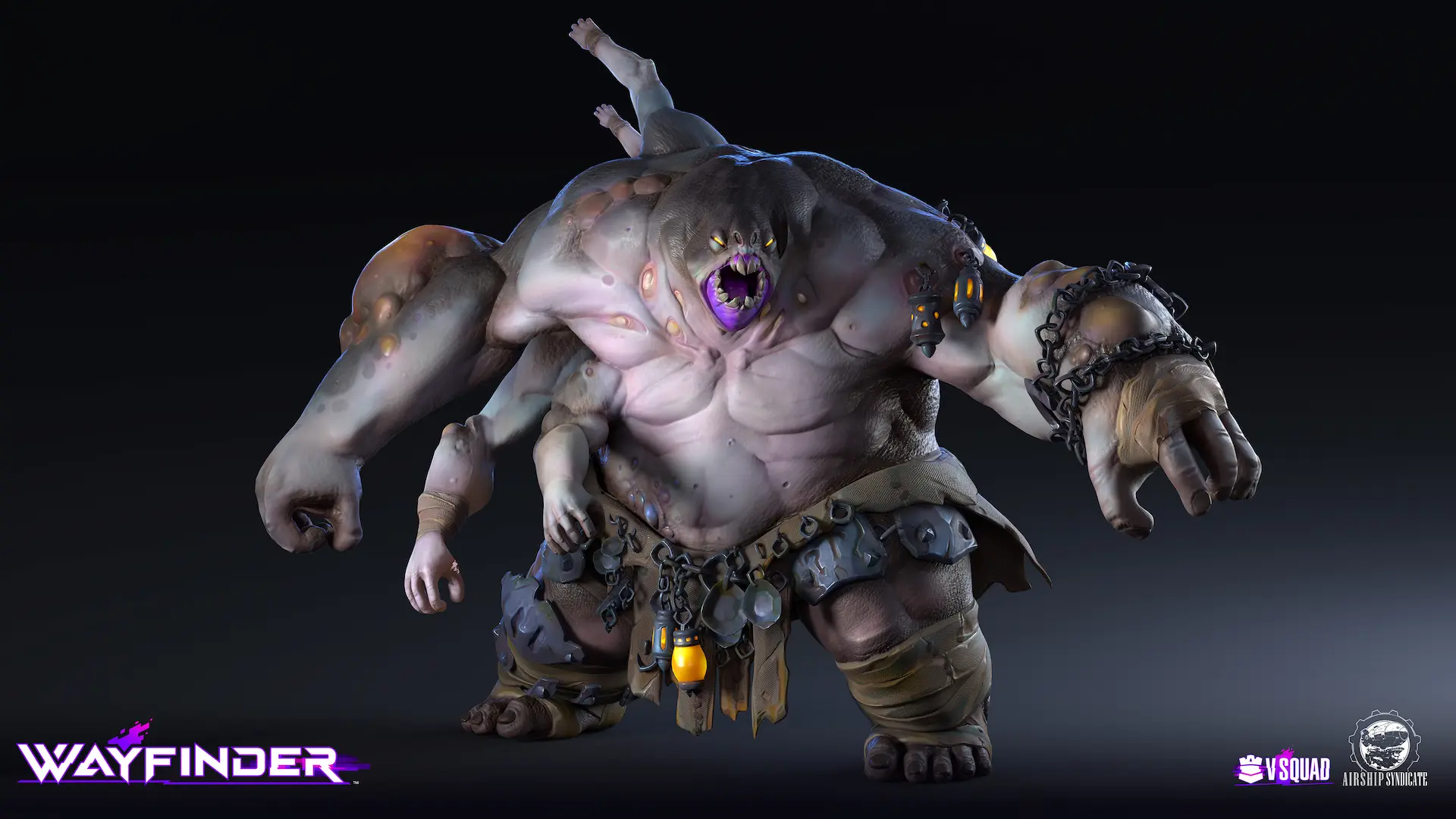
High-Level Illustration Direction
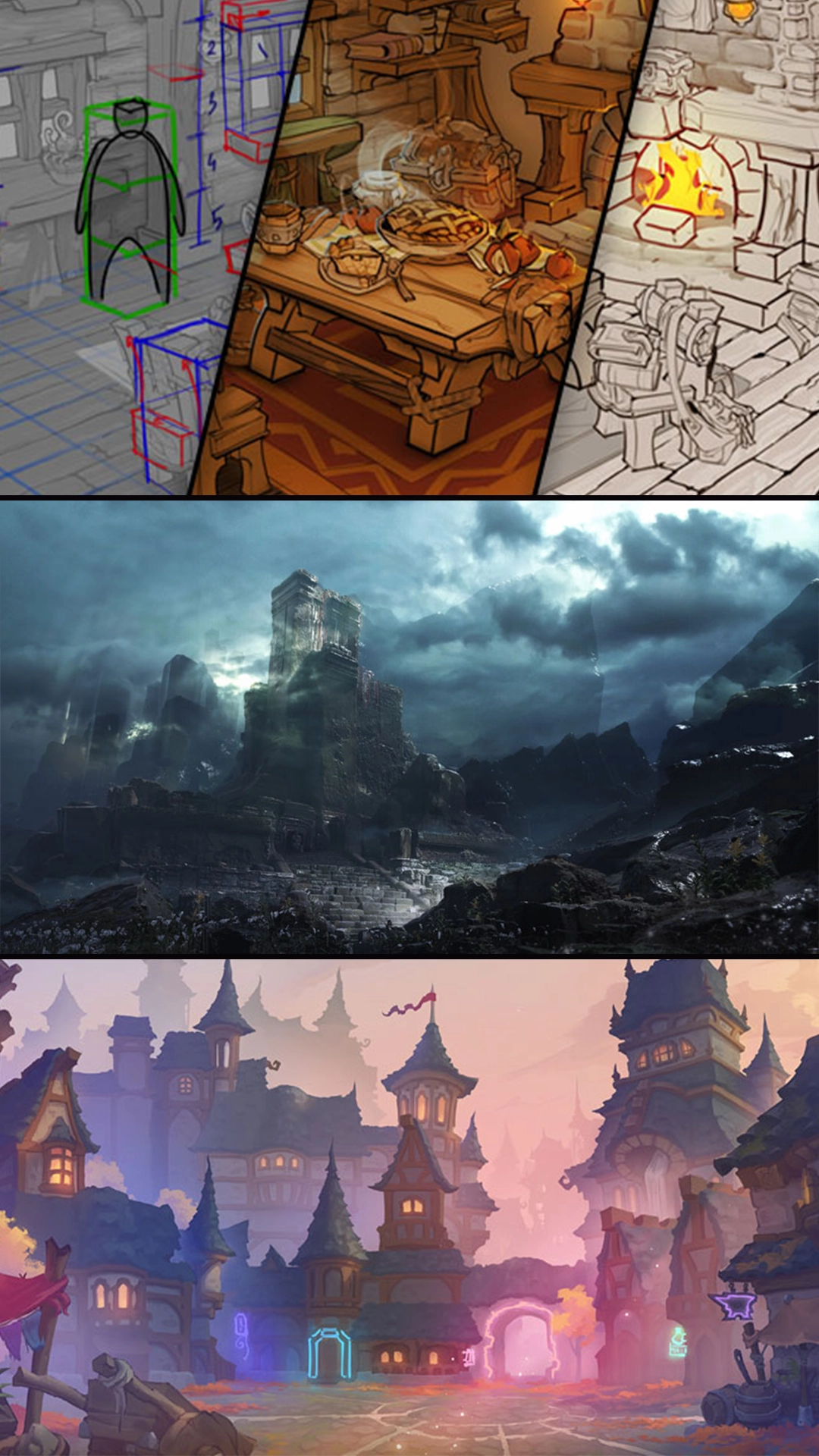
Early art direction for the game’s look, mood, style, and production language.
Clear visual rules for characters, environments, props, UI, animation, and VFX.

Practical feedback that helps artists move in the right direction.
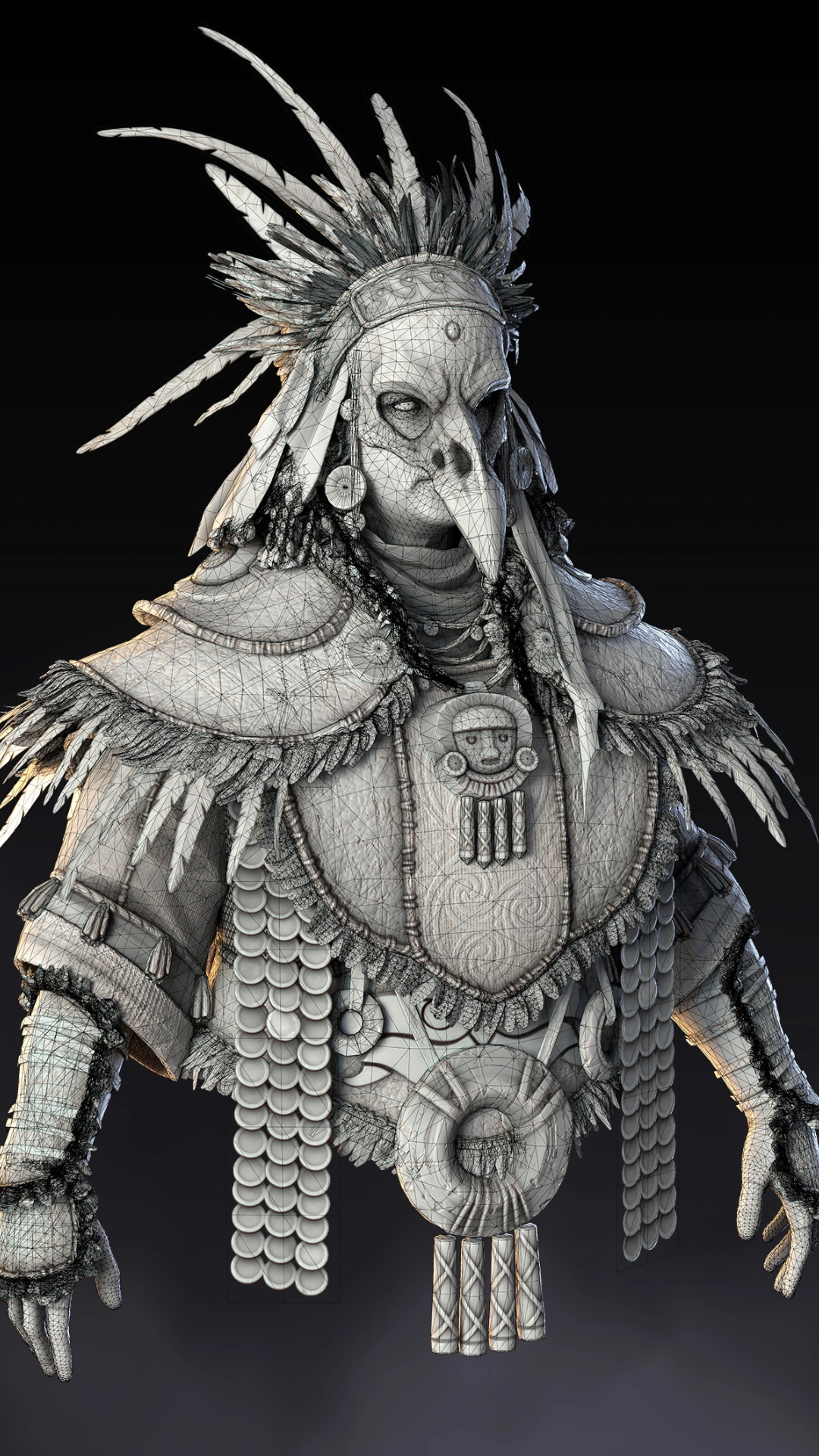
Direction for the most visible parts of the game world.
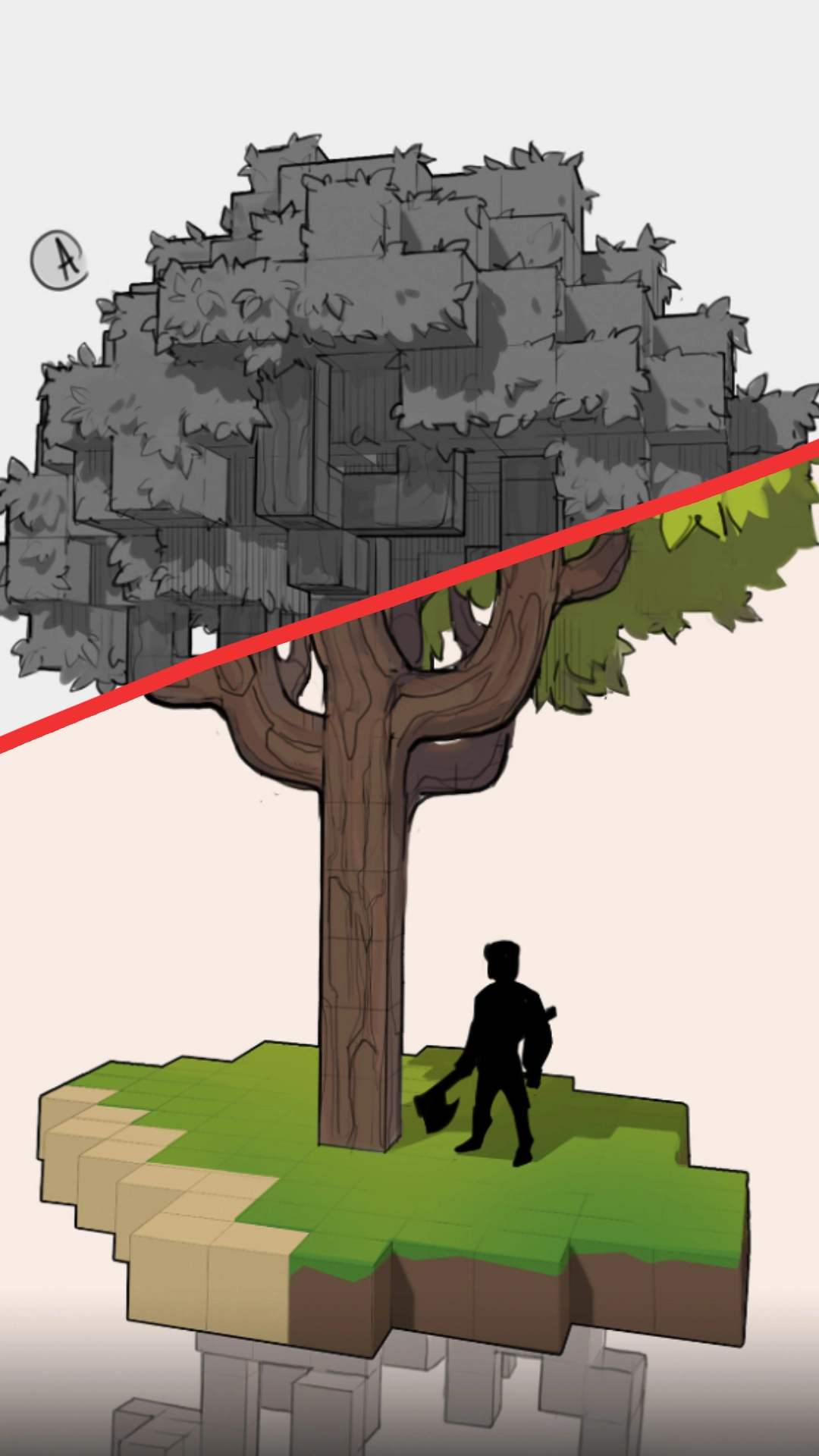
Ongoing visual control during real asset production.
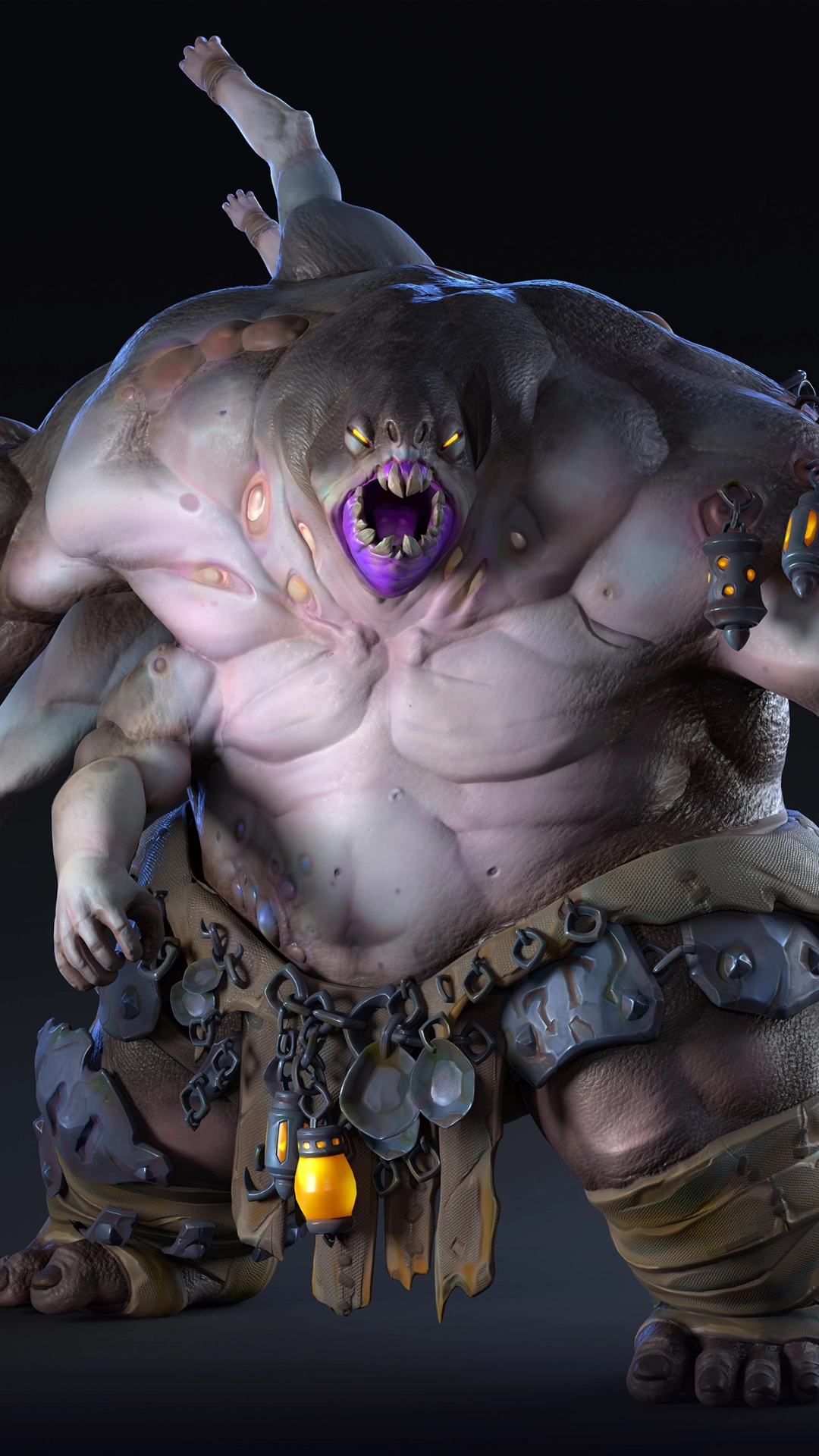
Direction for key art, promo images, pitch visuals, and important presentation materials.
YOUR 2D ART PRODUCTION TEAM
You do not need the most senior person by default. You need the right specialist at the right stage, within the project’s budget.
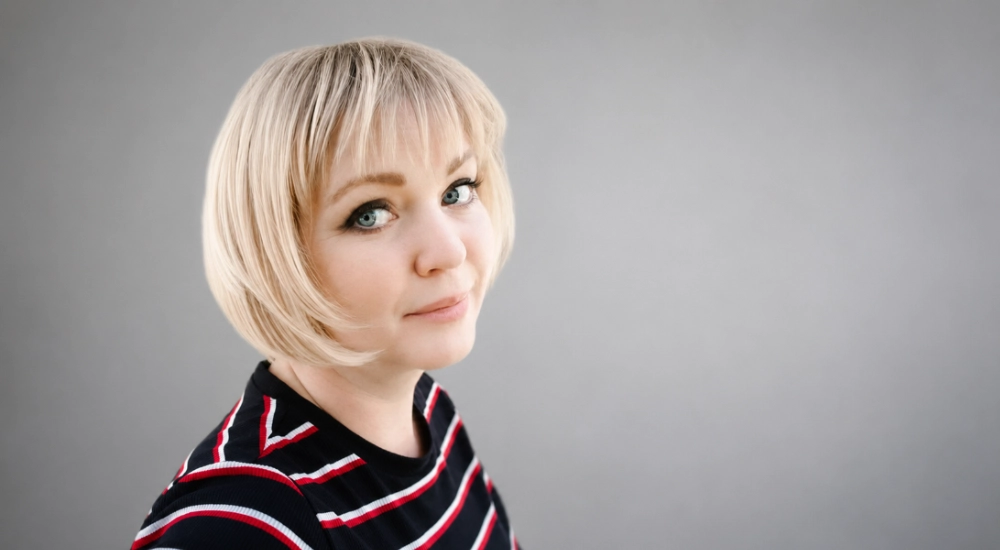
Elizaveta Sokolova
Creative Art Director | Illustration, 2D Art & Visual Storytelling
Award-winning artist and creative art director with 20+ years across Legends of Allods, Allods Online, Cossacks 3, Devoid of Shadows, and more.
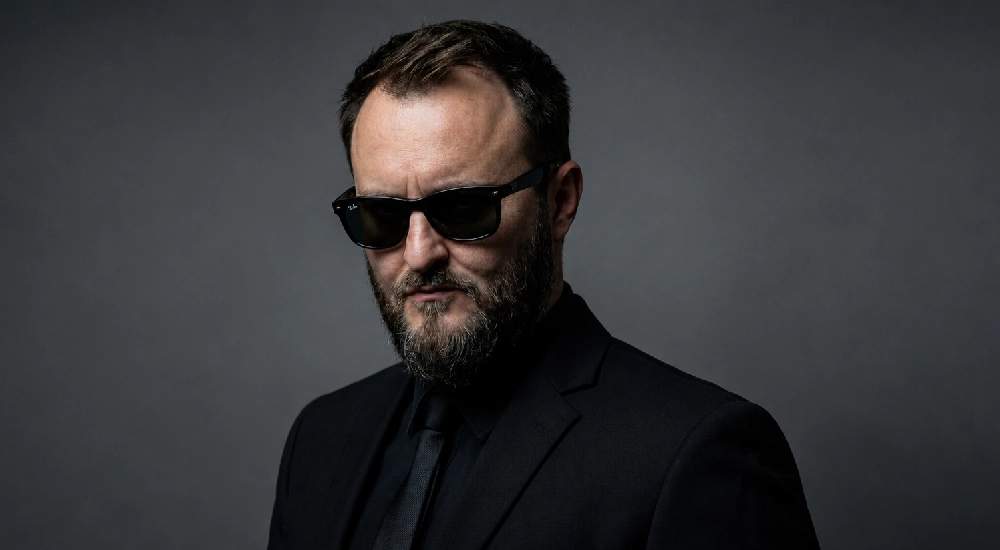
Danila Vlasov
Art Director | Visual Development & Concept Art
Leads art direction and visual development for games, combining 25+ years of experience in concept art, team leadership, and high-quality content production.

Hanna Nor
Lead Production Manager | Creative & Game Production
Manages full-cycle production across art, animation, development support, partners, feedback, budgets, deadlines, and final delivery.
WHY STUDIOS WORK WITH VSQUAD
We help keep game art moving in one clear direction when production starts getting messy.
BUDGET CONTROL
You do not always need more artists. Sometimes you need clearer art direction.
Art production gets expensive when the team keeps reworking the same assets without a clear visual target. Art direction helps define what matters before more hours go into concepts, 3D models, textures, animation, VFX, UI, or engine-ready assets. We help teams focus effort where it actually improves the game: style, readability, production quality, and consistency across the project.
FEEDBACK NEVER LATE
If important feedback comes in late, we deal with it. We do not hide behind stages.
Important feedback does not always arrive at the perfect stage. In real production, visual problems often become clear after internal review, gameplay context, comparison with other assets, animation tests, UI checks, or engine integration. VSQUAD works with that reality, adjusts the direction when needed, and helps the team move forward without turning normal feedback into unnecessary friction.
RIGHT TEAM
The best setup is the one that fits the task, style, scope, and budget.
Different projects need different art direction support. Some teams need early visual development and an art bible. Others need review and feedback for an existing team. Some need help with characters, environments, UI, animation, VFX, or game-ready asset quality. We shape the support around the real production need instead of forcing one fixed model.
STUDIO, NOT A FREELANCER
The work does not stop because one person disappeared.
Art direction often touches many people: artists, producers, developers, animators, VFX artists, UI designers, and external teams. VSQUAD works as a studio, with internal coordination and production support behind the task. That makes the process more stable when the project needs ongoing review, feedback, documentation, and quality control.
REAL PRODUCTION EXPERIENCE
We know how game art behaves when concepts, assets, feedback, and engine needs collide.
Game art direction is not only about taste. In production, every visual decision affects the next step: modeling, texturing, rigging, animation, VFX, UI, lighting, optimization, engine setup, and final delivery. We help make decisions with production reality in mind, not only with a pretty image in front of us.
RIGHT SIZE
One focused review or broader art direction support, both are normal for us.
Not every project needs full-time art direction support. Some teams need a review of several assets, a visual direction pass, an art bible, or feedback on a specific problem. Others need ongoing art direction across characters, environments, animation, VFX, UI, and production assets. We can start small and scale only if the project really needs more support.
Our Art Direction Process
We start by understanding the game, the current visual direction, and where the art production needs control.
Then we shape the right kind of support: early visual development, art bible, team feedback, asset review, or ongoing art direction through production.
01. TASK AND CONTEXT
We begin by understanding what exactly needs direction: the whole game, a visual style, characters, environments, UI, animation, VFX, or a specific production problem.
At this stage, we review the current materials, references, team setup, production scope, and the decisions that are blocking the work.
02. VISUAL DIRECTION
We define or clarify the visual target.
This can include visual development, mood boards, art bible structure, style rules, character direction, environment direction, color direction, shape language, material logic, and examples of what should or should not be followed.
The goal is to give the team a clear direction before more production hours are spent.
03. FIRST REVIEW
We review the current work or first production pass against the approved direction.
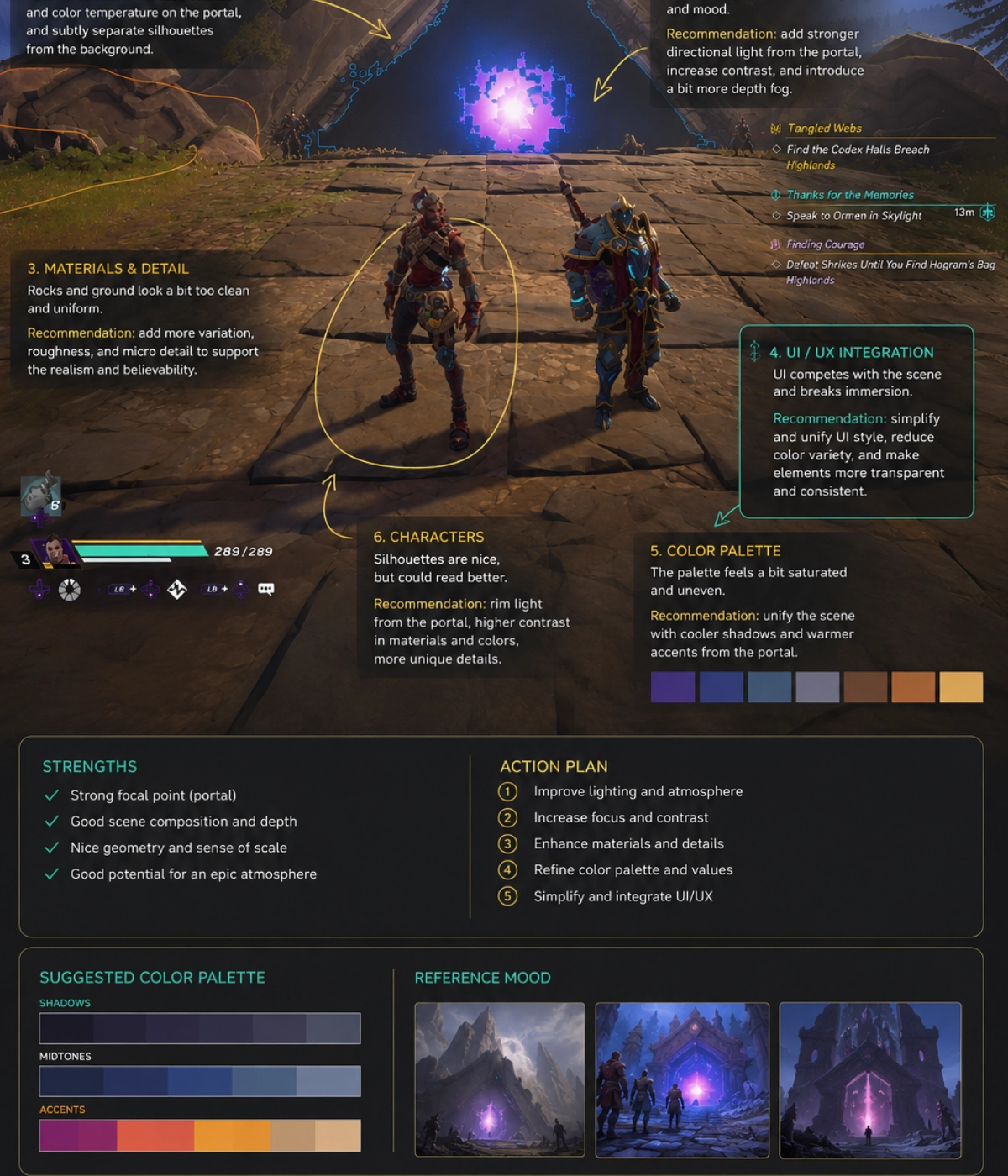
This can include sketches, concepts, 3D models, textures, UI screens, animations, VFX, or game-ready assets. We look for style breaks, unclear shapes, weak readability, wrong proportions, material issues, mood mismatch, or production risks.
04. FEEDBACK AND ITERATION
We turn review notes into practical feedback the team can use.
Instead of vague comments like “make it better”, we explain what needs to change and why: silhouette, proportions, color, materials, lighting, detail level, style match, animation feel, UI readability, or technical fit.
If important feedback comes in late, we deal with it and help keep the work moving.
05. DIRECTION AND DELIVERY
We help bring the work to a clear production result.
Depending on the task, this can mean approved art direction, updated visual documentation, reviewed assets, corrected style rules, clearer feedback for the team, or final direction before the next production stage.
The goal is simple: the team knows what to do next, what is approved, and what should not drift anymore.
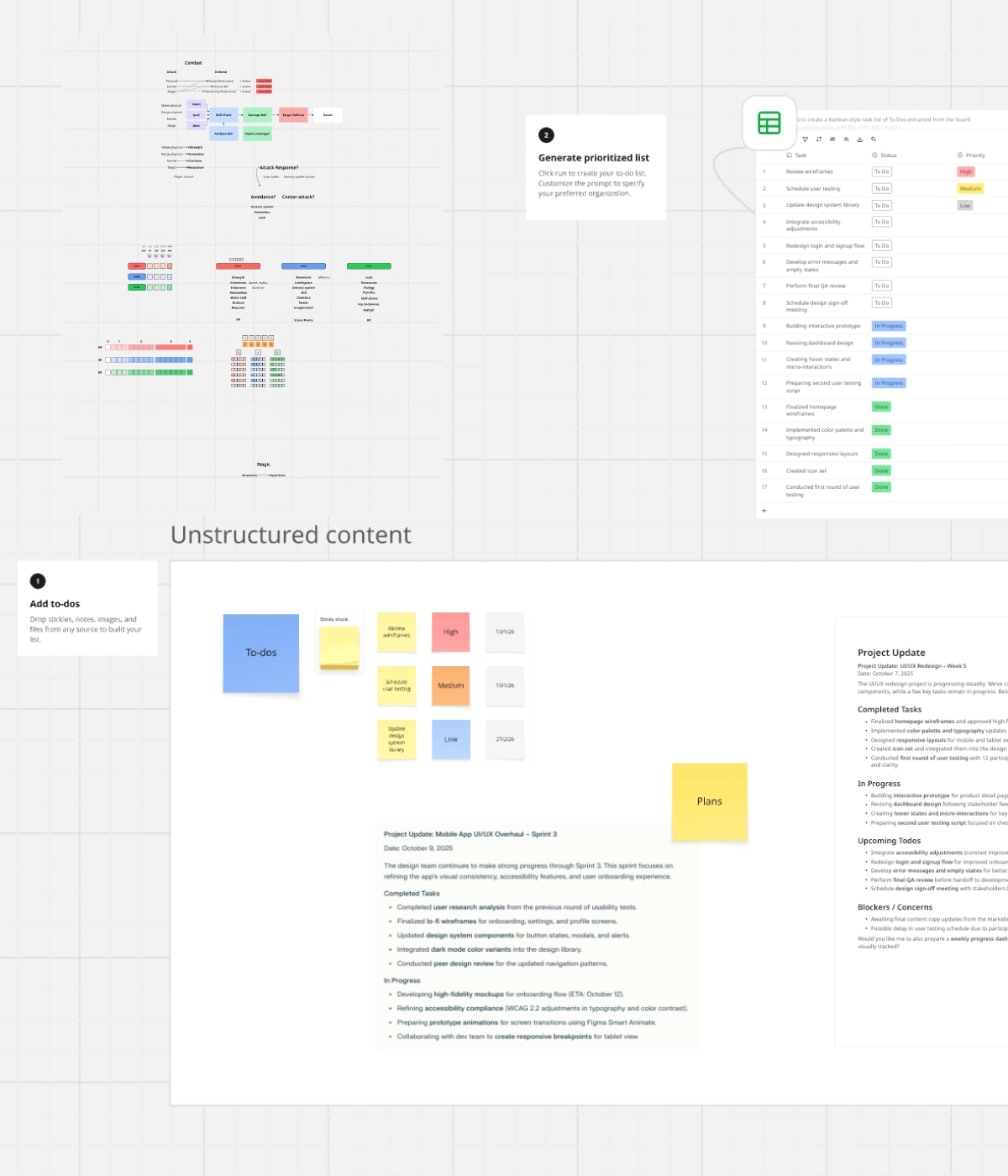
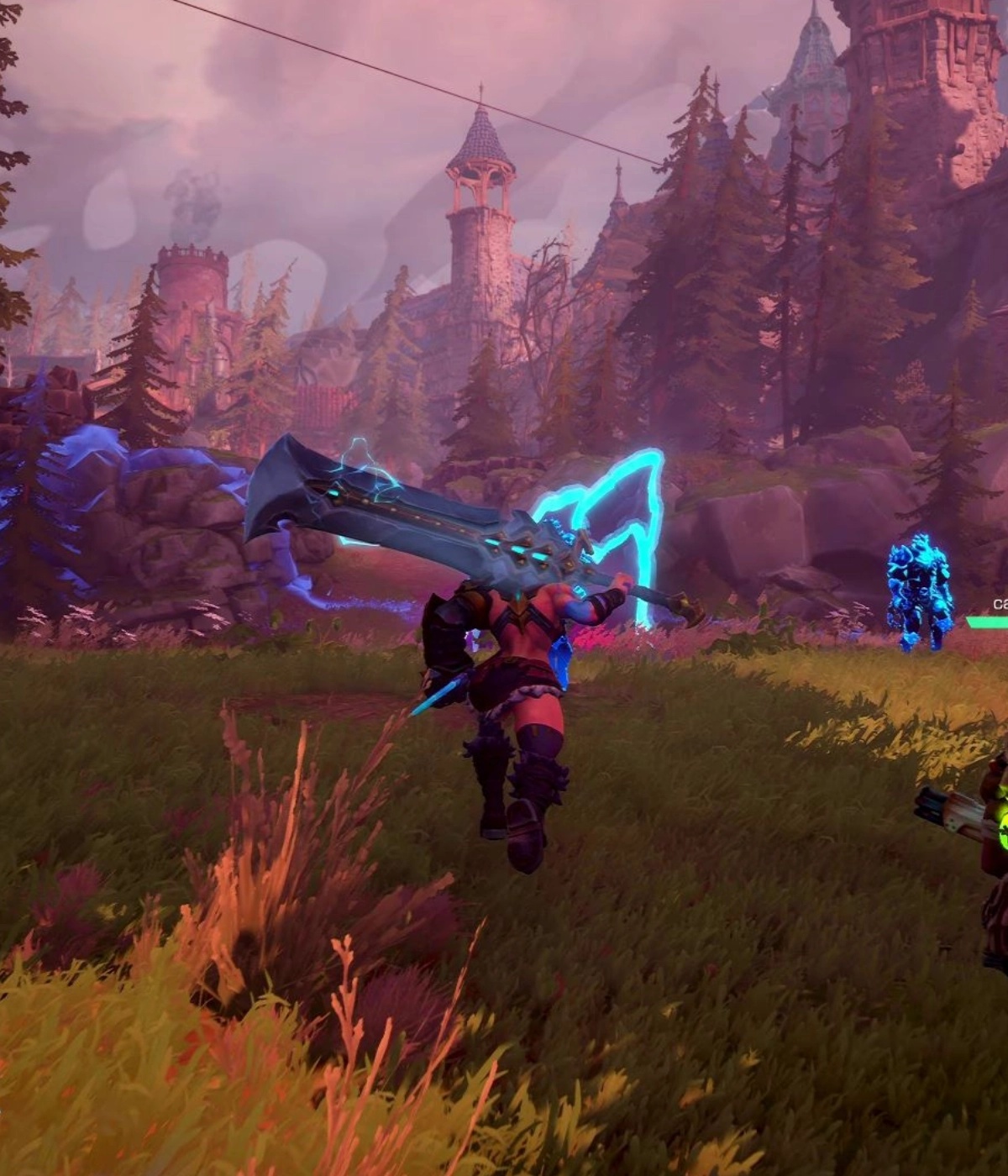
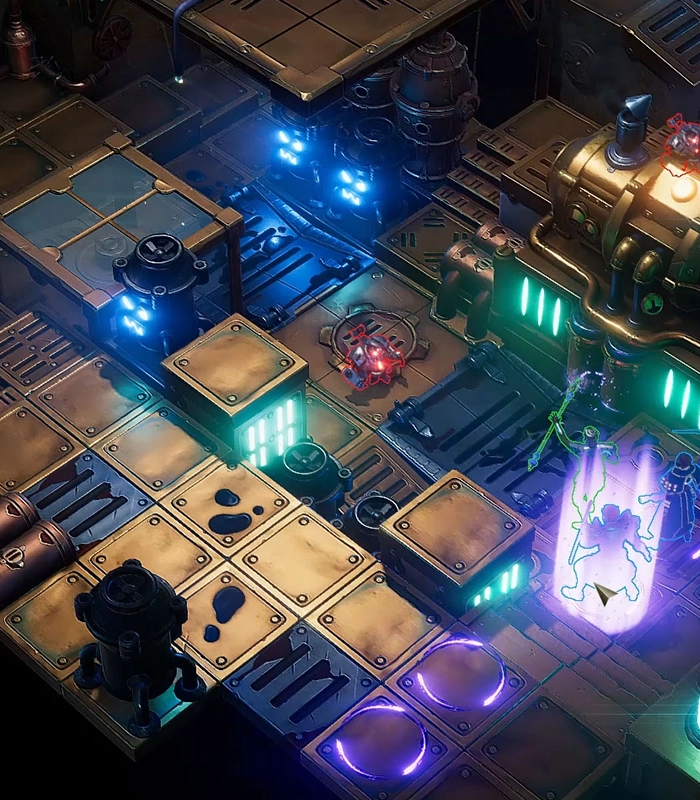
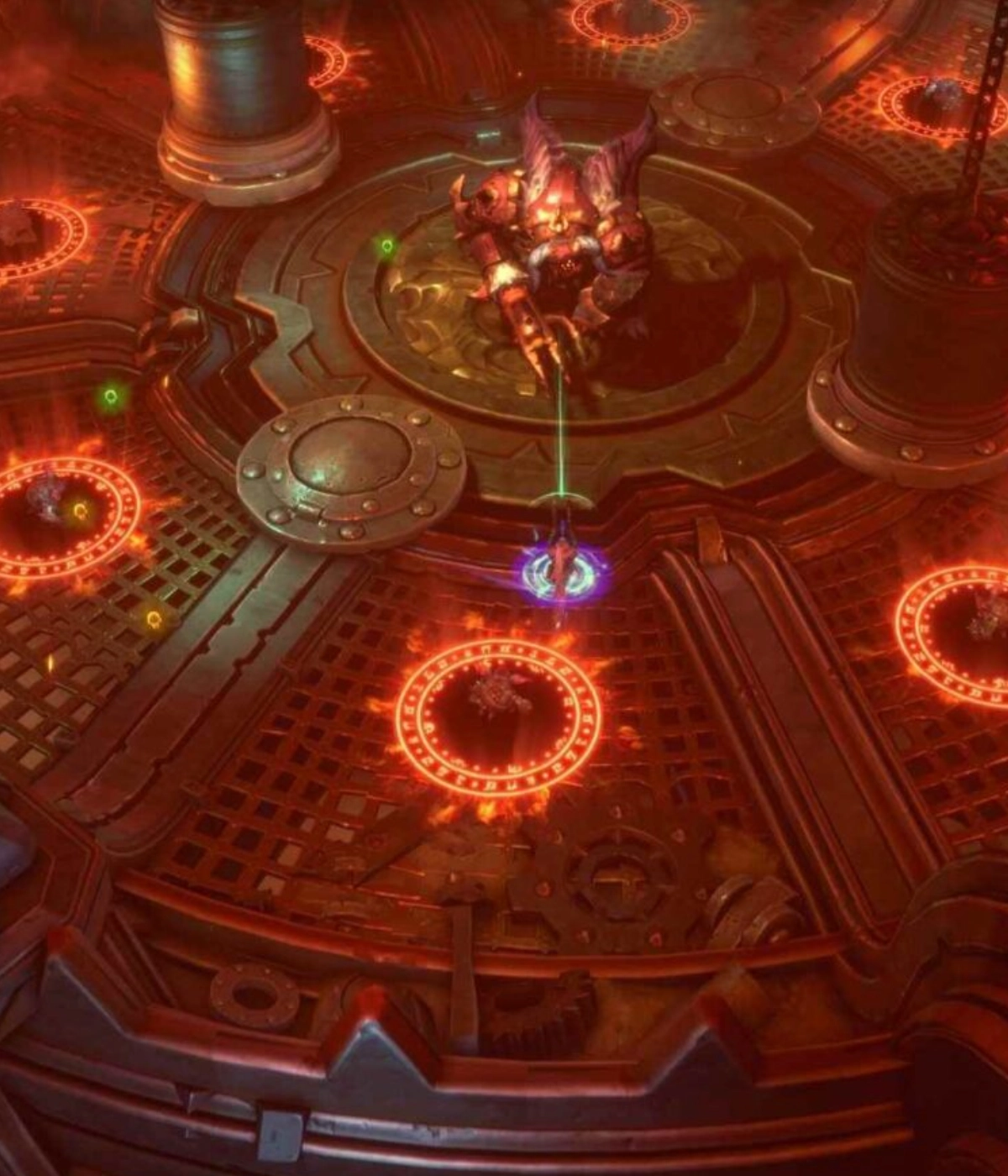
Our Art Direction Process
We start by understanding the game, the current visual direction, and where the art production needs control.
Then we shape the right kind of support: early visual development, art bible, team feedback, asset review, or ongoing art direction through production.
01. TASK AND CONTEXT
We begin by understanding what exactly needs direction: the whole game, a visual style, characters, environments, UI, animation, VFX, or a specific production problem.
At this stage, we review the current materials, references, team setup, production scope, and the decisions that are blocking the work.
02. VISUAL DIRECTION
We define or clarify the visual target.
This can include visual development, mood boards, art bible structure, style rules, character direction, environment direction, color direction, shape language, material logic, and examples of what should or should not be followed.
The goal is to give the team a clear direction before more production hours are spent.
03. FIRST REVIEW
We review the current work or first production pass against the approved direction.
This can include sketches, concepts, 3D models, textures, UI screens, animations, VFX, or game-ready assets. We look for style breaks, unclear shapes, weak readability, wrong proportions, material issues, mood mismatch, or production risks.
04. FEEDBACK AND ITERATION
We turn review notes into practical feedback the team can use.
Instead of vague comments like “make it better”, we explain what needs to change and why: silhouette, proportions, color, materials, lighting, detail level, style match, animation feel, UI readability, or technical fit.
If important feedback comes in late, we deal with it and help keep the work moving.
05. DIRECTION AND DELIVERY
We help bring the work to a clear production result.
Depending on the task, this can mean approved art direction, updated visual documentation, reviewed assets, corrected style rules, clearer feedback for the team, or final direction before the next production stage.
The goal is simple: the team knows what to do next, what is approved, and what should not drift anymore.
Our clients
Trusted by leading game studios worldwide.


OTHER SERVICES

GET IN TOUCH
Got a project in mind? We usually reply within a day.

You can also reach us directly:
-
Our email:
 head@vsquad.art
-
Art Director:
Volodymyr Liubchuk
-
Assistant Producer:
Violetta Popova
-
Job opportunities:
Join our team


FAQ
Questions about game art direction, visual development, art bible, style guide, feedback, asset review, or production control?
You’ll find the key answers below. If anything is still unclear, reach out and we’ll help.
This can include visual development, art bible support, style guide creation, asset review, paintovers, feedback notes, production review, and ongoing visual direction during production.
The goal is to help the team understand what the game should look like, what is approved, what needs to change, and what should not drift anymore.
An art bible or style guide helps the team keep the game’s visual direction clear across many assets and artists.
It can include references, approved examples, shape language, color direction, material logic, character rules, environment mood, UI direction, animation feel, VFX references, quality bar, and examples of what does not fit the project. This is useful when the project is starting production, changing direction, scaling the team, or working with several internal and external artists.
We can review concepts, 2D assets, 3D models, textures, characters, environments, props, weapons, UI screens, animation, VFX, or game-ready assets.
The feedback can cover style match, readability, proportions, silhouette, material logic, mood, polish level, production quality, and possible risks for the next stage. We try to make feedback practical, not vague. The team should understand what to change and why.
Style drift happens when assets start looking like they belong to different games.
This can come from unclear direction, too many references, different artists making separate decisions, late feedback, or no shared visual rules.
VSQUAD can help review the current direction, identify where the style breaks, update visual rules, and give clearer feedback so new assets stay connected to the same game world.
At the early stage, we can help with visual development, mood boards, character direction, environment direction, art bible structure, style tests, and production guidelines.
During active production, we can support asset review, paintovers, feedback, quality checks, and direction across characters, environments, UI, animation, VFX, and game-ready assets. The setup depends on what the project actually needs.
Sometimes the project only needs art direction: review, feedback, visual rules, or a clearer style guide.
Sometimes the team also needs hands-on production help: concept art, 2D art, 3D art, animation, VFX, UI, or asset polish based on the approved direction. We can keep art direction separate or connect it with production support if the project needs more than feedback.
Art direction often means helping different people move in the same direction.
We can work with your internal team, external artists, freelancers, vendors, or mixed production setup. The goal is not to replace everyone, but to make the visual direction clearer and easier to follow.
This can include review notes, paintovers, documentation, feedback structure, and approved examples.
Useful materials include screenshots, concepts, 3D models, UI screens, animation previews, VFX examples, style guides, mood boards, or examples of what feels wrong.
We can review the task, suggest a practical setup, and define whether you need one focused review, art bible support, or ongoing art direction.