


Casual and hybrid-casual mobile production requires artists to think beyond a single task.
A mobile game artist may work on 3D assets, UI, visual direction, optimization, and gameplay feedback within the same project. That broader role affects how quickly ideas can be tested, how clearly players understand the game, and how well the final product performs across different devices.
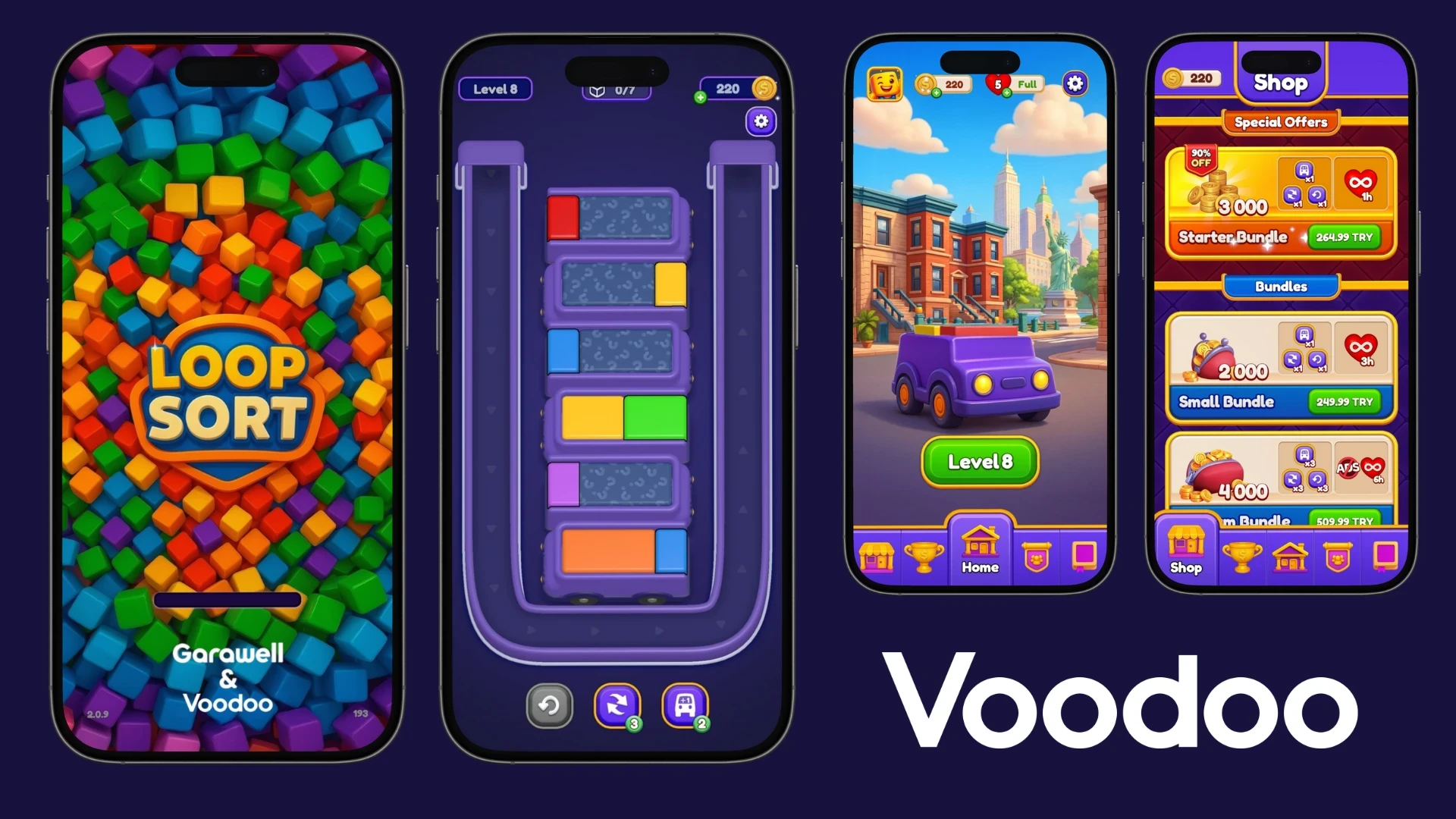
Can Özbilgi has more than five years of experience in casual and hybrid-casual games. He has contributed to titles including Bridge Race, Loop Sort, Bounce Blast, Precision Striker, and Crowd Assault, working both at Voodoo and independent mobile studios.
In this interview, we explore why generalist artists are so valuable in mobile production, how visuals support gameplay, what teams learn from testing, and which production habits indie developers can apply to their own games.
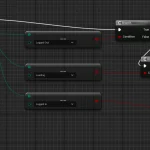
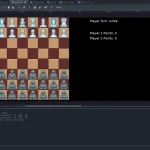
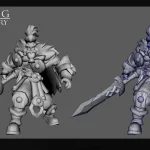
↓ Personal Project by Can Özbilgi


Main Topics:
- Casual and hybrid-casual production
- Generalist game artists
- 3D art and UI
- Gameplay readability
- Early testing and iteration
- Player feedback and data
- Mobile game optimization
- Indie production practices
Interrview
…with Former Voodoo Game Artist Can Özbilgi

Q: Your work covers art direction, stylized 3D assets, UI visuals, and performance optimization. How does working across all these areas change the way you see the whole game?
When you handle multiple facets of production, you stop viewing art as an isolated asset and start seeing it as a functional part of the gameplay. For instance, creating a beautifully stylized 3D asset means nothing if it doesn’t align with the UI hierarchy or if it tanks the game’s performance.
↓ Personal Project by Can Özbilgi

Working across these areas teaches you to balance aesthetic vision with technical constraints from day one. You build an intuitive understanding of visual consistency, ensuring that the art direction directly serves player feedback and core gameplay mechanics without requiring unnecessary back-and-forth between different departments.

Q: Why are generalist artists so common and valuable in casual and hybrid-casual mobile production?
In casual and hybrid-casual mobile production, speed and agility are everything. Production cycles are incredibly short, and ideas need to be tested rapidly.
A generalist artist can take ownership of a feature from end to end—blocking out 3D models, implementing them into Unity workflows, and designing the accompanying UI layouts simultaneously. This eliminates communication bottlenecks.
↓ Example of Game Can Özbilgi Worked On

Instead of waiting for three different people to pass an asset down a pipeline, a generalist can make quick design decisions on the fly, allowing the team to iterate fast and adapt to market trends seamlessly.
Q: When a new mobile game idea is being tested, what should the art team focus on first?
Readability and core gameplay understanding should always come first. During early testing, you aren’t trying to deliver a finished, polished masterpiece; you are testing a hook.
↓ Personal Project by Can Özbilgi

The art team needs to focus on creating clear visual feedback and basic UI structures that instantly communicate the game rules to the player. If a user can’t understand what they are supposed to do within the first three seconds of seeing a video or playing a prototype, the test will fail, no matter how beautiful the shading is.
Avoid unnecessary polish at this stage—keep it clean, high-readability, and fast.
Q: How do you test whether the visuals are helping the gameplay or making it harder to understand?
The best indicator is always player behavior, particularly during first-session user tests. We look closely at visual hierarchy and UI clarity to see where players get confused.
↓ Example of Game Can Özbilgi Worked On

If a player hesitates, taps the wrong element, or misses a crucial gameplay cue, it usually means the visual language is sending mixed signals. If the background noise or asset complexity is distracting from the main character or objective, we immediately trim the fat.
Iteration based on direct player confusion is how we ensure the art is always functional, not just decorative.
Q: What did working at Voodoo teach you about changing art quickly after testing?
It taught me to completely detach my ego from the art and rely strictly on data and market feedback. In the fast-paced Voodoo ecosystem, you learn to establish a rapid production rhythm.
↓ Example of Game Can Özbilgi Worked On
If a market test shows a concept isn’t working, you have to be ready to cut ideas immediately and rebuild visuals from scratch without looking back.
It trains you to build smart, flexible asset pipelines—like using modular 3D bases that can be quickly tweaked or re-polished in 2D—so you can pivot the entire visual style within days based on what the metrics dictate .
Q: How do 3D art and UI need to work together in casual mobile games?
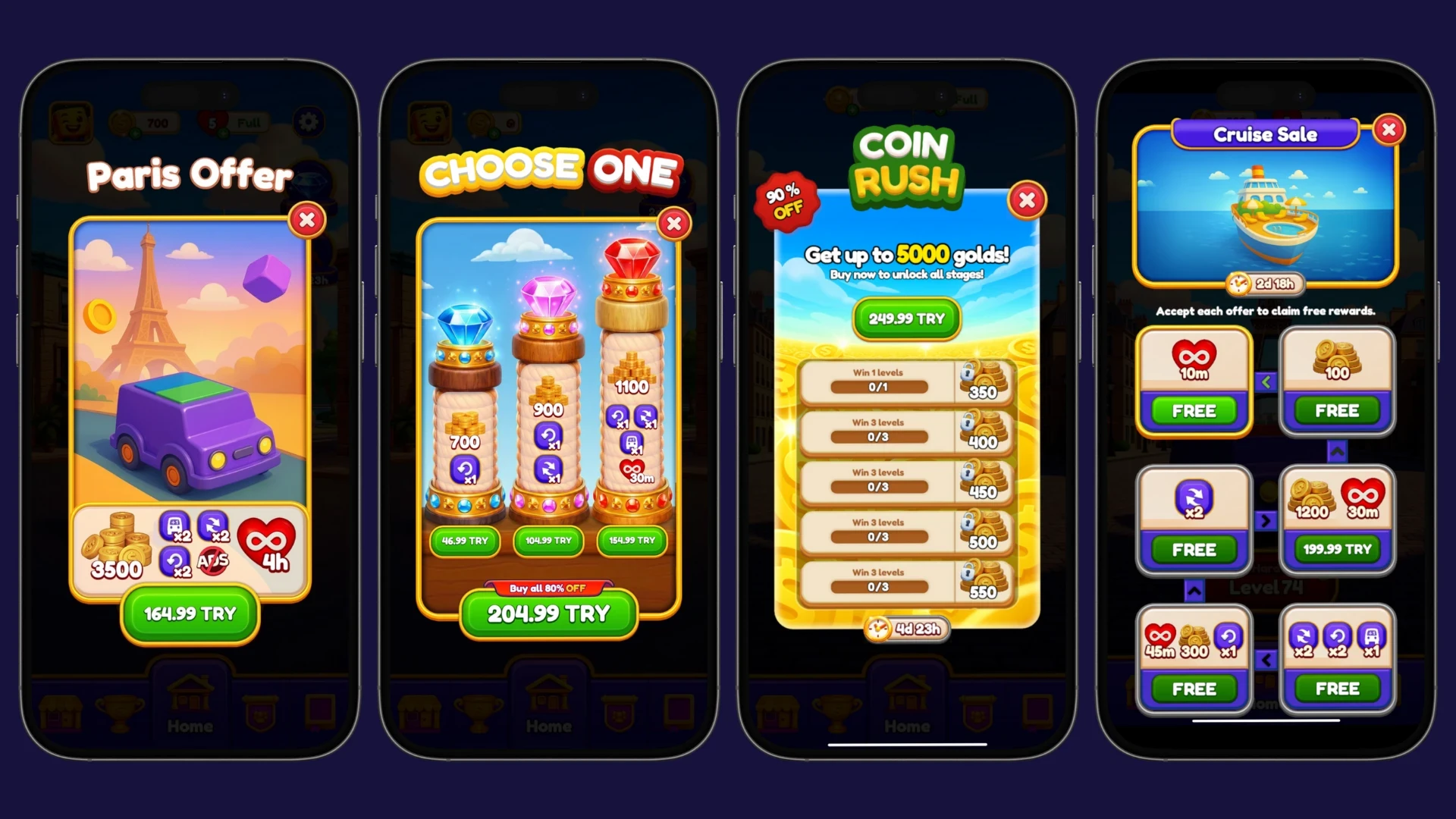
They need to feel like they belong to the same exact universe. In casual mobile games, the UI is often a core driver of player action, onboarding, and rewards.
If the 3D game world feels completely disconnected from the 2D or screen-space UI elements, the immersion breaks. For example, the lighting and soft tactile feel of a 3D character should be mirrored in the button designs and screen feedback animations.
They must work hand-in-hand to guide the player’s eye effortlessly to the next objective or reward screen.
↓ Example of Game Can Özbilgi Worked On
Q: What are the most important things to optimize before a mobile game reaches a larger audience?
Performance across a wide range of devices is paramount. You have to optimize asset sizes, textures (ensuring strict power-of-two scaling), and polygon counts to keep loading times low and frame rates smooth on mid-to-low-end devices.
↓ Personal Project by Can Özbilgi

Beyond the technical side, you also need to optimize UI responsiveness and screen-space VFX. If a game drops frames during a satisfying reward animation or a chaotic gameplay moment, it ruins the user experience.
Testing on real, physical devices early on is non-negotiable.
Q: What can indie developers learn from casual mobile production when building their own games?
The biggest takeaway is the culture of testing early and keeping scope realistic. Indie developers often fall into the trap of over-polishing a game for months or years before showing it to anyone.
Casual production teaches you to validate your core mechanics with a clear visual language as early as possible.
↓ Example of Game Can Özbilgi Worked On

Embracing a generalist mindset, keeping visuals clean and readable, and utilizing agile iteration loops will save indie teams a massive amount of time and resources, ensuring they build something players actually understand and enjoy.

Conclusion
Casual mobile production depends on more than attractive visuals.
Strong results come from artists who understand how 3D, UI, gameplay clarity, testing, and performance fit together. That is why generalist artists are so important in mobile teams: they can see the full player experience and react quickly when a design needs to change.
Can Özbilgi’s experience at Voodoo and across games such as Bridge Race, Loop Sort, and Bounce Blast shows what indie developers can borrow from casual mobile production: test ideas early, keep the visual language clear, connect art decisions to gameplay, optimize for real devices, and build teams that can move quickly across disciplines.
Explore more behind-the-scenes stories in our exclusive interview series. We have many more conversations with industry visionaries coming soon, so be sure to visit us again.
Get in touch
Got a project in mind? We usually reply within a day.