


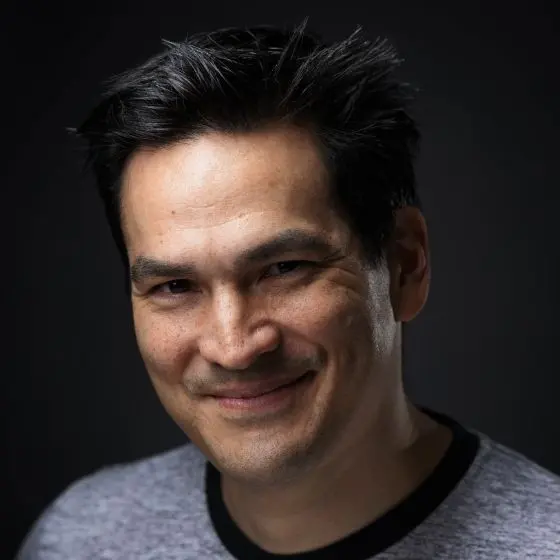
David A Lam is a Character Director with 20+ years of AAA experience, including his work at EA, across character art, art direction, pipeline ownership, external development, and team leadership.
This interview is about why strong character art is rarely the work of one person. It is usually the result of many people touching the same asset: concept artists, character artists, technical artists, riggers, animators, art directors, producers, and external teams.
The goal is to talk about how character directors keep quality, ownership, and production flow together when many people are involved.
Main topics
- Character Art Production
- Character Art Pipeline
- Cross-Disciplinary Collaboration
- Character Art Direction
- External Art Production
- Production-Ready Characters
Interrview
Q: When people look at a final character, they often imagine one artist behind it. In real production, how much of character art is actually a team effort?
Built by Many Hands. Credits:
David A Lam & Alex Kolakowski
Role: Character Directors
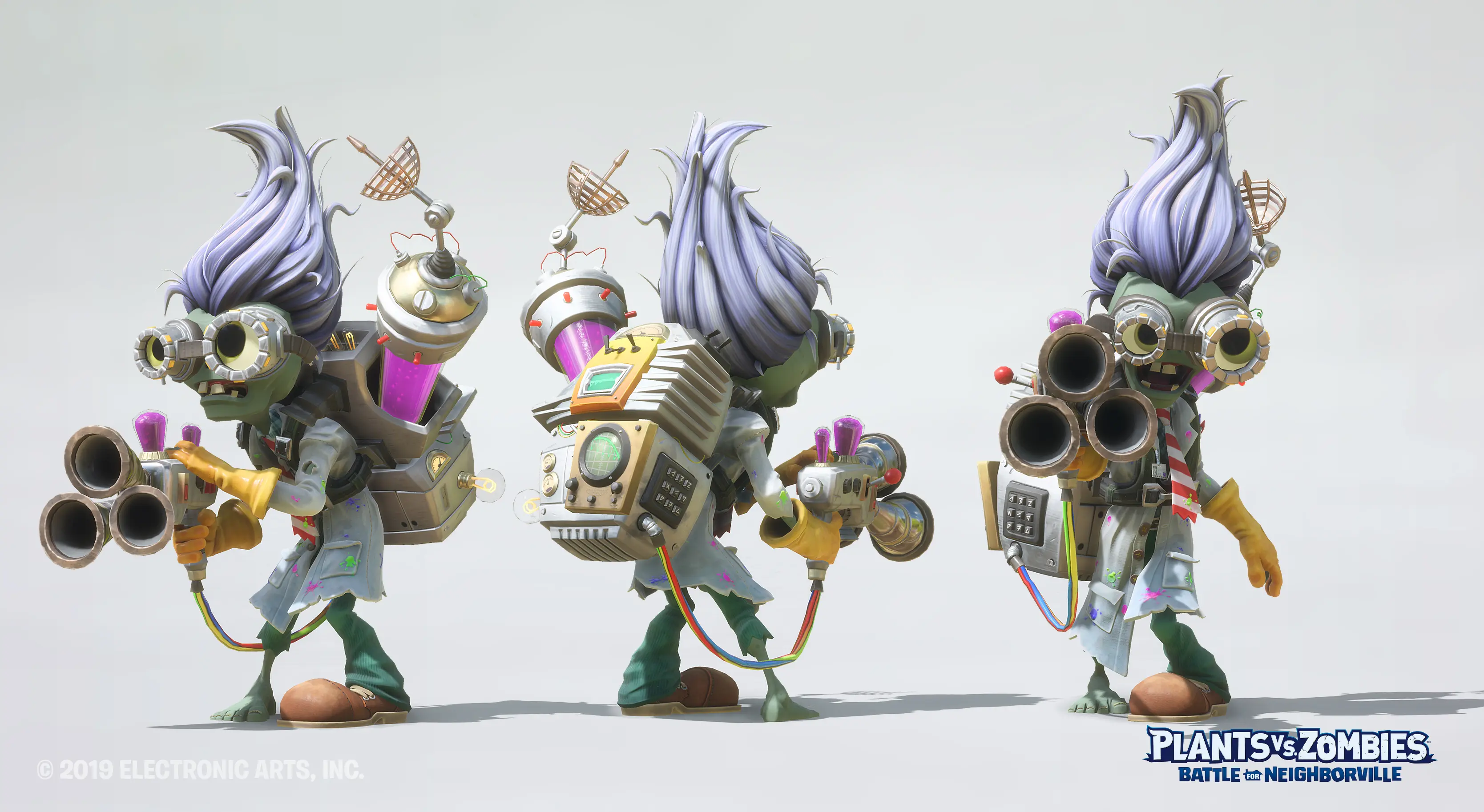
No character exists in a game due to a single artist, unless the game is made by a single developer.
In my experience a character goes through many domains and people within those domains. Not every character requires every domain but let’s consider the most complex situation.
A character comes into existence first with the creative team then goes to Art Direction, Concept Art, Modeling, Rigging, Animation, VFX, QA and perhaps even Legal.
The character can go through many iterations passing through these domains several times and among many artists within those domains.
Q: What usually makes a character hard to produce: the design itself, the technical requirements, or the number of people involved?
The biggest challenge comes from the unknowns in technical solutions and requirements.
During production you can come across new challenges for the technical artists to solve that weren’t considered during preproduction.
This means that there is a requirement for a prototype phase and time needed to find a solution. This will hold up the full production of the character until a solution can be created.
Sometimes design decisions need to be considered and changed in order to meet requirements technically before a character is viable.
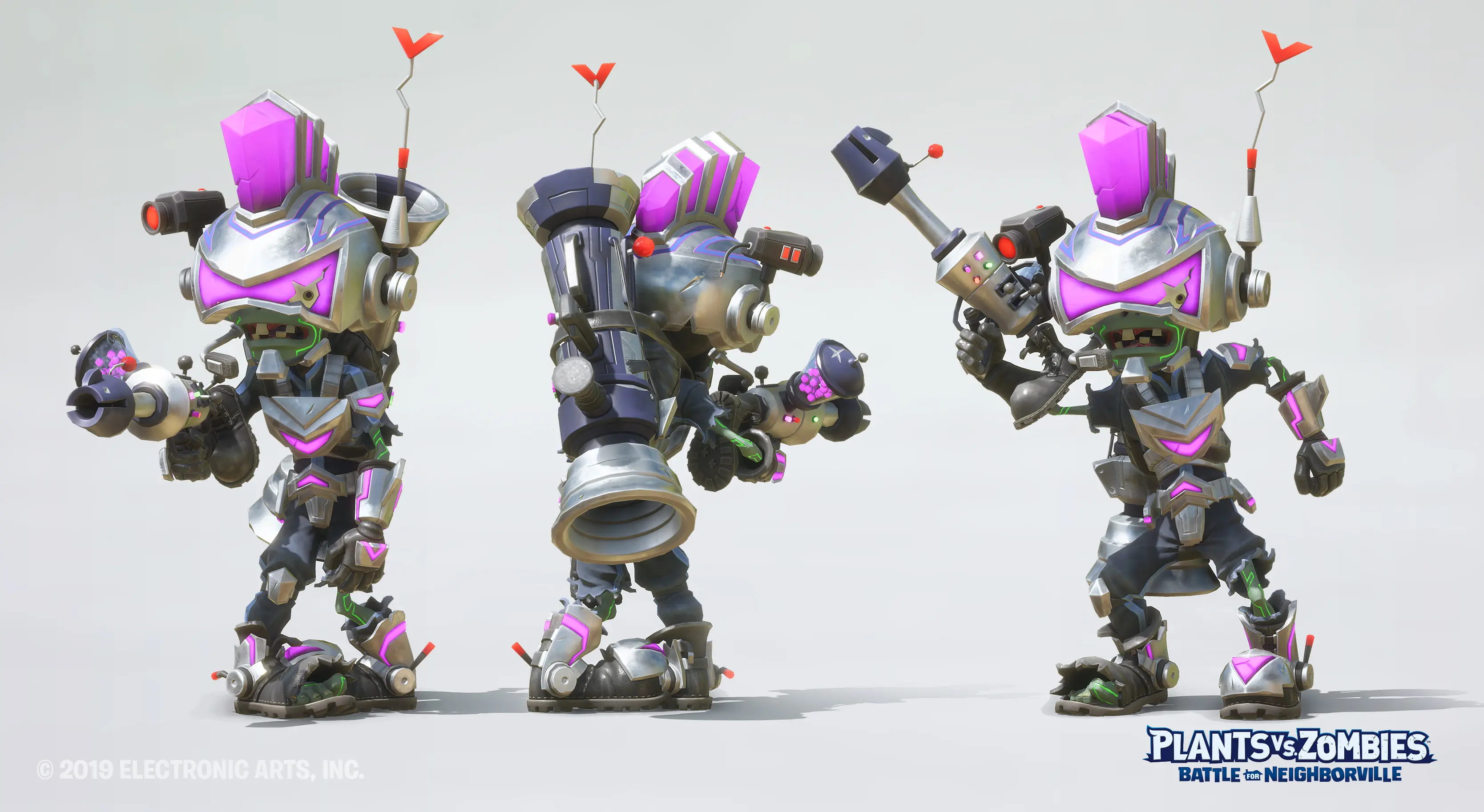
Created by: David A Lam
Role: Character Director
Q: In your experience, where does quality usually start to break when a character passes through a full production pipeline?
I don’t think this is a one size fits all situation. Making games is incredibly complex, with many different people, personalities, domains, and production systems.
With that being said. The best solution I’ve come up with during my years to keep alignment and quality during the full production of a character is to get all the domain leads together early and do a concept review process.
During this meeting the Art director will give a brief about the character design and any relevant information could be useful to the production team.
Each domain will call out any challenges they see with the design, and whether they require a prototyping phase to prove it out.
This helps to flesh out any upstream dependencies and to get alignment between all the domains.
Having a central location where all this information can be tracked and logged is also extremely useful, so people have a place they can reference while working on the character.
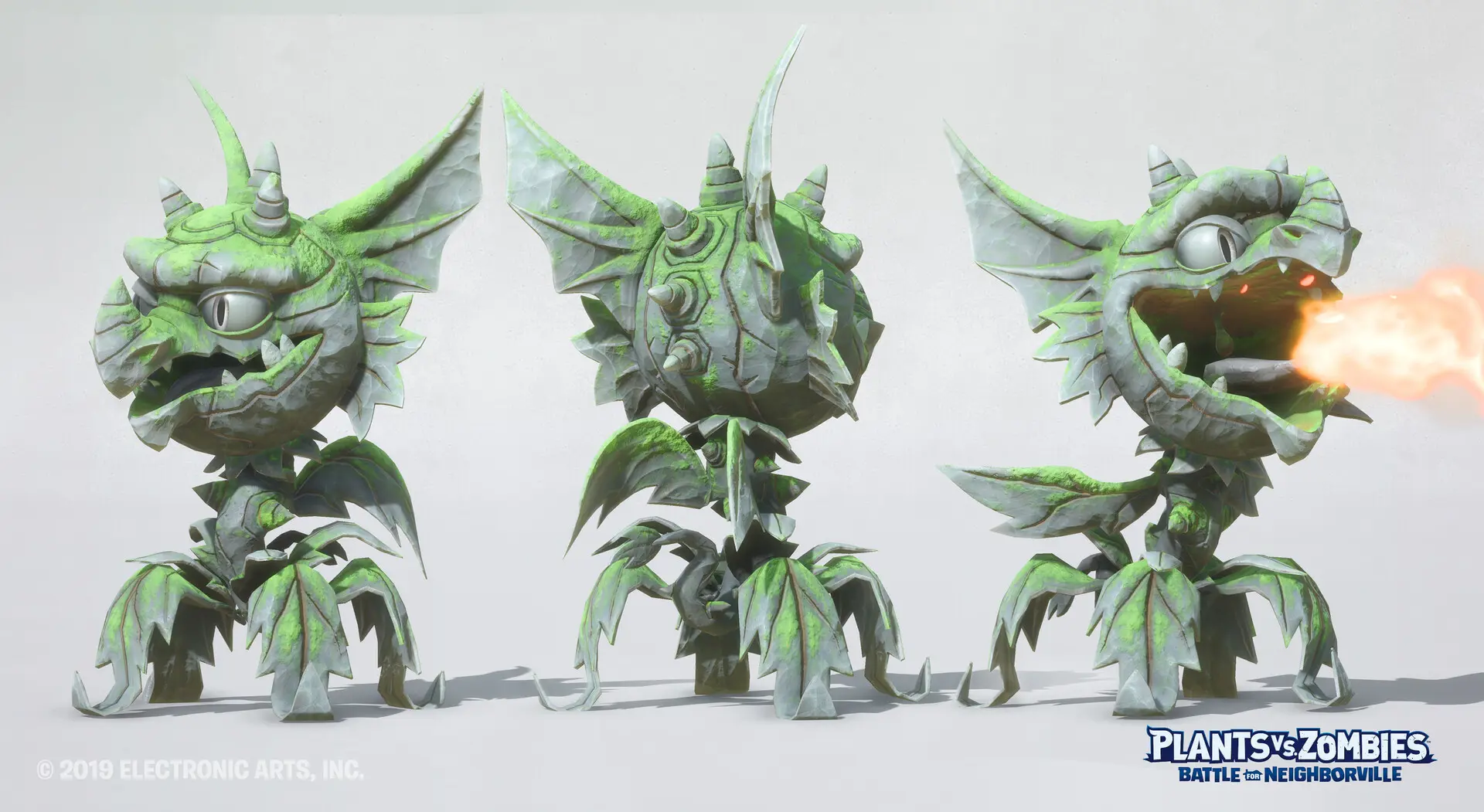
I implemented this first on Plants vs Zombies: Battle for Neighborville and then later on Skate to great success.
Created by: David A Lam
Role: Character Director | Facemask
Q: What does a strong Character Director actually protect during production?
There are a few important things to me.
The first one I’ll talk about is stylistic consistency. I have a core philosophy of trying to have each character feel as though it’s made by a single artist.
Which, as we now know, can be a real undertaking given how many different people are involved in creating a single character, not to mention, different characters are created by different people within each domain.
Next is technical quality, to ensure that the character performance holds up in deformation and animation, and not only in static authoring pose.
And lastly, but most importantly, the team itself.
Ensuring that the team itself is healthy and taken care of, ensures that they are able to bring their best selves to work and their craft.
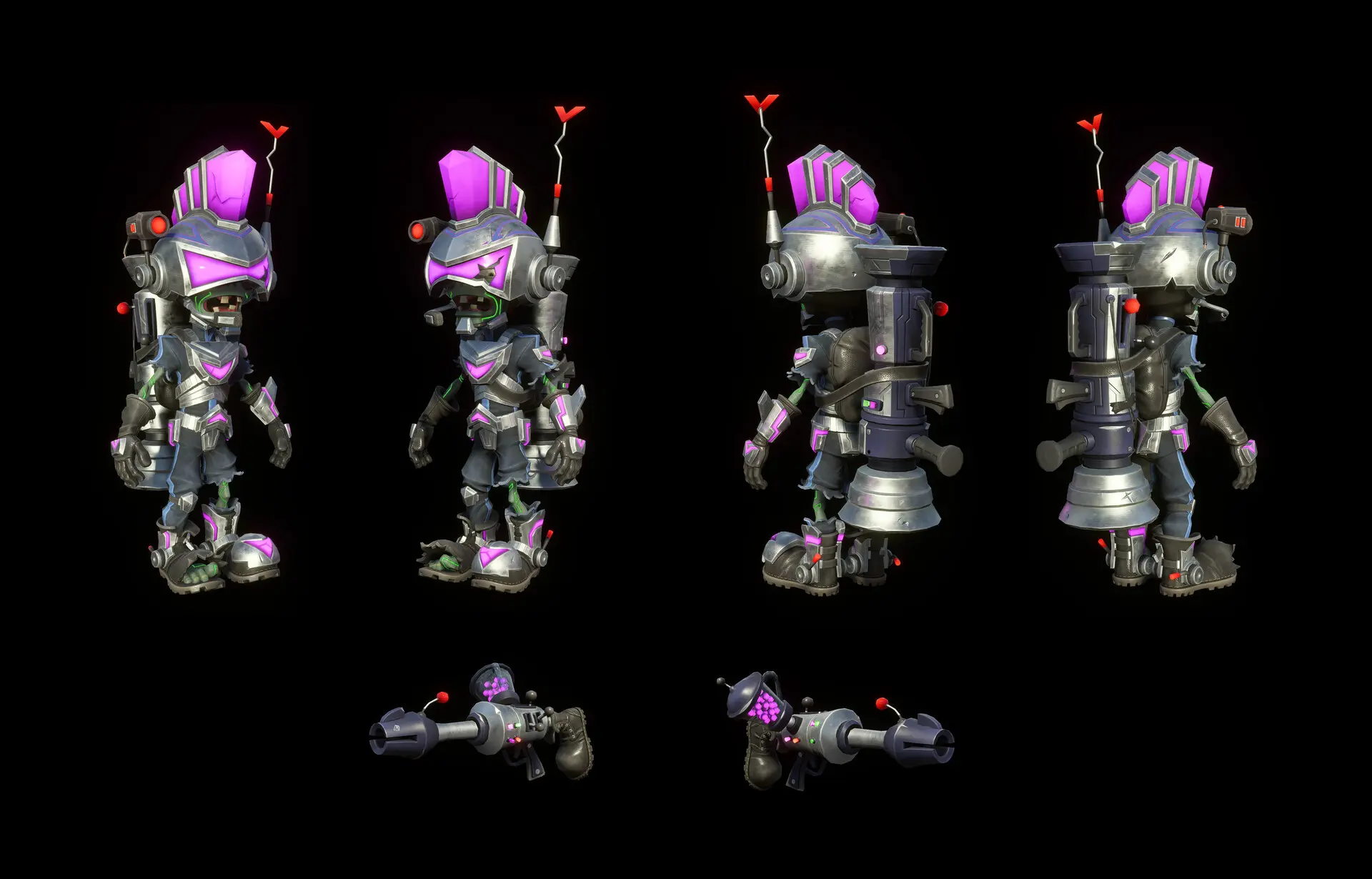
Built by Many Hands. Credits:
David A Lam & Alex Kolakowski
Role: Character Directors, Costume
Fred Arsenault
Role: Weapon Artist
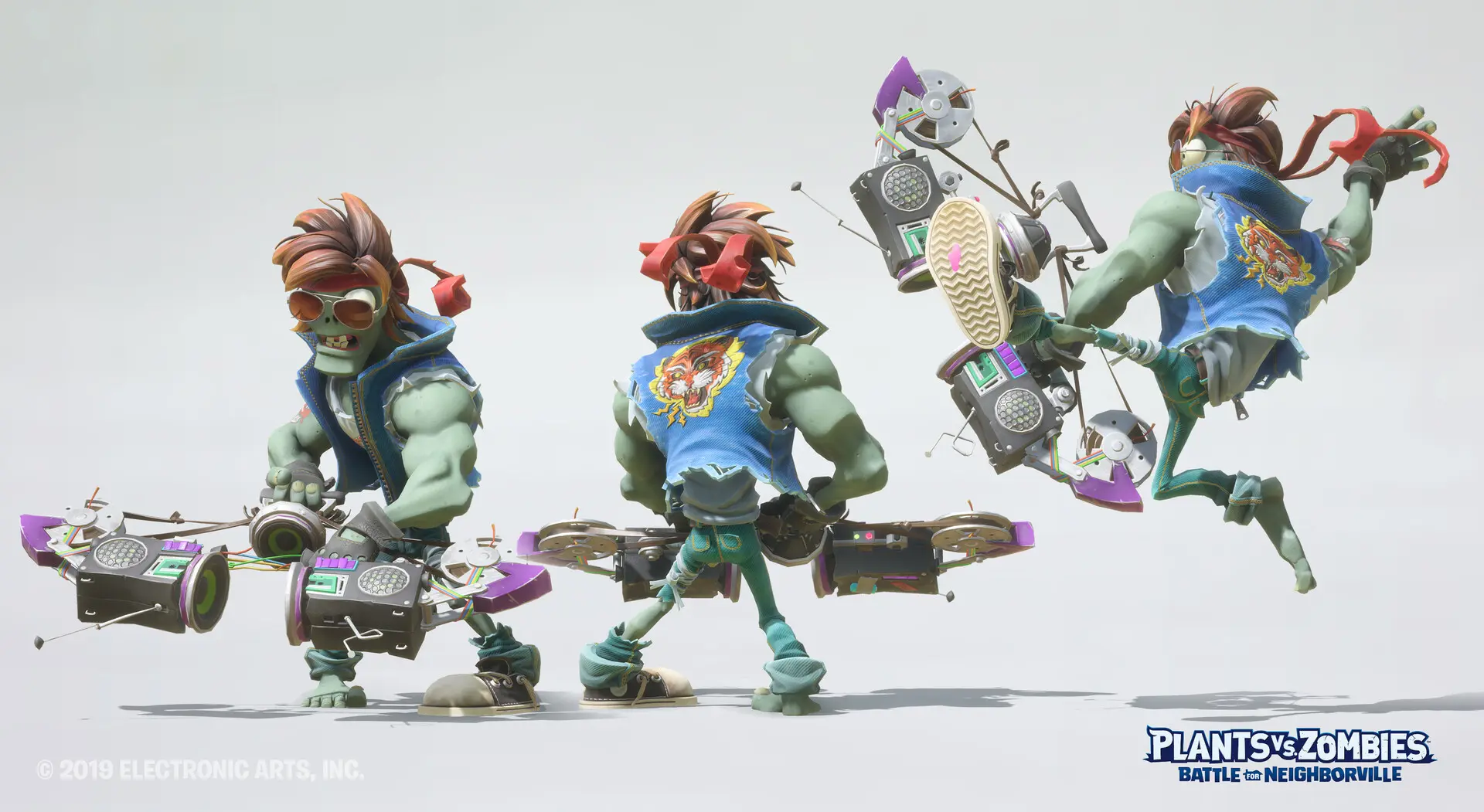
Q: You’ve worked across both realistic and stylized characters. Is the production challenge different between them?
Absolutely. Let’s start with the challenges of realistic characters.
Realistic characters have additional pipeline steps involved in order to achieve the level of realism expected in today’s games.
This starts with Photogrammetry and hand scanners to capture real world people, clothing and objects / props.
This gives the artists a 3D scan object to start from as well as base textures.
Oftentimes a 3D simulation package is utilized in place of scanning real world clothing called Marvelous Designer.

This is useful if the clothing can’t be sourced in the real world, or the costs associated with scanning are too high. As well as clothing that isn’t based on real world assets.
And lastly hair on realistic characters is created either with hair cards, or strand based hair. Both of these pose their own challenges in making them look good and believable. Oftentimes needing to hire groom artists who specialize in these types of hair.
These pipeline steps are just the beginning of creating believable characters to look realistic and believable.
You then need to get the asset into the engine and render realistically with shaders, lighting, and animation.
These are areas that can often break a character down and move them into what has been coined as the uncanny valley.
We as humans have become incredibly good at identifying other humans, and if the smallest thing is off, it makes the brain identify something as creepy and weird.
Built by Many Hands: Credits:
David A Lam
Role: Character Director, Facemask
Brandon Bennet
Role: Costume Artist
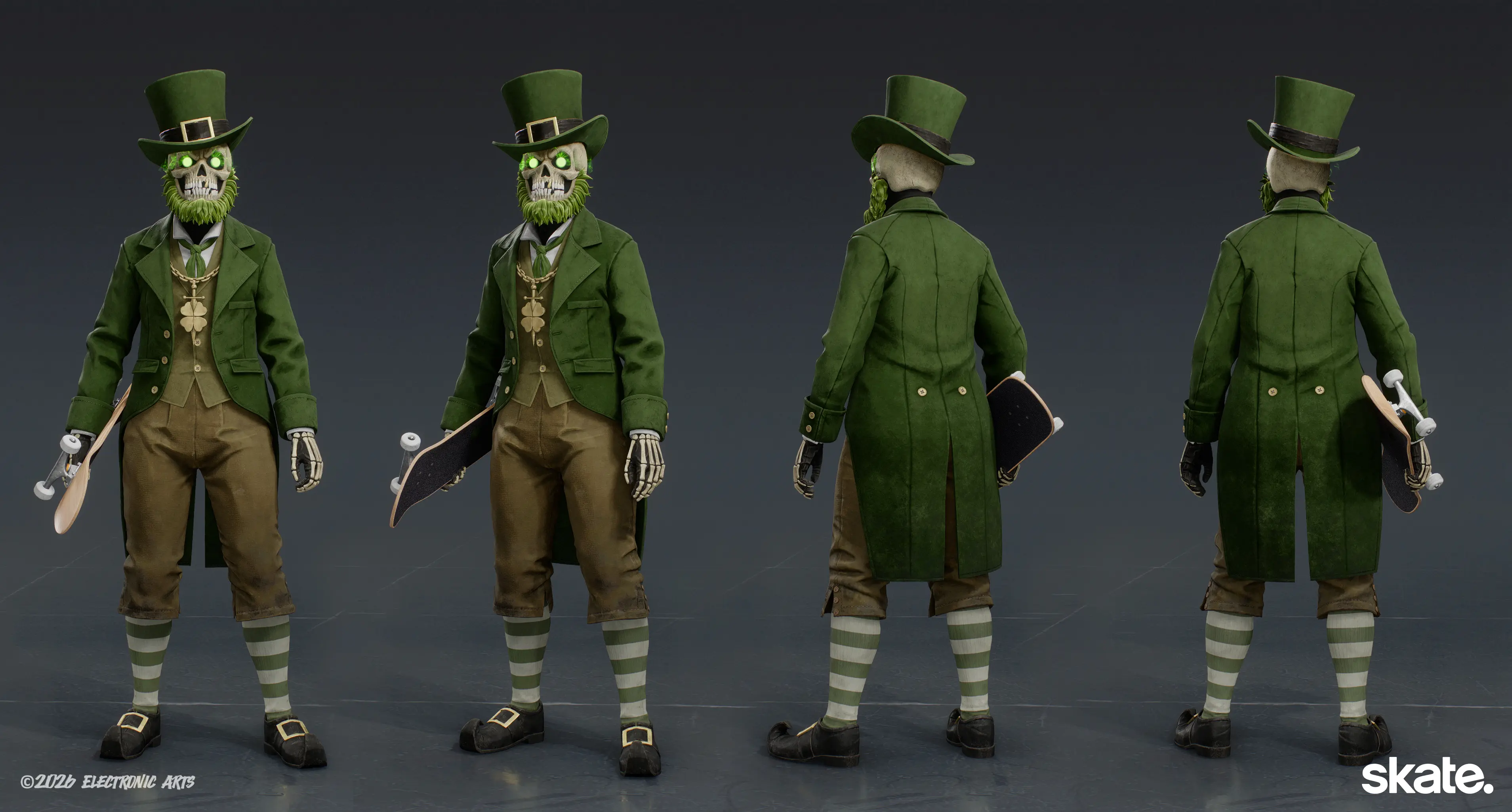
Next let’s talk about the challenges with stylized characters.
Stylized characters are a different kind of challenge.
While real world characters have the real world that can be referenced and captured, stylized is something imagined and created from nothing and can be more difficult to understand what brings them appeal.
In essence, what brings appeal is defining strong shape language, and boiling down complexity into simplicity.
This means exaggeration of prominent features, pushing shapes and form. As well as multiple iterations to find that appeal.
It also means instead of 10 wrinkles on a sleeve, maybe you only need 1 or 2 to describe the drape and push a strong silhouette.
Stylized characters are also hand sculpted and it doesn’t make sense to utilize 3D scans or simulation as these can give you results that require so much resculpting, that it’s often easier to just sculpt by hand.
Because of this, stylized characters also skip the additional pipeline steps that realistic characters need, like photogrammetry, simulation, and specialized groom work for hair.
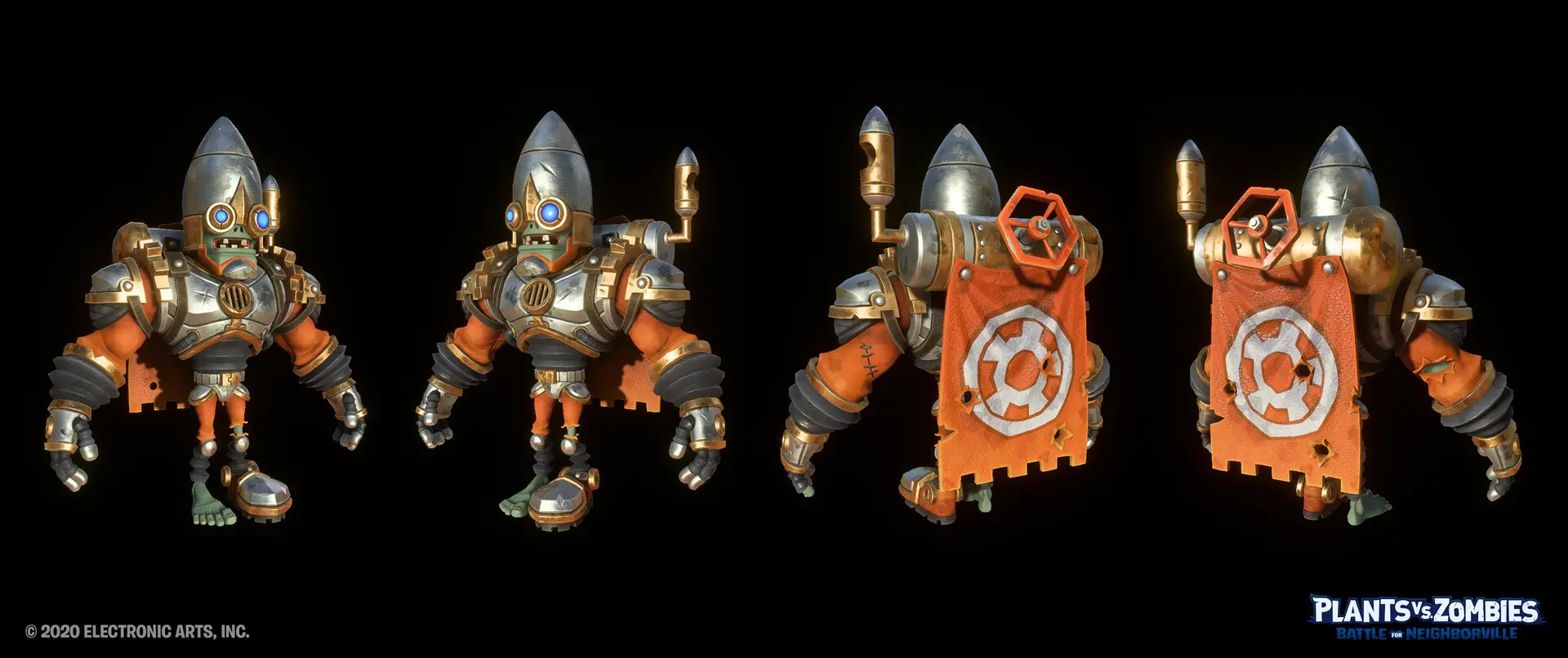
One common mistake people make is thinking that stylized characters are easier than realistic.
However, I believe you need to have a strong foundation of understanding in realism, in order to then pursue believable and appealing stylized characters.
You have to have a strong understanding of anatomy, and clothing drapery, then you can more easily simplify them and bring appeal.
Q: What makes external character production work well instead of turning into endless correction rounds?
Created by: David A Lam
Role: Character Director
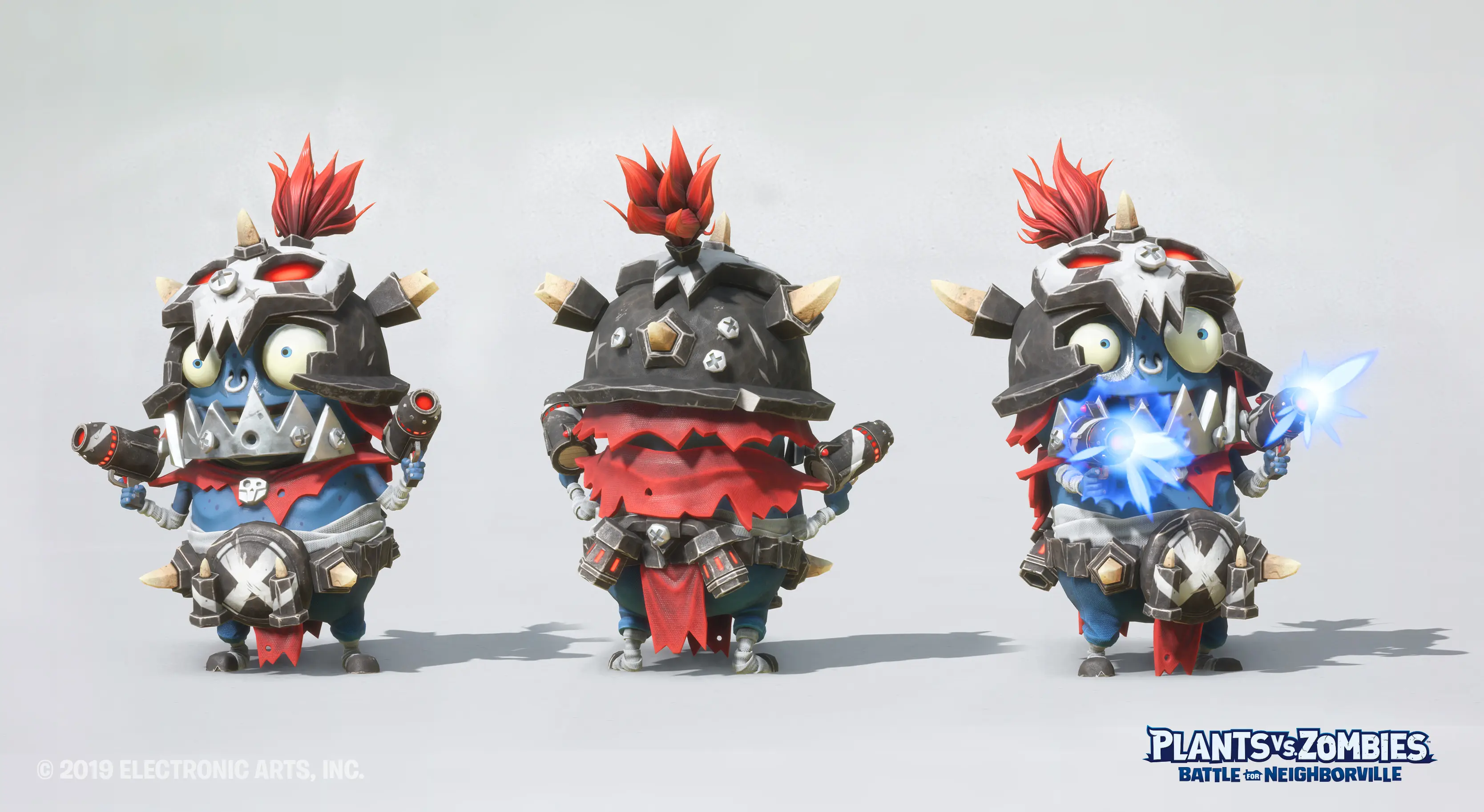
In order to set up external art production for success there are certain key elements that need to be in place.
Visual targets and style guides.
Best practices documentation, workflows and technical requirements.
Prototyping phase for unknowns during preproduction and production when needed.
I’ve also found it’s best to give feedback that’s clear in writing and backed up with visuals, especially when working across different languages.
As well as looking at the big picture and not getting overly focused on minor details.

I also believe in investing in the external artists personally to help them grow and learn. Treating them with respect and as important members of the development team.
Q: From a director’s point of view, what separates a strong external art partner from a team that only delivers decent-looking assets?
I think this is a two way street.
I’m a firm believer in treating any external production teams as extensions to the internal teams.
Building trust and ownership with the individual artists and making them feel that their contributions are important and matter.
It’s important to give them the feedback and opportunity to learn and grow in order to achieve that last 10% that pushes the art from good to great.
But also, as I mentioned, treating them with respect, and getting to actually care about the end product.
Q: What makes a character “production-ready” beyond looking good in a render?
I touched on this briefly in a previous question, but I’ll break it down further here.
To be fully production ready, it must have clean topology that takes into account deformation and rigging requirements.
Clean UV’s that utilize maximum pixel space while also considering pixel bleed and texel density.
It must be performant, meaning it meets triangle count, material count, UV count, draw call count, and LODS.
If there is a customization system, it must meet those requirements as well, meaning it can attach to other customizations cleanly and doesn’t crash into them.
It must also not cause any game play issues such as blocking the player camera.
Or animation issues such as undesirable clipping.
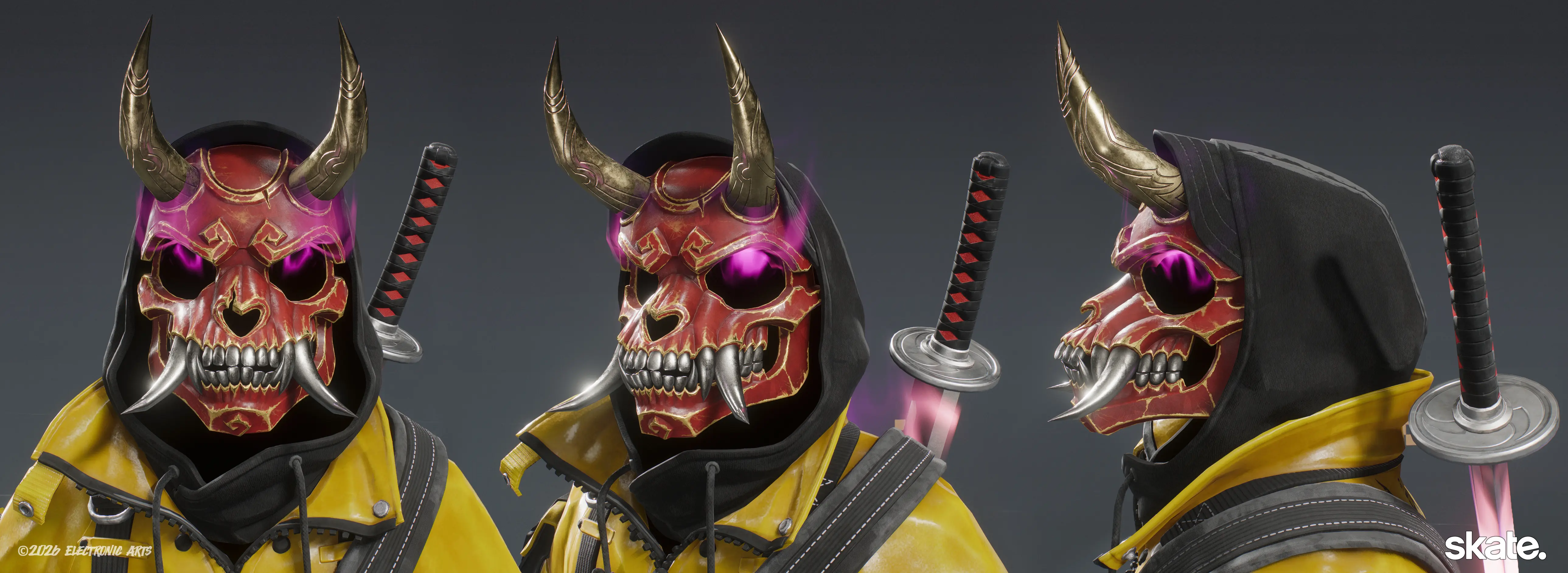
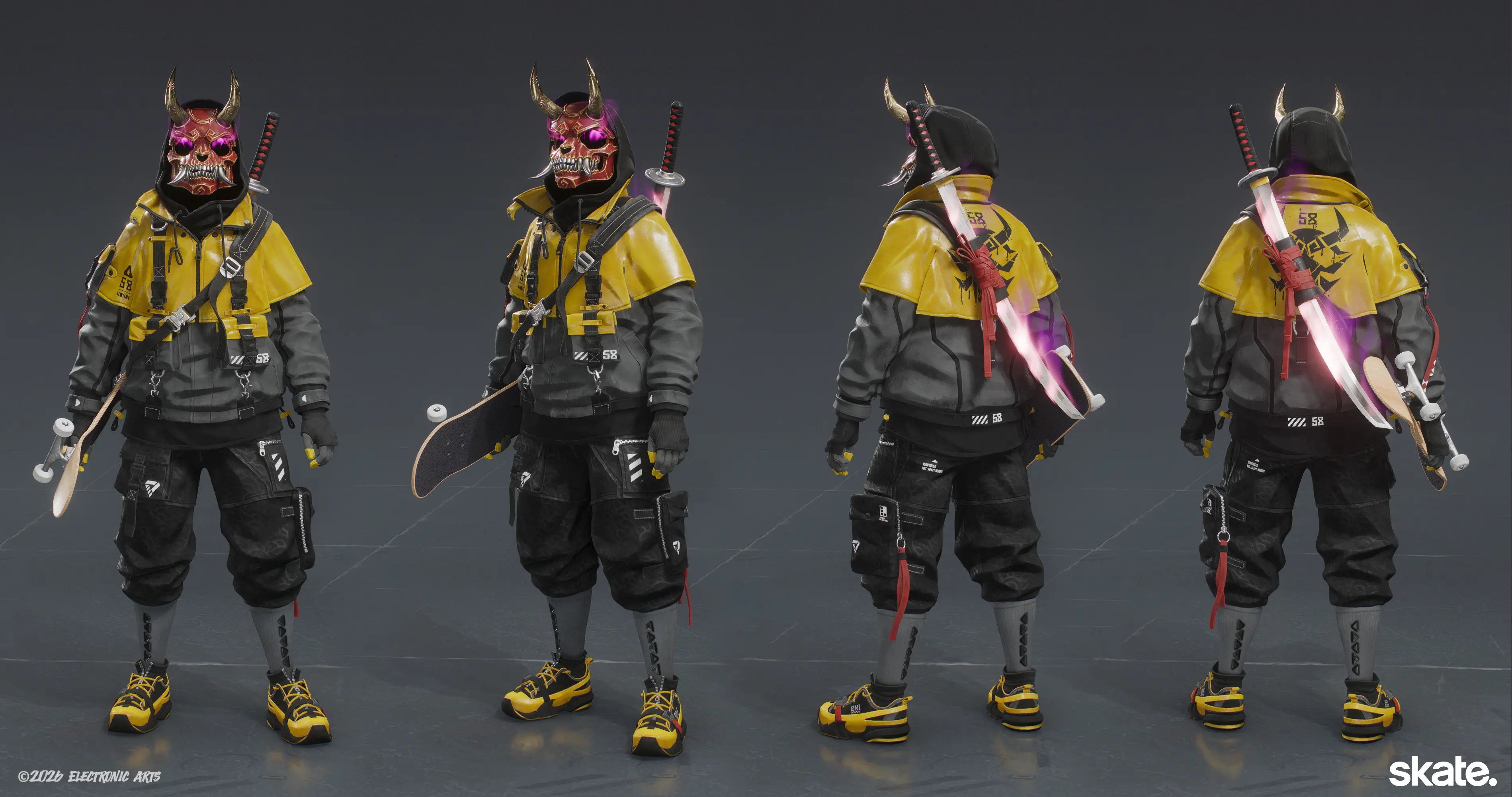
Built by Many Hands. Credits:
David A Lam
Role: Character Director, Facemask
Max Biberov — Clothing
Brandon Bennet — Sword
Tesha Bachman — Gloves
Ky Campbell — Shoes & Accessories
Q: What advice would you give to small teams, founders, or artists who want to build better characters without losing control of production?
Clearly define decision makers and owners early so decisions can be made efficiently.
Define what good looks like, and document it clearly and concisely, so everyone is working from the same reference.
Don’t scale production until those elements are in place, and keep adapting the process and documentation as you learn more along the way.
And lastly, collaborate. Listen to those around you.

Consolution
Great character art may look like the work of one hand, but David A Lam makes it clear that the strongest results come from many disciplines moving in the same direction.
Concept, modeling, rigging, animation, technical art, production, and external teams all shape the final asset.
The challenge is not simply making a character look impressive, but keeping the design consistent, technically reliable, and ready for gameplay.
That requires early collaboration, clear ownership, useful documentation, and respect for every person involved.
In the end, character production works best when the team shares both the standards and the responsibility.
Explore more behind-the-scenes stories in our exclusive interview series. We have many more conversations with industry visionaries coming soon, so be sure to visit us again.
Get in touch
Got a project in mind? We usually reply within a day.