



A conversation about keeping your craft sharp during a hard job market, building production-ready character skills, and what artists need to show when beautiful renders are no longer enough.
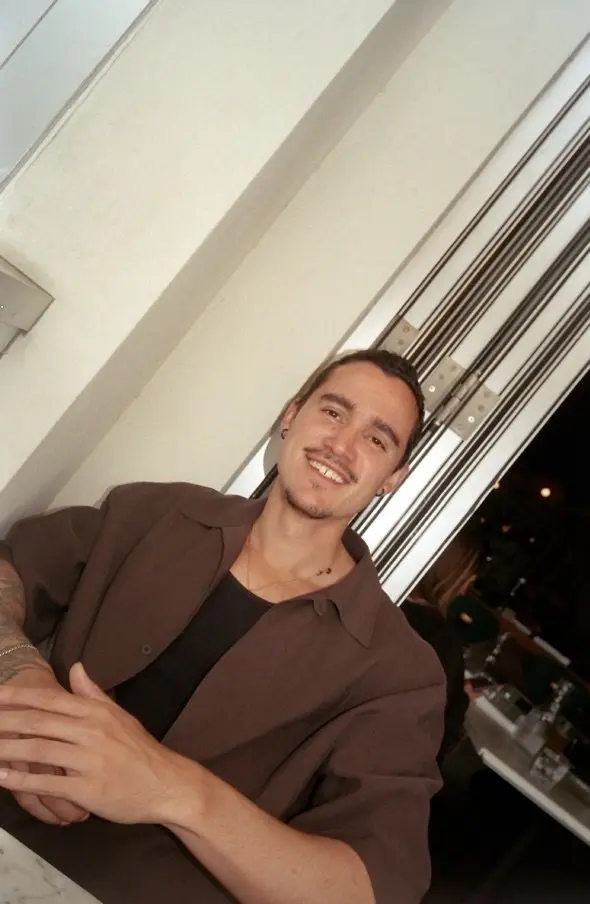
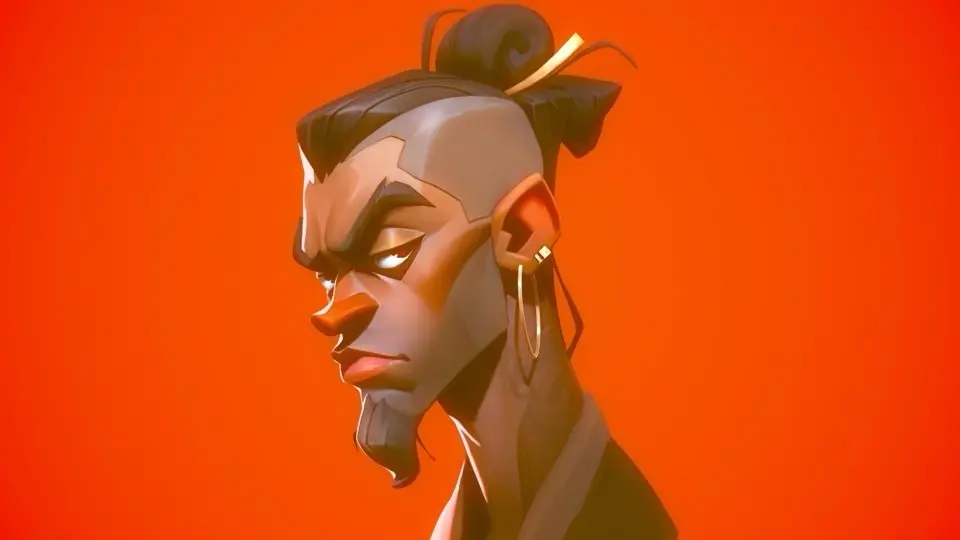
Lucca Mazzei is a Senior 3D Character Artist currently working at Riot Games, with previous experience across Blizzard Entertainment, Elodie Games, Treehouse Games, GreenPark Sports, freelance character work, and stylized game character production.
His background is especially relevant right now because the game industry has become much harder for artists. Many strong artists are spending months looking for work, studios are more selective, and portfolios need to prove more than visual quality alone. Lucca has also publicly shared that after a difficult year without work, he got the opportunity to join a studio and project he had been dreaming about.
That makes this interview useful beyond one person’s career story. Lucca has seen character art from several sides: freelance production, smaller teams, visual development, skins, stylized multiplayer characters, and large-studio production. His experience gives a practical view of what helps a character artist stay ready when the market is unstable.
This interview focuses on career resilience, production-ready character art, portfolio choices, and what artists should understand if they want their work to survive real game production, not only look good in a render.
Main topics
- Character Art
- Character Artist Portfolio
- Game Art Careers
- Production-Ready Characters
- Game Development
- Career Advice
Interview
Q: In a market where many strong artists are looking for work, what do you think helps a character artist stand out?
When skills are evenly matched, who you are as a person is the distinguishing factor. Be someone who cares for others and people will remember you when an opportunity arises.
Q: A character can look beautiful in a render but still not be ready for real game production. What usually separates a strong portfolio piece from a production-ready character?
A: You can have a portfolio piece that is purely artistic as long as there are other pieces that demonstrate your capacity to accommodate other disciplines within a team. Are you thinking about edgeflow that will help your animator down the line? Are you optimizing your mesh so that your tech artist will have an easier time skinning it?
Q: You have worked in freelance roles, smaller teams, and larger studio environments. What changes most for a character artist between those worlds?
A: Generally in smaller teams, you have more autonomy to not only set standards for your craft, but also influence other disciplines. As a freelancer, you’re expected to follow briefs, execute on your craft with quality and deliver results. In larger studios it is a mixture of both, with the added pressure of working within an established IP.
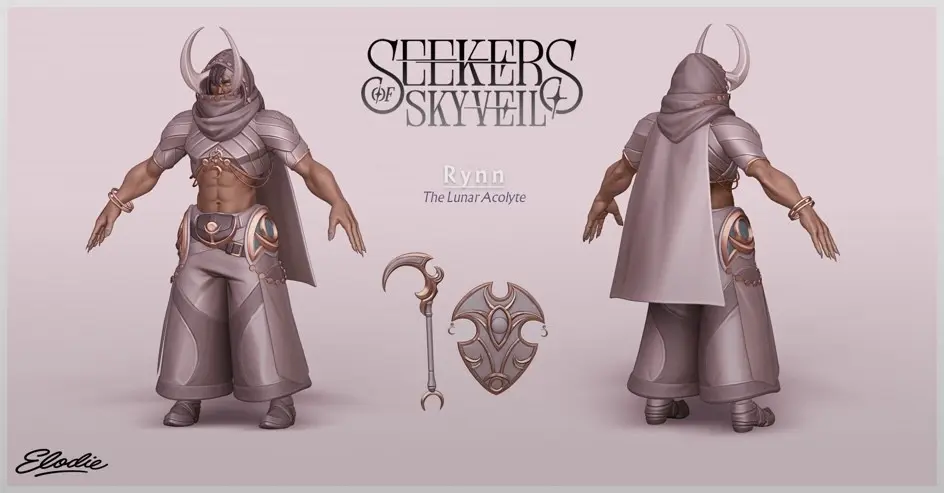
Q: Skins and character variations can look simple from the outside, but they often carry real production cost. What makes them harder than people expect?
A: Generally skins need to be designed under the constraints set by the original base character, because we want to save costs in not doing custom rigs/anims down the line. But sometimes we can break those rules if we want something to feel more premium and unique. A lot of the time a concept artist will already have in mind how to break a base character up so that skins can be designed with those limitations in mind in the future.
Q: What do smaller teams often underestimate about character production?
A: Because of dependencies downstream from us, we don’t get all the time in the world to polish something to our liking. We need to adapt to deadlines and learn to deliver something that satisfies the needs of the project without sacrificing quality. There are many times where I don’t love a result I arrived at but if the team is happy with it, that is what matters.
Q: During a difficult job market, how should artists decide what to improve first?
A: I don’t have a good answer for this as we are experiencing an unprecedented shift in technology, but I do think the ones who remain flexible and adaptable are the ones that get opportunities to move forward.
Q: You’ve also offered to help students and junior artists. What are the most common things younger character artists misunderstand about breaking into games?
A: Some aspiring artists underestimate the immense sacrifice required to compete for a spot in a team. I think of it much like sports. Less than 1% of the people that pick the craft up will become professionals. The higher you aim, the less seats are available. But If you love it enough, seek mentorship and stay honest and persistent, you will make it.
Q: If a character artist is currently unemployed or struggling to get replies, what practical advice would you give them?
A: What has worked for me is to target specific studios by mimicking their style. Play and study their games and ask their artists for feedback. That will help you stand out and give you a chance to compete once a seat opens up. When it comes to reply, it’s knowing that 90% of people you reach out to won’t reply and that’s okay. It only takes one person for a door to open up.
Q: From your experience in external production and studio teams, what makes a character artist easier to trust in production?
Delivering on or beyond expectations, being communicative, considering pipeline issues and offering solutions, making life easier for others and owning up to when you make a mistake.

Consolution
Lucca Mazzei believes that building a successful career as a character artist takes much more than creating impressive artwork. Strong technical skills still matter, but studios also value artists who understand production, work well with teammates, and can adapt to real development constraints. He encourages artists to keep improving through personal projects, stay connected with the community, and tailor their portfolios to the studios they want to join. Above all, he reminds us that persistence, flexibility, and a positive attitude often make the biggest difference when opportunities finally appear.
Explore more behind-the-scenes stories in our exclusive interview series. We have many more conversations with industry visionaries coming soon, so be sure to visit us again.
Get in touch
Got a project in mind? We usually reply within a day.


