



Summary
Many studios estimate every character individually.
We prefer to define production tiers first.
Instead of estimating one hero, one enemy, or one boss at a time, we classify characters into complexity tiers with predefined production budgets.
This allows the art direction to evolve while keeping production predictable.
Main Idea
The main idea is not to ask how much an already-designed character will cost, but to determine in advance what kind of character can be created within the available budget.
Why Fixed Character Estimates Don’t Scale
Every project starts with rough ideas.
Characters evolve.
Weapons change.
Accessories appear.
Silhouettes become more complex.
A fixed estimate becomes outdated almost immediately.

Estimate Production Complexity
Instead of estimating concepts individually, define several production tiers.
Example:
Tier 1
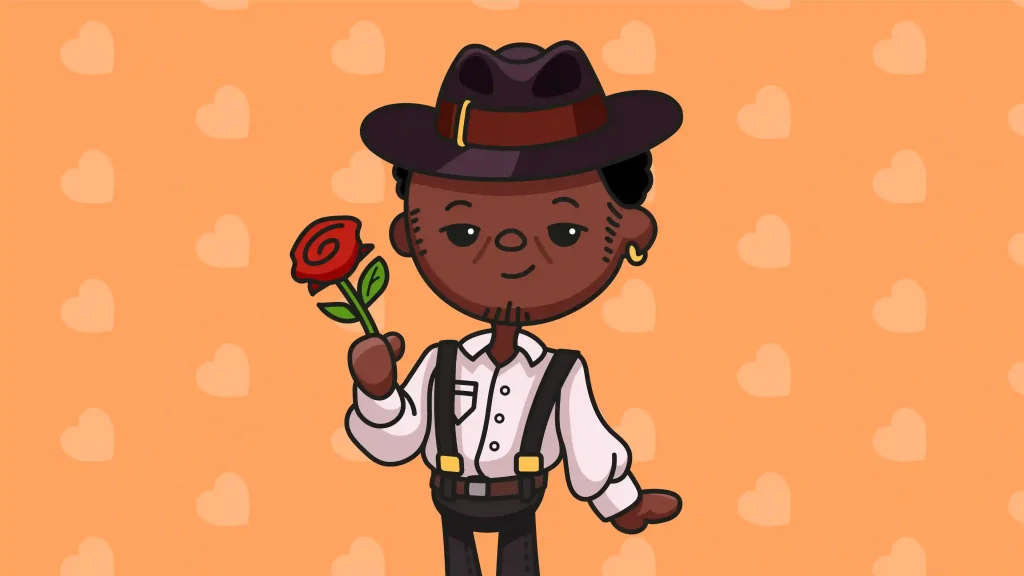
A straightforward character with a clear silhouette, minimal accessories, and simple materials. The design avoids complex clothing layers, detailed weapons, or elements that require additional rigging and animation.
This tier usually works well for background NPCs, basic enemies, and some characters created for mobile games.
Tier 2
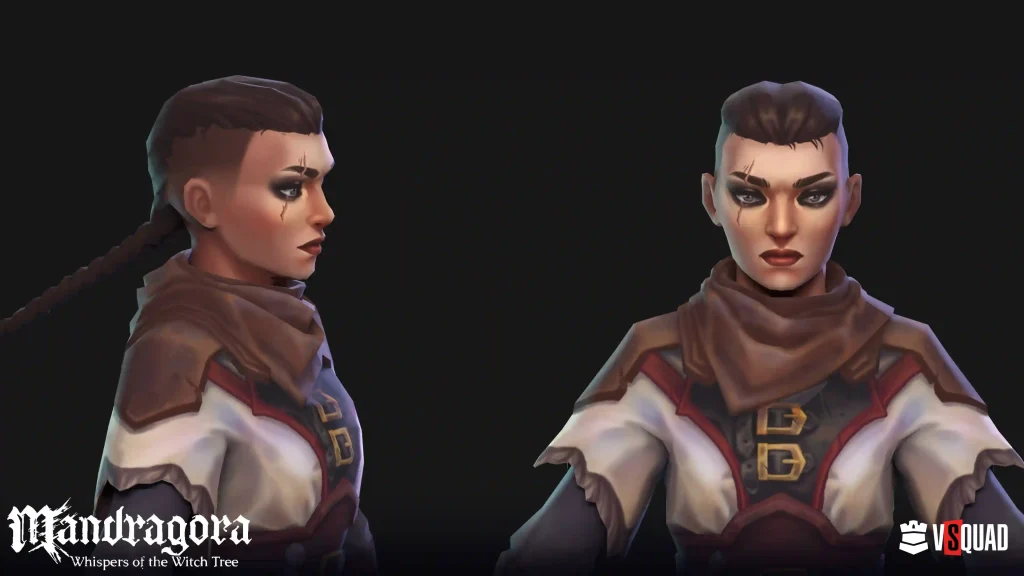
A more developed character with additional clothing layers, accessories, more complex weapons, and a richer silhouette.
This tier requires more production time than a basic character but avoids the most complex armor, materials, hair, and secondary elements.
It can work for important NPCs, advanced enemies, or even main characters in stylized and indie games.
Tier 3
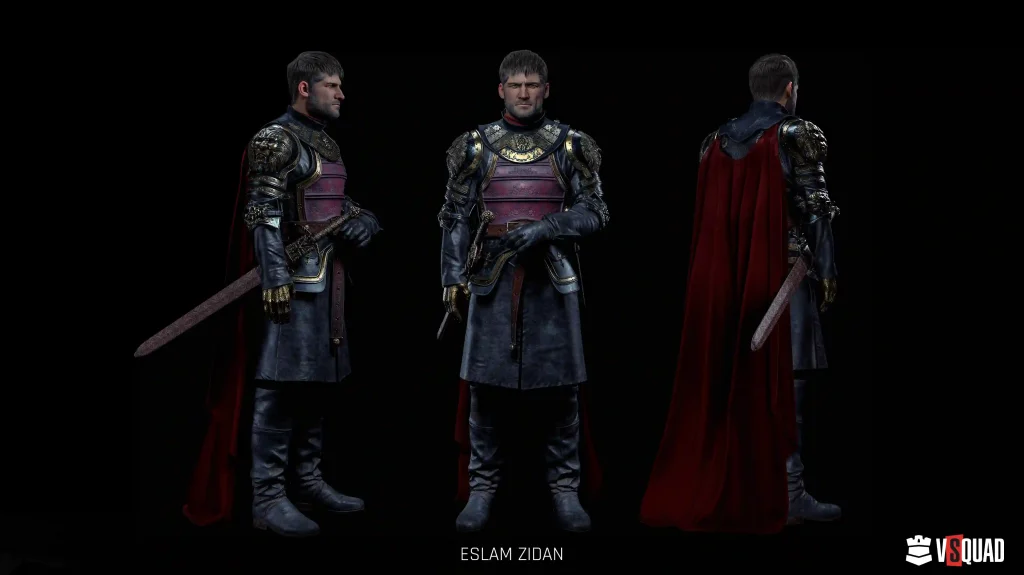
A highly detailed character with complex clothing, ornaments, hair, unique weapons, secondary elements, and a distinctive silhouette.
These characters often appear in close-up views and may require custom rigging, additional animations, advanced materials, or more detailed textures. This tier is commonly used for heroes, bosses, and other characters that need to stand out visually.
Each tier has its own production budget, helping the team understand how much time and detail can realistically be invested in the character.
Design Around Budget
Instead of saying
Design a boss.
the brief becomes
Design a Tier 3 boss.
Instead of
Design ten enemies.
the brief becomes
Design six Tier 1 enemies and four Tier 2 enemies.
Production becomes predictable before modeling even starts.
Why This Helps Everyone
Producer
Can forecast budget immediately.
Concept Artist
Knows the production limits before drawing.
3D Artist
Receives concepts that already fit the available production time.
Publisher
Gets a much more reliable production estimate.
Real Production Benefits
- Predictable budgeting
- Easier outsourcing
- Better production planning
- Less scope creep
- Faster estimate revisions
- Easier communication between art and production teams
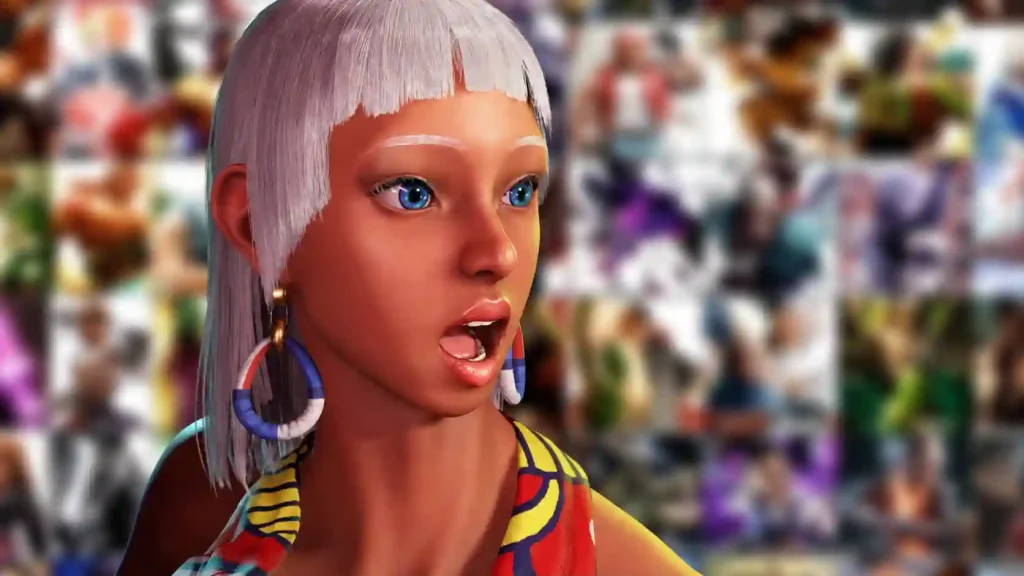
Questions Before Estimating Characters
- What is the target polycount?
- What texture workflow will be used?
- Are LODs required?
- Will characters share bodies or clothing?
- Will skins be created later?
- Will characters appear only from gameplay camera or also in close-up views?
Conclusion
A character estimate should not answer:
How much does this character cost?
It should answer:
What kind of character fits this production budget?
That simple change makes the entire production pipeline easier to manage.
Get in touch
Got a project in mind? We usually reply within a day.


