


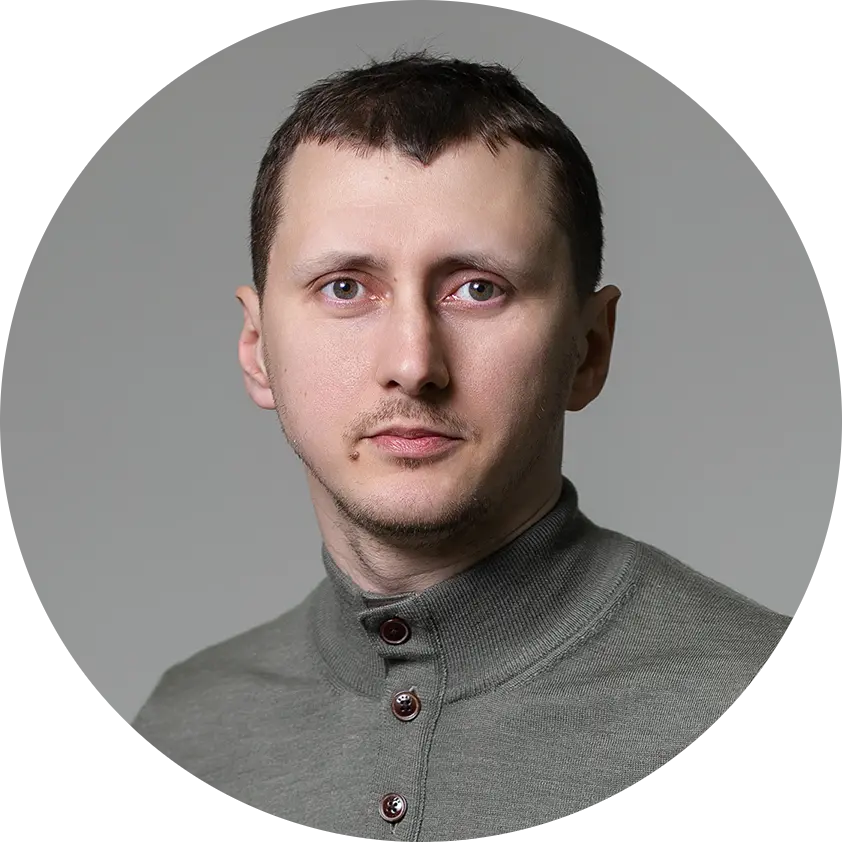
Jef Shears, Founder of Mercenary Technology, has worked on projects with very different needs—from VR experiences with strict technical limits to larger productions involving multiple teams and external partners.
In this interview, Jef shares what can make visual consistency difficult, why outsourced assets often need internal rework, and where art pipelines usually start to slow down. He also talks about working inside Meta’s evolving Horizon Worlds platform and balancing ambitious ideas with the need to deliver something stable.
We also discuss iteration—one of the most important and underestimated parts of art production—and why AI-generated assets may create more cleanup work than teams expect.
Main Topics
- Game Art Production
- Visual Consistency
- Art Pipeline Bottlenecks
- External Art Teams
- Cross-Team Collaboration
- Art Iteration
- AI-Generated Assets
- VR Development Pipelines

interview
Q: From your experience, what usually becomes the hardest part of maintaining visual consistency when multiple teams or external partners are involved?
Jef: Several things can make maintaining visual consistency difficult, including internal production issues like unreasonable deadlines or asking artists to work outside their strongest skill sets.
My experience with external teams was a bit unusual. For nearly three years, we developed for Meta, and they provided overseas outsource groups under their own contracts. We were encouraged to work through their producers, but the teams operated in different time zones and sometimes there were language barriers.
↓ The Callisto Protocol — Featured in Jef Shears’ Portfolio

We were also told they could support concept art production, but that never really worked out in practice. The result was inconsistent asset quality and communication problems. A lot of the outsourced work still needed significant rework internally to match the established visual style of the game.
Another challenge was consistency between artists. Even when we found a modeler producing strong results, we couldn’t request to keep working with them. It was more of a “you get what you get” situation, which often created uneven quality across production.
Q: Has working across very different types of projects changed the way you approach art direction and feedback over time?
Jef: Absolutely. Different projects completely change expectations around quality, speed, and production priorities.
For example, a VR project with strict polygon and texture limits often expects assets to be completed very quickly. Meanwhile, AA or AAA productions still have tight deadlines, but there’s usually much more emphasis placed on final quality.
↓ Gotham Knights — Featured in Jef Shears’ Portfolio

Beyond project type though, one of the biggest factors is the stability of the development platform itself and the way clients expect deliverables. While working with Meta inside Horizon Worlds, we were building content inside an unstable, still-evolving engine.
At the same time, Meta wanted teams to “push the envelope,” so there was constant tension between innovation and safely delivering something stable enough to survive regular reviews.
Q: In larger productions, where do art pipelines most commonly start breaking down or slowing teams down?
Jef: The biggest slowdowns usually happen around assets that require many different disciplines to work together.
For example, a complex mechanized asset with custom animation systems and special effects can create technical and communication problems very quickly. Those situations require strong coordination, testing, and collaboration between multiple developers to avoid bottlenecks.
↓ Batman: Arkham Knight — Featured in Jef Shears’ Portfolio

Q: A lot of people see game art mostly as creativity, but not necessarily as production. What part of art production do you think the industry still underestimates?
Jef: It’s necessary for achieving strong results, but it’s often the first thing that gets compressed or removed because of deadlines and production pressure.
↓ Call of Duty: Black Ops III — Featured in Jef Shears’ Portfolio

I also think this will become a major issue for teams relying heavily on AI-generated content. AI can produce impressive-looking results quickly, but the underlying assets often have messy topology, poor UVs, and limited editability.
If small teams are expected to clean up large amounts of low-quality AI-generated assets, that becomes a production problem many companies still underestimate.

Conclusion
Good art direction is not just about choosing the right visual style. It also depends on clear communication, regular reviews, and giving artists enough time to improve their work.
Jef’s experience shows how quickly consistency can break when several teams, external partners, and technical limitations are involved. Even a strong-looking asset can become a problem if it does not fit the project’s pipeline.
The same is true for AI-generated content. It may save time at the start, but poor topology, UVs, or limited editability can create more work later. In the end, iteration is still what turns a promising result into something ready for the game.
Explore more behind-the-scenes stories in our exclusive interview series. We have many more conversations with industry visionaries coming soon, so be sure to visit us again.
Get in touch
Got a project in mind? We usually reply within a day.