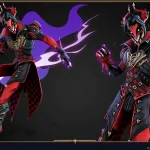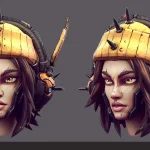



A conversation about 3D character art, texture quality, cinematics, materials, feedback, and how character production has changed over the last decade.
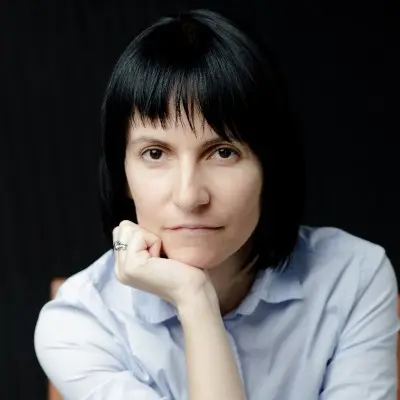
Julia Pishtar is a Senior 3D Character Artist with experience in game character production, cinematic character work, freelance projects, outsourcing teams, and lead 3D art roles.
Her background includes HitZone, Blur Studio, Axis Studios, N-iX, Gameloft, iLogos, and long-term freelance character art work. She has also worked on cinematics connected to Riot projects, including Valorant.
What makes this interview interesting is Julia’s practical production experience: not only making characters look good in a portfolio, but bringing them to a level where textures, materials, close-up quality, feedback, style matching, and team production all work together.
The conversation is aimed at game artists, indie developers, art leads, and small teams who want to understand what makes a 3D character work both as an asset and as part of a larger production.
Main topics
- 3D Character Art
- Game Character Production
- Cinematic Character Art
- Character Texturing and Materials
- Production-Ready Characters
- Art Direction and Feedback
- Character Art Outsourcing
- PBR Workflow
Interrview
Q: You have a long path in 3D character art. How has your view of character production changed over the years?
At the beginning of my career, I was focused mostly on how my model looked. If the sculpting and textures were detailed enough, I considered the work finished. But over time, my perspective has changed.
Now I understand that a character is part of a project, not a model in a vacuum. I focus more on making sure the work looks organic and fits into the overall art style. I concentrate on large and medium-scale forms, adding detail in the final stage.
Over time, I’ve also come to realize that the technical side is just as important as the artistic one. Clean, correct topology and well-optimized UVs save a lot of time during the rigging and animation stages, as well as in-game resources.
Q: How have the requirements for 3D character artists changed over the last 10 years?
I think the requirements have increased significantly and become more diverse. Ten years ago, they mainly included modeling and texturing. Today, much more is expected.
Modern pipelines require an understanding of how PBR materials work; even if you’re working on stylized projects, knowledge of PBR workflow is required, since many stylized projects use PBR.
You also need to collaborate closely with other specialists — concept artists, riggers, animators, and VFX artists.
Quality requirements have increased significantly in both stylized and realistic projects. We’re expected to deliver high-quality textures and materials, clean topology, and animations that look natural.
In recent years, AI has also begun to be included into the pipeline. Therefore, it’s very important to know how to use it as a tool to speed up your work.

Production priorities also are different. In cinematic cutscenes, the goal is often to achieve the highest possible visual realism, whereas in gameplay, the focus is on clarity, consistency, and efficiency.
Despite these differences, both workflows are based on the same foundation: clean shapes, realistic materials, and high-quality assets ready for use in production.
Q: What can game character artists learn from cinematic production?
I think one of the most important lessons is that quality isn’t just about high detail, but also about striving to make every detail believable — with its own story.
In cinematics the camera gets very close to the character, so every detail must stand up to close scrutiny. Skin requires subtle color transitions and realistic texture. Fabric should convey a sense of thickness and wear. Hair must react naturally to light. You’ll quickly develop the ability to notice the small details that make a character feel alive.
Even though game characters have stricter technical limitations, this approach works perfectly here as well. It teaches you to focus on the clarity of materials, how they react to lighting, and emotional expressiveness—rather than simply increasing texture resolution or sculpting detail.
Q: When you look at character textures, what tells you that the artist really understood the material?
As for me, it’s not about how detailed the texture is, but whether the materials look realistic.
Skin has subtle variations in warm and cool colors. Leather becomes polished in areas where it’s frequently touched, and matte where the top painted layer wears away. Fabric folds vary in thickness and texture depending on the type of fabric.
Working with roughness is important—something beginners often forget.
The main focus should also be on the top of character. Very often it could be solved by using a gradient color, which makes the model darker toward the bottom.

Q: What separates a nice-looking 3D character from a character that is actually ready for production?
A beautiful render doesn’t always mean that an asset is production-ready.
A production-ready character has clean topology, optimized UVs, and textures. Technical details are also important – such as proper naming conventions and materials that look good in the engine.
In short, the ideal production-ready asset is one that no one will have to struggle with later. The quality of a character isn’t just about how it looks, but also about how reliably it performs at every stage of development.

Q: How do you match an existing game style when you join a project or work with an established art direction?
I usually start by studying the project. I look at the existing characters and analyze their shape language, proportions, material treatment, and color palette.
It’s often much harder to fit into an established style than to create something new. It’s easy to create a beautiful character; it’s harder to make it so that no one notices it was created by another artist.
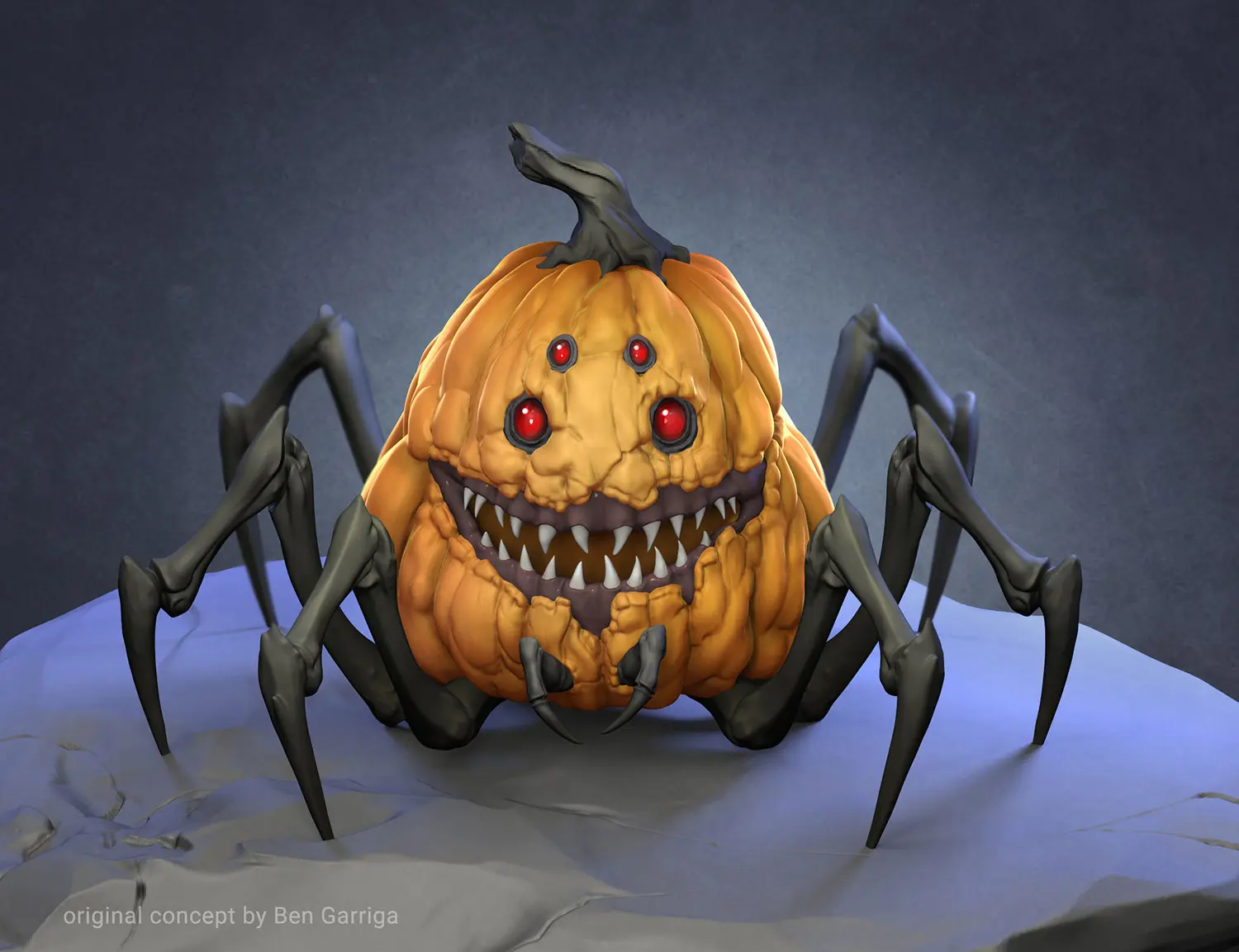
Throughout the entire creative process I compare my work to existing assets rather than evaluating it in isolation. My goal is not to create the “best” character, but to create a character that is a good fit for this particular world.
Q: You also had lead 3D artist experience. What is the hardest part of keeping character quality consistent across a team?
The biggest challenge for me was getting the entire team to work in harmony, despite the artists’ varying levels of experience.
In my opinion, overall quality and a consistent art style are achieved not through micromanagement, but through clear art guidelines, regular team reviews in a friendly, creative atmosphere, support and mentoring less experienced artists, and constructive feedback in a friendly, non-toxic environment.

I also believe it’s important to explain your feedback. When artists understand the reasoning behind why and what needs to be changed, it becomes easier for them to improve their work.
Good leadership isn’t about approving every detail. It’s about building a team that can deliver high quality with less oversight from management.
Q: What kind of feedback is actually useful for a character artist?
In my opinion, the most valuable feedback should be clear and tailored to the project’s style and technical requirements. Comments like “I don’t like it” or “make it look nice” aren’t very helpful because they’re subjective and leave a lot of room for interpretation. Good feedback should explain why something needs to be changed.
Also, I think good feedback focuses on solving the problem rather than pointing out mistakes. Its goal should be to help the artist improve their work, not to scold them for their mistakes.
When feedback is clear and supported by references or production requirements, everyone spends less time on unnecessary iterations.

Q: What do small teams or indie developers often underestimate about character production?
Small indie teams are often too ambitious and set themselves impossible goals, underestimating the amount of work required for a project. They try to create large-scale projects like League of Legends without considering that such projects are developed by huge teams and require colossal budgets.
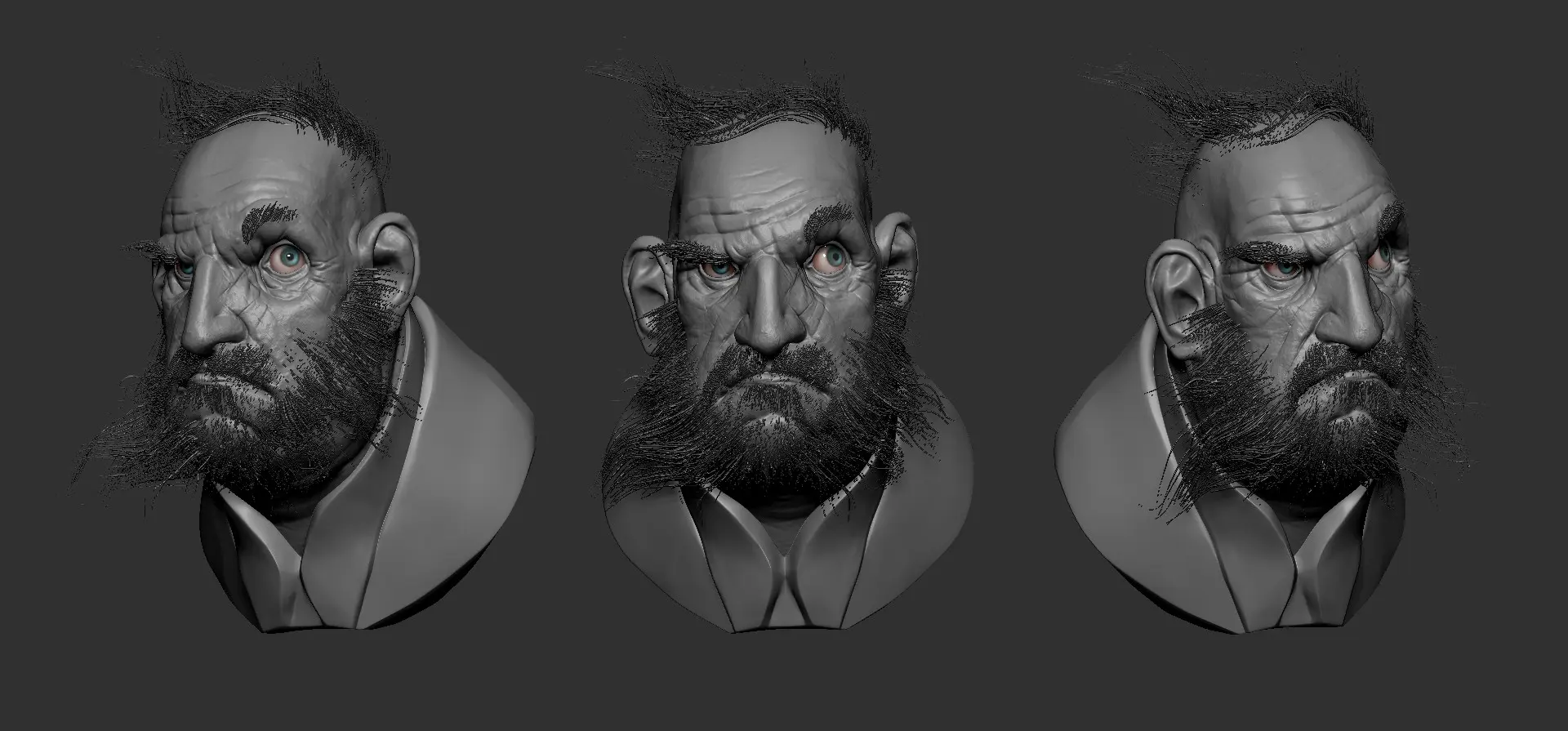
Otherwise, there are many indie games with wonderful art styles that don’t require such massive resource investments—simple but engaging gameplay and original ideas. I think indie studios should focus on projects like these.
Q: If a team works with external character artists or an outsourcing partner, what should be included in a good character brief?
In my opinion, a good brief should include a clear definition of the art style, preferably with references from the project or projects with a similar style. It should also include clear technical requirements—the budget for polygons and textures, engine specifications, and naming conventions.
It’s also extremely helpful when the brief includes examples of approved assets, as well as examples of what not to do, with explanations of what was done incorrectly.
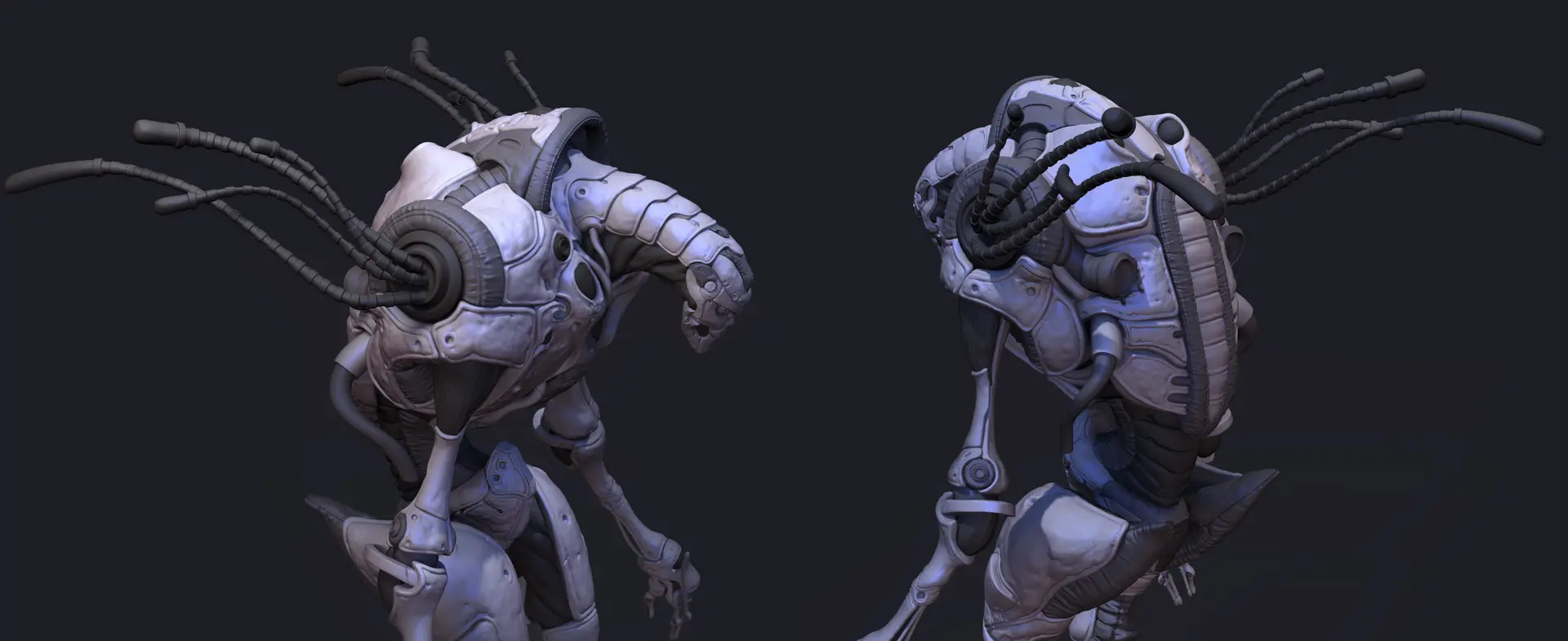
Q: What advice would you give to 3D character artists who want their work to look strong not only in renders, but also inside real production?
My advice is: don’t stop learning. It’s important to understand the entire pipeline and all the stages of production.
Learn how characters are rigged, animated, optimized, and integrated into the engine. Ask for feedback from experienced artists who are working on the projects you want to be a part of.
Study production-ready models, and don’t be afraid to correct mistakes in your own work—they’re a part of professional development.
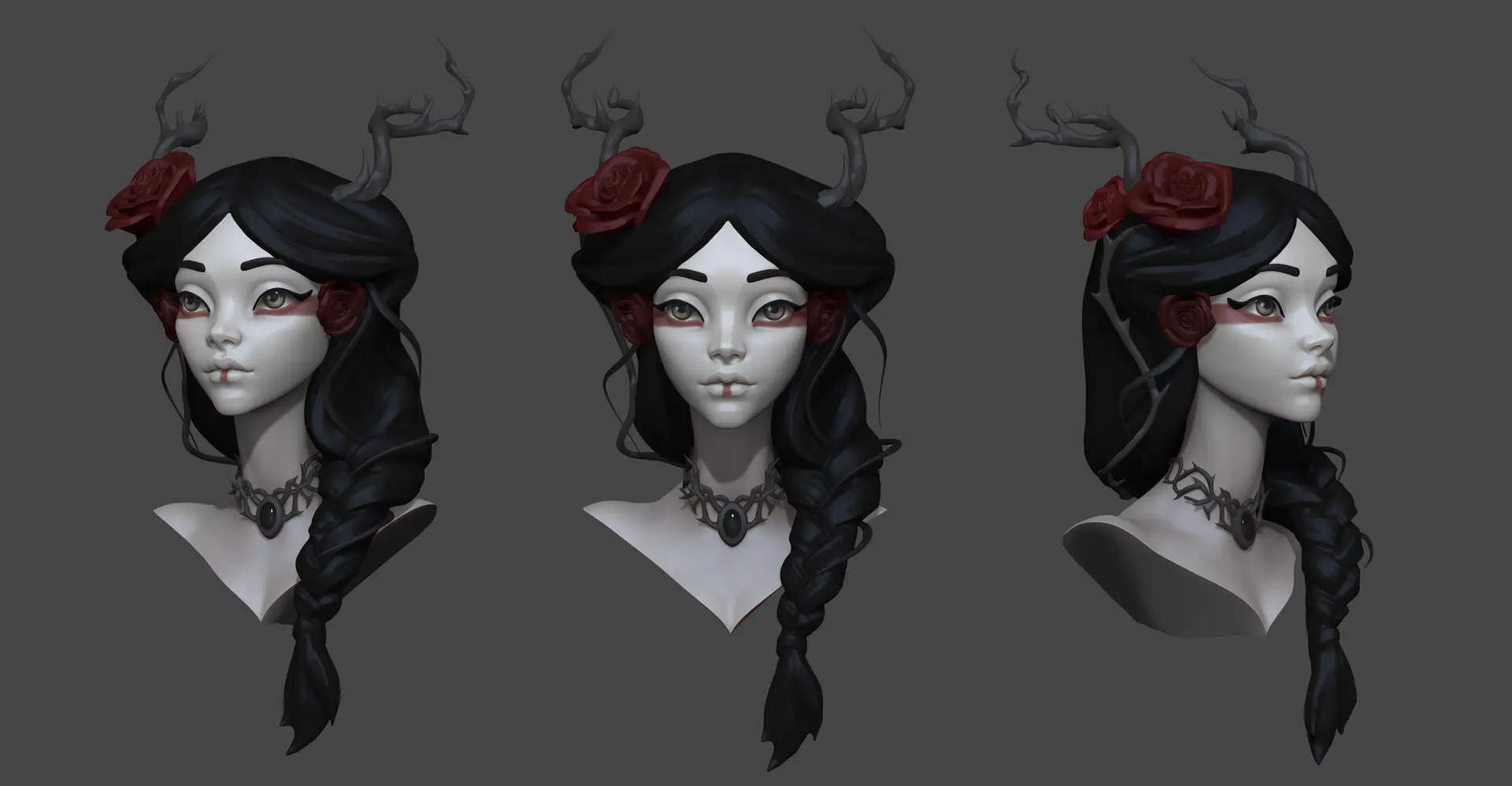
I also would advise to include more than just final renders in their portfolios. Screens of topology, UV maps, texture breakdowns, and screenshots from the engine demonstrate that you understand the production process, not just the final presentation.

Conclusion
Julia Pishtar’s experience makes one thing clear: a great character is not finished when the render looks impressive. It is finished when it feels natural in the game world and works smoothly for everyone who handles it next.
The textures need to feel believable, the topology should support rigging and animation, and the design must belong to the project rather than compete with it. Cinematic work may push detail further, but adding more detail is never the whole answer.
What really matters is knowing why each choice is made. That comes from experience, clear feedback, and understanding how character production works beyond your own part of the pipeline.
Explore more behind-the-scenes stories in our exclusive interview series. We have many more conversations with industry visionaries coming soon, so be sure to visit us again.
Get in touch
Got a project in mind? We usually reply within a day.