


Introduction
Estimating a Vertical Slice is one of the hardest parts of pre-production.
Most teams try to estimate every concept individually. The problem is that concepts constantly evolve. Characters gain new accessories, weapons become more detailed, environments grow in scope, and production estimates quickly become outdated.
Instead of estimating concepts, we recommend estimating production complexity.
Why Traditional Estimates Fail
A typical workflow looks like this:
- Create concepts.
- Estimate every asset.
- Revise the estimate after every design change.
This often leads to inaccurate budgets and repeated planning.
The earlier the project is, the larger this problem becomes.

Estimate Production, Not Concepts
Our approach starts from the production budget.
Instead of saying:
Design a boss.
we define:
Design a Tier 3 Boss.
Each tier has a predefined production budget.
For example:
- Tier 1 Character — 72 hours
- Tier 2 Character — 96 hours
- Tier 3 Character — 120 hours
Now the concept artist understands the production limits before drawing the character.
The same idea works for every discipline.
Characters
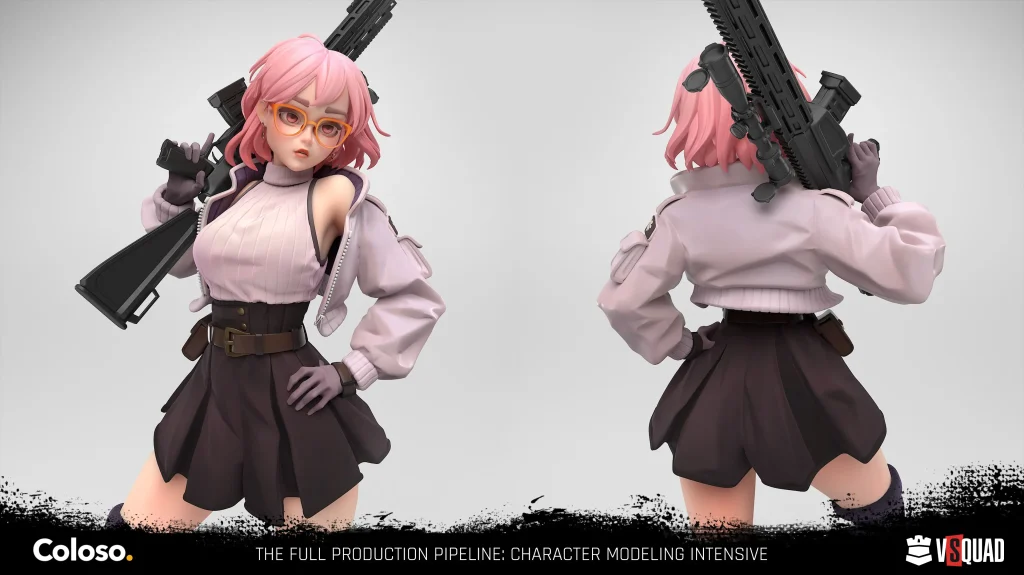
Characters can be divided into production tiers based on complexity.
Instead of estimating every individual concept, producers decide how many Tier 1, Tier 2, and Tier 3 characters the Vertical Slice requires.
If the project budget changes later, the team simply adjusts the tier distribution instead of rebuilding the entire estimate.
More about 3D character art services
More about 2D character art services
Weapons
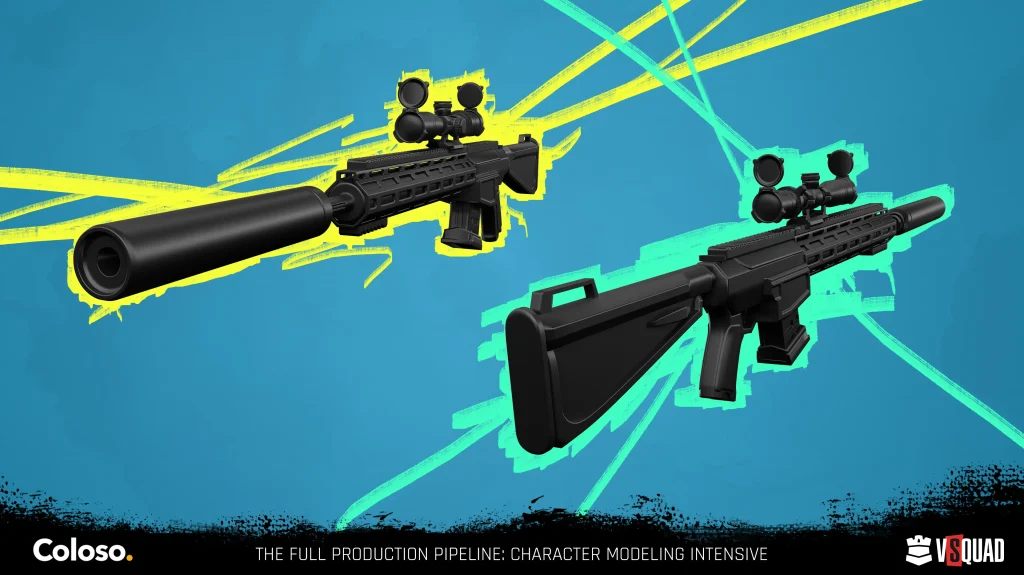
The same workflow applies to weapons.
Rather than estimating unfinished weapon concepts, define several complexity tiers and distribute weapons accordingly.
As concepts evolve, weapons can move between tiers without rebuilding the production plan.
More about weapon modeling services.
Rigging
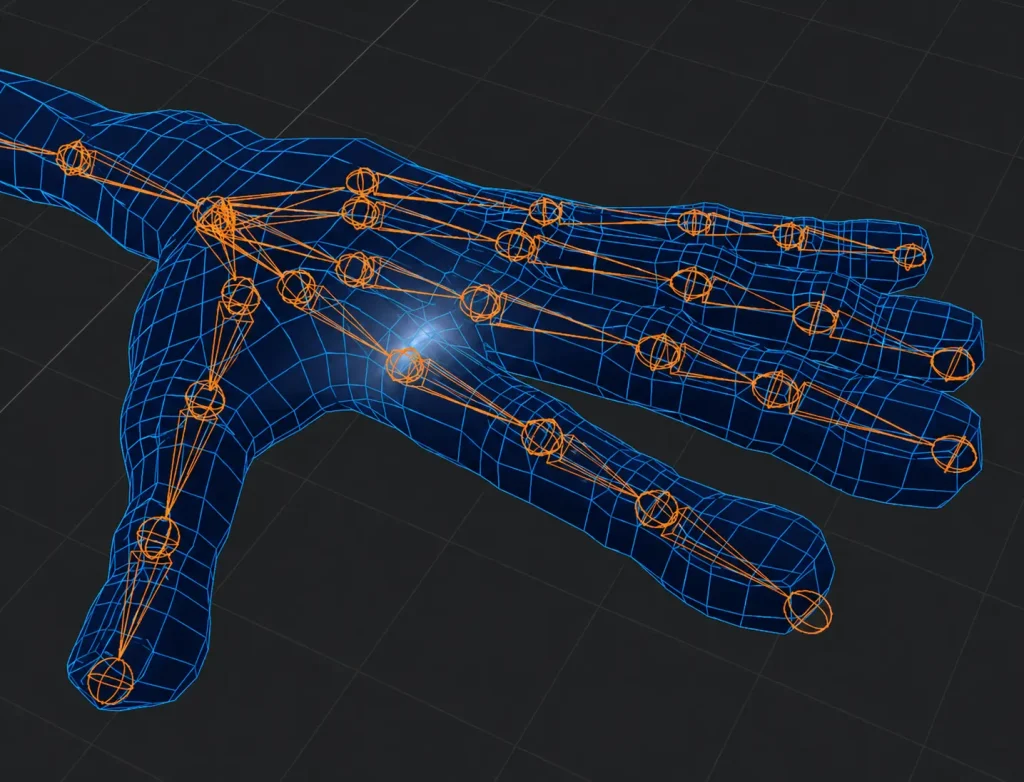
Rigging complexity depends more on production requirements than visual appearance.
Characters with standard humanoid proportions require significantly less work than heroes with cloth, hair, tails, wings, or secondary motion.
Using rigging tiers keeps the estimate predictable.
Animation
Animation can also be estimated by production scope.
Standard enemies usually require a compact gameplay animation set.
Hero and boss characters receive larger animation budgets because they need additional attacks, abilities, and gameplay-specific actions.
More about animation services.
VFX
VFX benefits from the same methodology.
Instead of estimating individual effects before gameplay is finalized, classify effects into production tiers based on complexity and gameplay importance.
This keeps the estimate flexible as abilities continue to evolve.
Environment
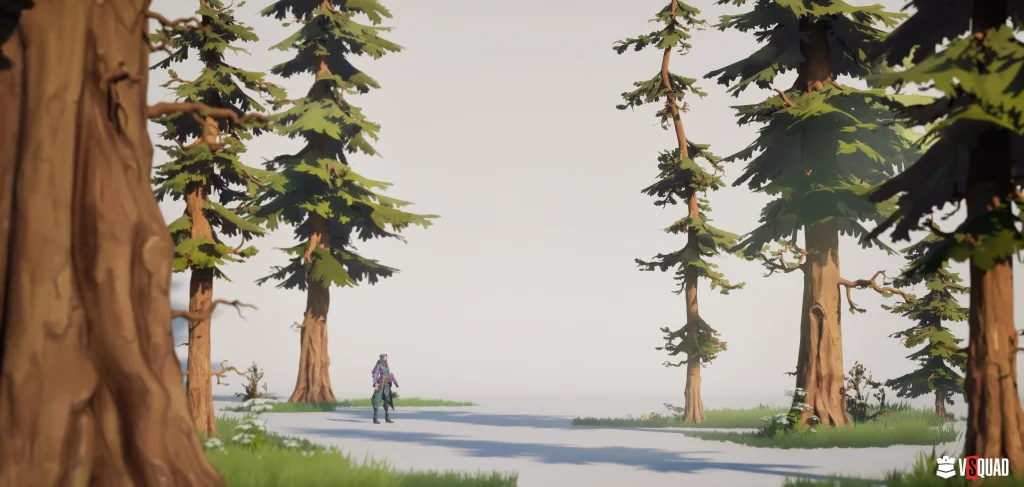
Environment production should also begin with production planning rather than individual assets.
The team first determines:
- modular asset libraries
- hero assets
- landmarks
- reusable props
- gameplay objects
Only after that does the detailed asset list emerge.
This approach usually produces a much more realistic estimate.
More about 3D environment art services
More about 3D environment art services
Why Production Tiers Work
Production tiers give every department the same language.
Instead of discussing abstract concepts, the team discusses production budgets.
That makes it much easier to:
- control scope
- forecast production time
- adjust budgets
- simplify concepts when needed
- prioritize important assets
- keep the Vertical Slice within budget
Conclusion
A Vertical Slice estimate should do more than predict the cost of existing concepts.
It should become a production framework that helps designers, artists, and producers build the game around a realistic budget from the very beginning.
Get in touch
Got a project in mind? We usually reply within a day.