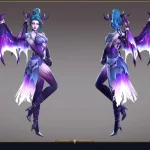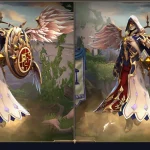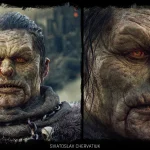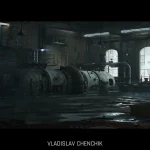



In one indie project we worked on, the art budget needed to be reduced without lowering visual quality.
The biggest savings did not come from cheaper artists. They came from better production planning.
By prioritizing gameplay, organizing assets into complexity tiers, maximizing reuse, and defining production goals early, the project could reduce unnecessary costs while maintaining the required quality.
Where the Game Art Budget Problems Started
The game art budget was not under pressure because of one expensive asset. The real problem had started earlier, when production began without clear priorities.
Every character, prop, weapon, and location was receiving a similar level of attention. As a result, too much time was being spent on assets players might barely notice.
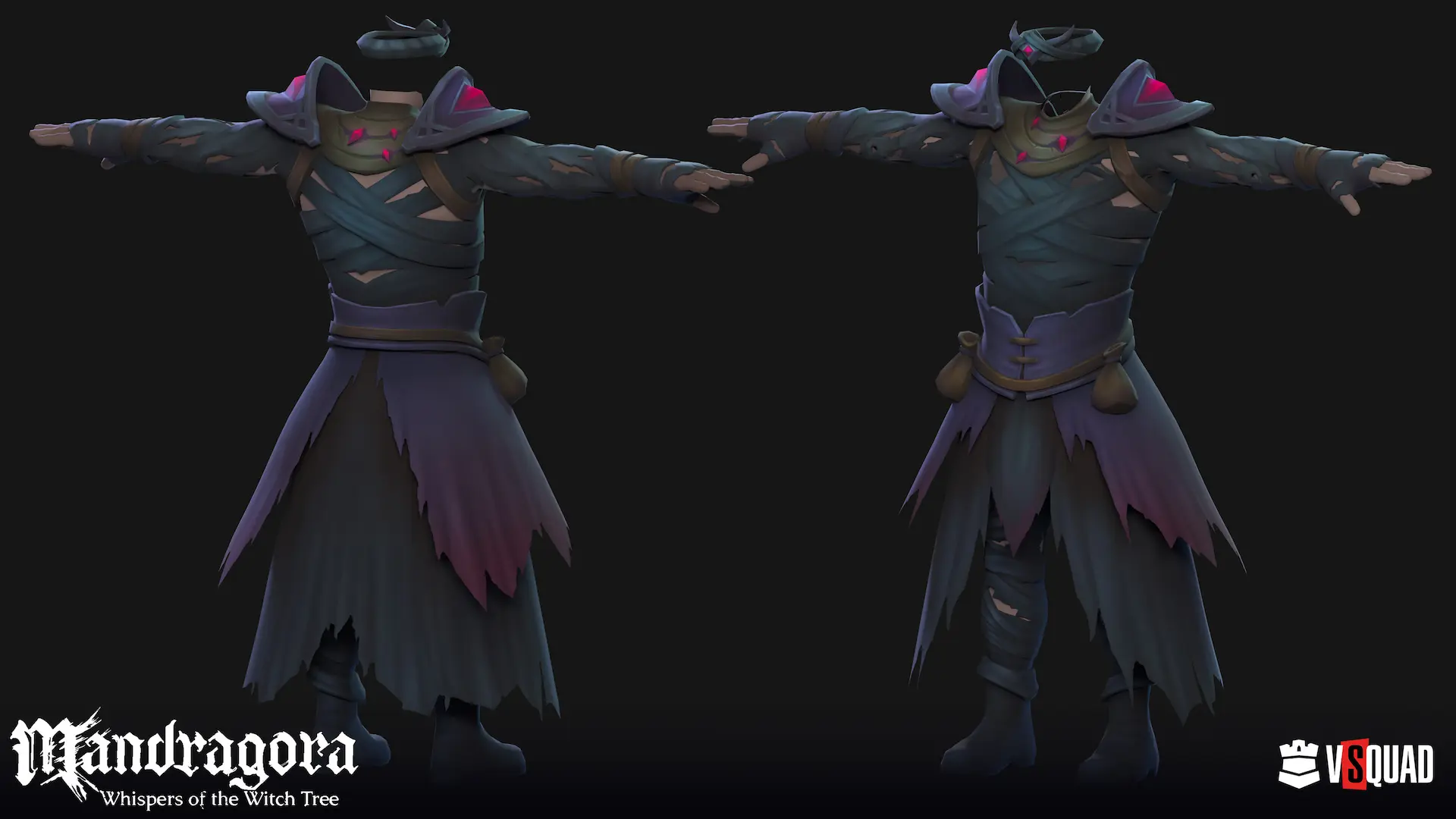
The main problems were:
- Every asset was treated as equally important.
- Hero content and background assets had no separate priorities.
- Concepts continued to change after production began.
- Similar props and materials were created from scratch instead of reused.
- New content was added without updating the original scope.
These decisions created extra work across concept art, modeling, texturing, animation, and integration. Even a small change could quickly become expensive once it affected several production stages.
The first step was to identify what mattered most to gameplay, where quality would have the greatest impact, and which assets could be simplified or reused.

How We Prioritized Gameplay Over Asset Count
Players rarely remember every prop, weapon, or background object. They remember the character they controlled, the boss they fought, and the locations where important moments happened.
For this project, the game art budget was prioritized around:
Hero characters
Bosses and major enemies
Core abilities and effects
Key gameplay locations
Important landmarks
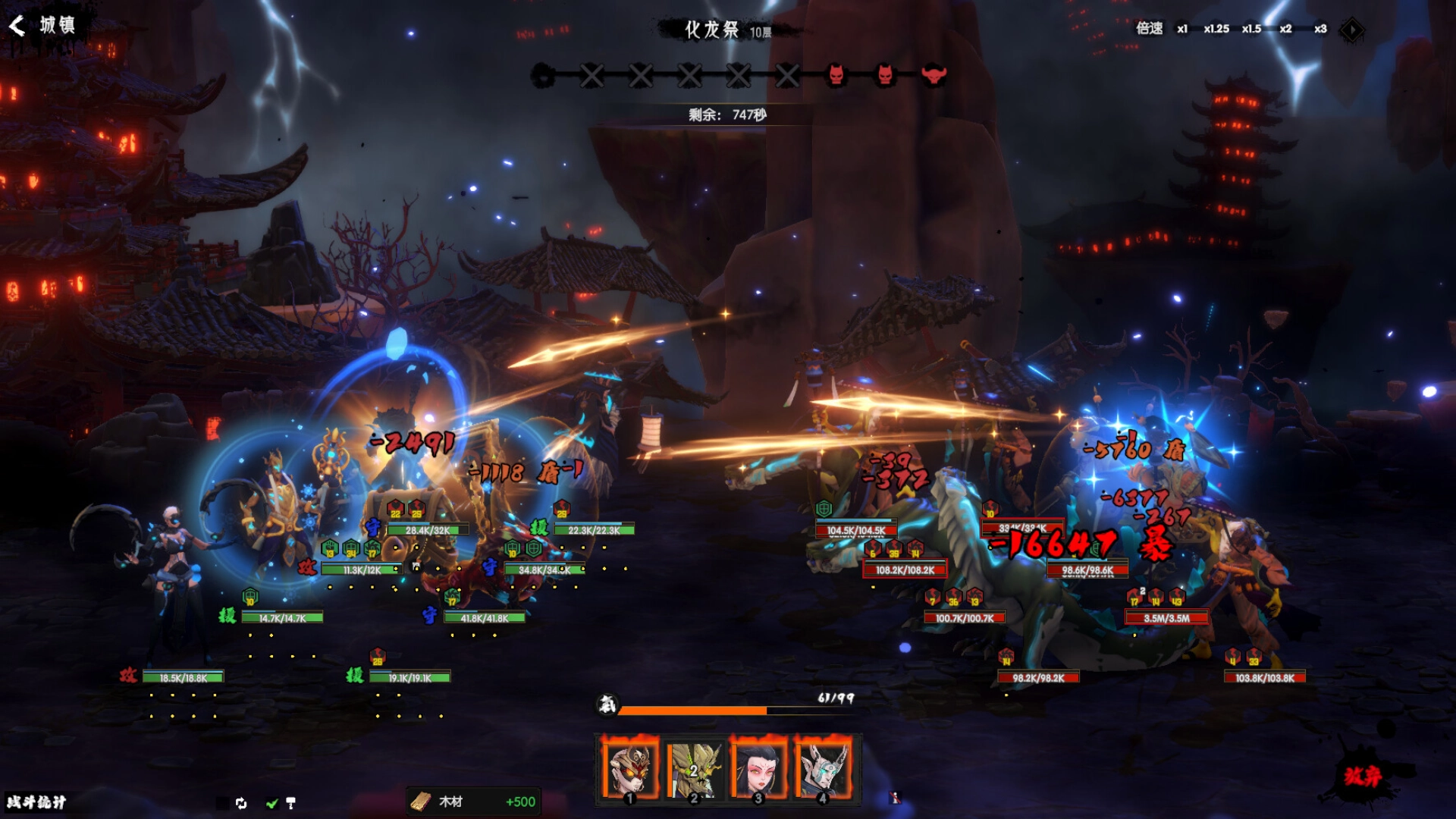
Everything else did not need the same level of detail. Secondary props, background assets, and less important locations could be simplified, reused, or built from modular elements.
This asset prioritization was not about making the game look cheaper. It was about placing the highest quality where players would actually notice it.
How We Organized Assets into Complexity Tiers
Estimating every asset separately made the budget difficult to control. A simpler approach was to group assets into clear complexity tiers:
- Simple — background props, minor objects, and reusable elements.
- Medium — noticeable assets that needed more detail but were not central to gameplay.
- Hero — main characters, bosses, landmarks, and other high-priority assets.
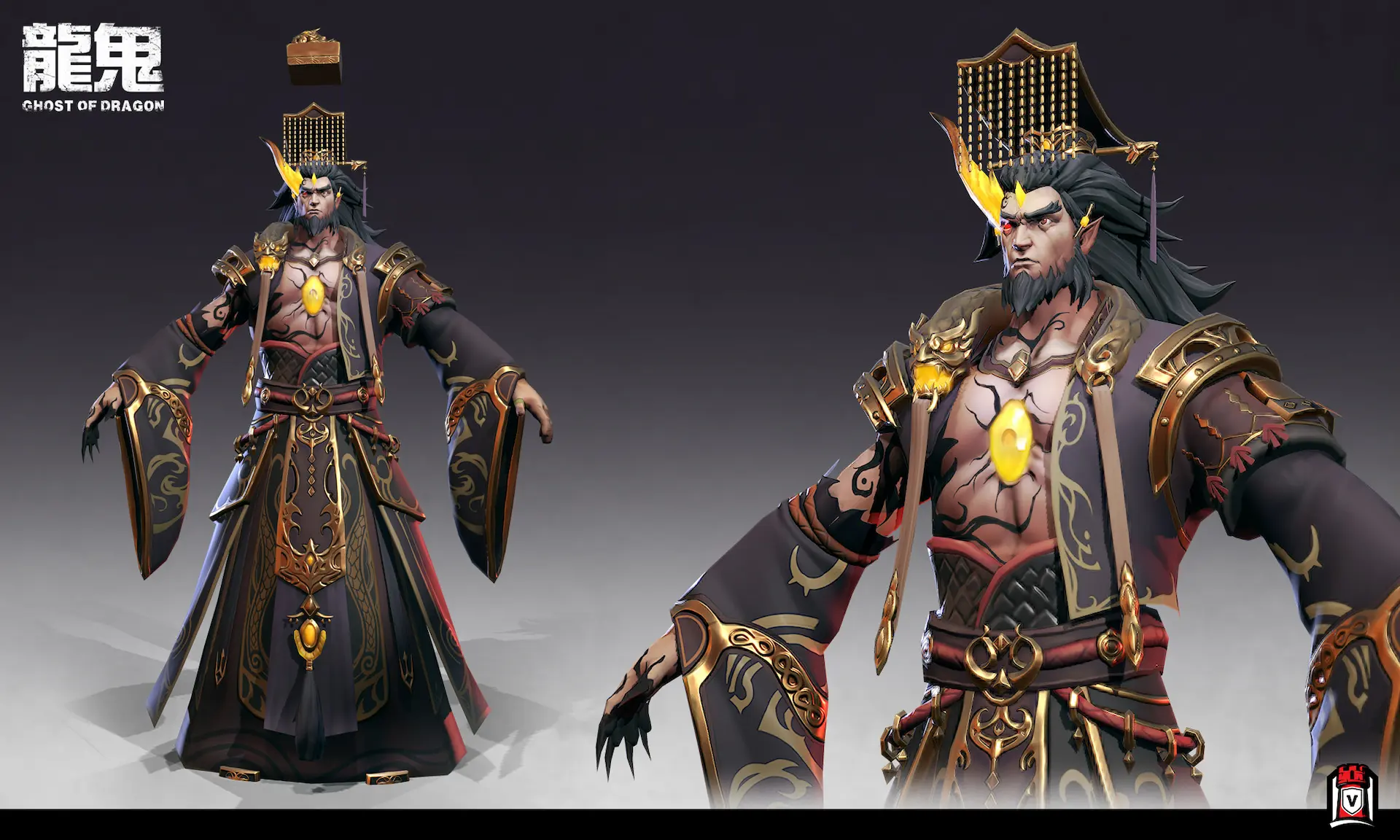
Each tier received its own expected production time, quality level, and budget range.
This gave the artists clear boundaries and made estimates easier to update. Concepts could still evolve, but the overall game art budget remained predictable as long as assets stayed within their assigned tiers.
How We Built a Modular Asset Library
Not every location needed to be created from scratch. A modular asset library made it possible to reuse buildings, props, vegetation, materials, and architectural pieces across multiple environments.
A single wall, doorway, roof, or material set could support several locations with small variations. The same applied to rocks, trees, furniture, and background objects.
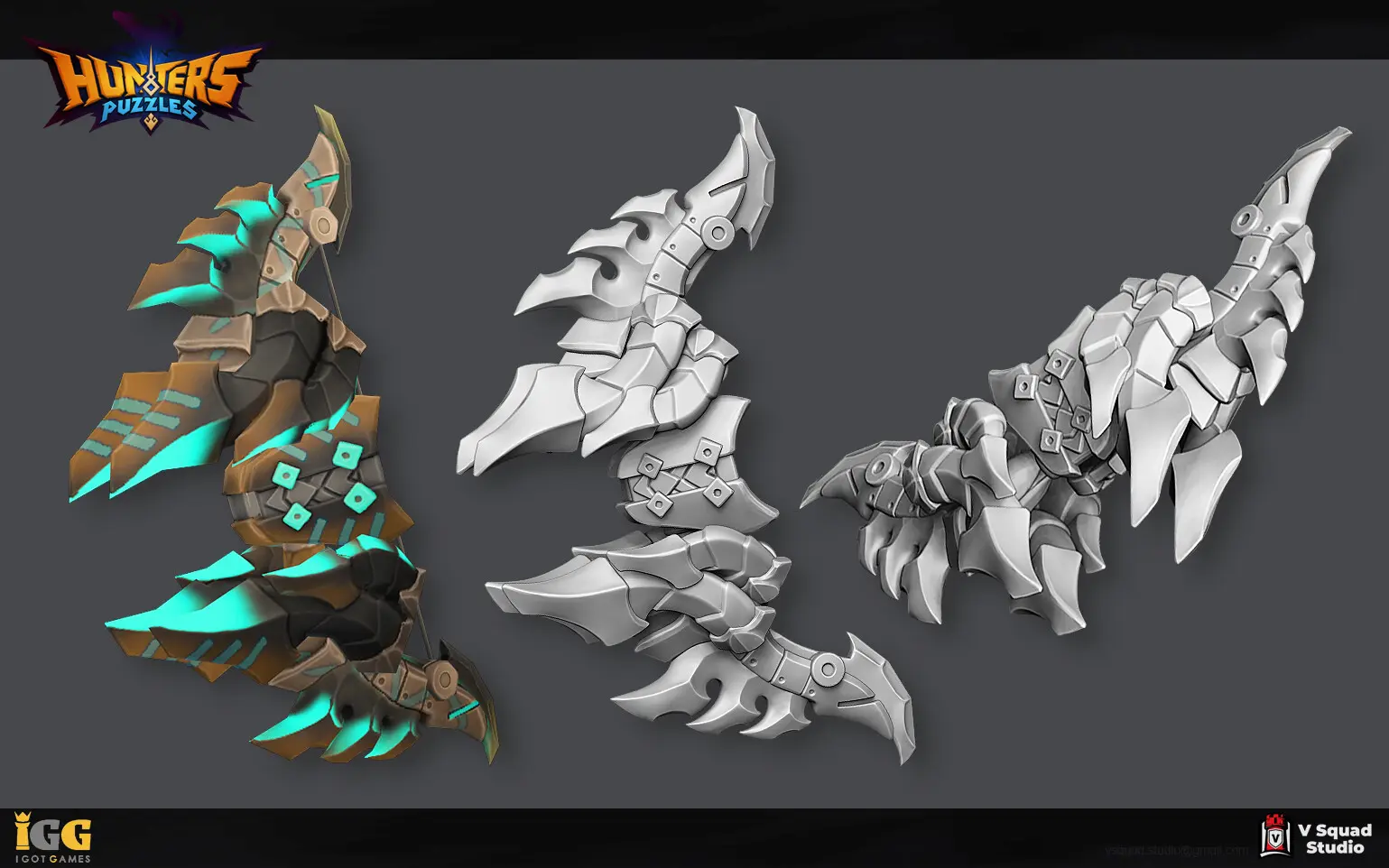
For the project, this meant reducing production time without making every area look identical. Reusable assets made it possible to produce more content within the same game art budget.
Why We Reduced Scope Instead of Quality
When the budget became tight, lowering the quality of every asset was not the best solution. It could make the entire game feel inconsistent or unfinished.
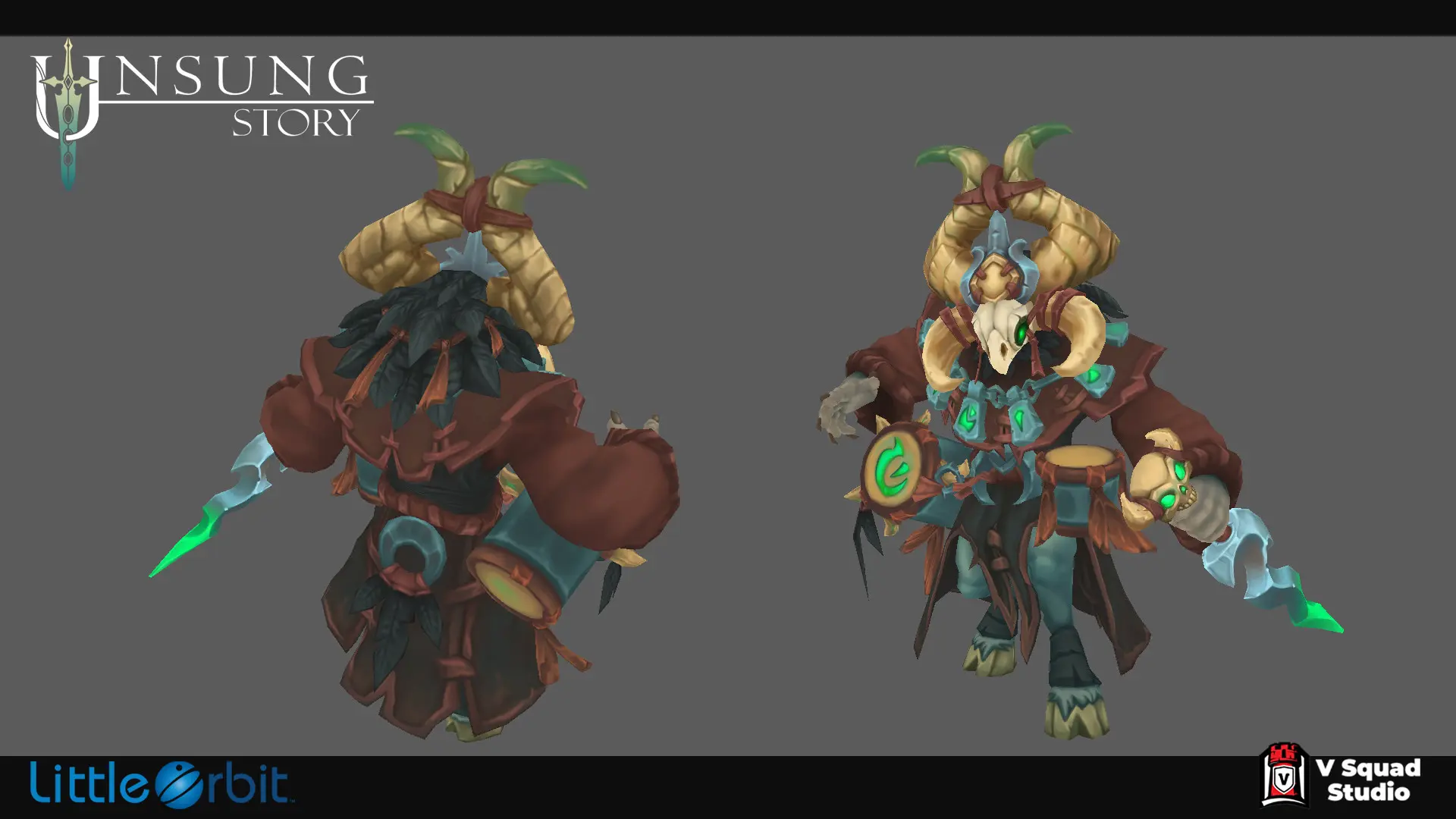
A better option was to reduce the number of unique weapons and hero assets, make some environments smaller, and rely more on modular content and asset reuse.
Players were less likely to notice a smaller asset count than lower visual quality across the entire game. A focused, polished scope offered a stronger result than a larger project where every element felt underdeveloped.
What We Clarified Before Production
Accurate estimates depend on clear information. Before production continued, the priorities, target budget, expected scope, technical requirements, and asset reuse opportunities had to be clarified.
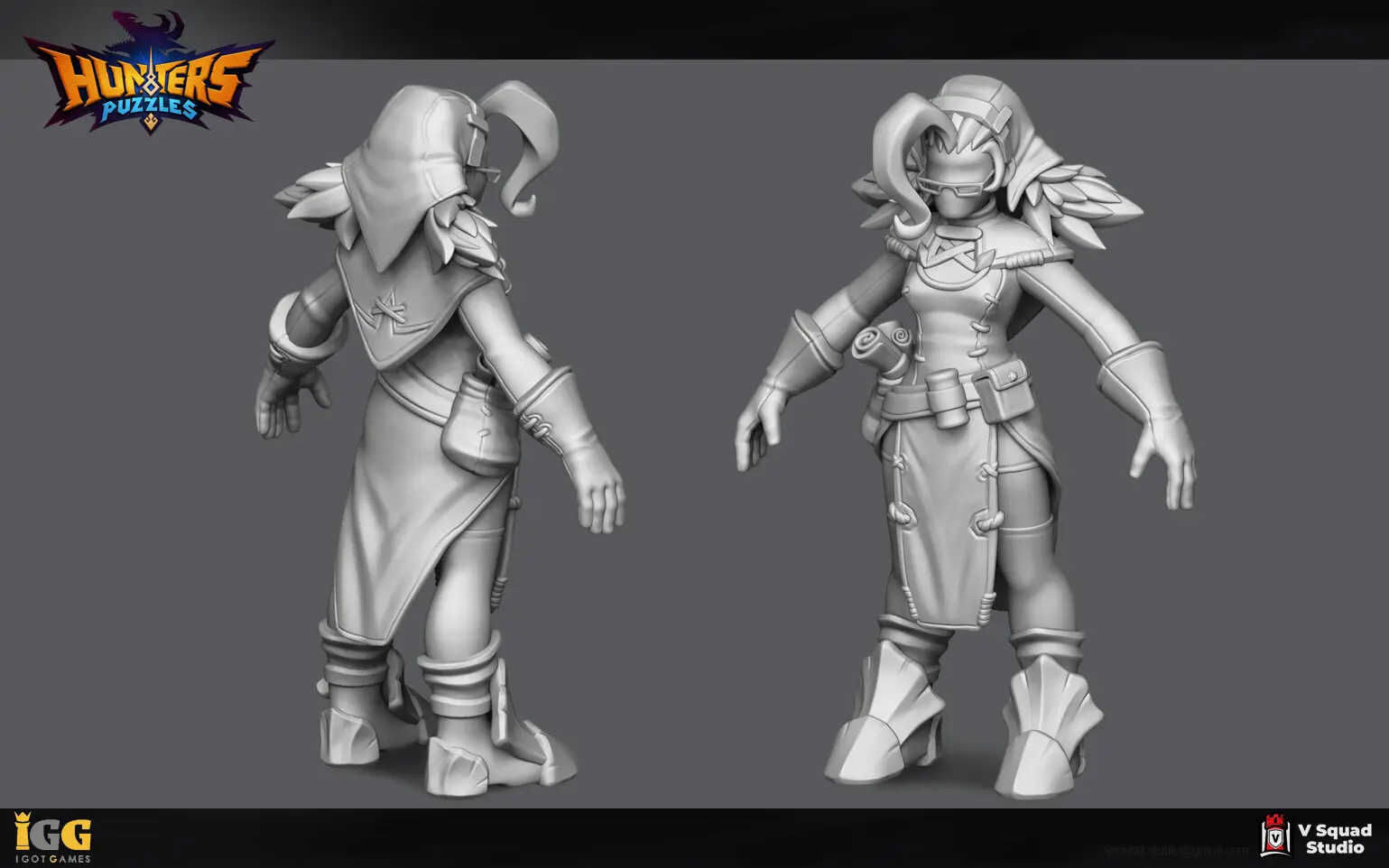
The purpose of the vertical slice also needed a clear definition. Was it intended to test gameplay, attract a publisher, or demonstrate the final visual quality? Each goal required a different level of polish and directly affected the vertical slice budget.
Answering these questions early made the workload easier to estimate and reduced the risk of unexpected costs later.

Conclusion
This case showed that reducing a game art budget does not require making every asset cheaper. Better production decisions can create much greater savings.
Clear priorities, complexity tiers, modular libraries, and controlled scope helped direct the available budget toward the content with the greatest impact.
A focused, well-planned project will almost always cost less—and look stronger—than one that constantly changes direction during production.
Get in touch
Got a project in mind? We usually reply within a day.