



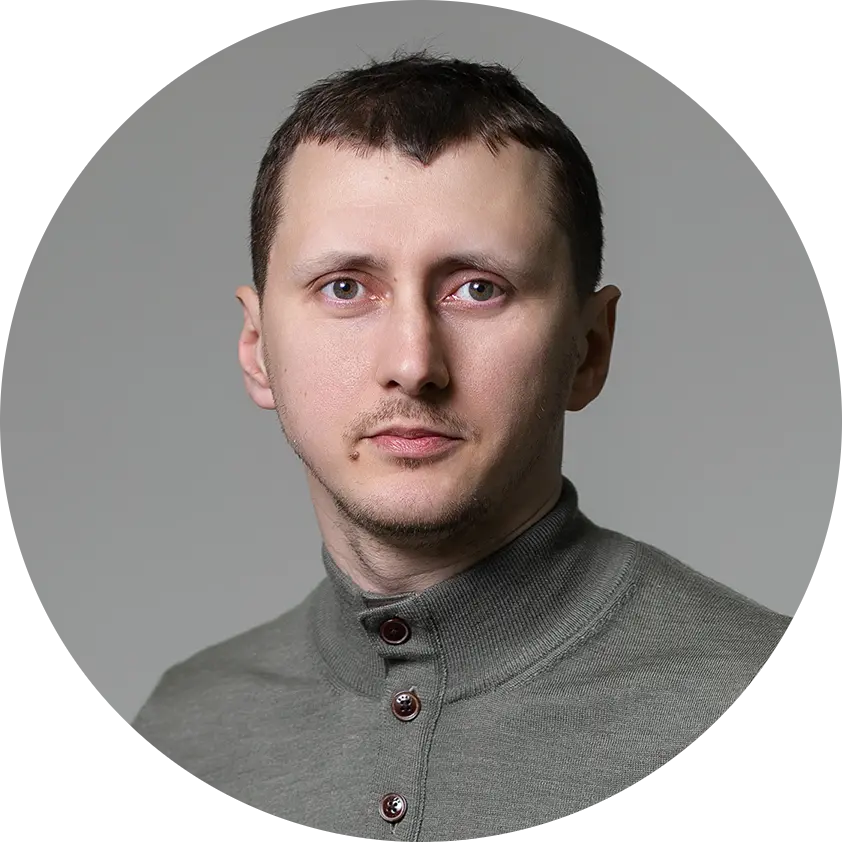
Ryan Rosanky is a VFX Artist with experience across Gravity Well, Riot Games, Airship Syndicate, Phoenix Labs, BioWare, Vigil Games, TimeGate Studios, and other teams.
His background covers senior and lead VFX roles, 2D FX animation, stylized effects, gameplay VFX, and production work across different studio sizes and game styles.
What makes this interview interesting is Ryan’s long experience with effects as both visual craft and production system. High-quality video game VFX are not only about making something look impressive. They help players understand impact, danger, timing, abilities, feedback, status, direction, and emotional energy.
This interview focuses on the real production side of VFX: how effects support gameplay, how teams keep them readable, how VFX work changes across studios, and what smaller teams often miss when planning effects.

Q: You’ve worked in VFX for many years across different studios and project types. How has your view of game VFX changed over time?
Hmm, My first experience in games was a solid year of crunch followed by a layoff without any warning…so! You gotta love what you do and don’t take it for granted. Don’t be sad if it ends abruptly, just keep going! I think if you really get carried away with your work people will love it and you will enjoy making it. I think in the beginning I was really looking at how I could make fx look the most realistic I could in a game engine, Now I see how much I can strip out of an effect to see if I can make it beautiful with way less information. I think my appreciation for Sylization and shape design and behavior has drastically increased. I have made all sorts of things from holograms, alien tech weapon fx, to ancient Japanese cloud style fx.. Each one of these tasks are big challenges that are hidden at first. As you work through it you learn and grow and polish the idea until it’s brought into reality. I feel like as a vfx artist you almost feel like you are conjuring magic in a way. Sometimes you are trying things that are impossible to explain what you are doing. It’s all just an abstract exploration of new and exciting magical shapes and behaviors until you go, That’s it!!!.
Q: What separates a VFX that looks cool from a VFX that actually works inside gameplay?
So many factors.. Lets start with Camera. So how close is your camera to the fx and can it pass through it? If it’s close like a player fx that the camera pans in on, that means don’t do something costly (lots of transparency layers) or loud/bright. Performance and game VFX optimization should always be considered when designing an effect. Lots of cool tech out there simulating realtime in game.. But does your entire team know you’re gonna steal half the perf? If so then fine, if your levels are built for it, and by that I mean streamlined with the acceptance that these types of simulations are super important to the game. The best way to know this is if your engineers aren’t planning the game around these sims then I wouldn’t go that route yet. Now making art look good in gameplay. Try not to overlay loads of particles to make something look good. Build the effect with randomization but think about controlling it to only appear the way you want it. Also params that are left for design to run wild with … well you’re just letting the wolves take your baby into the forest. A lot of the time you have to make sure your effect is implemented in the way it looks best. Working with everyone involved to make sure they understand we are doing it this way because we want it to look its best.
Q: What do developers or small teams usually underestimate about VFX production?
A lot of people think because there are so many effects in games that they are fast and easy to make.. And they can be fast to make but good and fast usually don’t go hand in hand. Spending time up front developing a strong palette of elements is worth it when people start asking for things fast later on in the dev cycle.
Q: How early should VFX be involved in a game feature?
Preproduction/ Early as possible! You will have more time in the beginning of a project to explore and make things pretty not later like everyone thinks. This time should be used to come up with interesting looking pallets that can be drawn from later. Most likely you’re going to have shockwaves, charge ups, looping energy sources, stat effects, overloaded items/weapons with all these elements. I like to start developing these independently even without full design of abilities. Of course working with writing to understand the story and lore of the game and what elements we are going to be encountering in this game. Getting a head start on this stuff helps with believability and combat clarity.
Q: You’ve worked in both senior and lead VFX roles. What changes when you move from making effects yourself to helping guide VFX production?
I’ve tried to stay in the work as much as possible as a lead, making the effects and using the systems is key to working with engineering to know exactly what you need for the type of game you’re making. When you understand all aspects of your game like level lighting for example and how it’s effecting your effects then you can understand other vfx artists choices or help correct problems that are coming up for everyone. Also spreading out as effects artists is important too. The FX team covers so many aspects of the game from UI, Enemy, Player, cinematic,mini games, weapons and more depending on how deep of a game it is. So sometimes I rely on other senior fx artists to own certain areas of the game while we both work on engineering tasks.
For overall art direction, having reviews every so often and communicating with your other teammates and encouraging them by lifting them up when they make something awesome! And by that I mean actually looking and caring about the fx they are making. We all want to make awesome fx. Noticing the success of others and encouraging them. Trusting that they are trying their best. And understanding them when they are frustrated. It’s a lot. Understanding that sometimes there’s just nothing coming together and that’s ok. Sometimes you have to fail at 3 or 4 different attempts to make that last great one. But remind the team, we make amazing awesome stuff and we are lucky, lets make this blow peoples minds!
Q: How do you keep effects readable when a game has many abilities, enemies, particles, impacts, and screen noise happening at the same time?
This is like I was saying before. I think if you spend time early on or throughout the project really making an element unique and beautiful then the clarity comes with it. When you see 10 different abilities all onscreen at the same time and they all have their own characters then it’s easier to read. If everything is a fast blob of color then it’s just a mess later when everything comes together. Working on good assets like a good versatile wind gust palette or something like this makes all the effects have a familiar cohesiveness.
Setting up rules as you go that make things clearer like we only show melee buffs on the hands or something. Also just making choices on how much noise an effect has based on the idea of seeing it along with other fx and not looking at it in isolation. Having a bunch of effects looping in a test level is great for balance.
Q: How does VFX production change between different studio environments?
Oh man every studio has good and bad. Everyone’s studio is unique in its own way so I won’t pretend to give advice for all situations. All I can say is this seems to hold true no matter where I’ve worked. Do what you do! Be confident in your ability and that’s to make awesome fx!.. Try to make that as fluid as possible and try to dissolve all the roadblocks in between. Just start making stuff!! Like it’s never going to hurt if you make something while you wait on someone to decide on something else.. It may be thrown away but chances are if you’re making it awesome and pouring your heart into it then someone else will see it and be like ohh that’s beautiful! I think we could use that for this thing.. Fx are very good that way they are abstract but they should be something that lures you into the world you are creating. Of course work on stuff as it comes in to hit milestones and they are always a priority. Just invest in the game you are making and try to come up with ways to elevate it. Don’t just wait or complain about bad leadership. Good fx are good fx and they take time- they also outshine all the politics and if they don’t do well then at least you loved working on them and the work should speak for itself. That’s what it should be about.
Q: What role does 2D FX animation still play in modern game VFX?
Well I love this question because the journey I’ve been on over the last 10 years or so focusing on 2d coming from another 10 before that doing realistic stuff I can confidently say. 2d has a HUGE impact in 3d because they are one in the same.. In the end fx are all about interesting magical things happening invisible forces pushing dust or magic particles, whatever around! If you draw 2d frame by frame you really start to love the movement of these hidden forces that are pushing things around. The more you play with that invisible force of negative space/shape design, the more character your fx starts to have. So even if you are simulating smoke for a War Game you can interject the souls of all the fallen soldiers in the negative space of the dust and how it’s dissipating.. Someone out there is going to love it!! It’s an amazing journey to understand 2D fx animation and it really is worth the time spent drawing frame by frame. I personally love that process.
Q: Where do modern tools help VFX artists the most, and where do fundamentals still matter more than tools?
Houdini, Blender, Niagara, etc. all these are amazing tools and I guess they allow you to do whatever you want really if you are creative enough in the way you use them. In some ways you can hurt yourself by making very complex systems that others can’t understand so you have to be careful. I love working with Houdini because it’s so open ended and allows your creativity to just keep going. I think having the end fundamental goal of creating something streamlined with character and simplicity with all these crazy tools is exciting and only just beginning to be explored in some cases. I try not to let the tool drive what I want to make but try to stay true to what I want to make and just polish it using all these fancy tools! 🙂
Q: For small teams with limited budget, what VFX should they prioritize first to make the game feel better?
Getting base combat feeling good early on is important. Hit impacts spawning where they should, not out on some collision capsule way away from the characters mesh. Celebratory fx like level ups and loot should be fun but not a generic afterthought. Character identifying abilities that make the characters power a believable amazing thing. It depends on the game but whatever the main thing is that the game is all about should be done in a unique way not just to look like it does in real life it should be exaggerated a bit, or a lot! It also shouldn’t have annoying bugs like if it’s a gunplay game and your tracers are annoying then it makes people not able to feel the game during playtests.
Q: What advice would you give to artists who want to grow into strong game VFX artists?
I’ve always believed that if you work hard at something you love, it will love you back. Believe in yourself and just really fall in love with special effects. Absorb them from anime, nature, draw them, simulate them. Geek out with Houdini, Blender, or software of your choice and really have fun making wild stuff. You will start to understand it and then it’s just a snowball of one amazing challenge/idea after another. Just stay at it and also be kind and open to feedback. Don’t get frustrated, there will always be a new day. Take your time and enjoy your work fully.
More Insights from Industry Experts
Explore more behind-the-scenes stories in our exclusive interview series. We have many more conversations with industry visionaries coming soon, so be sure to visit us again.
Get in touch
Got a project in mind? We usually reply within a day.