


Art revisions are a normal part of game production. A good asset rarely becomes final after the first pass—it usually needs feedback, adjustments, polish, and several rounds of refinement. Even late feedback can be valid if the project requires it.
The key is to understand what type of feedback is being given. Some comments improve the approved direction, while others change that direction or introduce new requirements. All of these requests can be handled, but they affect production differently.
In Game Art Outsourcing, clear feedback helps both sides distinguish normal polish from changes that may affect scope, timing, or budget.
The common production mistake
A common mistake is treating every change as the same type of feedback.
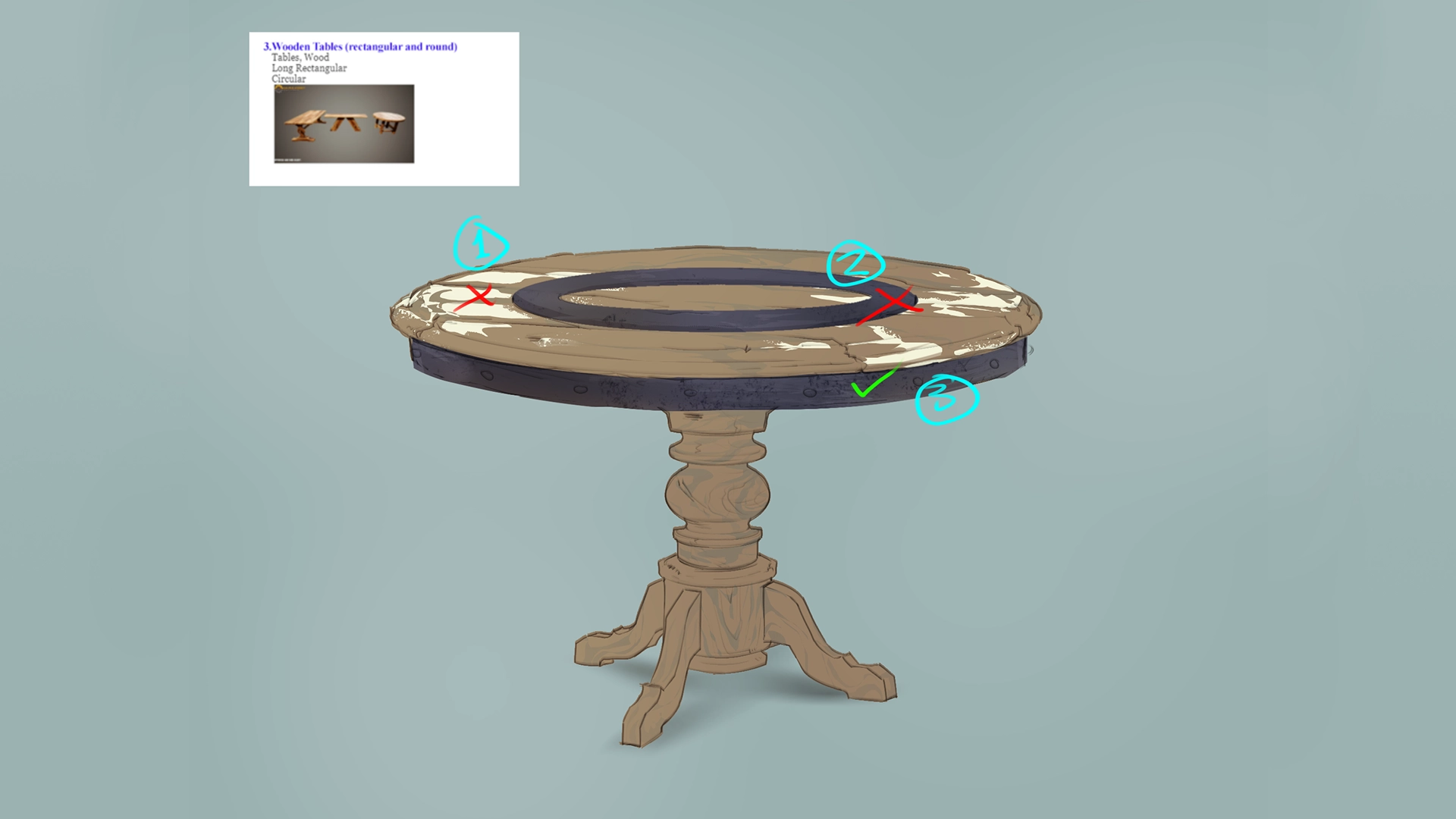
Some revisions are part of normal production.
For example:
- adjusting shapes
- improving proportions
- fixing small details
- polishing materials
- correcting technical issues
- matching the approved direction more closely
- improving readability
- cleaning up execution mistakes
These are expected. They help the asset move toward the approved goal.
But other changes are different.
For example:
- changing the style after approval
- replacing the main design idea
- adding new features
- returning to an old rejected direction
- changing the character’s role or mood
- asking for a new version after the final direction was approved
- changing the target reference after production has started
These requests are not “bad feedback.” They may be the right decision for the game. But they are not the same as normal polish. They can affect time, budget, previous work, and the production plan.
That is why they should be treated clearly, not hidden inside a normal revision round.

Why this matters for production
When normal revisions and direction changes are mixed together, both sides lose clarity. The game team may believe the asset is still moving toward the approved result, while the production team may not know whether it is polishing the existing direction or starting a new one.
This is how projects fall into correction loops: not because the feedback is wrong, but because its type is unclear. A good feedback process keeps the asset moving forward while still allowing the team to change direction when needed.
What should be clear before production starts
Before production starts, the team should understand how feedback will be handled.
The important questions are:
Who gives final feedback?
Who approves the direction?
What is the main goal of the asset?
What style or reference should be followed?
How many review stages are expected?
What counts as normal polish?
What counts as a direction change?
When does a new request become a new task?
Which feedback should be grouped before the next production pass?
What happens if the approved direction changes later?
This does not need to be complicated. But it has to be clear enough to protect the project.
Normal revisions vs direction changes
↓Game art production by VSQUAD
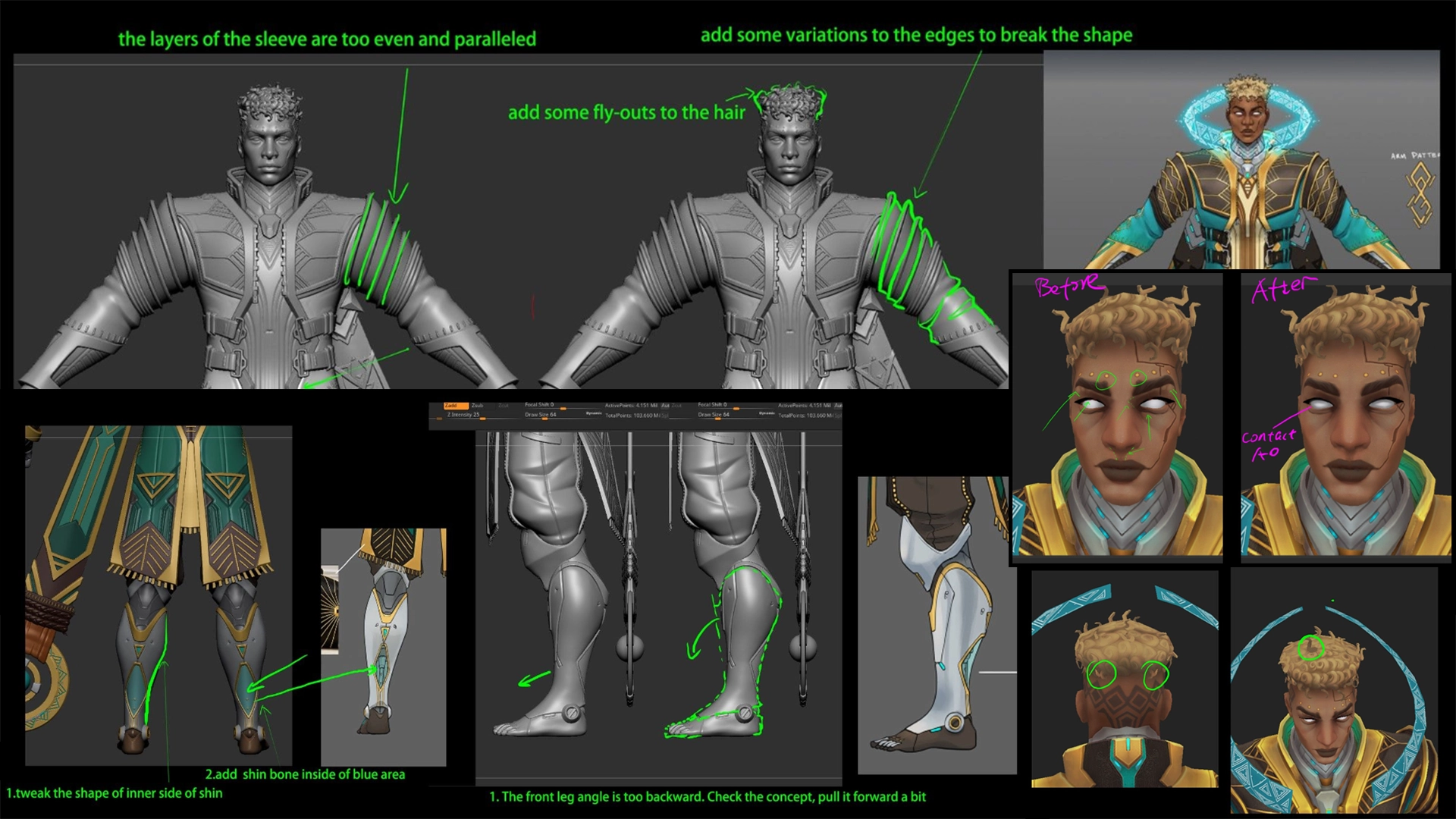
A normal revision improves an asset within the approved direction, while a direction change alters the target itself. For example, refining the silhouette, proportions, materials, or armor readability of a stylized fantasy warrior is normal revision work. Turning that character into a sci-fi soldier or changing the costume, art style, or mood is a new direction.
The request may still be valid, but its impact on completed work, timing, and budget should be discussed and planned clearly.
What VSQUAD does
VSQUAD does not treat feedback as a problem.
Revisions are part of the work.
Late feedback can also be valid if the project needs it.
The goal is to help the asset reach the right result, not to block changes.
At the same time, we help separate normal production feedback from changes that affect scope, time, or budget.
↓Game art production by VSQUAD
This can include:
- clarifying feedback before making changes
- checking if the request matches the approved direction
- grouping feedback into clear review rounds
- flagging direction changes early
- explaining when a change may add time or budget
- keeping the team focused on the agreed goal
- documenting repeated feedback patterns
- using references or visual examples when words are not enough
This keeps the process more honest for both sides.
The game team keeps creative control.
The production team gets clearer direction.
The asset can keep moving forward, even when the direction changes.
Why clear feedback protects creative control
Outsourcing game art does not mean losing creative control. Clear feedback helps the internal team manage the visual goal while the outsourcing team creates, adjusts, and polishes assets against it.
When feedback comes from multiple people, arrives in fragments, or mixes polish with direction changes, production becomes harder to manage. If the visual goal changes, its impact should be discussed openly—especially for characters, environments, UI, animation, VFX, and other areas where style consistency matters.
Why this protects the budget
Feedback affects the budget in different ways. Normal polish is expected, but a new direction, feature, or late requirement may add work across:
concept art;
modeling and sculpting;
textures and materials;
rigging and animation;
engine integration;
approvals.
↓Game art production by VSQUAD
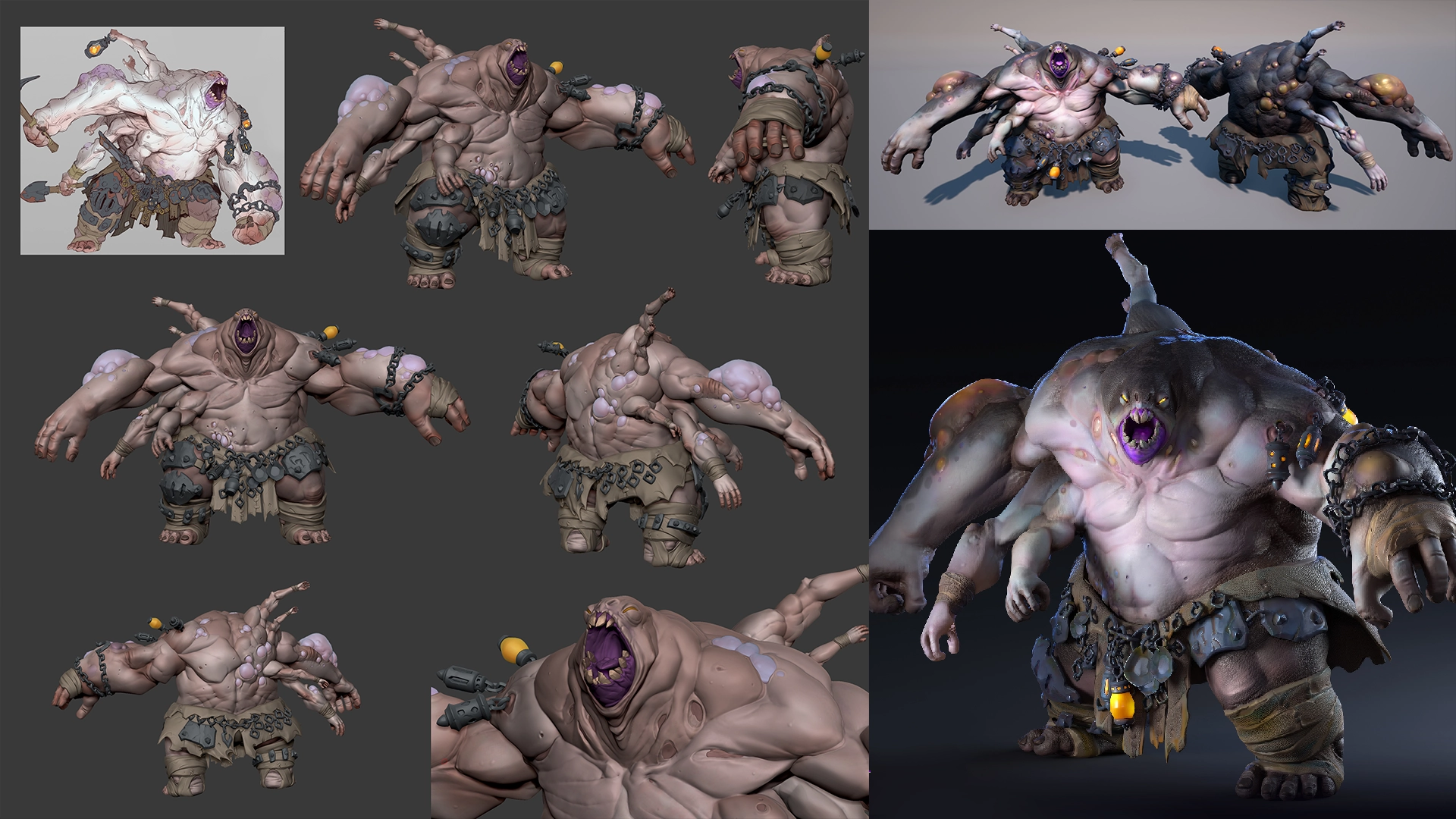
The later a change arrives, the more production stages it may affect. Clear feedback does not prevent the team from making the right decision—it simply makes the impact on scope, time, and budget visible.
This is especially important for indie teams with limited resources and larger teams managing multiple assets, artists, and review stages.

The result
The game team gets a polished result, while the production team retains room for normal revisions and necessary late feedback. The key is to treat major changes transparently, making feedback easier to apply and review rounds more productive.
The goal is simple: keep feedback clear, useful, and aligned with the project’s current needs.
Get in touch
Got a project in mind? We usually reply within a day.