

3D Character Animation Services
Outsource game-ready 3D character animation for playable heroes, NPCs, creatures, and bosses, built for your rig, engine, style, and production pipeline.
3D Character Animation Services for Games
From gameplay cycles and combat moves to mocap cleanup and cutscenes, we deliver engine-ready animation for real-time game production.

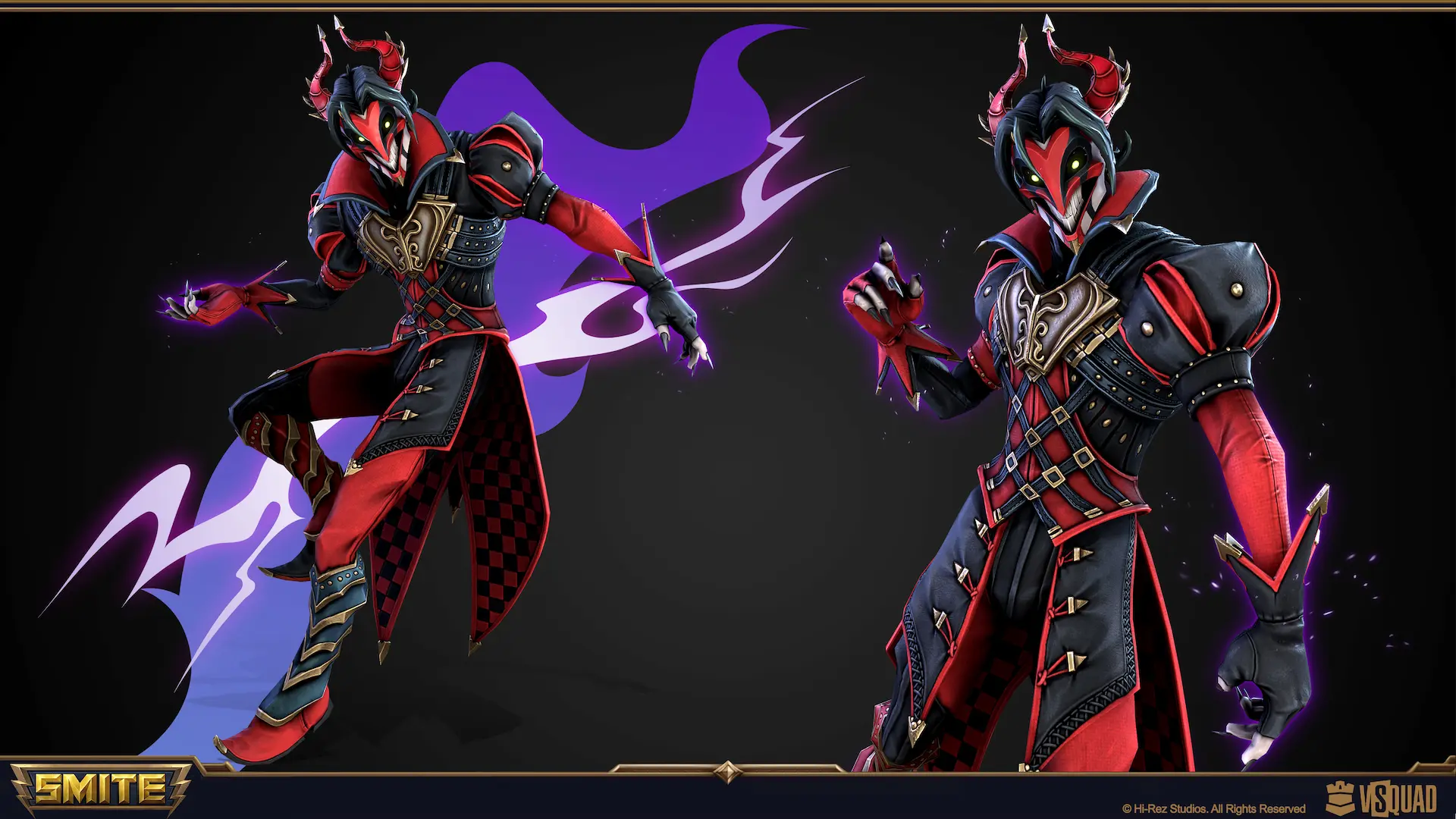
Gameplay Character Animation

Combat & Attack Animation
Locomotion & Movement Cycles
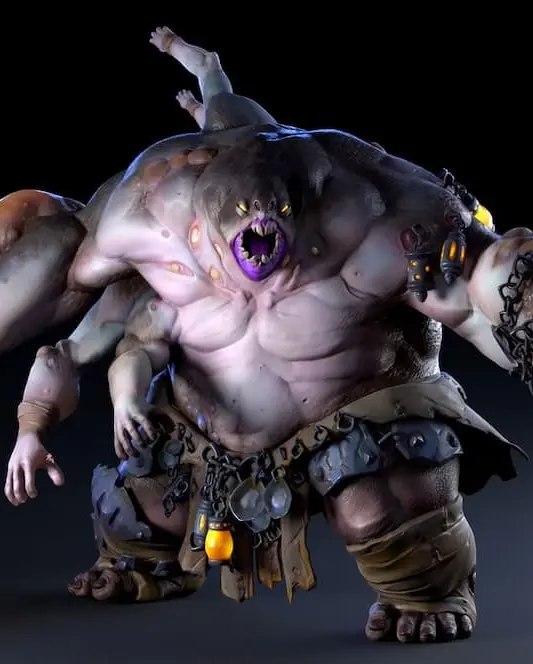
Creature & Enemy Animation
Cinematic & Facial Animation
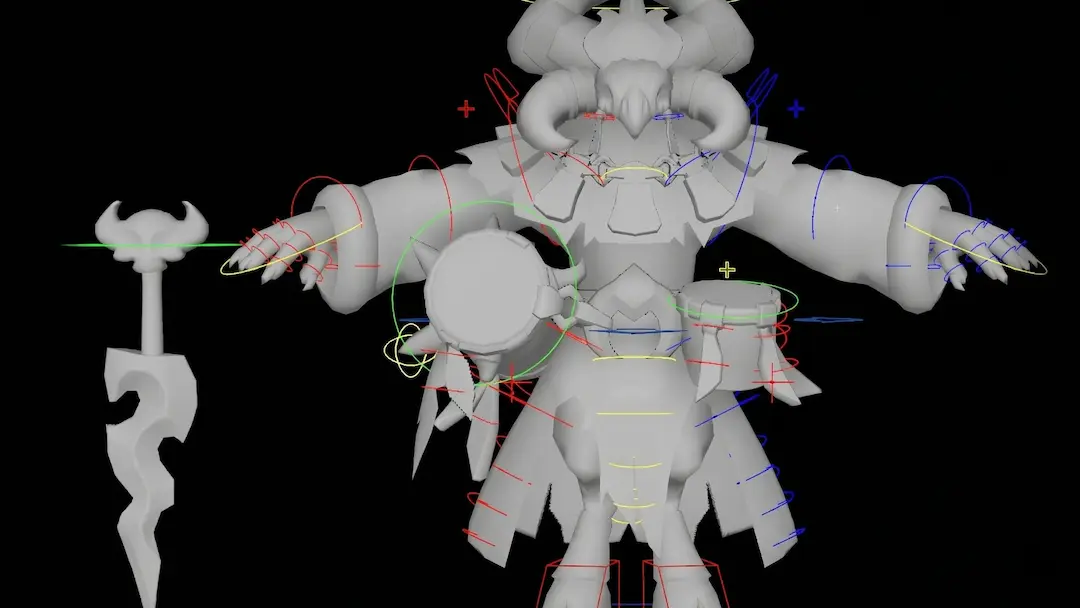
Rigging, Retargeting & Engine Support
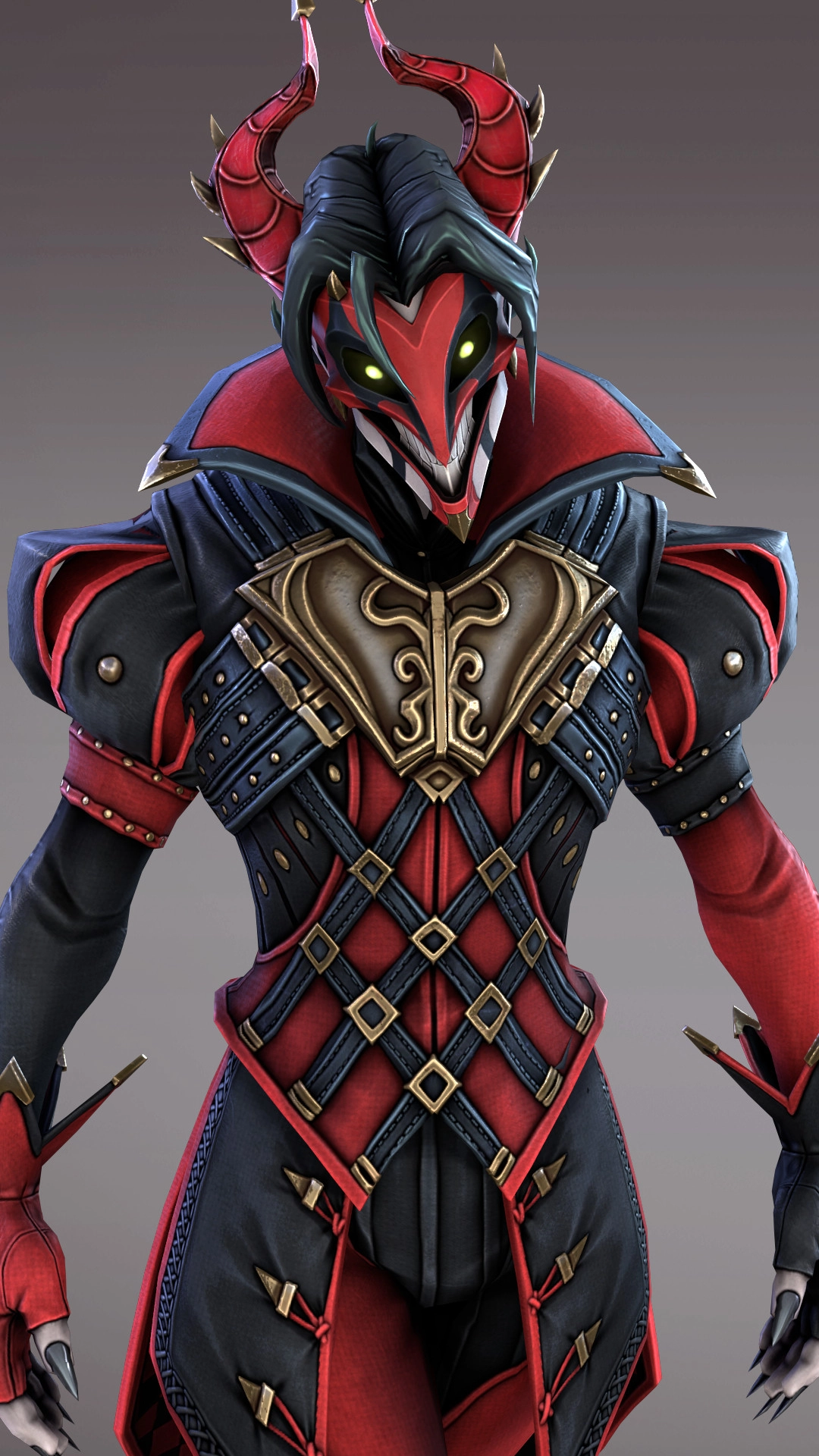
Responsive idles, interactions, reactions, and character states shaped around controls, camera, and gameplay timing.
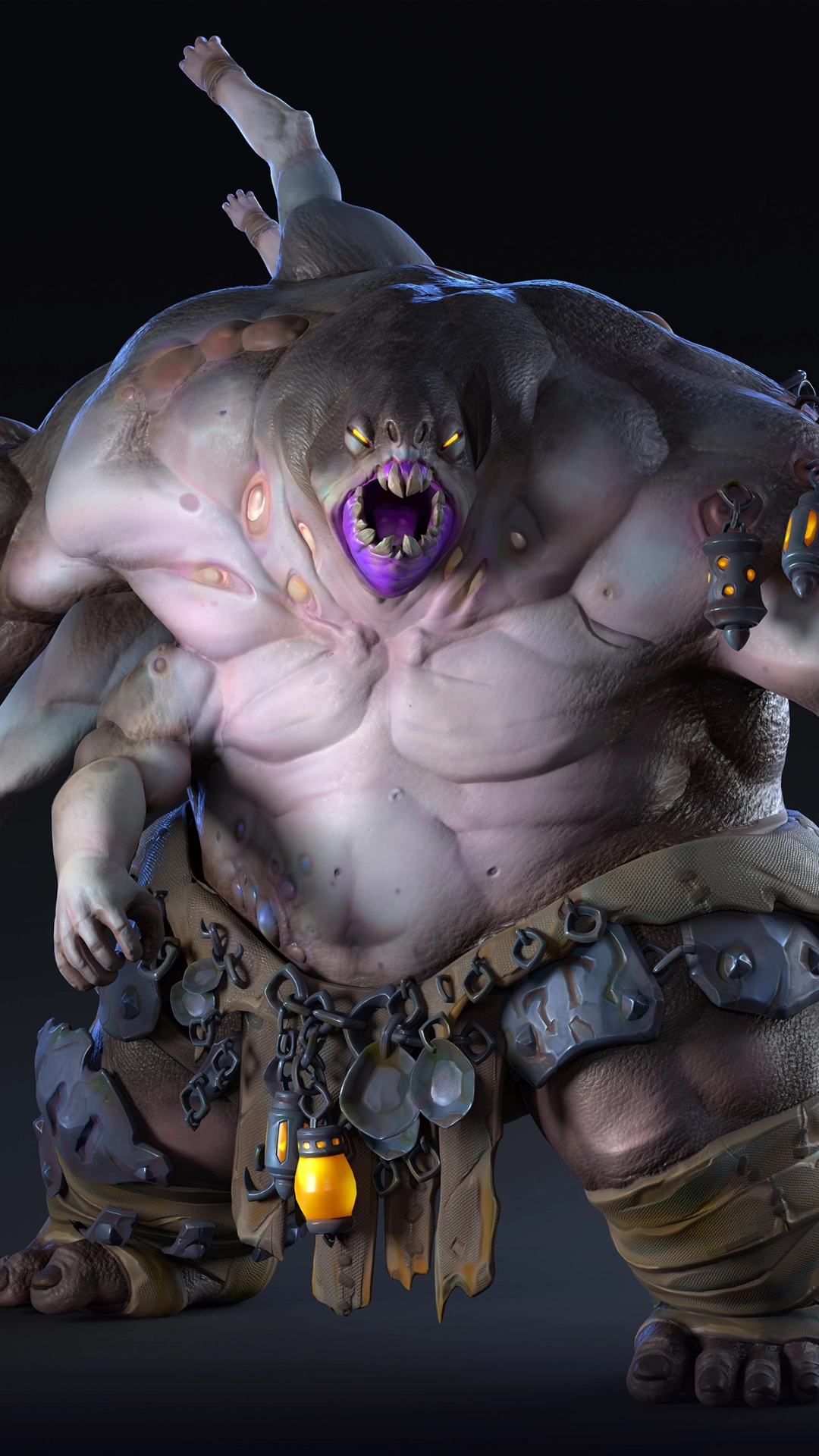
Walk, run, strafe, turn, jump, fall, and landing cycles matched to the character’s speed and body type.
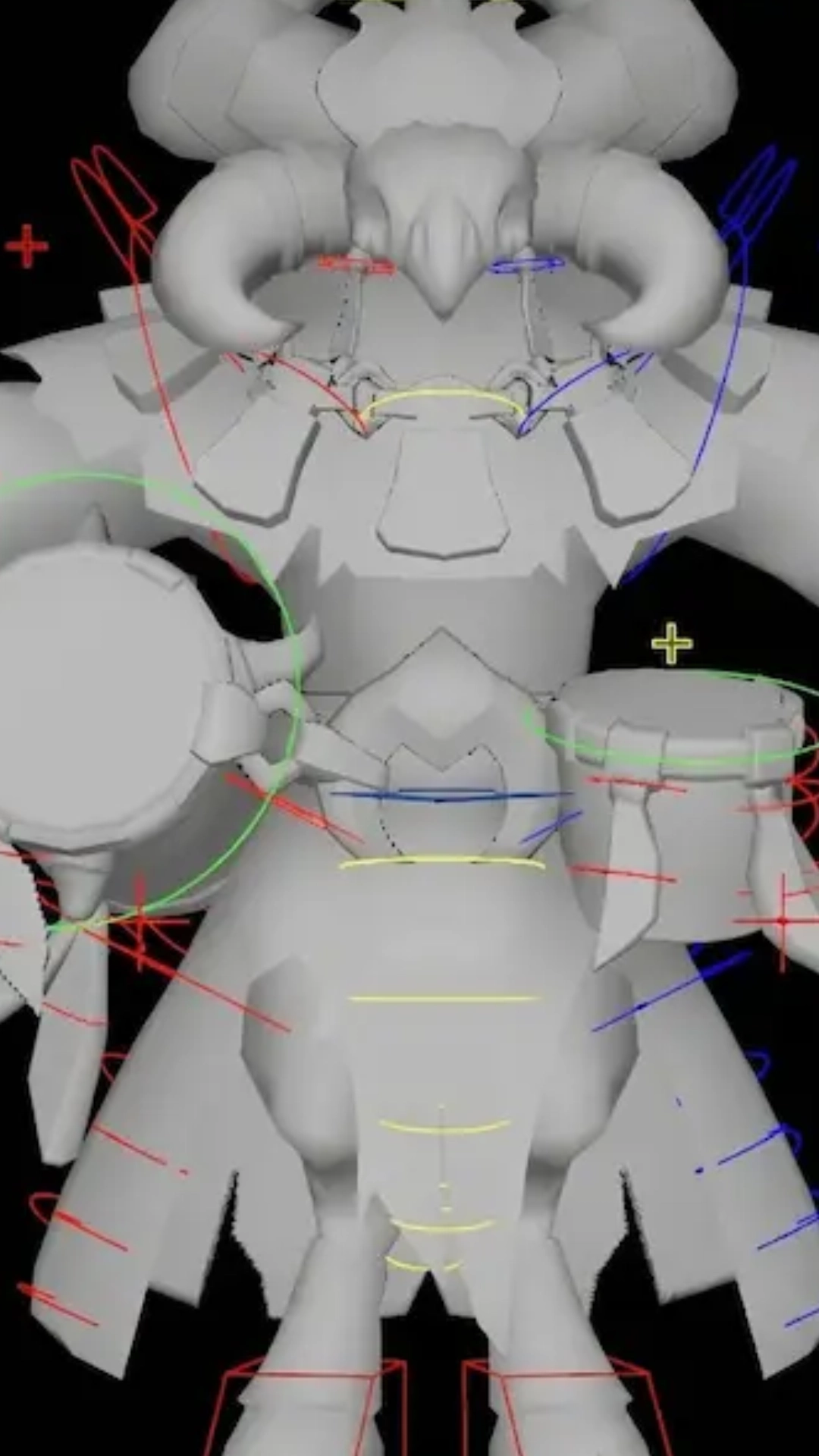
Rigging, skinning, mocap cleanup, retargeting, export, and engine support for production-ready character animation.
YOUR VFX AND ANIMATION PRODUCTION TEAM
You do not need the most senior person by default. You need the right specialist at the right stage, within the project’s budget.

Artem Babych
Senior Realtime VFX Artist | Unity, Unreal & Game Effects
Creates readable, optimized, game-ready VFX for Unity, Unreal, live games, gameplay effects, shaders, and particle systems.
Artem Turchyk
Mobile Production Manager | Mobile Games & Creative Production
Manages mobile game production across creatives, UI/UX, motion design, assets, development support, feedback, and delivery.

Elizaveta Sokolova
Creative Art Director | Illustration, 2D Art & Visual Storytelling
Award-winning artist and creative art director with 20+ years across Legends of Allods, Allods Online, Cossacks 3, Devoid of Shadows, and more.
Why Game Studios Choose VSQUAD
A 3D character animation studio that adapts to your gameplay, rigs, technical standards, review cadence, and delivery pipeline.
Budget Control
We scope essential animation states first, then reuse compatible rigs, cycles, and systems where that protects quality and schedule.
Character animation budgets grow through state count, character count, rig complexity, facial requirements, revision depth, and engine setup—not only seconds of motion. We define the must-have locomotion, combat, reaction, and cinematic work before production begins. Shared skeletons, reusable cycles, retargeting, or an existing animation base can reduce repeated work when they fit the character design and technical constraints.
Gameplay First
We judge character motion with controls, camera, transitions, and combat timing—not only in an animation viewport.
A polished animation can still feel slow, unclear, or disconnected once it enters the game. We review poses, timing, anticipation, impact, recovery, loops, and transitions around the character's gameplay role. The goal is motion that reads at the intended camera distance, responds to player input, and gives designers usable states for the final character controller.
Rig and Pipeline Fit
We work with the rig and production environment your team already uses.
Before animation begins, we review skeleton hierarchy, controls, skinning, IK/FK behavior, facial systems, blend shapes, naming, scale, axis conventions, and export requirements. We can adapt to established Maya, Blender, 3ds Max, MotionBuilder, Unity, Unreal Engine, MetaHuman, Character Creator, Mixamo-based, or custom workflows. Changes are recommended only when the existing setup would block reliable animation or engine delivery.
Weight and Readability
Body mass, silhouettes, impact, recovery, and secondary motion stay clear at gameplay speed.
A heavy boss, agile hero, animal, and stylized creature should not share the same motion logic. We shape timing, balance, pose clarity, follow-through, weapon handling, and recovery around the character's anatomy and function. That gives each action a readable beginning, impact, and finish while keeping the performance consistent with the game's visual style.
Production-Ready Reviews
Feedback can come from art direction, gameplay testing, or engine implementation; the review process must support all three.
Character motion is rarely approved from an isolated preview alone. Timing, poses, reactions, facial performance, loops, and transitions may change after design review or in-engine testing. We organize feedback around agreed review points, keep revisions traceable, and return to the affected animation state without losing the wider character set or technical context.
Engine-Ready Delivery
We support cleanup, retargeting, export, import, and validation in the target pipeline.
Delivery can cover more than final keyframes. Depending on scope, we support mocap cleanup, retargeting, baked animation data, root-motion or in-place variants, file naming, export settings, and import checks. For Unity or Unreal Engine workflows, we can help identify issues such as foot sliding, broken scale, incorrect root behavior, unstable deformations, or transitions that fail in context.
3D Character Animation Outsourcing for Game Production
VSQUAD can support a defined animation package or extend an existing game team with character-animation capacity. The scope can begin with one character and a focused state list, or cover a larger set of playable characters, NPCs, enemies, creatures, and bosses. In either case, production starts with the same practical questions: what the character must do, how the player will experience the motion, what rig and engine constraints already exist, and what files the internal team needs at handoff.
Our game character animation services are built around real-time use. That means a cycle is not considered in isolation. Locomotion must blend across speed and direction; attacks need readable anticipation, impact, and recovery; reactions must support combat feedback; and cinematic performance must remain compatible with the character asset and the chosen runtime pipeline.
Outsource a Package or Extend Your Internal Team
Some studios outsource character animation because the internal team is at capacity. Others need a specialist for rigging, creature motion, combat sets, facial work, mocap cleanup, or engine implementation. Both models can work. A defined package is appropriate when the animation list, rig, review owners, and delivery requirements are already clear. Embedded support is more useful when priorities will evolve with gameplay testing and the external team needs to work inside an established production rhythm.
The practical distinction is ownership. Before work begins, both teams should know who approves motion, who owns the rig, who implements the controller or state machine, how feedback is consolidated, and which files are required at delivery. Clear ownership prevents animation quality from being lost between art, design, and engineering.
Keyframe, Motion Capture, or a Hybrid Workflow
Keyframe animation gives direct control over posing, timing, exaggeration, and stylized performance. It is often the right choice for distinctive combat, creatures, bosses, and characters whose movement cannot be captured convincingly from a human performer. Motion capture can accelerate realistic body motion or provide a strong base for longer performances, but raw data still requires selection, cleanup, retargeting, contact correction, and character-specific polish.
A hybrid workflow uses each method where it is strongest. Mocap may provide the body performance while animators refine hands, face, contacts, silhouettes, and gameplay timing. Existing animation libraries can also support prototypes or secondary states when their skeletons, rights, and quality fit the project. The method should follow the required result, not become the result.
Rig Compatibility and Engine Handoff
An animation can look correct in Maya or Blender and still fail after export. Root orientation, scale, skeleton hierarchy, bone naming, constraints, compression, retargeting settings, and state transitions can all change the result in engine. Reviewing those requirements before production is cheaper than correcting an entire animation set at the end.
For an established pipeline, we adapt to the client’s rig and conventions wherever practical. For a new setup, we can help define a usable skeleton, control rig, skinning approach, export rules, and animation list. Delivery requirements should specify the agreed source and export formats, root-motion or in-place variants, frame ranges, naming conventions, and any documentation needed for Unity, Unreal Engine, or a custom engine.
Choosing a 3D Character Animation Company
Choosing a 3D character animation company should come down to evidence, not labels. Review the studio’s motion quality, character range, rigging competence, engine awareness, feedback process, and handoff discipline. A strong showreel matters, but so does the ability to explain how locomotion, combat, facial performance, or creature motion will move from approval into the actual game.
For an accurate estimate, send the character model or preview, rig status, animation list, references, engine, target platform, delivery format, schedule, and expected review process. With that information, the work can be divided into a realistic first batch and priced around the actual production risk instead of a vague per-animation assumption.
Our 3D Character Animation Process
01. Brief, References & Animation List
We review the character, gameplay role, references, rig status, required states, target engine, schedule, and delivery expectations.
The animation list is prioritized around what the player must read and what the production team needs to test first.
02. Rig & Technical Validation
We check the skeleton, controls, skinning, facial setup, root behavior, scale, export rules, and engine requirements.
If a rig already exists, we validate it against the animation list. If it needs adjustment, we identify the smallest practical changes before full production begins.
03. Blocking & First Review
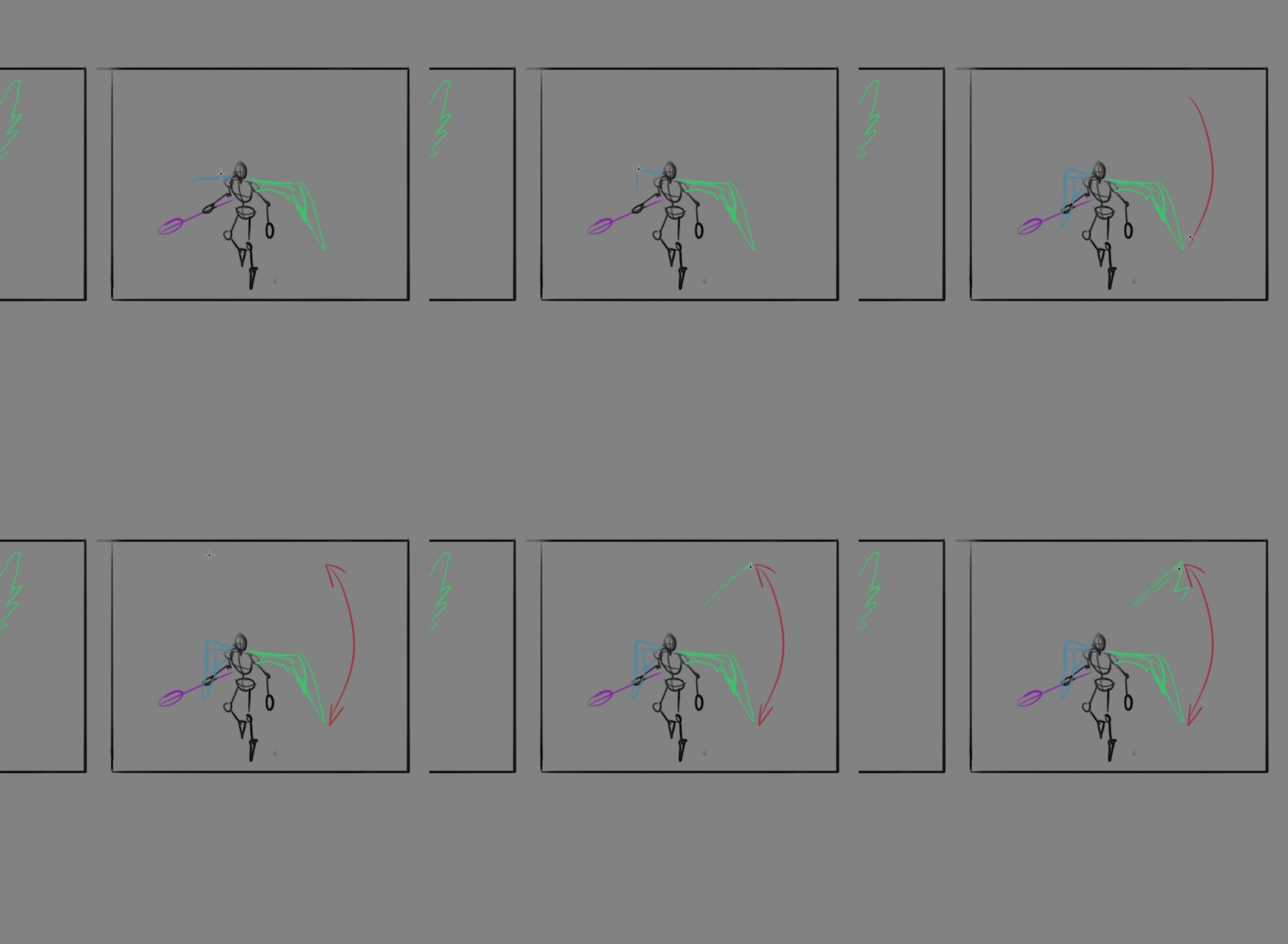
We establish the core poses, silhouettes, timing, contacts, body mechanics, and movement logic before detailed polish.
This review confirms the action, character, and gameplay read while changes are still efficient to make.
04. Polish & In-Engine Iteration
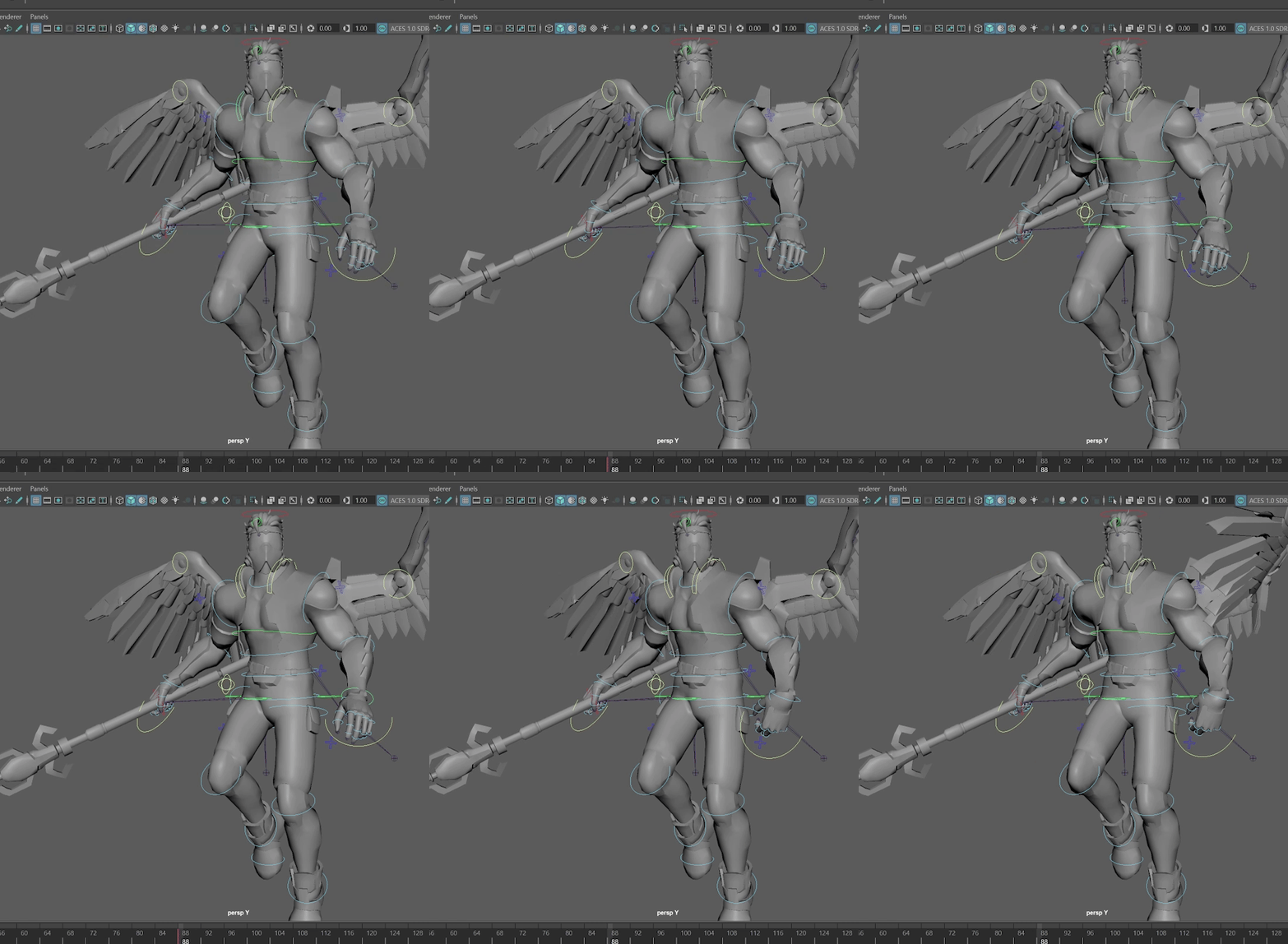
We refine timing, spacing, impact, recovery, follow-through, transitions, loops, facial work, and secondary motion.
Gameplay states are reviewed with the intended camera, controls, and engine behavior whenever the project setup allows it.
05. Handoff, Testing & Delivery
Approved animations are organized, exported, and checked against the agreed delivery specification.
Depending on scope, we support retargeting, import checks, file organization, and fixes for issues that appear between the animation scene and final game build.
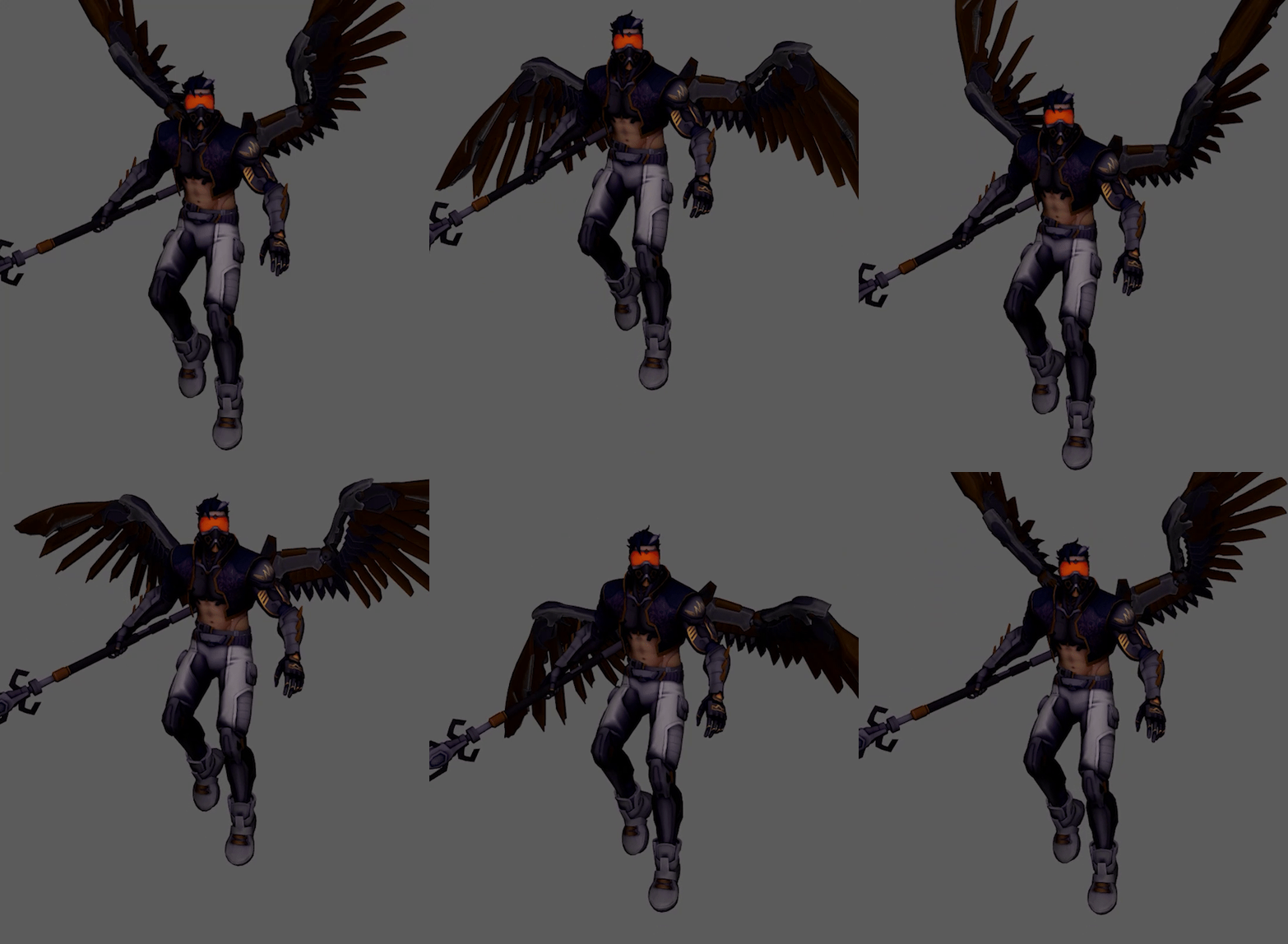
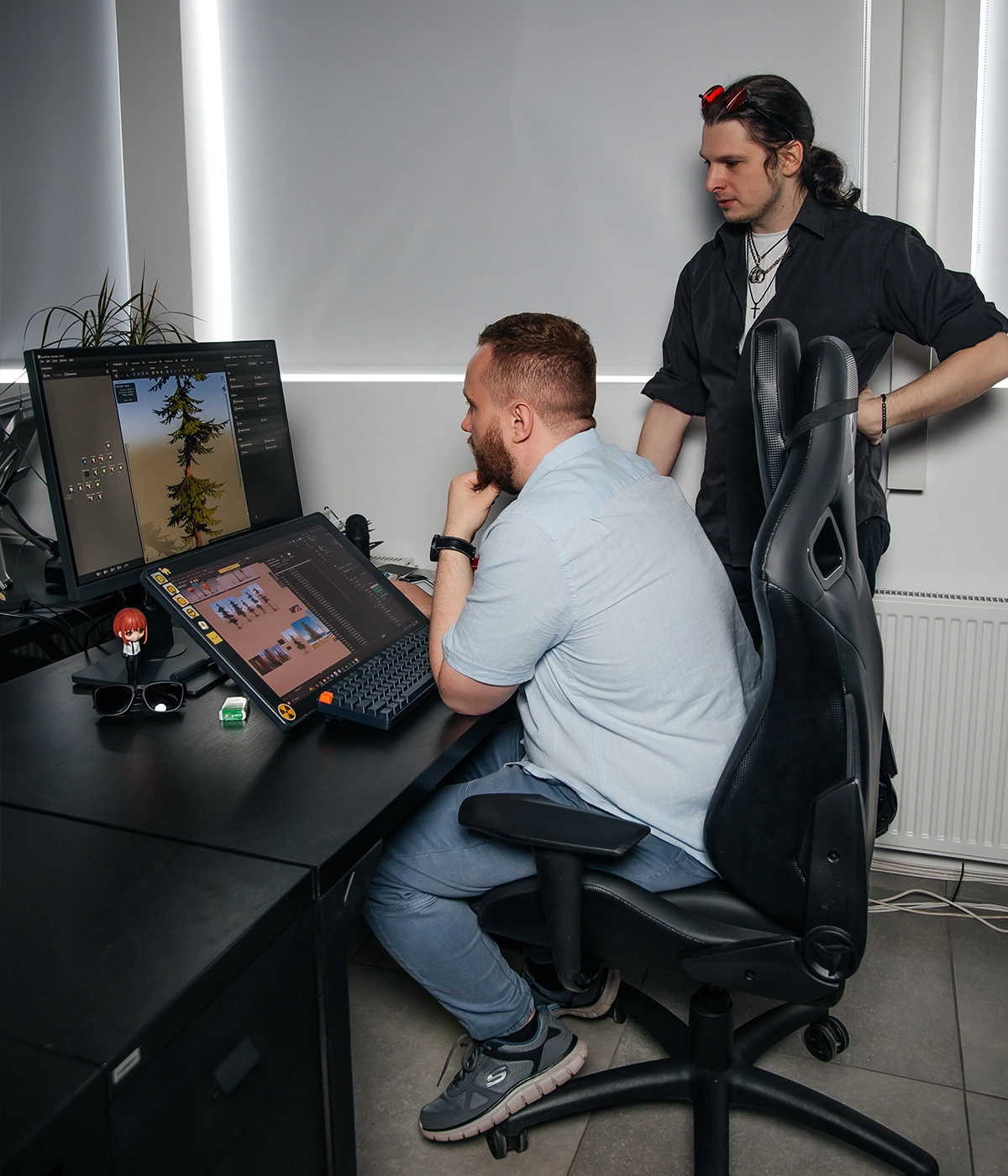
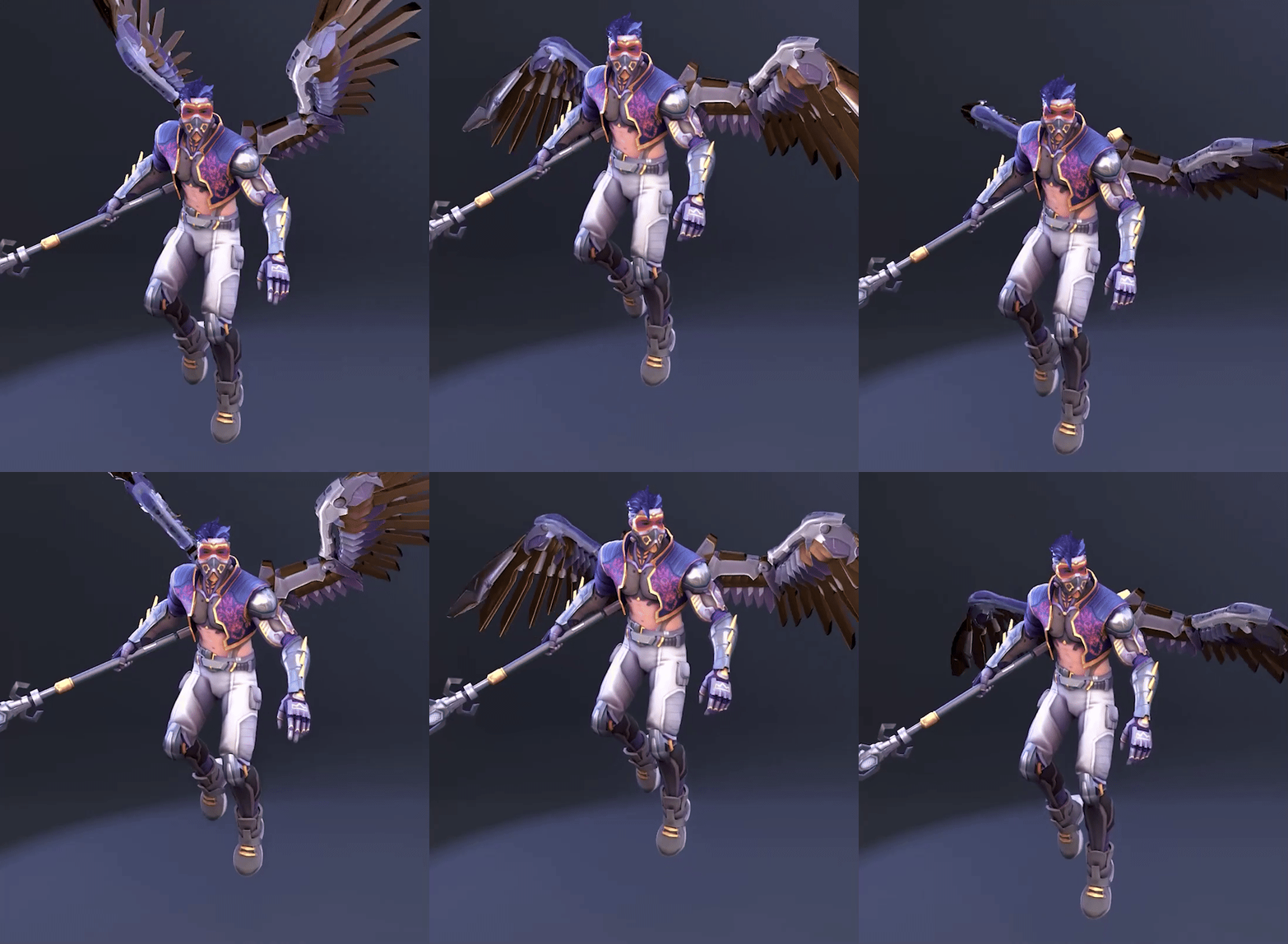
Our 3D Character Animation Process
01. Brief, References & Animation List
We review the character, gameplay role, references, rig status, required states, target engine, schedule, and delivery expectations.
The animation list is prioritized around what the player must read and what the production team needs to test first.
02. Rig & Technical Validation
We check the skeleton, controls, skinning, facial setup, root behavior, scale, export rules, and engine requirements.
If a rig already exists, we validate it against the animation list. If it needs adjustment, we identify the smallest practical changes before full production begins.
03. Blocking & First Review
We establish the core poses, silhouettes, timing, contacts, body mechanics, and movement logic before detailed polish.
This review confirms the action, character, and gameplay read while changes are still efficient to make.
04. Polish & In-Engine Iteration
We refine timing, spacing, impact, recovery, follow-through, transitions, loops, facial work, and secondary motion.
Gameplay states are reviewed with the intended camera, controls, and engine behavior whenever the project setup allows it.
05. Handoff, Testing & Delivery
Approved animations are organized, exported, and checked against the agreed delivery specification.
Depending on scope, we support retargeting, import checks, file organization, and fixes for issues that appear between the animation scene and final game build.
Our clients
Trusted by leading game studios worldwide.


OTHER SERVICES

GET IN TOUCH
Got a project in mind? We usually reply within a day.

You can also reach us directly:
-
Our email:
 head@vsquad.art
-
Art Director:
Volodymyr Liubchuk
-
Assistant Producer:
Violetta Popova
-
Job opportunities:
Join our team


FAQ
Questions about 3D character animation, rigs, gameplay movement, combat animation, engine setup, or budget?
You’ll find the key answers below. If not, just reach out.