

2D Character Animation Services
Game-ready 2D character animation for heroes, enemies, creatures, NPCs, UI characters, and gameplay assets. We work with your style, animation method, engine, and production pipeline.
Types of 2D Character Animation
2D character animation for gameplay, combat, dialogue scenes, animated portraits, creatures, and game-ready assets.
2D character animation is used when a game needs characters that move, react, attack, speak, idle, or support the player experience through gameplay and story moments. This can include heroes, enemies, NPCs, creatures, bosses, dialogue portraits, menu characters, and animated gameplay assets.
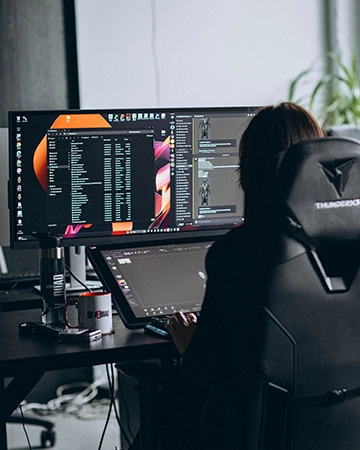
VSQUAD creates 2D character animation for games using the method that fits the project: Spine animation, frame-by-frame animation, or a hybrid production setup. Spine is useful when the project needs reusable rigs, many animation states, skins, equipment variants, and faster iteration. Frame-by-frame animation works better when the character needs stronger expression, stylized motion, unique attacks, or a handcrafted visual feel.
The right 2D character animation pipeline depends on the game genre, platform, budget, art style, engine, and production stage. A mobile RPG with many units may need a different animation setup than a visual novel, casual game, browser game, or hand-drawn action project.
Our goal is to create game-ready 2D character animation that works inside the game, not only in a preview: readable movement, clear timing, optimized files, usable exports, and animation assets prepared for the project pipeline.
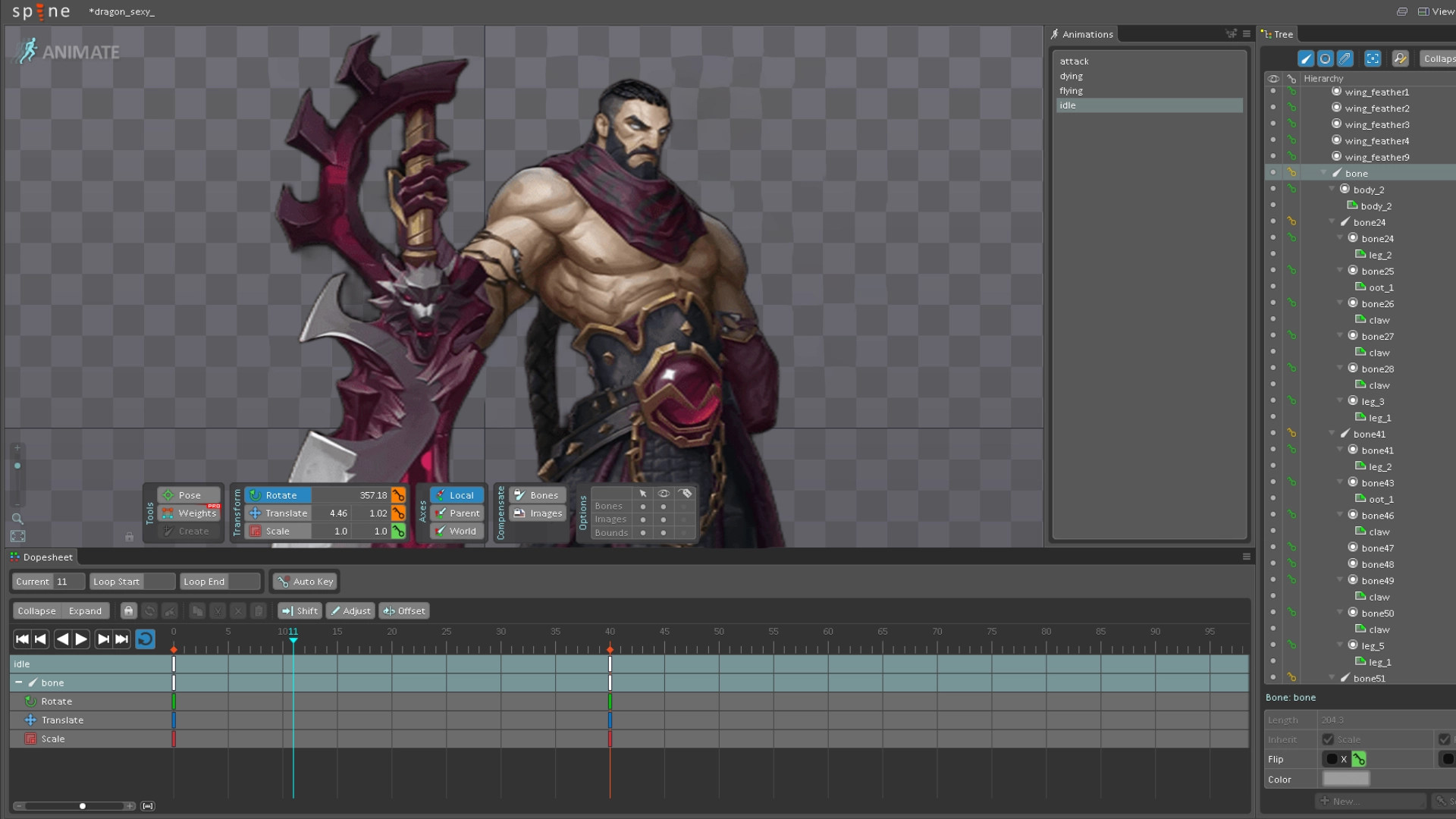
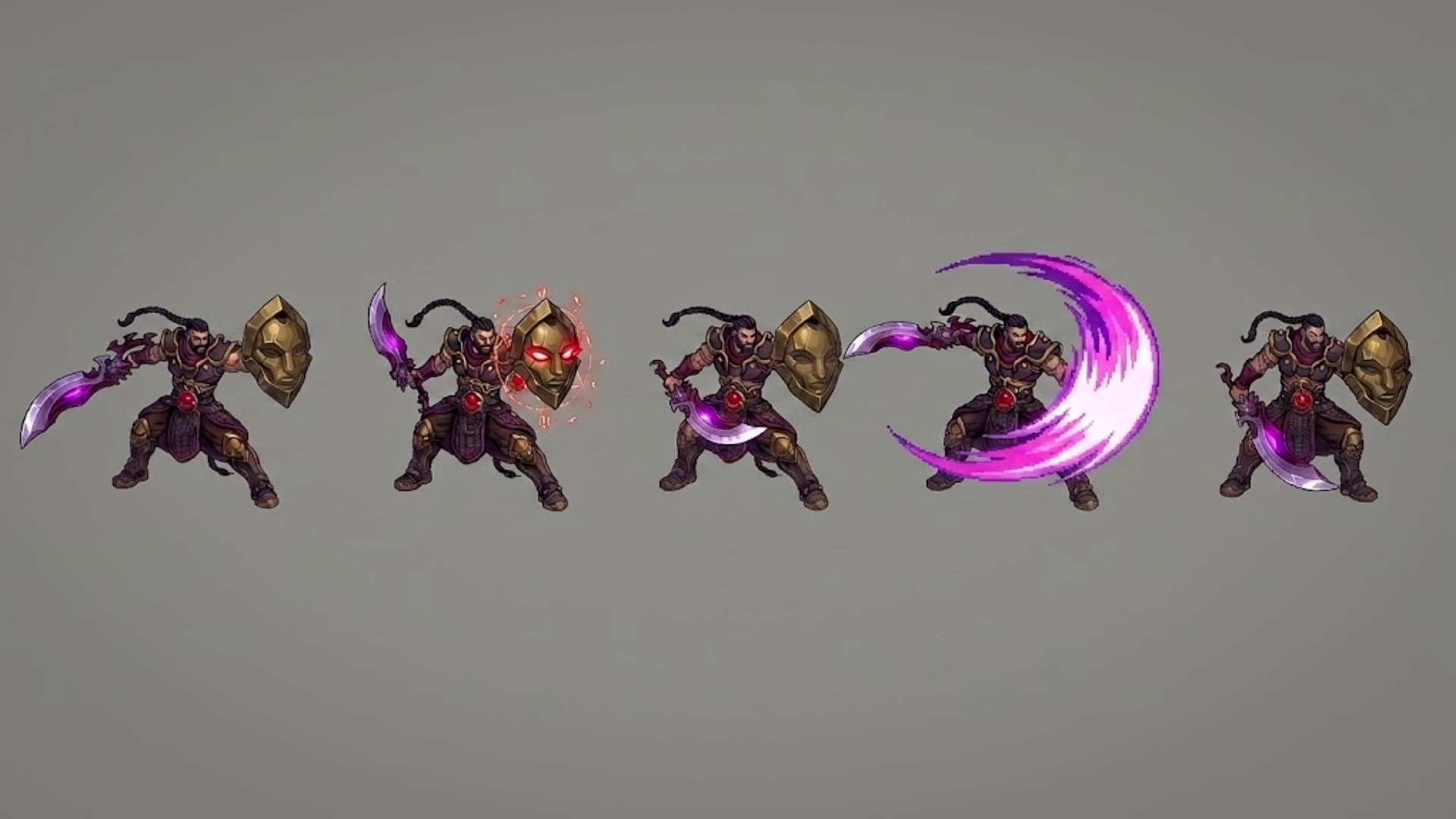
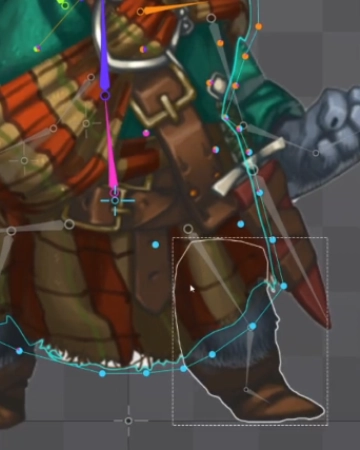
Spine Character Animation
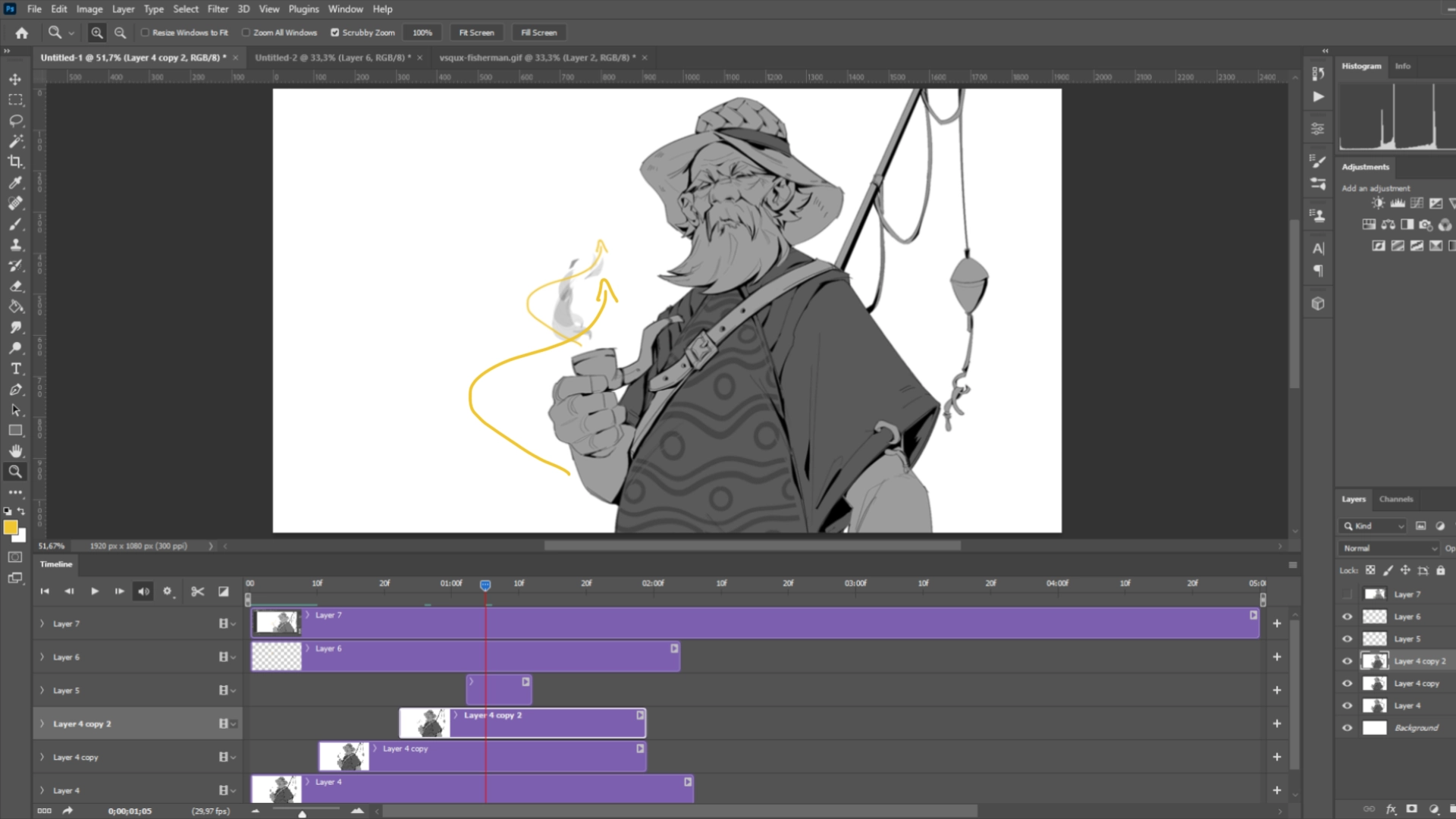
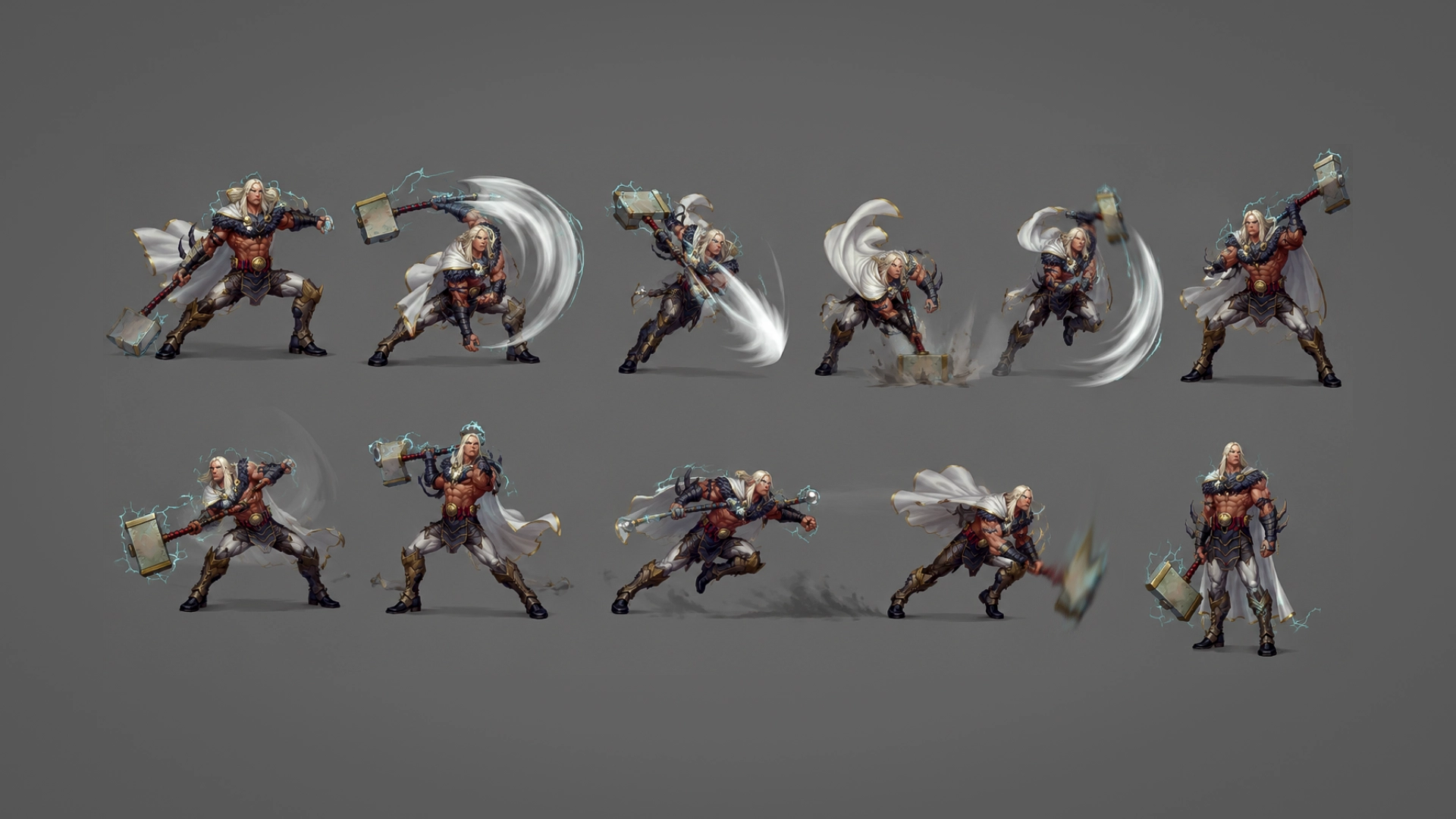
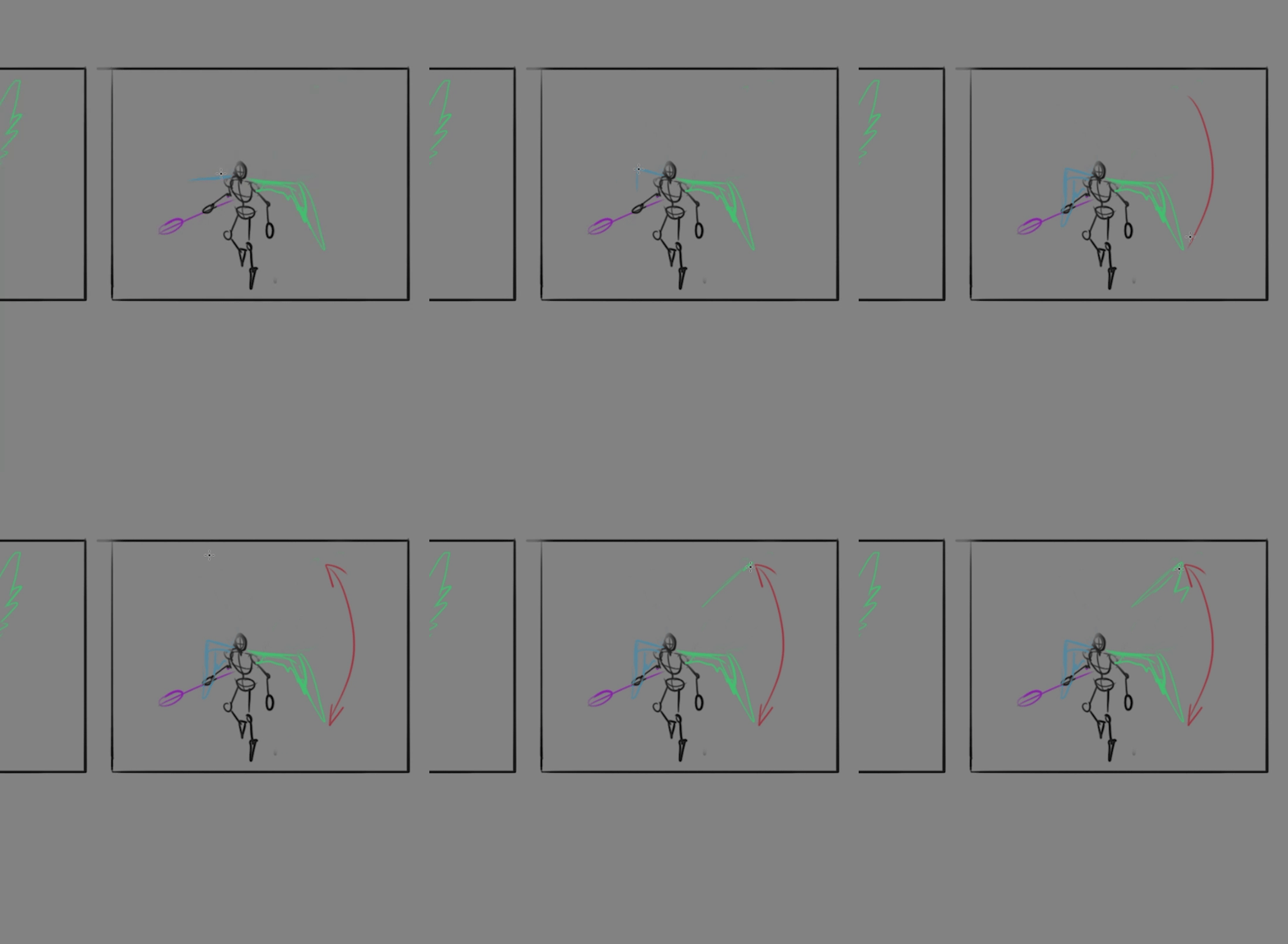
Frame-by-Frame Character Animation
Gameplay Character Animation
Combat & Skill Animation
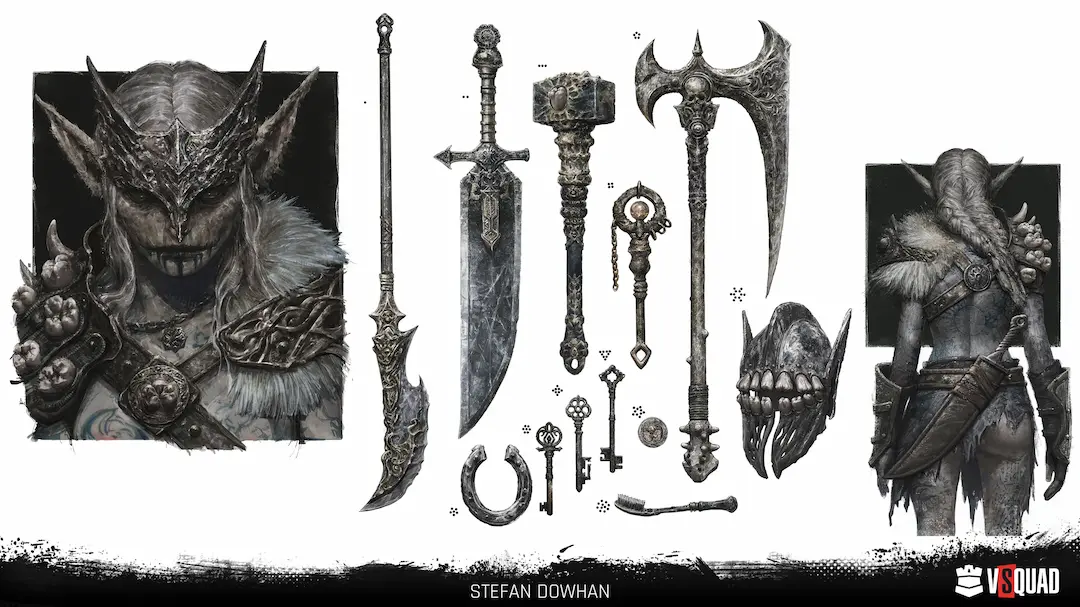
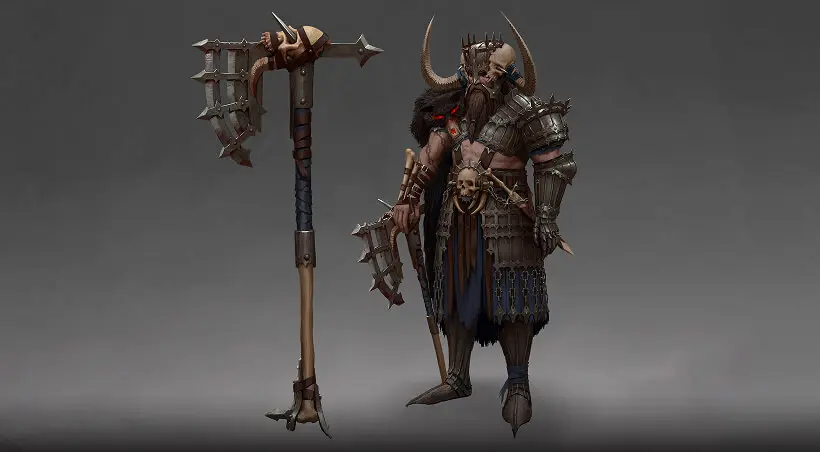
Creature & Enemy Animation
Animated Portraits & Dialogue Characters
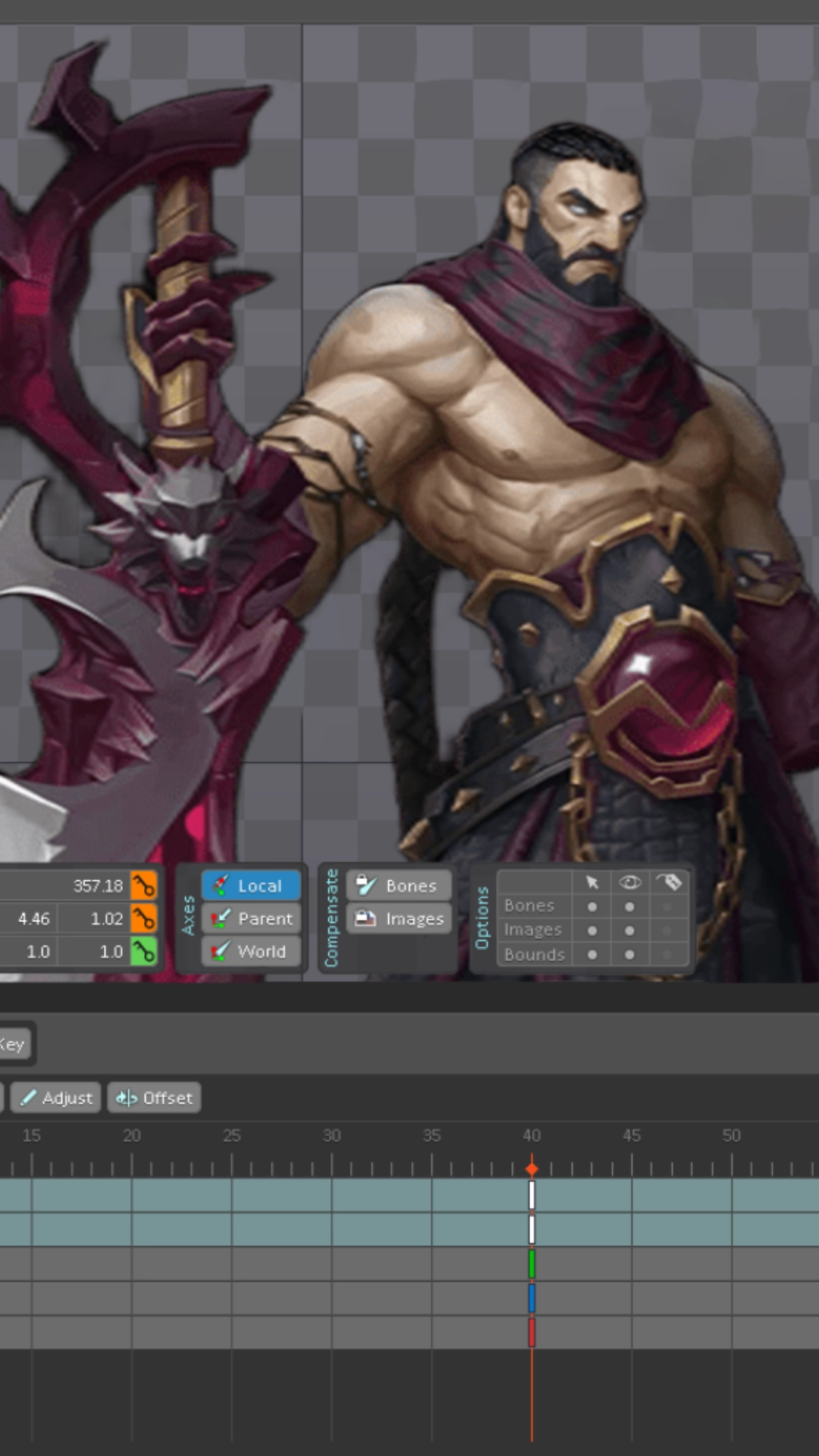
Skeletal 2D character animation for games that need speed, reuse, and production efficiency.
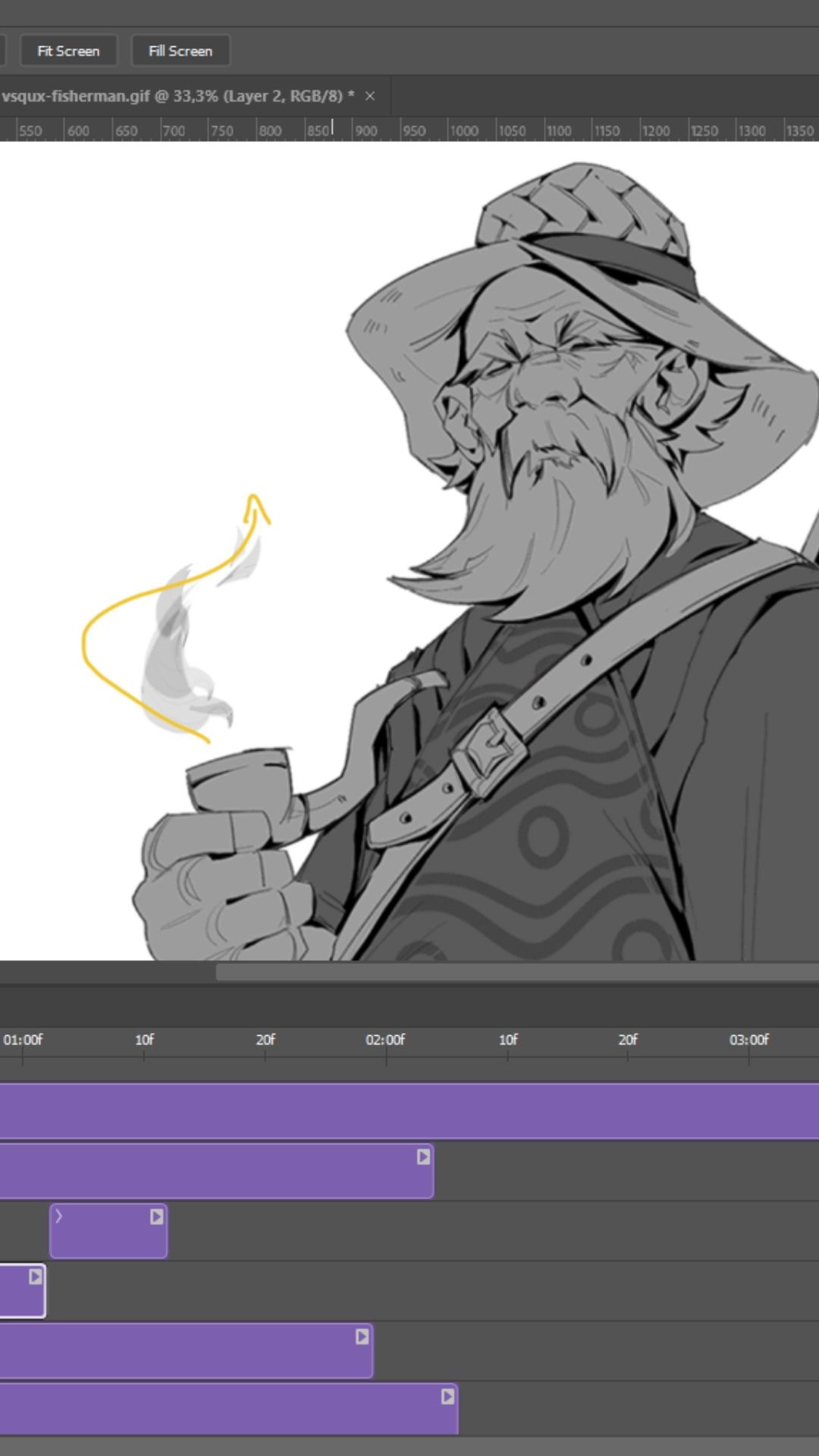
Hand-drawn 2D character animation when motion, expression, and visual style matter most.
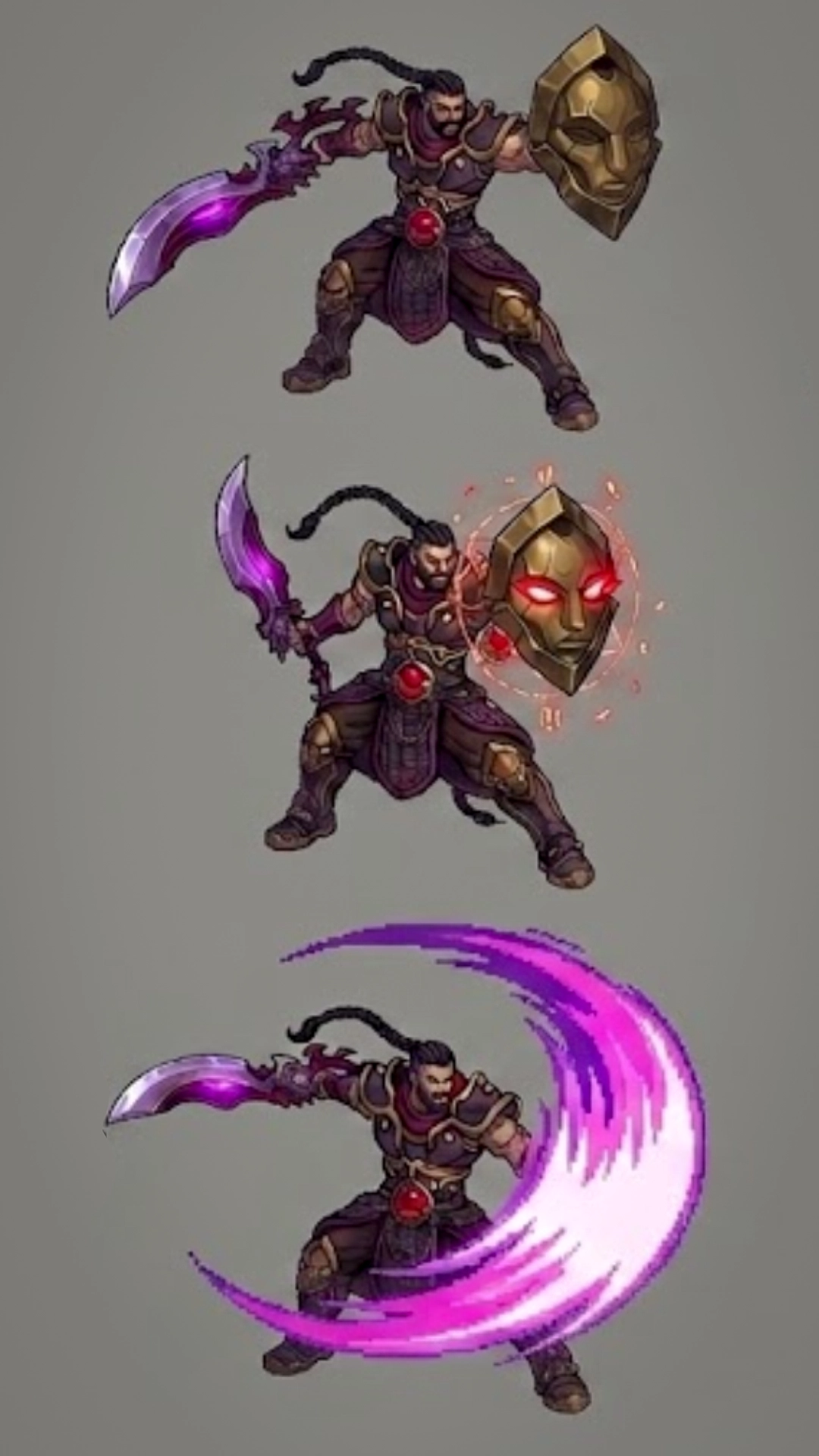
2D character movement, idles, reactions, interactions, and gameplay animation cycles.
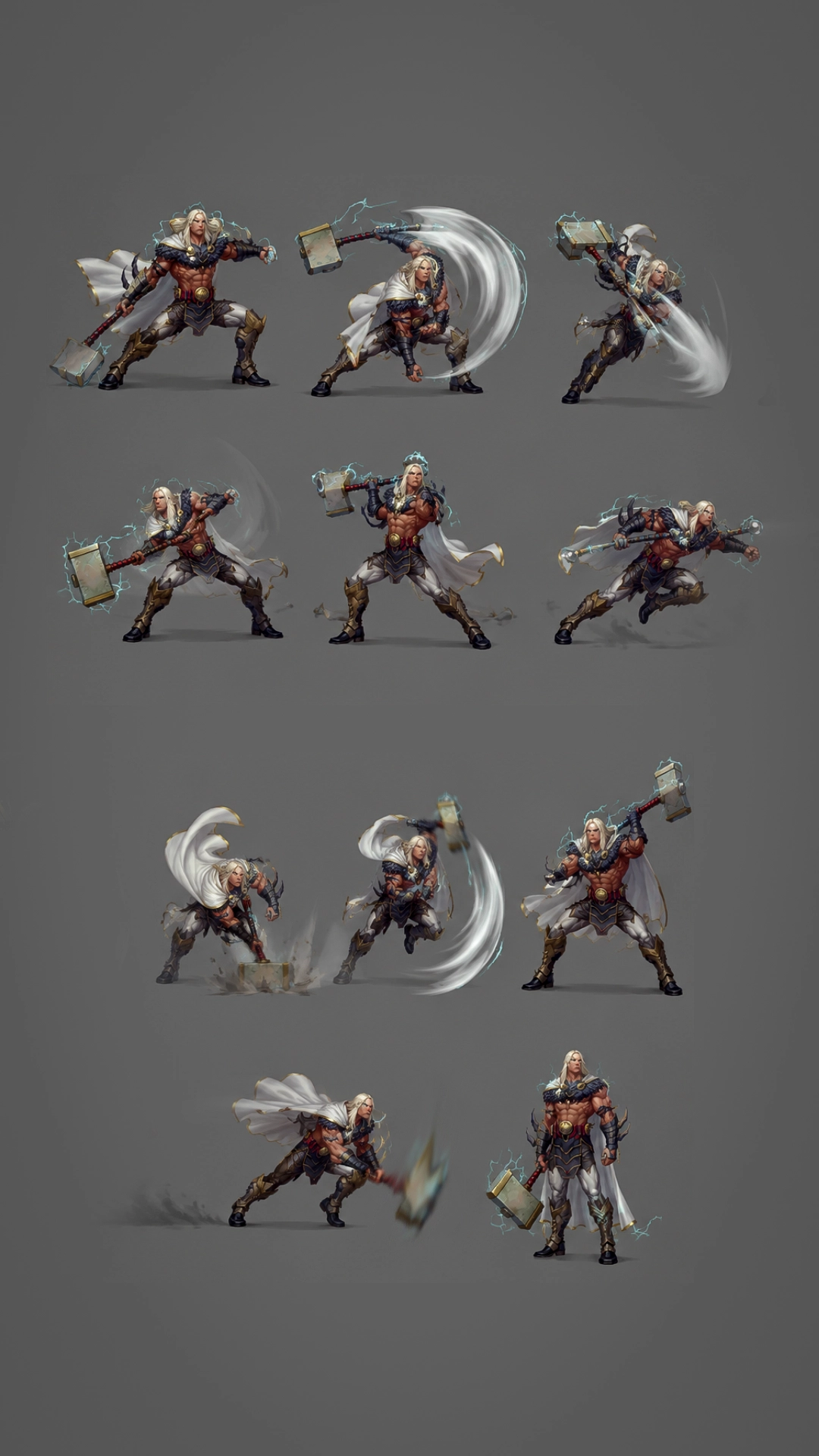
Attacks, spells, hit reactions, abilities, enemies, bosses, and special moves.

2D animation for monsters, animals, enemies, bosses, and non-human characters.
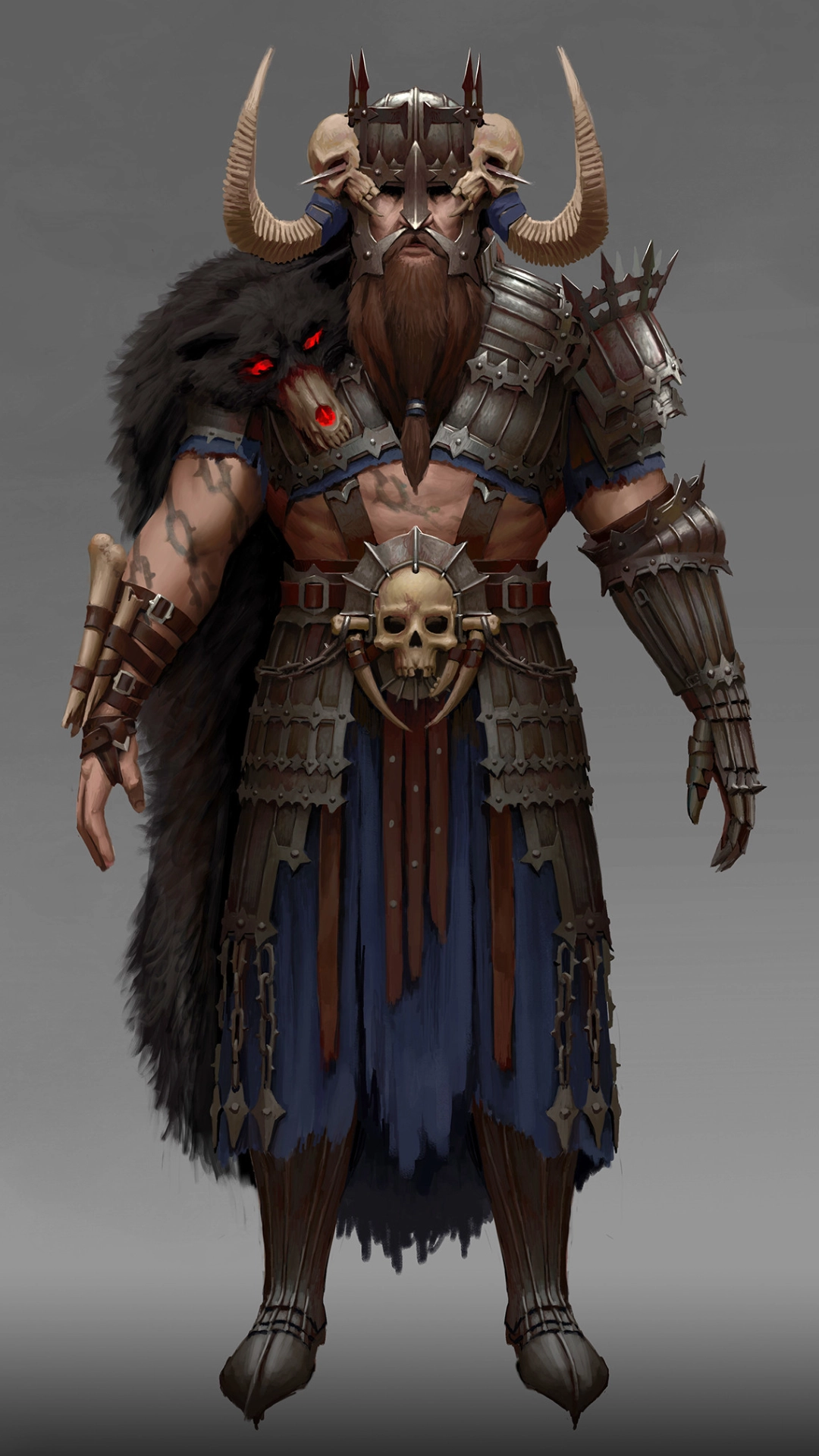
Animated portraits, dialogue characters, menu characters, and lightweight character loops.
YOUR VFX AND ANIMATION PRODUCTION TEAM
You do not need the most senior person by default. You need the right specialist at the right stage, within the project’s budget.
Artem Babych
Senior Realtime VFX Artist | Unity, Unreal & Game Effects
Creates readable, optimized, game-ready VFX for Unity, Unreal, live games, gameplay effects, shaders, and particle systems.
Artem Turchyk
Mobile Production Manager | Mobile Games & Creative Production
Manages mobile game production across creatives, UI/UX, motion design, assets, development support, feedback, and delivery.
Elizaveta Sokolova
Creative Art Director | Illustration, 2D Art & Visual Storytelling
Award-winning artist and creative art director with 20+ years across Legends of Allods, Allods Online, Cossacks 3, Devoid of Shadows, and more.
WHY STUDIOS WORK WITH VSQUAD
We support 2D character animation production with the right format, realistic scope, and stable delivery.
BUDGET CONTROL
We help choose a 2D character animation setup that fits the budget before production gets expensive.
2D character animation can become expensive fast if every movement, attack, reaction, emotion, costume variant, or dialogue state has to be created from scratch. We help choose the right setup early: Spine, frame-by-frame, reusable rigs, shared character structure, animation states, or a hybrid approach. For indie teams and smaller productions, this helps keep the animation scope realistic without killing the character’s personality or gameplay readability.
RIGHT ANIMATION FORMAT
Spine, frame-by-frame, or hybrid production depends on the character, style, platform, and game needs.
The animation method should not be chosen only by taste. Spine animation can be better when the project needs many states, skins, reusable rigs, equipment variants, and faster iteration. Frame-by-frame works better when the character needs expressive acting, unique poses, handcrafted motion, or stronger stylization. We help choose the format around real production needs, not guesswork.
CHARACTER READABILITY
We focus on clear poses, timing, silhouettes, emotion, and gameplay readability.
A 2D character has to read clearly on screen, especially in mobile games, RPGs, strategy games, casual games, and combat-heavy projects. We pay attention to pose clarity, timing, anticipation, recovery, facial expression, body language, and how the animation reads at the final game size. The goal is not only smooth motion. The character should feel alive and understandable during gameplay.
FEEDBACK THAT FITS PRODUCTION
We can adjust animation when gameplay, art direction, or production feedback changes the task.
2D character animation often changes during production: gameplay gets adjusted, attacks need different timing, portraits need more emotion, or the art director sees that the motion does not match the character. We can return to timing, poses, loops, reactions, expressions, transitions, and animation states when the project needs it. This keeps production moving without treating every feedback change as a disaster.
FLEXIBLE SCALE
One animated character, a small animation set, or a larger character content load are all normal.
Some teams need one animated 2D character or a few gameplay states. Others need a larger set of heroes, enemies, bosses, portraits, skins, or character variants. VSQUAD can start with a focused animation scope and scale only when the project needs more. This is useful for indie teams, mobile games, live projects, and productions where the content volume can grow over time.
STUDIO, NOT A FREELANCER
We bring art direction, production coordination, and continuity behind the animation work.
2D character animation often depends on more than one person: character art, rig setup, animation, VFX, engine export, review, and production coordination. VSQUAD works as a studio, so the task does not depend on one freelancer disappearing or one specialist trying to cover everything alone. This makes the work more stable when the project needs consistent character animation over time.
Our Process for 2D Character Animation
We start by understanding the character, the game, the animation style, and the production setup behind the work.
Then we choose the right animation format, build the first pass, test how the character reads, and refine the result into game-ready delivery.
01. Understanding the Character and Game
We begin by reviewing the character, gameplay role, visual style, references, animation list, and where the character appears in the game.
At this stage, we define what the animation needs to communicate: personality, weight, combat role, emotion, readability, or simple production efficiency.
02. Choosing the Animation Setup
Once the direction is clear, we choose the right setup for the task: Spine, frame-by-frame, or a hybrid approach.
Some characters need reusable rigs, skins, attachments, and many animation states. Others need hand-drawn motion, expressive poses, or unique attacks. We build the process around the character and the game, not around one fixed method.
03. First Animation Pass
After that, we prepare the first working pass.
Depending on the task, this can be an early Spine setup, rough frame-by-frame motion, first gameplay cycle, attack draft, idle loop, dialogue motion, or creature movement test.
The goal is to check timing, poses, readability, and production direction before deeper polish begins.
04. Feedback, Polish and Delivery
We refine the animation through feedback, polish the final motion, and prepare it for production use.
This can include timing fixes, cleanup, secondary motion, expression adjustments, loop polish, export preparation, sprite sheets, Spine files, or engine-ready animation data.
The goal is to deliver 2D character animation that not only looks good, but is ready for real game implementation.
Our Process for 2D Character Animation
We start by understanding the character, the game, the animation style, and the production setup behind the work.
Then we choose the right animation format, build the first pass, test how the character reads, and refine the result into game-ready delivery.
01. Understanding the Character and Game
We begin by reviewing the character, gameplay role, visual style, references, animation list, and where the character appears in the game.
At this stage, we define what the animation needs to communicate: personality, weight, combat role, emotion, readability, or simple production efficiency.
02. Choosing the Animation Setup
Once the direction is clear, we choose the right setup for the task: Spine, frame-by-frame, or a hybrid approach.
Some characters need reusable rigs, skins, attachments, and many animation states. Others need hand-drawn motion, expressive poses, or unique attacks. We build the process around the character and the game, not around one fixed method.
03. First Animation Pass
After that, we prepare the first working pass.
Depending on the task, this can be an early Spine setup, rough frame-by-frame motion, first gameplay cycle, attack draft, idle loop, dialogue motion, or creature movement test.
The goal is to check timing, poses, readability, and production direction before deeper polish begins.
04. Feedback, Polish and Delivery
We refine the animation through feedback, polish the final motion, and prepare it for production use.
This can include timing fixes, cleanup, secondary motion, expression adjustments, loop polish, export preparation, sprite sheets, Spine files, or engine-ready animation data.
The goal is to deliver 2D character animation that not only looks good, but is ready for real game implementation.
Our clients
Trusted by leading game studios worldwide.


OTHER SERVICES

GET IN TOUCH
Got a project in mind? We usually reply within a day.

You can also reach us directly:
-
Our email:
 head@vsquad.art
-
Art Director:
Volodymyr Liubchuk
-
Assistant Producer:
Violetta Popova
-
Job opportunities:
Join our team


FAQ
Questions about 2D character animation, Spine, frame-by-frame animation, gameplay movement, combat animation, animated portraits, production setup, or budget?
You’ll find the key answers below. If not, just reach out.
We can work with heroes, enemies, NPCs, bosses, creatures, UI characters, dialogue characters, and stylized game characters.
Depending on the project, we can support Spine animation, frame-by-frame animation, hybrid animation setups, sprite sheets, character layers, animation states, VFX support, and game-ready export preparation.
We can work with both Spine animation and frame-by-frame 2D character animation.
Spine is useful when the project needs reusable rigs, many animation states, skins, equipment variants, faster iteration, and better production efficiency.
Frame-by-frame animation works better when the character needs stronger expression, unique poses, stylized motion, handcrafted attacks, or a more traditional animated look.
For some projects, the best solution is a hybrid setup: Spine for reusable gameplay states, frame-by-frame for special attacks, cinematic moments, or important character actions.
2D character animation can become expensive fast if every movement, attack, reaction, emotion, costume variant, and dialogue state is created from scratch.
If the process is not set up yet, we can help choose a practical animation approach: reusable Spine rigs, shared character structure, limited animation states, simplified motion, frame-by-frame only where it matters, or a hybrid production setup.
For indie teams and smaller studios, we usually recommend starting with the most important gameplay animations first, then expanding the animation list when the project really needs it.
We can work with existing 2D character art if the files are usable for animation.
For Spine animation, the character usually needs clean separated layers, proper pivots, body parts, attachments, and enough visual information for movement. If the art is not prepared yet, we can help adjust or separate the character for animation.
For frame-by-frame animation, we can work from character sheets, references, poses, style guides, or existing game art, depending on the quality and production needs.
2D character animation has to work inside the game, not only look good in a preview. A walk cycle, attack, hit reaction, idle, or skill animation needs to read clearly at the final game size and fit the timing of the gameplay.
That is why we pay attention to silhouette, pose clarity, timing, anticipation, recovery, loops, transitions, combat readability, UI scale, and engine requirements.
We can create 2D combat animations, enemy actions, boss attacks, creature movement, spell casts, hit reactions, deaths, special skills, melee attacks, ranged attacks, and other gameplay animation tasks.
For combat and creature animation, readability is critical. The player needs to understand timing, danger, impact, recovery, and the character’s intention during gameplay.
Depending on the visual style, this can be done in Spine, frame by frame, or as a hybrid setup with VFX, particles, sprite effects, and engine integration.
2D character animation often depends on more than the animation itself. The final result may require clean source files, sprite sheets, Spine files, atlas organization, export settings, file cleanup, animation naming, engine import, and implementation checks.
VSQUAD can support connected production steps around 2D character animation, including preparation for Unity, Unreal Engine, or a custom game pipeline.
This helps reduce problems between the character art, animation files, exported assets, and the final game implementation.
Useful materials include character art, layered source files, gameplay references, animation examples, attack descriptions, movement lists, dialogue references, UI context, and technical requirements.
We can review the task, suggest a practical production approach, and help define what level of 2D character animation support makes sense for your project.